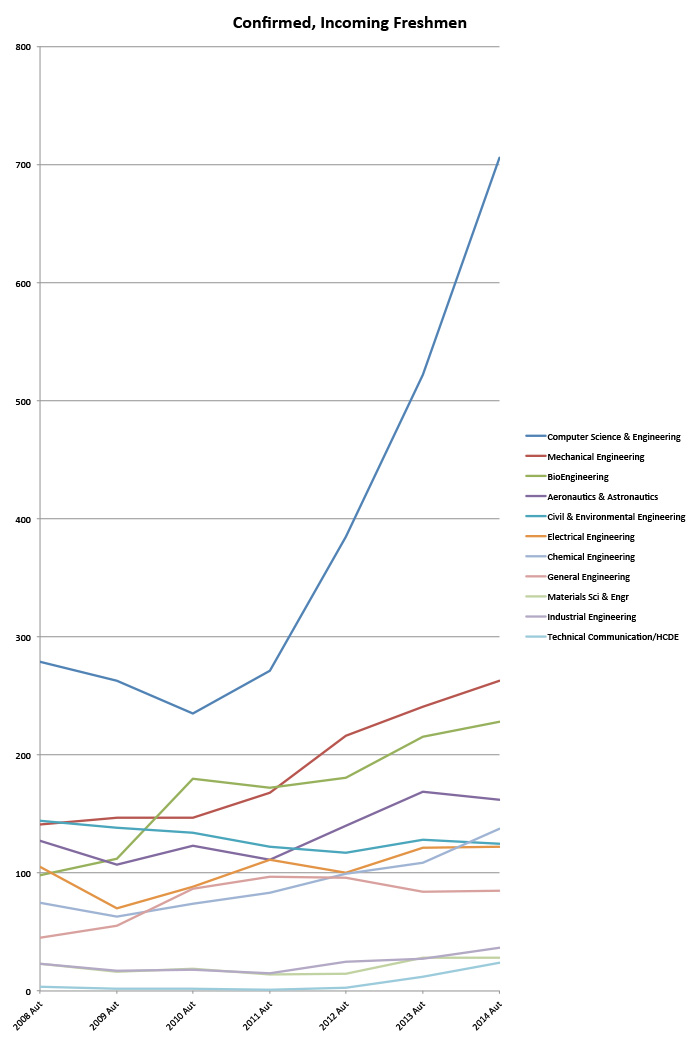
 This just in: data on the intended major (among College of Engineering programs) of UW’s 2014 freshman class.
See a nice followup article from GeekWire here. Read more →

This just in: data on the intended major (among College of Engineering programs) of UW’s 2014 freshman class.
See a nice followup article from GeekWire here. Read more →
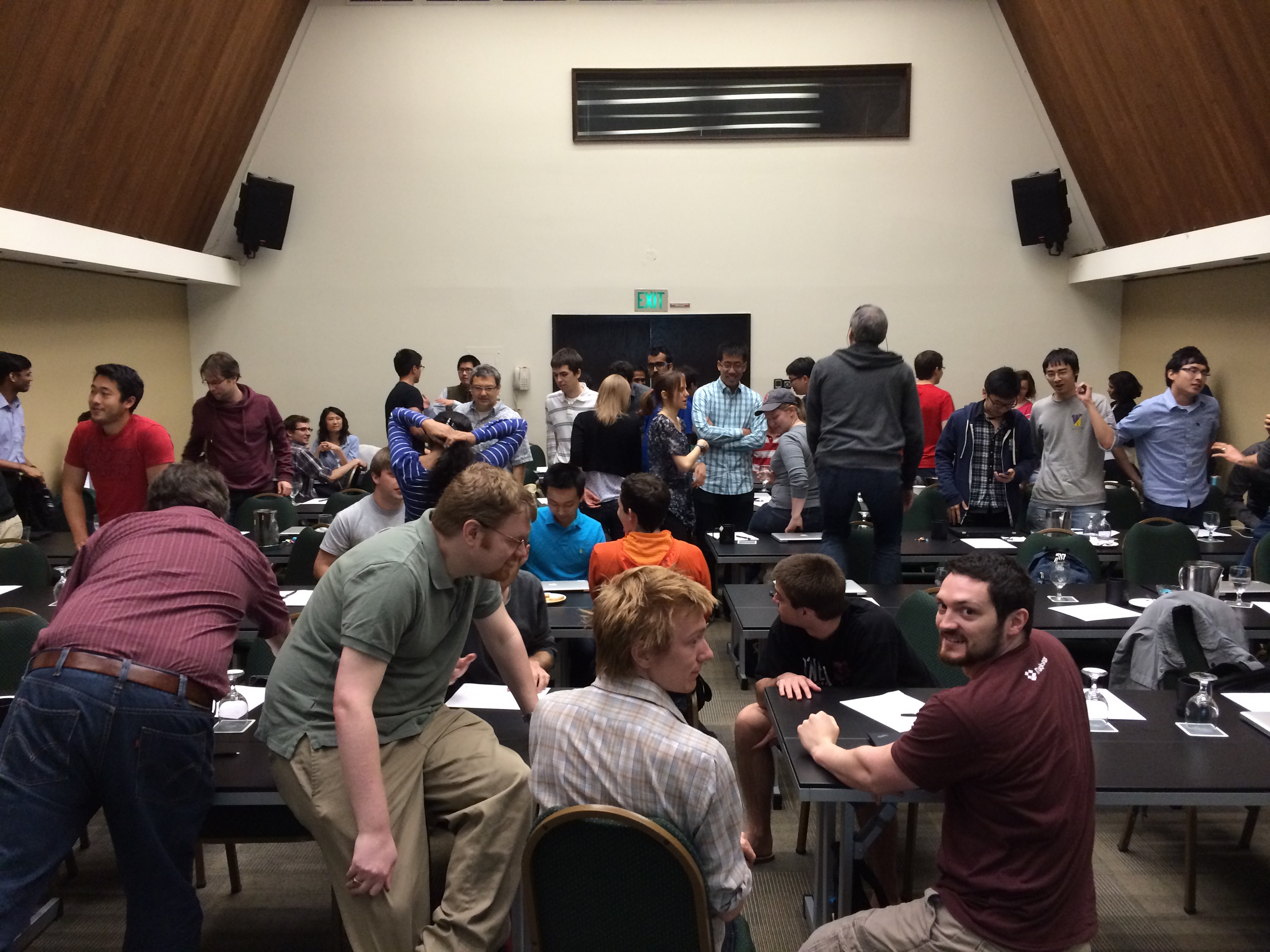
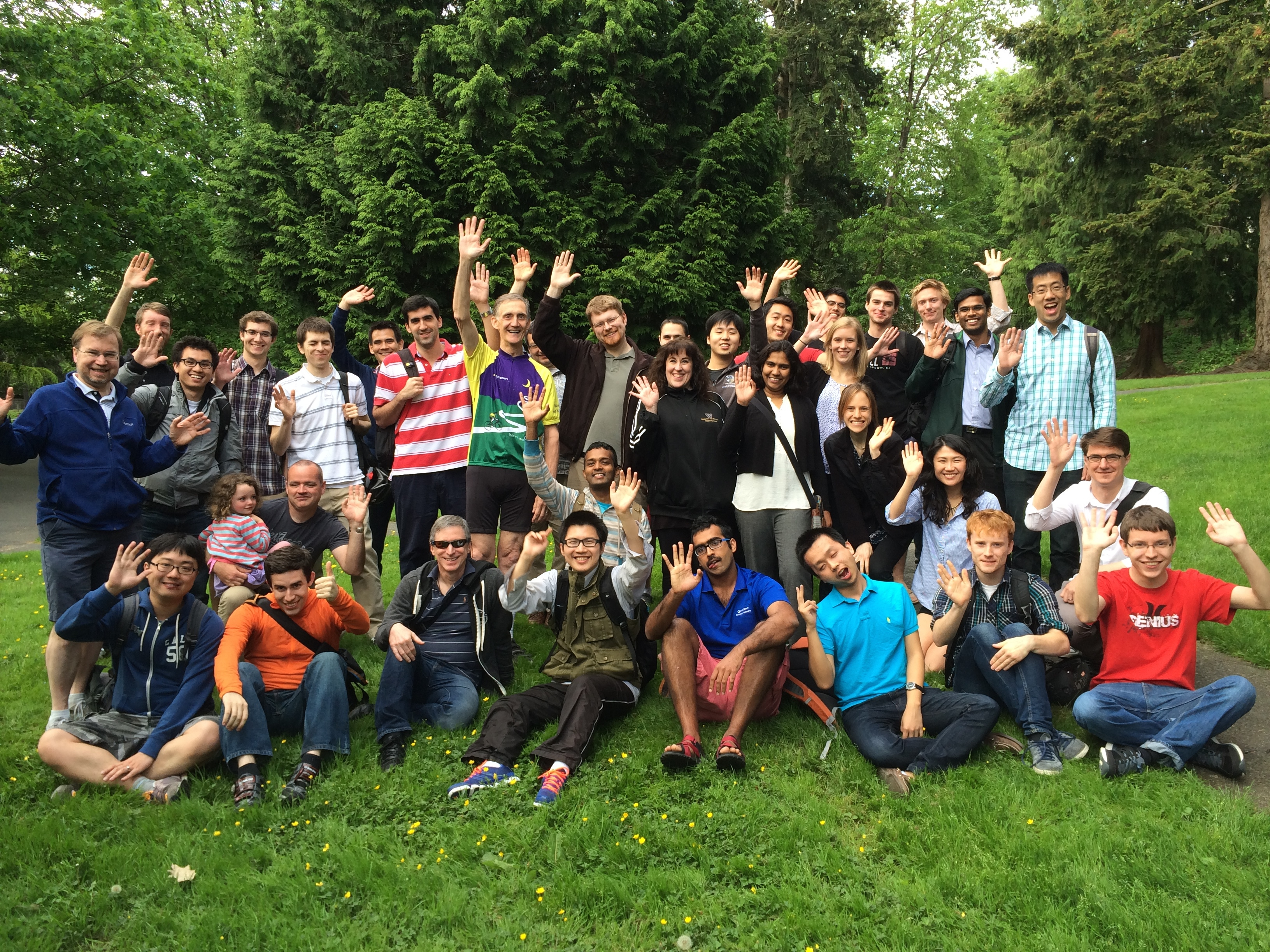 UW CSE students and faculty in systems, architecture, and networking (SANE) spent Friday at a research retreat at the Talaris conference center.
Luis Ceze organized the event, but concocted a lame excuse for missing it. (Get well soon, Luis!) Read more →
 A set of letters in Friday’s New York Times were prompted by last Sunday’s article “Reading, Writing, Arithmetic, and Lately, Coding.” One is from UW CSE’s Ed Lazowska:
To the Editor:
Your article provides nice exposure for the movement to expand computer science in K-12. But it does not mention several critical pieces of the argument.
Coding and computer science aren’t the same. Taught right, programming — coding — is the hands-on, inquiry-based way that students learn what we call “computational thinking”: problem analysis and decomposition, abstraction, algorithmic thinking, algorithmic expression, stepwise fault isolation (we call it “debugging”) and modeling.
In the 21st century, every student should learn to program, for three reasons. Computational thinking is an essential capability for just about everyone. Programming is an incredibly useful skill: fields from anthropology to zoology are becoming information fields, and those who can bend the power of the computer to their will have an advantage over those who can’t. Finally, the Bureau of Labor Statistics projects that 71 percent of all new jobs in STEM fields (science, technology, engineering and mathematics) during the next decade will be in computer science.
Computer science is the future. Is your child going to be ready for it?
ED LAZOWSKA
Seattle, May 11, 2014The writer holds the Bill and Melinda Gates Chair in Computer Science and Engineering at the University of Washington.
Read this and the other letters here.
And check out some slides with astonishing data on the growth of computer science enrollment at colleges and universities nationwide here. Read more →
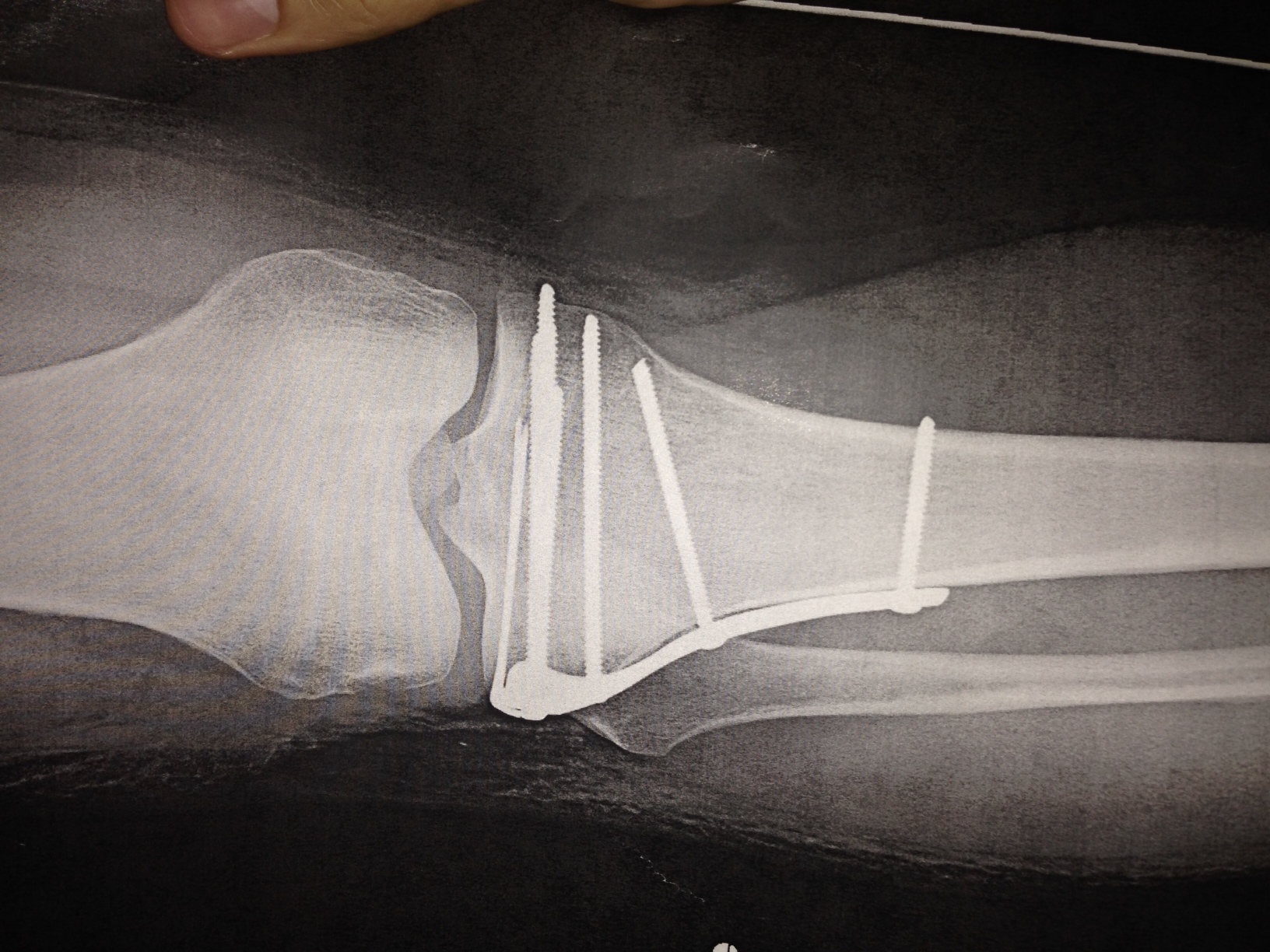 UW CSE professor Luis Ceze recently participated in a traditional hazing ritual for junior faculty: a trip across Lake Washington to Kirkland on CSE department chair Hank Levy’s boat.
Thanks to Dr. Paul Barei, UW Orthopaedics, Luis should be ambulatory again within a few weeks.
We echo Hank’s exhortation to all new members of the UW CSE faculty: “Break a leg, baby!” Read more →
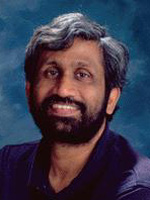 1994 UW CSE Ph.D. alum Chandu Thekkath has been named Managing Director of Microsoft Research India.
Chandu is currently Director/Principal Researcher at MSR Silicon Valley in Mountain View, California. He is well known in the research community for his work in operating systems, networks, distributed systems, and computer architecture. He has contributed to key technology transfers between MSR and Microsoft product groups such as the Hotmail team. He has also played many management roles in MSR. He is also a familiar face to MSRI, visiting frequently from the early days of the lab, helping to see it blossom. He starts in India on Aug 1.
Learn more about Chandu here. Read more →
 The University of Washington is receiving a $31.2 million gift from the Washington Research Foundation to support four interdisciplinary initiatives that seek to advance global innovation in clean energy, protein design, big data science and neuroengineering.
The largest award, $9.3 million, is to the University of Washington eScience Institute, committed to UW’s leadership in data science – both in advancing the methodologies, and in putting these advances to work in a broad range of fields.
The eScience Institute is a campus-wide effort. The WRF proposal team included Cecilia Aragon (Human Centered Design & Engineering), Ginger Armbrust (Oceanography), Magda Balazinska (CSE), Andrew Connolly (Astronomy), Tom Daniel (Biology), Emily Fox (Statistics), Carlos Guestrin (CSE), Jeff Heer (CSE), Bill Howe (CSE and Associate Director of the eScience Institute), Ed Lazowska (CSE and Director of the eScience Institute), Randy LeVeque (Applied Mathematics), Tyler McCormick (Sociology and Statistics), and Bill Noble (Genome Sciences).
WRF’s support provides important amplification to a $37.8 million Data Science Environments award to UW, Berkeley, and NYU from the Gordon and Betty Moore Foundation and the Alfred P. Sloan Foundation, a $2.8 million IGERT award from the National Science Foundation to create an interdisciplinary graduate program in data science, and core support from the University of Washington and the State of Washington.
WRF also is providing $7.2 million for UW’s Institute for Neuroengineering, which is closely linked to our data science efforts. Co-directors of that effort are Tom Daniel (Biology) and Adrienne Fairhall (Physiology & Biophysics). Chet Moritz (Physiology & Biophysics and Rehabilitation Medicine) and Rajesh Rao (CSE) co-chair the Executive Committee.
Thanks to WRF for this extraordinary investment!
Read the UW press release here. Read more →
 San Francisco edtech startup LearnSprout has taken in more funding – announcing a $4.2 million round that actually closed last August. Investors in the new round are prior investor Formation 8, Samsung Ventures and former Blackboard president Justin Tan.
LearnSprout’s aim is to help schools unlock the data held in their legacy Student Information Systems by offering a free big data analytics service, so educators can dig into trends in areas such as attendance, college readiness or even student health as flu season approaches. Since it launched the LearnSprout Dashboard nine months ago, the startup says it has analyzed data for more than 2,000 schools in 47 states and nine countries.
LearnSprout’s three co-founders – CEO Frank Chien, CTO Anthony Wu, and CPO Joe Woo – are all UW CSE alums, as are a number of employees.
Read about it in TechCrunch here. Read a previous CSE News post on LearnSprout in its very early days – and see more UW CSE alums on the team – here. Read more →
 San Francisco-based credit card fraud prevention company Sift Science – led by UW CSE alum Jason Tan – has raised an $18 million Series B round led by Spark Capital with participation from Union Square Ventures, Max Levchin, and First Round Capital.
Sift Science has developed a method to detect fraudulent charges as they’re happening, pairing a smart UI with machine learning. Sift Science has raised $23.6 million in total funding to date.
Read more on TechCrunch here. Read more →
Ever wonder what the Today Show’s Natalie Morales will look like when she’s 60?
We didn’t either. But the Today Show thought their viewers might, so featured UW CSE’s age progression software this morning. The software, created by Ira Kemelmacher-Schlizerman, Supasorn Suwajanakorn, and Steve Seitz, computes stunningly accurate age progression images from a single photograph.
Watch the video segment (preceded by an annoying 30-second commercial) below. Transcript on the Today Show website here. Learn more about the research here.
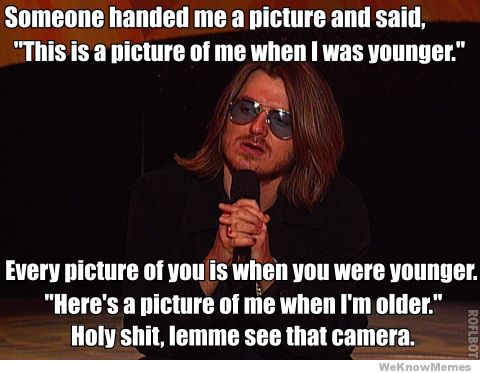
Dan Grossman points out that this software solves a long-standing challenge articulated by the late comic Mitch Hedberg:
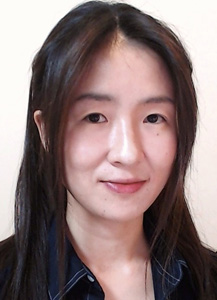 UW CSE is delighted to announce our first two hires of the 2014 faculty recruiting season.
Yejin Choi, currently Assistant Professor at SUNY Stony Brook, will be joining UW CSE this fall. Yejin is a rising star in Natural Language Processing (NLP), with a focus on studying non-literal and contextual language understanding. Her work on automatically analyzing writing style – e.g., to detect deceptive online reviews or predict the success of a novel – has gained significant academic and media attention. She is also a leader in combining NLP and computer vision – studying the automatic captioning of photographs – and was a co-recipient the 2013 David Marr Prize for this work. Yejin received her Ph.D. in Computer Science from Cornell University and her B.S. in Computer Science and Engineering from Seoul National University. (Yejin joins CSE along with Noah Smith, currently Finmeccania Associate Professor in the School of Computer Science, Language Technologies Institute, at Carnegie Mellon University and also an expert in natural language processing – more details here. The addition of Yejin and Noah to Luke Zettlemoyer and others already on campus creates a world-class NLP group at the University of Washington.) (more…) Read more →