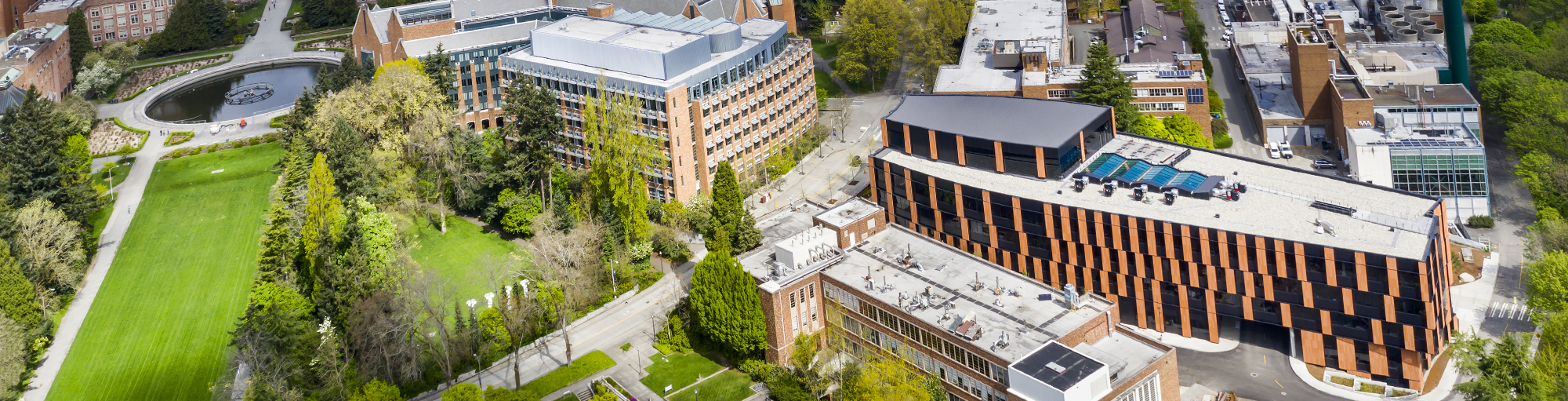
 Zoran Popovic’s research continues to go where CSE has never been before – this time, The Onion. Read more →

“Gamers Succeed Where Scientists Couldn’t”
UW CSE celebrates Shwetak Patel
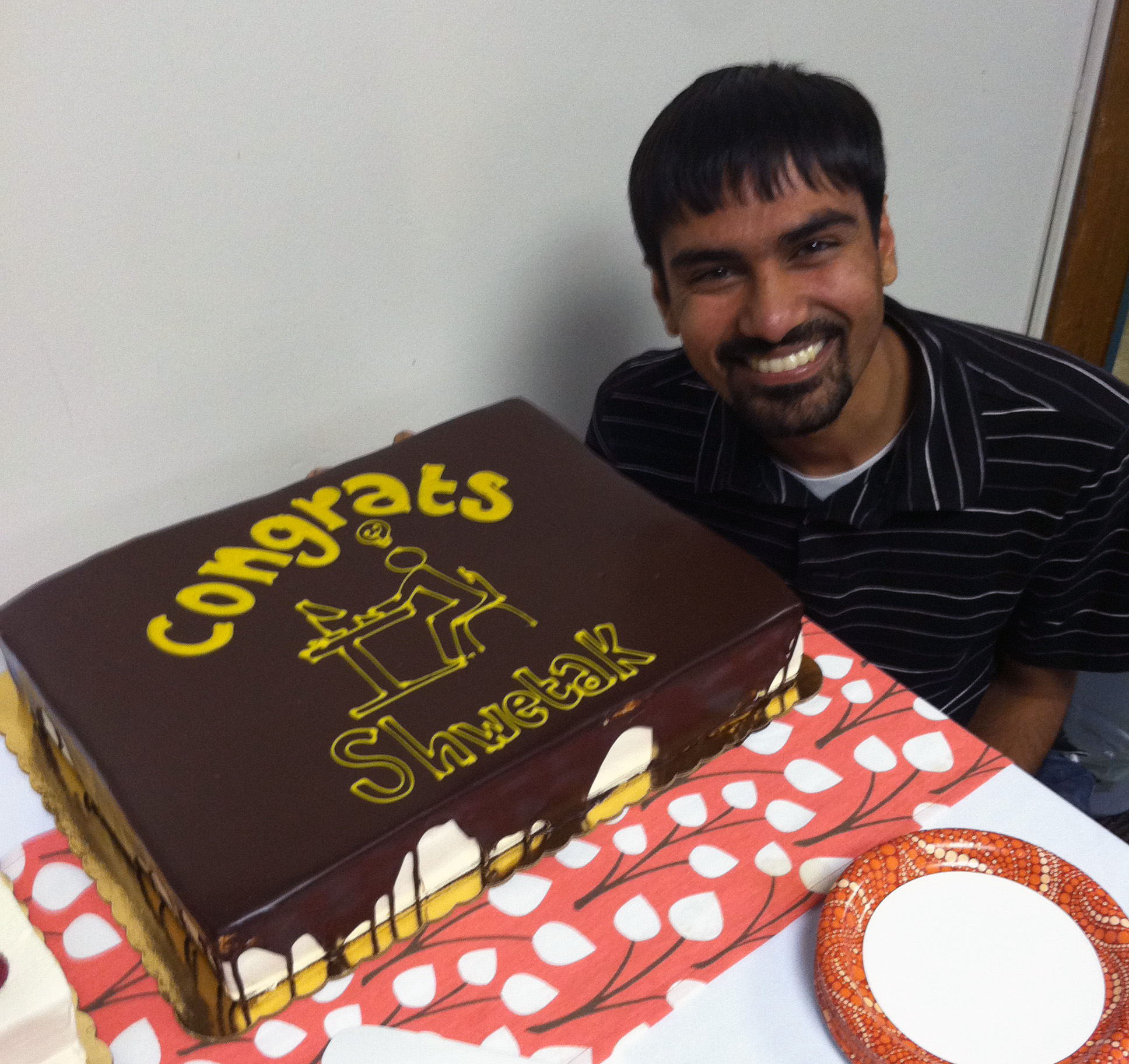 At the CSE departmental retreat today, Shwetak Patel was surprised with a mondo chocolate cake celebrating his recent MacArthur Fellowship (“Genius Award”). Once again, congratulations Shwetak! Read more →
Intel announces UW CSE – led Science and Technology Center in Pervasive Computing
 Intel today announced the establishment of the Intel Science and Technology in Pervasive Computing, led by UW CSE professor Dieter Fox and Intel senior scientist (and UW CSE Ph.D. alumnus) Anthony LaMarca.
“Improving consumers’ physical and emotional wellbeing, assisting in the coordination of busy lives and enhancing the home functionality are high-value application areas. The ISTC for pervasive computing will develop three concept applications:
- Mobile Health and Wellbeing
- Family Coordination System
- Task Space
“With the University of Washington operating as the hub, the ISTC for pervasive computing combines researchers from six U.S. research universities including Georgia Institute of Technology, Cornell University, University of Rochester, UCLA and Stanford University.:
Read the Intel press release here. See the ISTC-PC web site here. Learn about three major new UW CSE research centers here.
Press reports: GeekWire, EE Times, Xconomy, TechFlash. Read more →
CSE’s Bruce Hemingway in Meany Hall photography exhibition
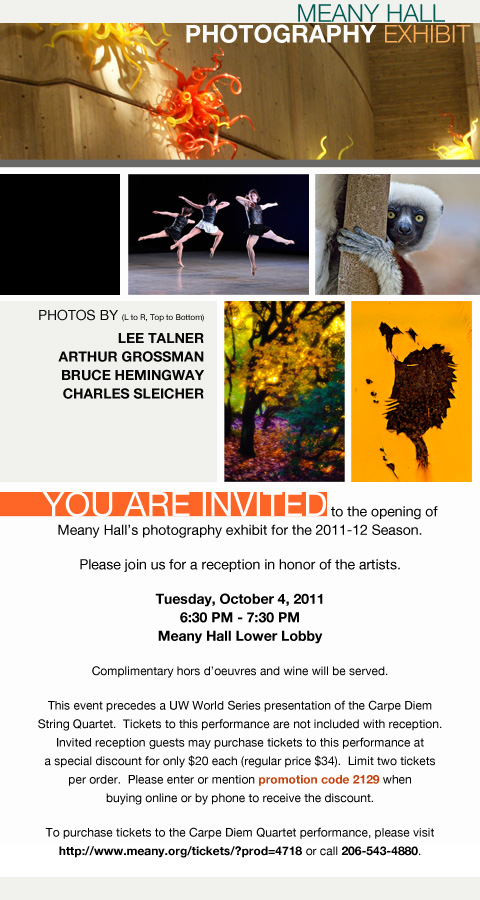 UW CSE faculty member Bruce Hemingway is one of four artists included in the 2011-12 Meany Hall photography exhibit. A reception in honor of the artists will be held on October 4 from 6:30-7:30 in the Meany Hall lower lobby.
See the announcement for the exhibit here. See Bruce’s included photographs here. See Bruce’s wonderful photographs of CSE events over the past few years here. Read more →
Shwetak Patel in Birmingham News
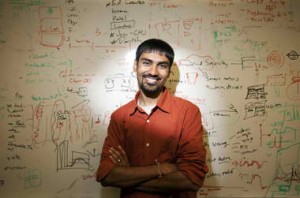 There are many dozens of news articles related to Shwetak Patel’s MacArthur Fellowship. This one, though – from his home town newspaper – is particularly nice.
“Patel, who was born in Selma and grew up in Forestdale, said he has always enjoyed tinkering with things – wood, cars, electronics, you name it. His first computer program in third grade was for a race car game.” Etc.
Read the article here. Read more →
STEM education in Washington State
 Interested in the performance of the State of Washington in STEM (Science, Technology, Engineering, and Mathematics) education at all points in the educational pipeline?
Did you know that we have the leakiest educational pipeline of any top technology state?
Did you know that nearly half of the students who successfully fulfill the prerequisites for Engineering at the University of Washington must be turned away due to a failure to invest?
Check out Ed Lazowska’s presentation to the Washington State Academy of Sciences here. Read more →
UW CSE’s Ed Lazowska testifies to House Science Committee
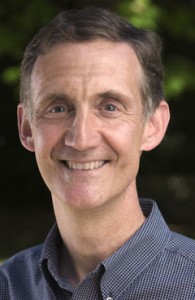 On Wednesday, UW CSE’s Ed Lazowska testified to the House Committee on Science, Space, and Technology on the subject of the Federal Networking and Information Technology Research and Development Program.
When asked to prioritize among various areas of computing research because of the pressing demands of national defense, Lazowska – in a move that CRA’s Peter Harsha characterized as “high drama” (although others were less kind) – demonstrated the power of information technology to the Committee by using his iPhone to determine that the projected cost overrun on the Navy’s latest submarine (one boat!) was equal to four years of total NSF and DARPA research expenditures in computer science.
Oral testimony (5 minutes) here. Further information here.
Read a CRA Government Affairs blog post here. Read more →
“Rome in a Day” in CACM
 The latest issue of Communications of the ACM includes UW CSE’s “Building Rome in a Day” paper – work recently demonstrated by Intel CEO Paul Otellini at the Intel Developer Conference.
From the abstract: “We present a system that can reconstruct 3D geometry from large, unorganized collections of photographs. Our experimental results demonstrate that it is possible to reconstruct city-scale image collections with more than a hundred thousand images in less than a day.” Read more →
CSE’s Zoran Popovic on CNN’s “The Big Idea”
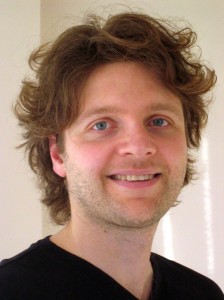 A terrific interview on CNN’s “The Big Idea” with UW CSE’s Zoran Popovic. Participants in the Foldit protein folding online game had recently solved a problem that had eluded scientists for a decade.
The GRAIL internal chatter following appearance of the video:
Zoran Popovic: “Disheveled hair and tired mumbling after staying up most of the night with a new grant proposal.”
Steve Seitz: “Great interview! Are you in a prison cell?”
Zoran: “No that’s my cleaned up office (or at least a cleaned up corner).”
Brian Curless: “Can you give an interview in my office next? It needs some spiffing up.”
Watch the interview here. Learn about UW CSE’s Center for Game Science and the Foldit game here. Read more →
“Search needs regulation like the Pacific Ocean needs global warming”
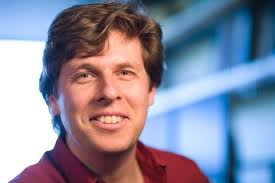 In the context of Google chairman Eric Schmidt’s Capitol Hill testimony, UW CSE’s Oren Etzioni scores the One-Liner Of The Week Award on American Public Media’s “Marketplace”:
APM’s Steve Henn: “I talked to Oren Etzioni, who founded a startup called Farecast and sold it to Microsoft and just founded a new company called Decide, which is a search engine for shopping decisions. And I kind of expected him to have a bone to pick with Google, but instead he said, you know, ‘search needs regulation like the Pacific Ocean needs global warming.'”
More here. Read more →