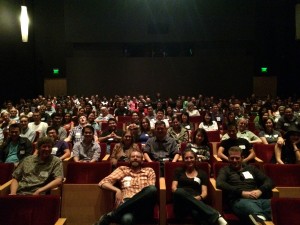

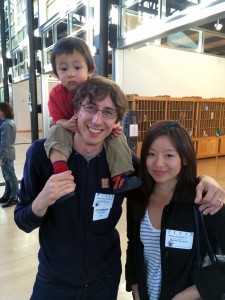
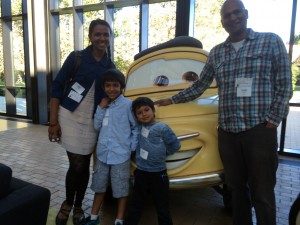
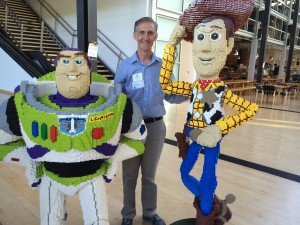

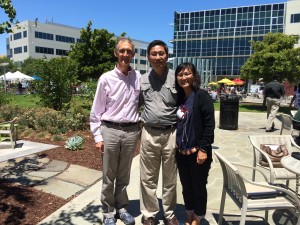
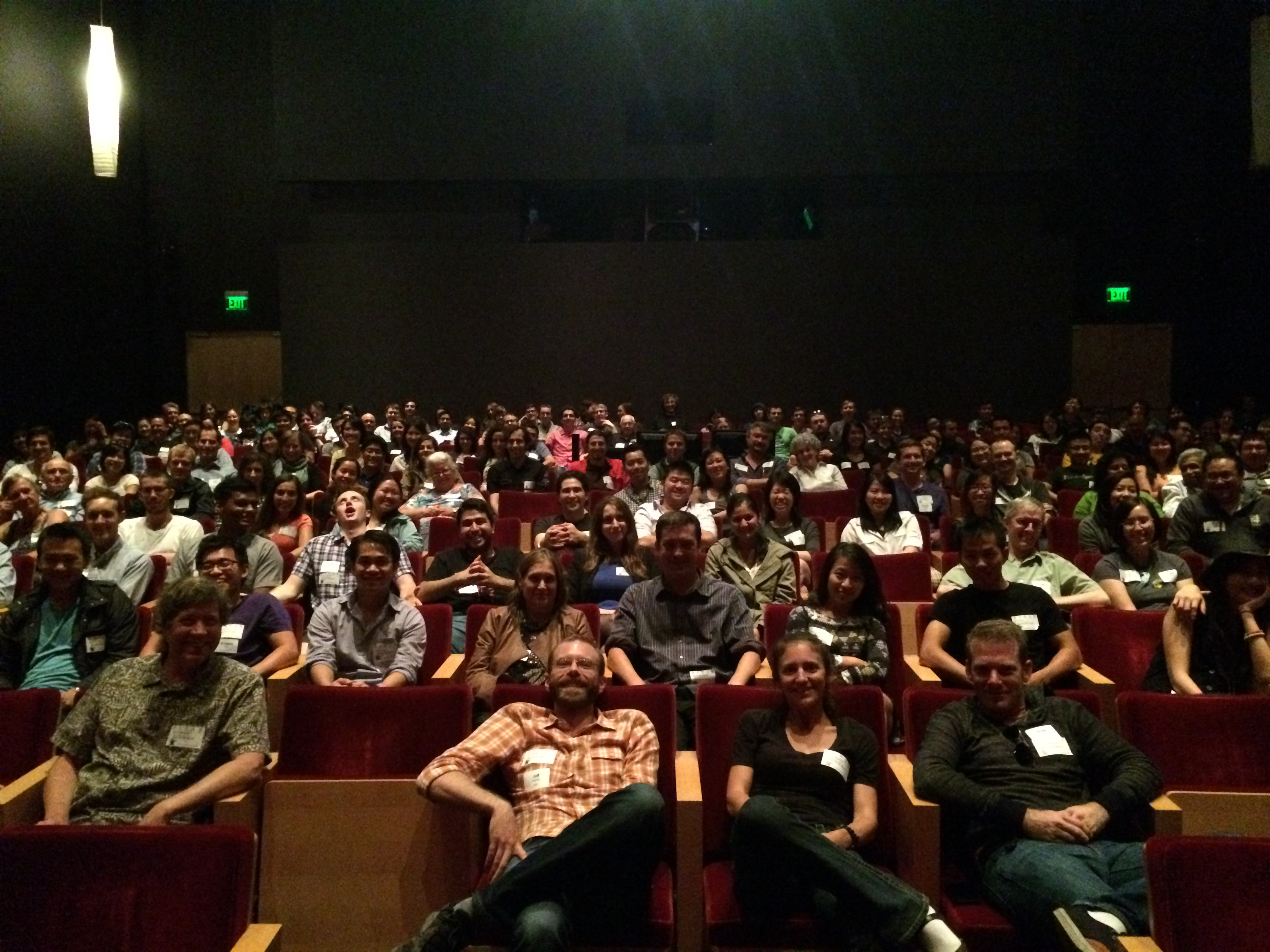
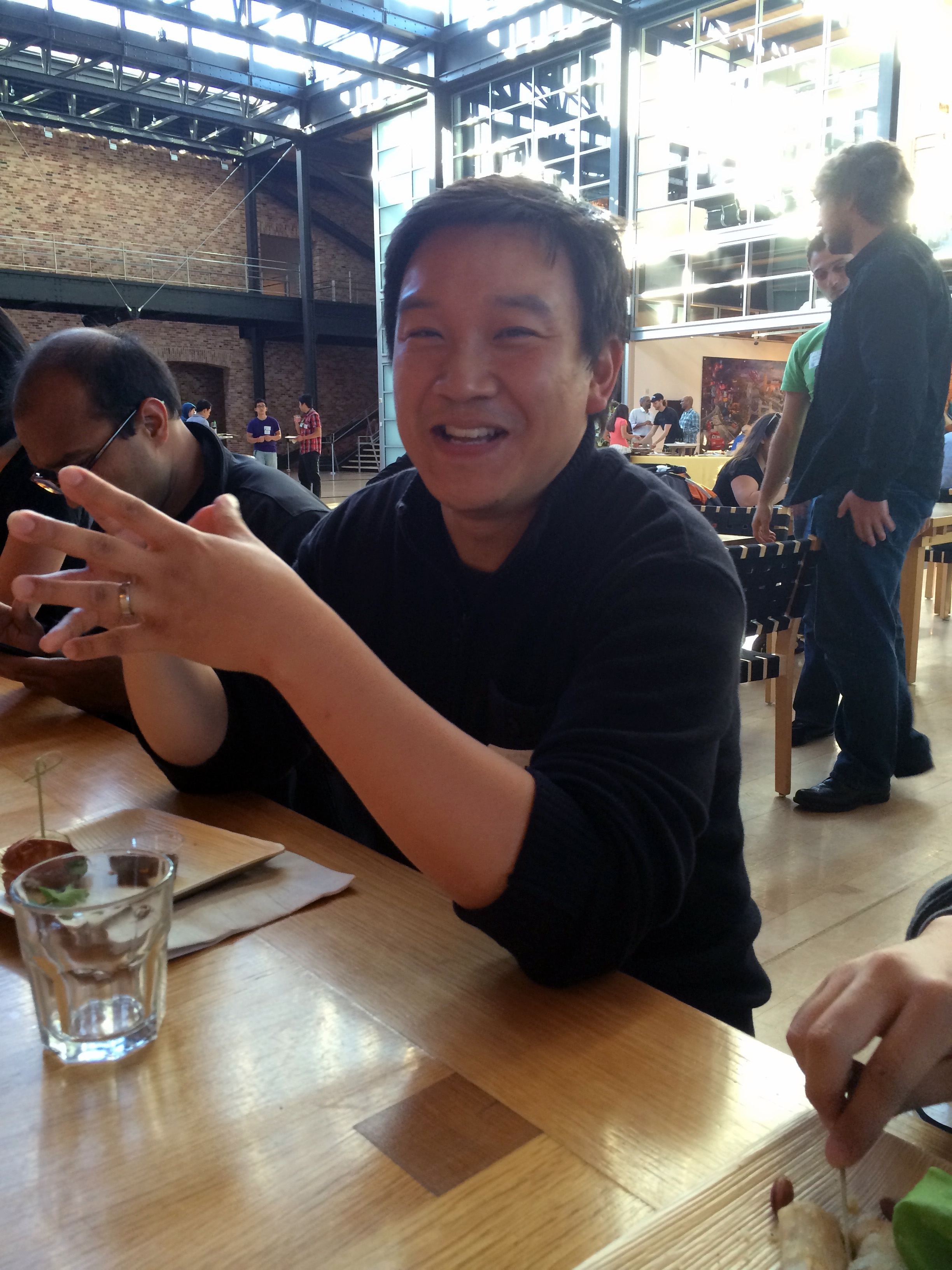
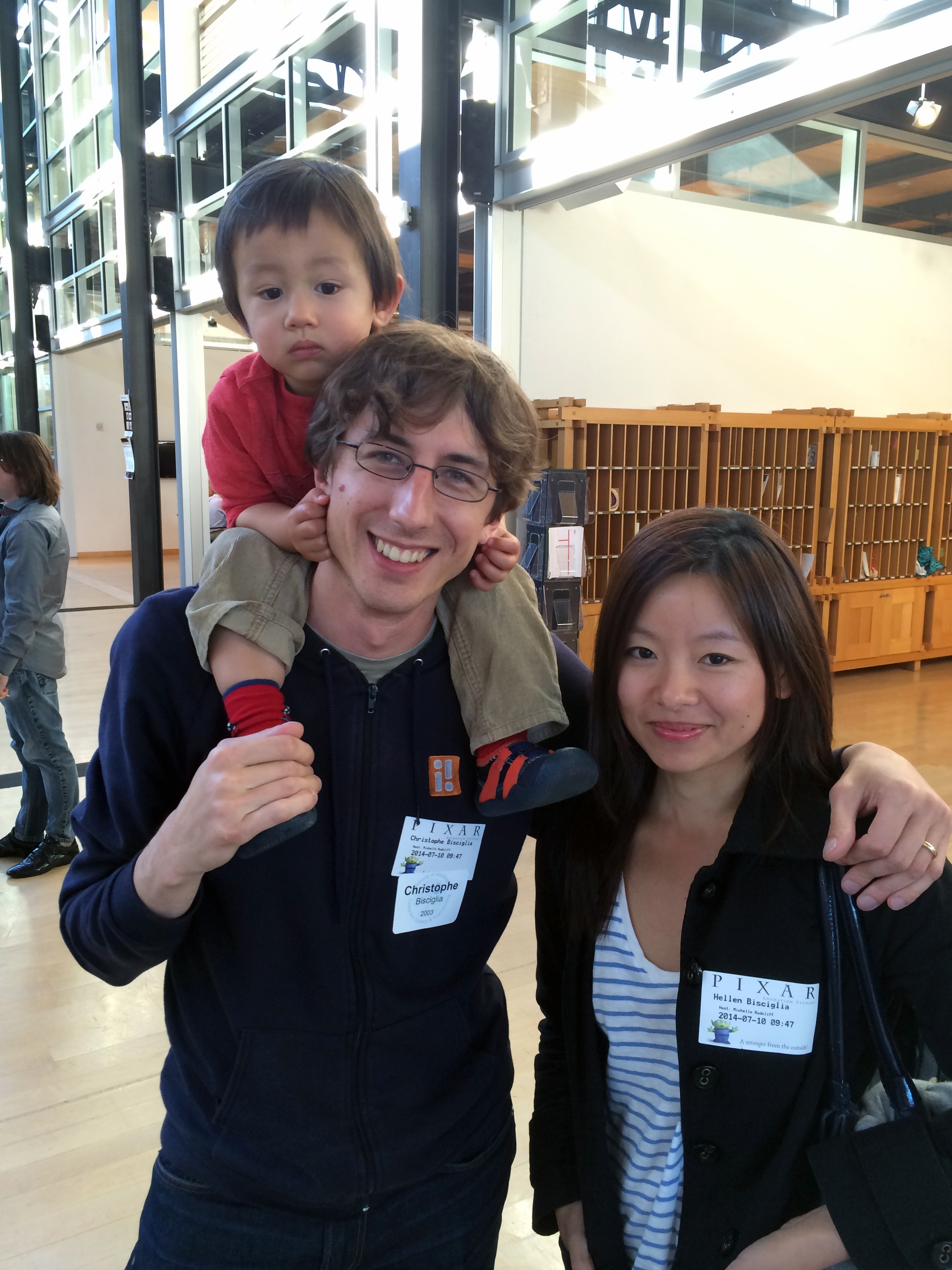
 Many thanks to Tony DeRose for hosting 250 UW CSE alums and friends – plus faculty members Ali Farhadi, Dan Grossman, Ed Lazowska, Hank Levy, and Barbara Mones, and staff members Casey Amundson, Kay Beck-Benton, Anne Fitzmaurice-Adams, Lara Littlefield, and Sergey Smirnov – at Pixar on the evening of Thursday July 10.
It was a phenomenal evening, and a great chance to reconnect!
Looking forward to next year! Read more →
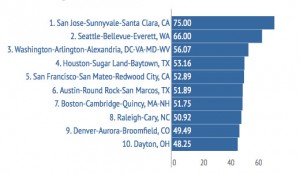
NerdWallet ranking
GeekWire reports on NerdWallet’s new ranking of best places for tech jobs – San Jose and Seattle are head-and-shoulders above the rest.

Seattle or San Jose? You make the call!
See the GeekWire post here.
Read more →
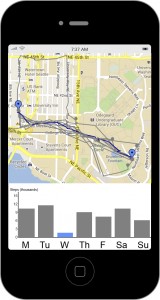 UW News describes research by CSE’s James Fogarty and his collaborators Daniel Epstein, Felicia Cordeiro, Elizabeth Bales, and Sean Munson:
“Smartphone apps can track where we eat our meals, when we commute to and from work and how many minutes we exercise each day. Ten thousand steps today? Check.
“More people are opting to use their phones as “life-logging” devices, but is the data they collect actually useful? Massive amounts of information showing your life patterns over a week, month or year are going untapped because these applications don’t have a way to interpret the data over the long term.
“University of Washington researchers have developed visual tools to help self-trackers understand their daily activity patterns over a longer period and in more detail than current life-logging programs can offer. Their study found that people generally had an easier time meeting personal fitness and activity goals when they could see their data presented in a broader, more visual way.”
Read the article here. Read the research paper here. Read more →
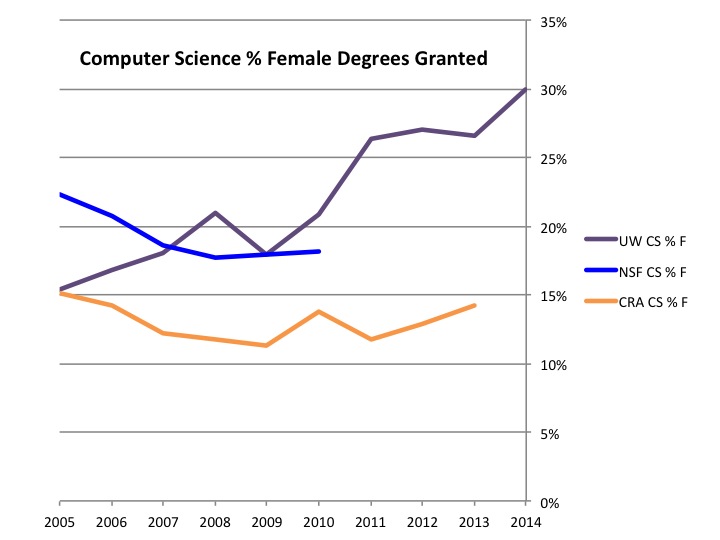 The under-representation of women in computer science is well known. UW CSE is a leader among major departments in addressing this. The chart to the right shows the proportion of Computer Science bachelors degrees granted to women by UW CSE, compared to the national average for all departments (reported by NSF), and for those departments that, like UW CSE, grant the Ph.D. (reported by the Computing Research Association).
We have a long way still to go, but focus pays off.
To learn more, read an article from Computer here. Read more →
 “Feed the Future has been piloting cutting-edge software, called the Open Data Kit (ODK), to improve its survey data collection methods, and in the process, has generated a number of lessons learned that are being integrated back into the open-source system for the benefit of future users. ODK provides a set of tools used to author, field, and manage mobile data collection. Using this new system for conducting population-based surveys (PBS) on Android 7″ tablets, the project was able to scale its scope of collection significantly. The data collection forms with ODK used almost 3300 variables, spread across 19 modules, with well over 1000 built-in edit checks.
“The project’s work with ODK is just one example of USAID’s public commitment to develop and scale innovation through strategic partnerships with the private sector. Within USAID Forward, smarter data use is placed center stage in the Agency’s efforts to increase transparency, collaboration, and impact.”
Read more here. Learn more about ODK here. Find out about ODK-related UW CSE startup Nafundi here. Read more →
 A superb commentary in the Seattle Times:
“Remaining globally competitive will require all of us to work together. We can begin by asking ourselves some challenging questions:
“Why can’t we transform our education system to prepare all kids for the global economy?
“Why can’t our region lead the country in math, science and engineering degrees?
“Why can’t the Puget Sound find new ways to stimulate research and innovation?
“Other regions are answering these questions with smart investments and innovative programs.
“Why not us?”
Read more here. Read more →
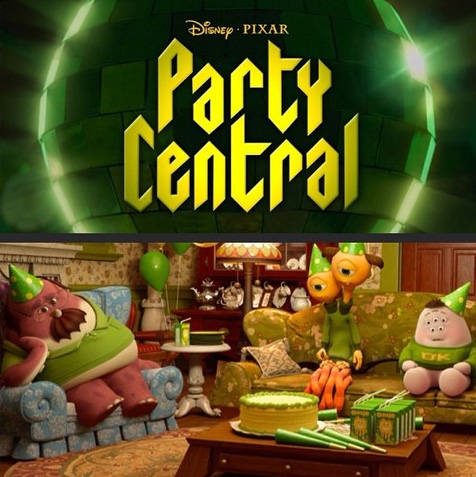 UW CSE @ Pixar, Thursday July 10 at 6 p.m.
Bay Area alums and friends of UW CSE – please join us! Registration required – register here.
- 6:00 – mix and mingle
- 6:45 – program in the Steve Jobs Theater, including a showing of “Party Central,” Pixar’s newest short
- 7:30 – tours every 15 minutes
Food, drink, and good fellowship with CSE faculty, staff, and fellow Bay Area alums and friends!
Please register and join us!
Read more →
 The Programming Language Enthusiast, a blog devoted to “developments in programming languages, and why they matter,” profiles incoming UW CSE professor Emina Torlak:
“‘I like to work on practical problems that require both theoretical insights and engineering. When looking for solutions, my guiding principles are elegance of ideas and simplicity of implementation. I am excited about developing new knowledge and tools to automate the mechanics of programming (such as searching for bugs or for code snippets that implement specific behaviors), so that people can focus their efforts on creative tasks—coming up with designs, insights, properties, and examples.'”
Read more of this terrific profile here. Read more →
 “Big data can be a nightmare. Sure, it’s powerful stuff, but as anyone who’s worked with large sets of raw data knows, they can be an epic bitch to wrangle. Cleaning things up into a consistent, usable format winds up burning an extraordinary amount of time – precious hours that could be going into something far more productive. But that may be about to change.
“The issue is known among data scientists and statisticians as data transformation. And by Jeff Heer’s estimate, it can eat up anywhere between 50% and 80% of a data wrangler’s time. The University of Washington professor and longtime data visualization specialist is now the cofounder of a startup called Trifacta, which offers a web-based platform for easily transforming data sets.
“‘We’ve been trying to address this by changing the coding exercise into a sort of visual exploration,’ says Heer about Trifacta, which runs in the browser and uses behind-the-scenes algorithms to smartly reshape data without needing to code.”
Read more in Fast Company here. Learn about Jeff’s research here. Read more →
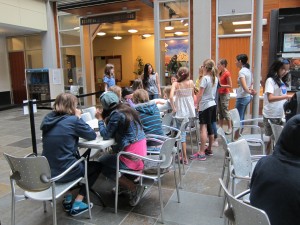 This is the first week of UW CSE’s extensive set of summer daycamps in computing for K-12 students. This summer’s camps include:
- Two introductory sessions (including this week’s) using Processing for girls entering grades 7, 8, or 9
- Two introductory sessions using Processing for girls entering grades 10, 11, or 12
- A co-ed session in Physical Computing for students entering grades 10, 11, 12, or new college freshmen
- A co-ed session in Game Programming for students entering grades 7, 8, or 9
- Co-ed advanced offerings in Web Programming for students entering grades 7, 8, or 9, and for students entering grades 10, 11, or 12
- Co-ed Scratch Adventures for students entering grades 3 and 4, and for students entering grades 5 and 6.
Learn more here! We’re full-up for this summer, but get on the mailing list for next summer’s camps here!
And learn more about DawgBytes, UW CSE’s diverse program of K-12 outreach activities, here. Read more →

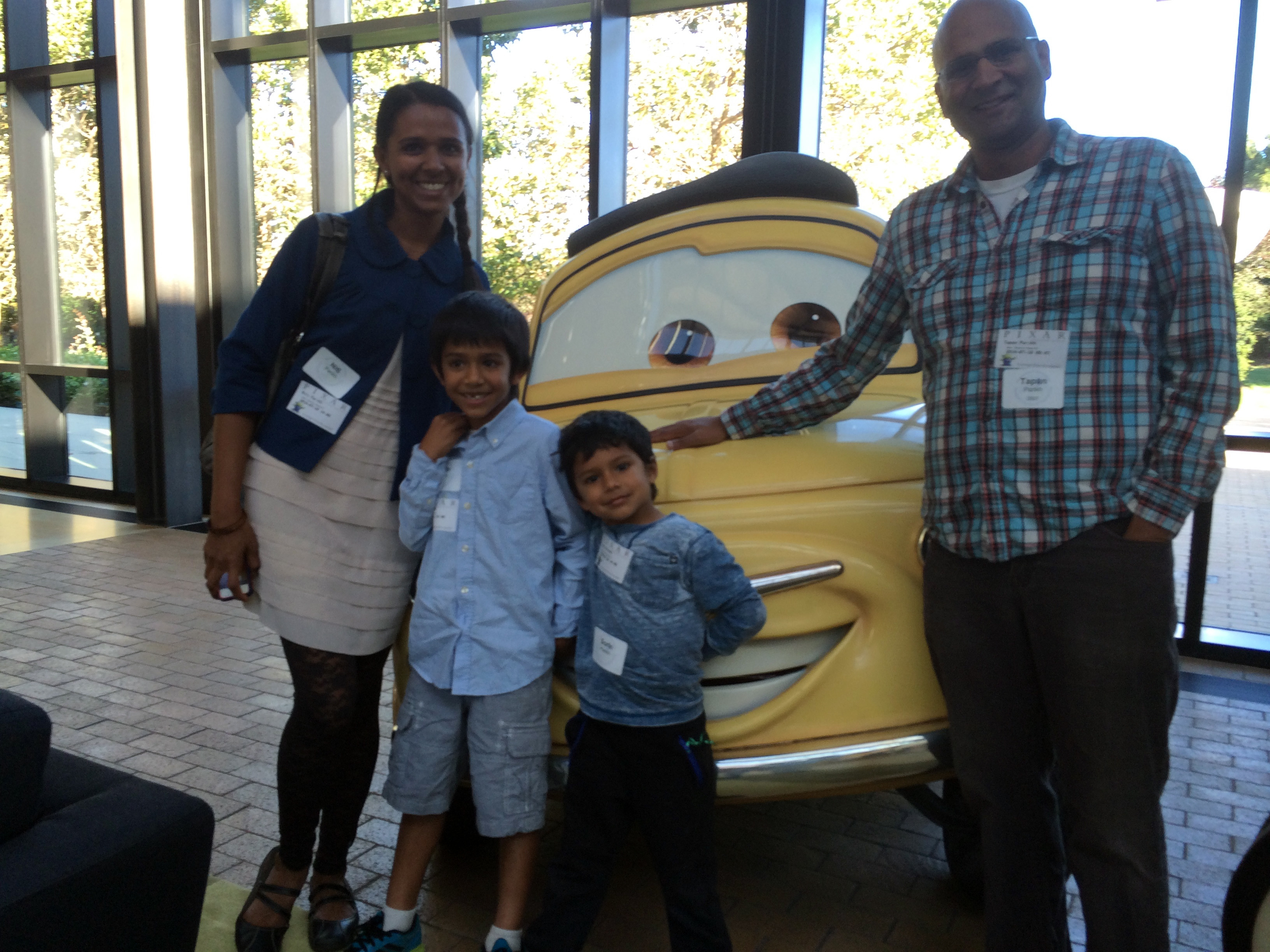
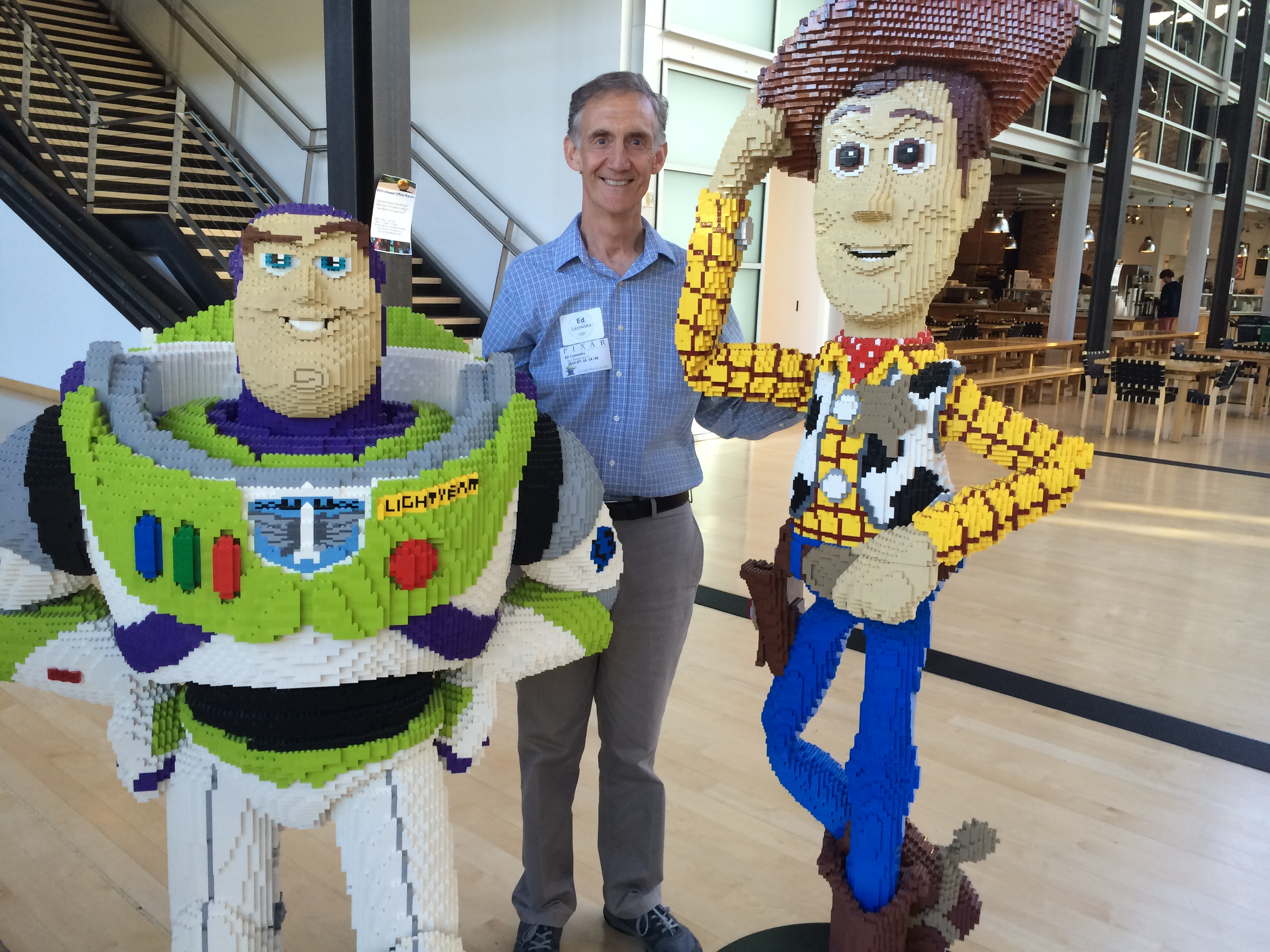
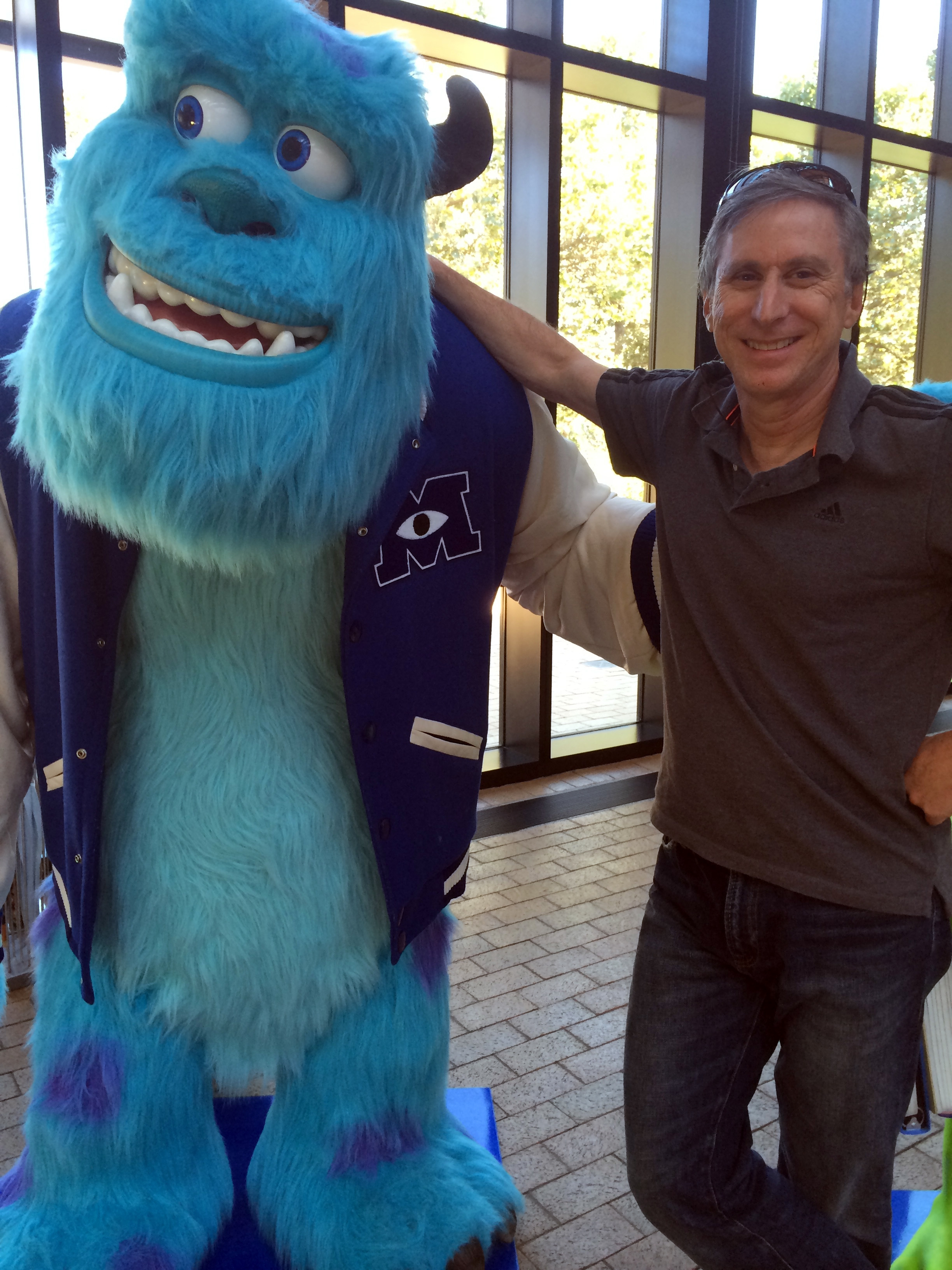
 Many thanks to Tony DeRose for hosting 250 UW CSE alums and friends – plus faculty members Ali Farhadi, Dan Grossman, Ed Lazowska, Hank Levy, and Barbara Mones, and staff members Casey Amundson, Kay Beck-Benton, Anne Fitzmaurice-Adams, Lara Littlefield, and Sergey Smirnov – at Pixar on the evening of Thursday July 10.