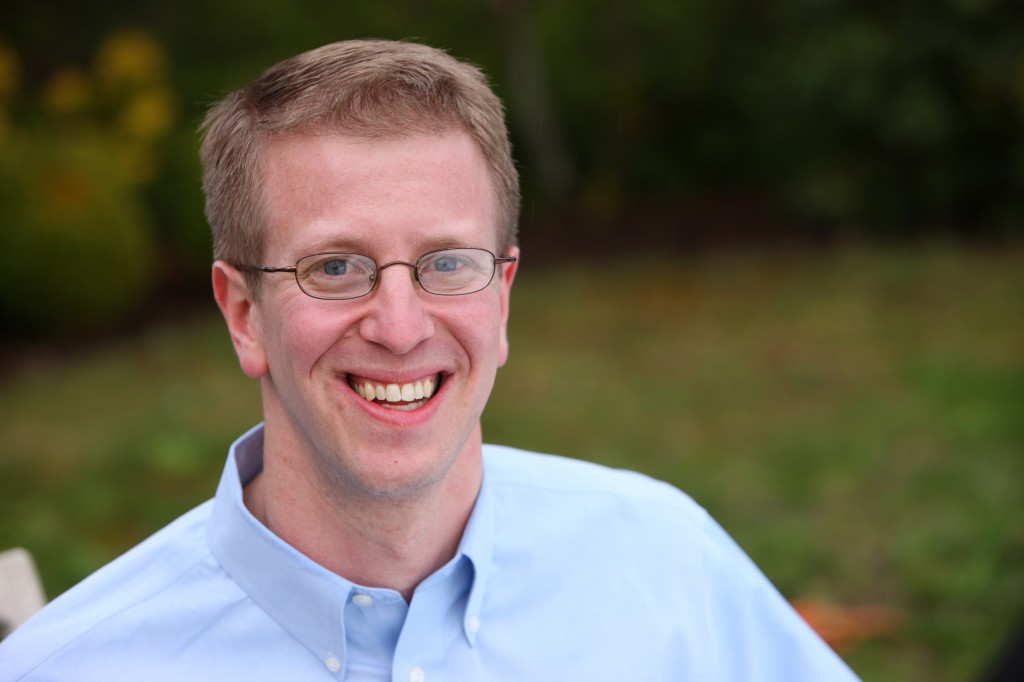
 A phenomenal essay by U.S. Representative Derek Kilmer from Washington’s 6th District:
“America must play for keeps in this increasingly competitive environment. If we’re going to have any chance at keeping up, we absolutely have to make research and development a top priority.”
Read it! It’s worth your time. It’s here. Read more →
 “Educators have been struggling for decades to resolve a fundamental problem: Students who are in the same grade because of age often vary greatly in skills, abilities and experiences, even on the first day of kindergarten.
“Teachers are told to differentiate their instruction so that each student gets what she needs — a good idea in theory, but hard to pull off in a real classroom …
“That’s the big puzzle that University of Washington computer science professor Zoran Popović hopes to solve with insights gained over the last five years of developing computer learning games that adapt to the skills of individual players so they progress more efficiently toward mastery.
“Popović directs the university’s Center for Game Science.
“He also is the founder and chief scientist at Enlearn (a contraction of “engaged learning”), a not-for-profit organization started with money from the Bill & Melinda Gates Foundation.”
Read the article here. Read more →
 Brett Helsel, a friend of UW CSE for nearly 30 years, died last week at age 54 after suffering a cardiac arrest while paddle boarding on Lake Washington.
Brett is best known for leading the engineering teams at Seattle’s F5 Networks (1998-2003) and Isilon Systems (2008-2012). His history with UW CSE, though, goes back to the late 1980s, when he was an engineer with Digital Equipment Corporation. Working with UW CSE’s Ed Lazowska, Brett arranged for DEC to donate equipment to 8 of UW’s top junior faculty members in a wide range of scientific disciplines, making it possible for them to collect their National Science Foundation Presidential Young Investigator Awards, which required an industrial match.
Brett’s memorial service will be held on July 24th at 2 p.m. at the University Presbyterian Church in Seattle’s University District.
Read about Brett in GeekWire here. Read more →
 GraphLab, a Seattle-based startup launched in 2013 by UW CSE professor Carlos Guestrin and backed by our friends at Madrona Venture Group, is releasing next week its first commercial software, called GraphLab Create.
Guestrin says that the goal of Create is to help savvy engineers or data scientists take their machine learning projects from idea to production. It includes modules for building certain types of popular workloads, including recommendation engines, graph analysis and clustering and regression algorithms.
Read more in Gigaom here. Learn about GraphLab here. Learn about Guestrin’s research program here. Read more →
 Captricity Inc., a Berkeley, CA-based SaaS firm that gives enterprise customers fast and easy access to high quality data, today announced a $10 million Series B round of financing led by Atlas Venture, with Social+Capital also participating.
Captricity was founded by Kuang Chen, whose Ph.D. research in Tanzania and Uganda revealed the need to transform paper-based documents into digital data to improve organizations’ efficiency and service. Kuang is a UW CSE Bachelors alum, and completed his Berkeley Ph.D. working with UW CSE Ph.D. alum Tapan Parikh and fellow Berkeley faculty member Joe Hellerstein.
Read more here. Learn about Captricity here. Read more →
 Most of the intellectual excitement in STEM is in Computer Science.
Most of the jobs in STEM are in Computer Science.
Most of the student interest in STEM is in Computer Science.
Unfortunately, the chemists, physicists, biologists, and astronomers are partial to the STEM status quo of 100 years ago. But today, thanks to the U.S. House of Representatives, Computer Science is officially part of STEM. By voice vote, the House passed HR 5031, the STEM Education Act of 2014, “To define STEM education to include computer science.”
Kowabonga! Read more →
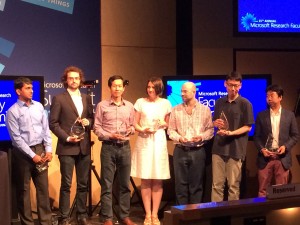 At today’s Microsoft Research Faculty Summit, UW CSE Ph.D. alum Roxana Geambasu – now a faculty member at Columbia University – was recognized along with the other recipients of 2014 Microsoft Research Faculty Fellowships.
Congratulations Roxana!
Read more →
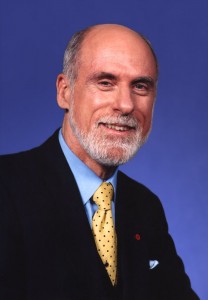 In July 17 testimony to the Senate Committee on Commerce, Science, and Transportation, Google’s Vint Cerf states:
- Basic and applied research go hand-in-hand, informing and stimulating each other in a never-ending Yin and Yang of partnership.
- Research takes time.
- It’s risky – there are no guarantees.
- Failure is the handmaiden of wisdom in the scientific world: when we make predictions or build systems based on our theoretical models, we must be prepared for and learn from our failures.
- Computers, computation, networking and information sharing have become essential parts of the research landscape.
- Computer science should be treated on a par with biology, chemistry, physics and mathematics in K-12 and undergraduate curricula.
- Vannever Bush got it exactly right in his landmark report: Science, The Endless Frontier. Science is an endless frontier. The more we learn, the more we know we don’t know, and the more we must dedicate ourselves to learning and knowing more.
Read Vint’s full testimony here. Read more →
 UW CSE professor Pedro Domingos has just been named as the recipient of the KDD 2014 Innovation Award, the highest award for technical excellence in the field of data mining and data science.
Pedro was recognized “for his foundational research in data stream analysis, cost-sensitive classification, adversarial learning, and Markov logic networks.”
Pedro carried out some of the earliest research on mining data streams – his VFML toolkit is one of the best open-source resources for stream mining. Another key contribution was the MetaCost algorithm, perhaps the most widely used algorithm for cost-sensitive classification. He was a pioneer in social network mining, where he defined the influence maximization problem and proposed the first algorithms for it. Another area that he pioneered is adversarial learning – important in areas such as spam filtering, fraud detection and counter-terrorism, where the people being modeled by the learning system modify their behavior adversarially in response to the system. He also pioneered the use of machine learning methods in information integration. Most recently Pedro has led the field of statistical multi-relational learning, which is essential for a mature science of knowledge discovery; he proposed Markov logic networks as a means to unify first-order logic and probabilistic graphical models, a formalism that forms the basis of research by many different groups, and of the open-source Alchemy system.
Congratulations Pedro!
Read the KDD press release here. Read more →
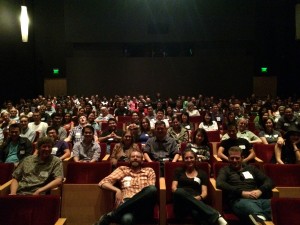

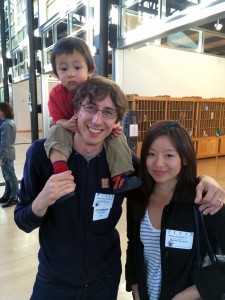
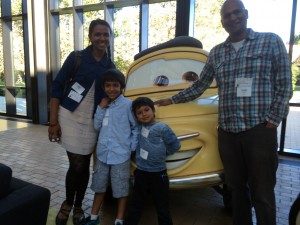
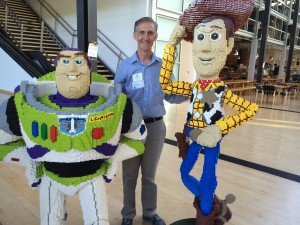

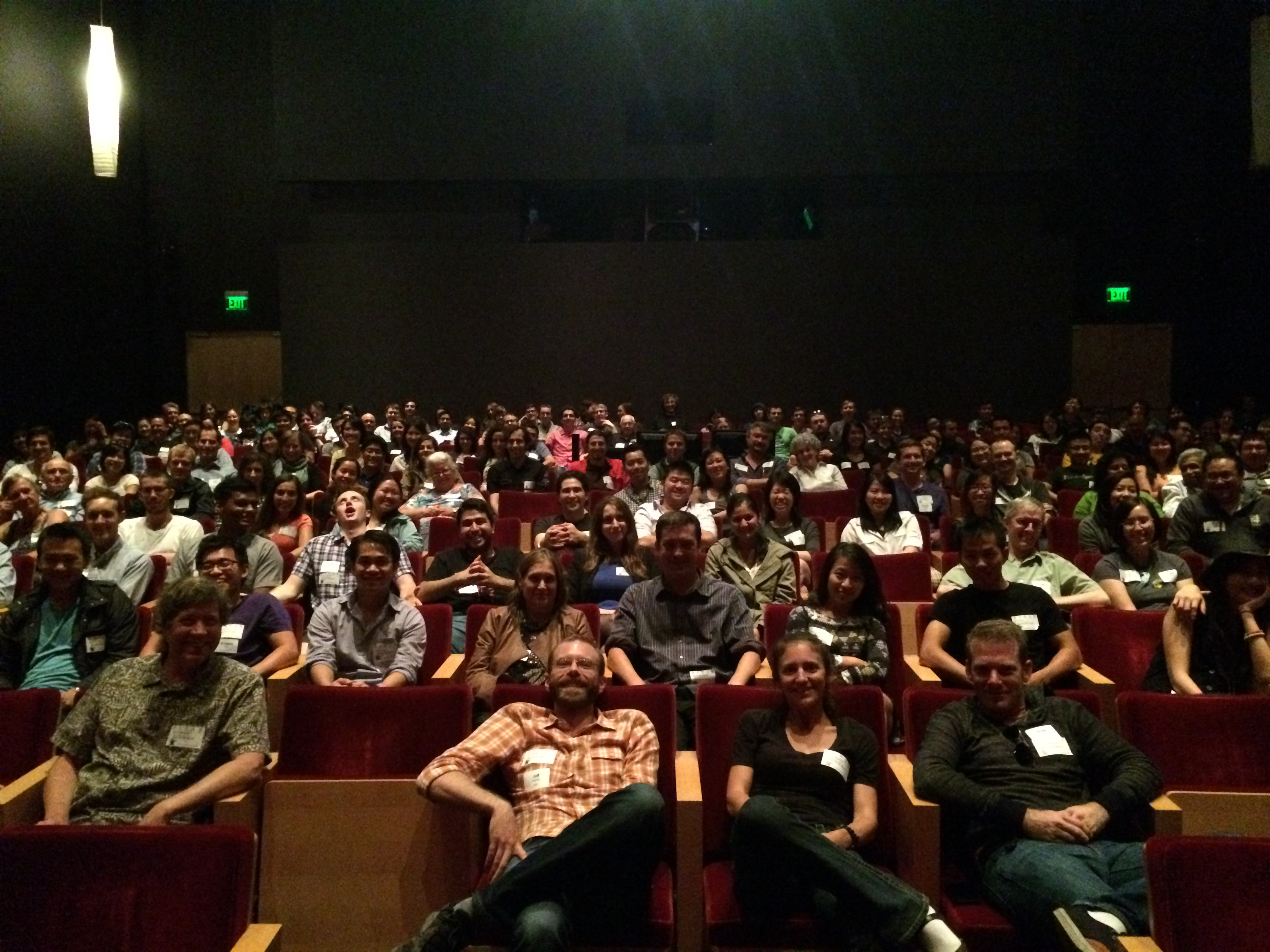
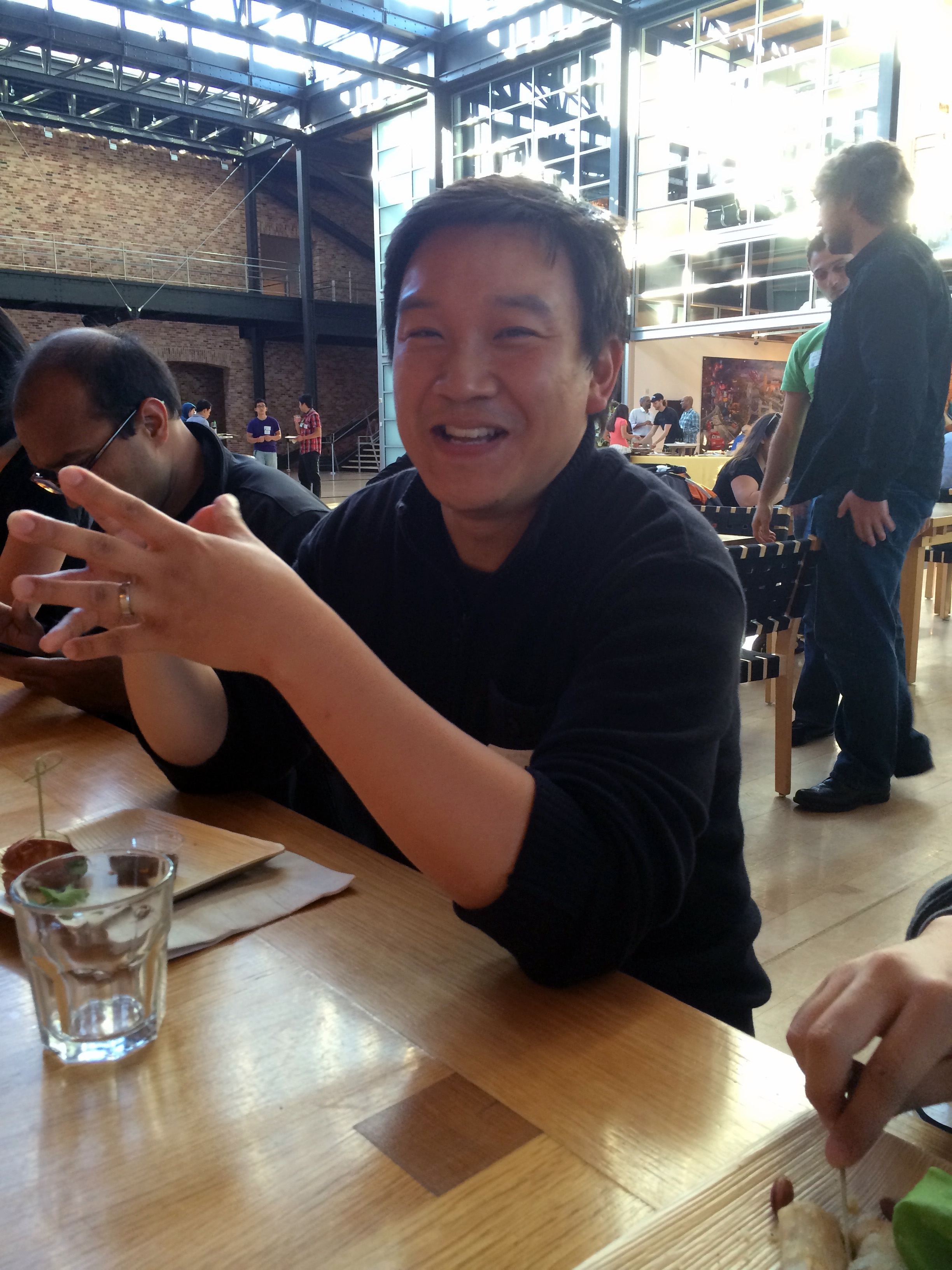
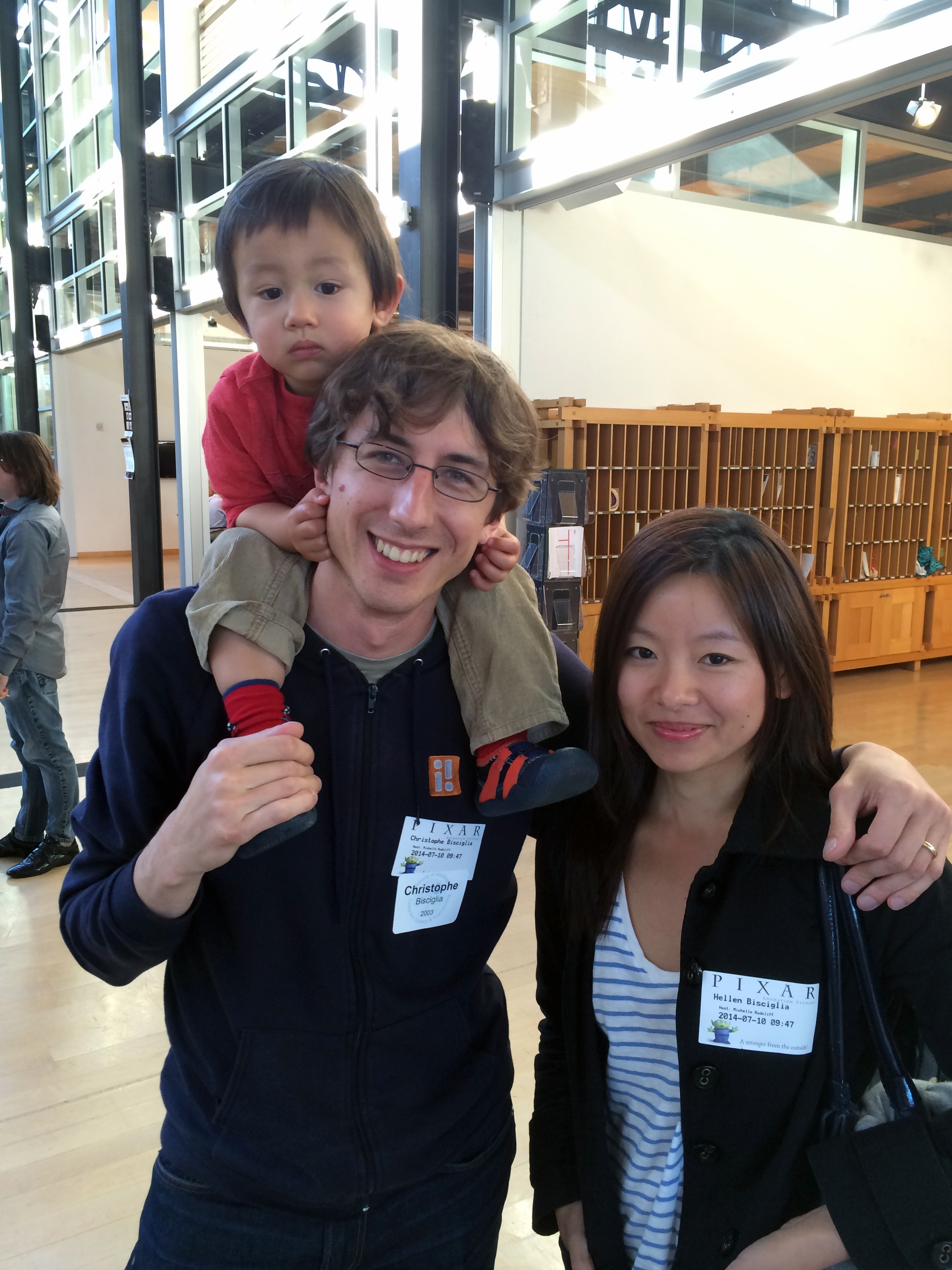
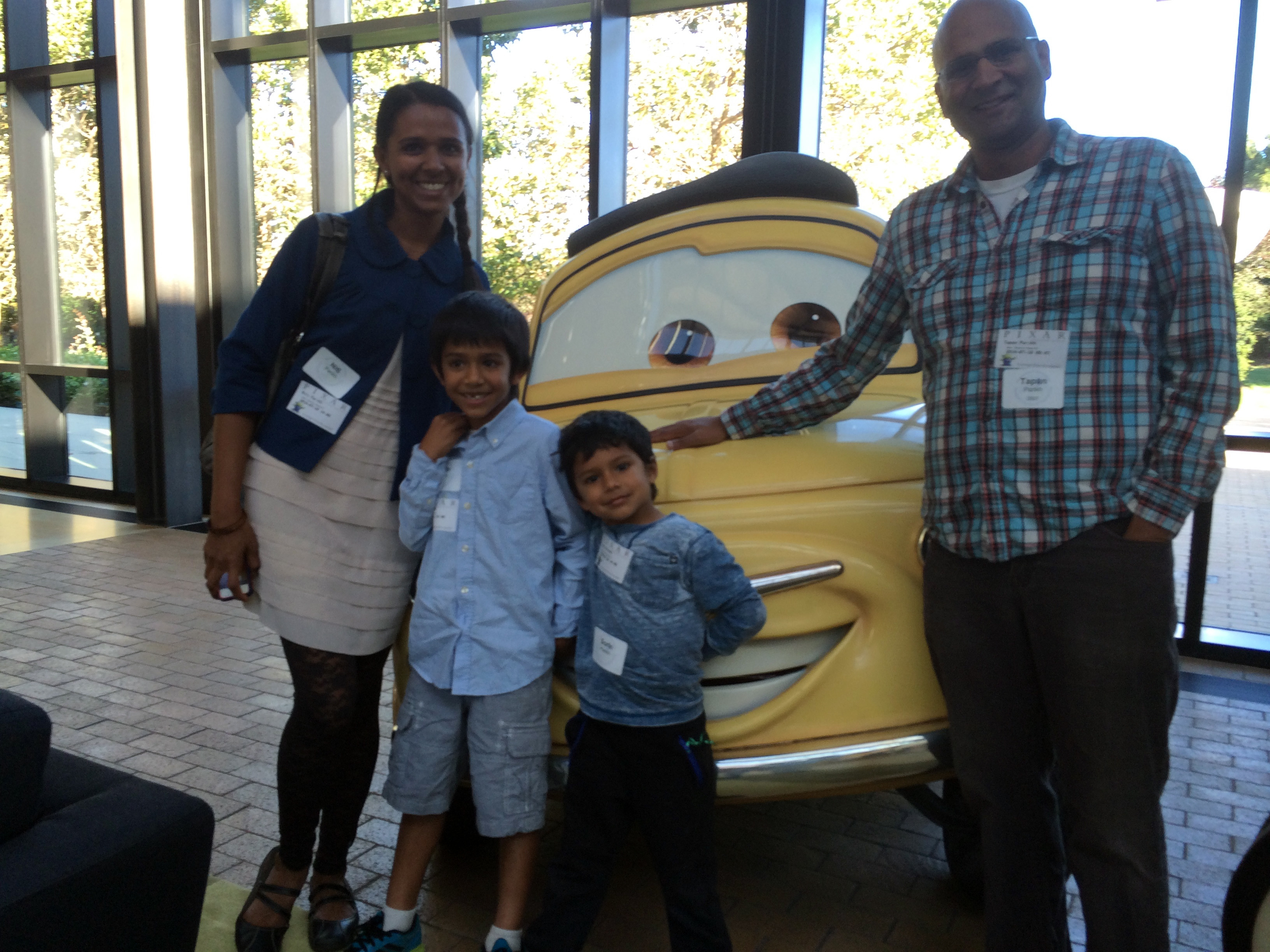
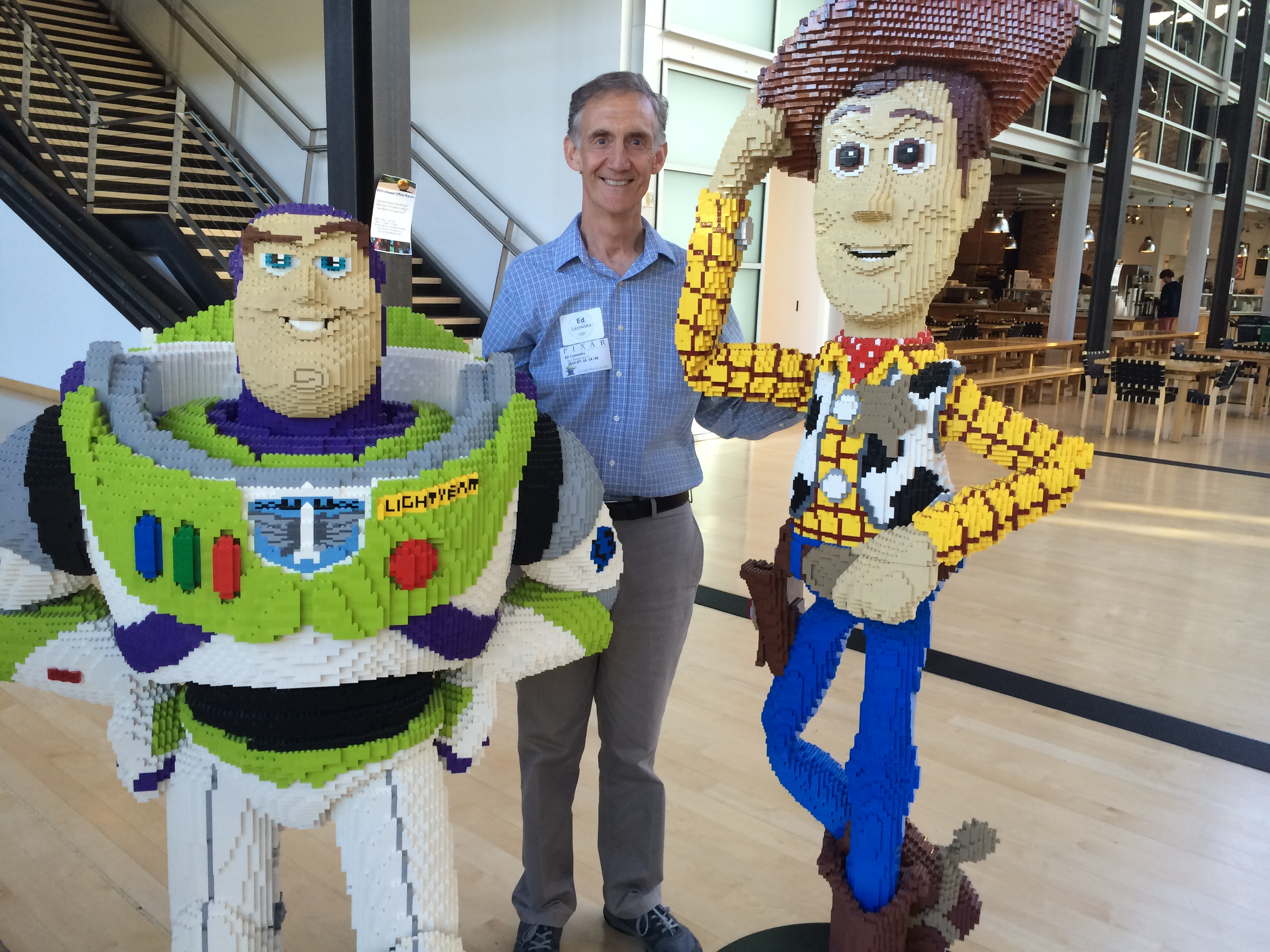
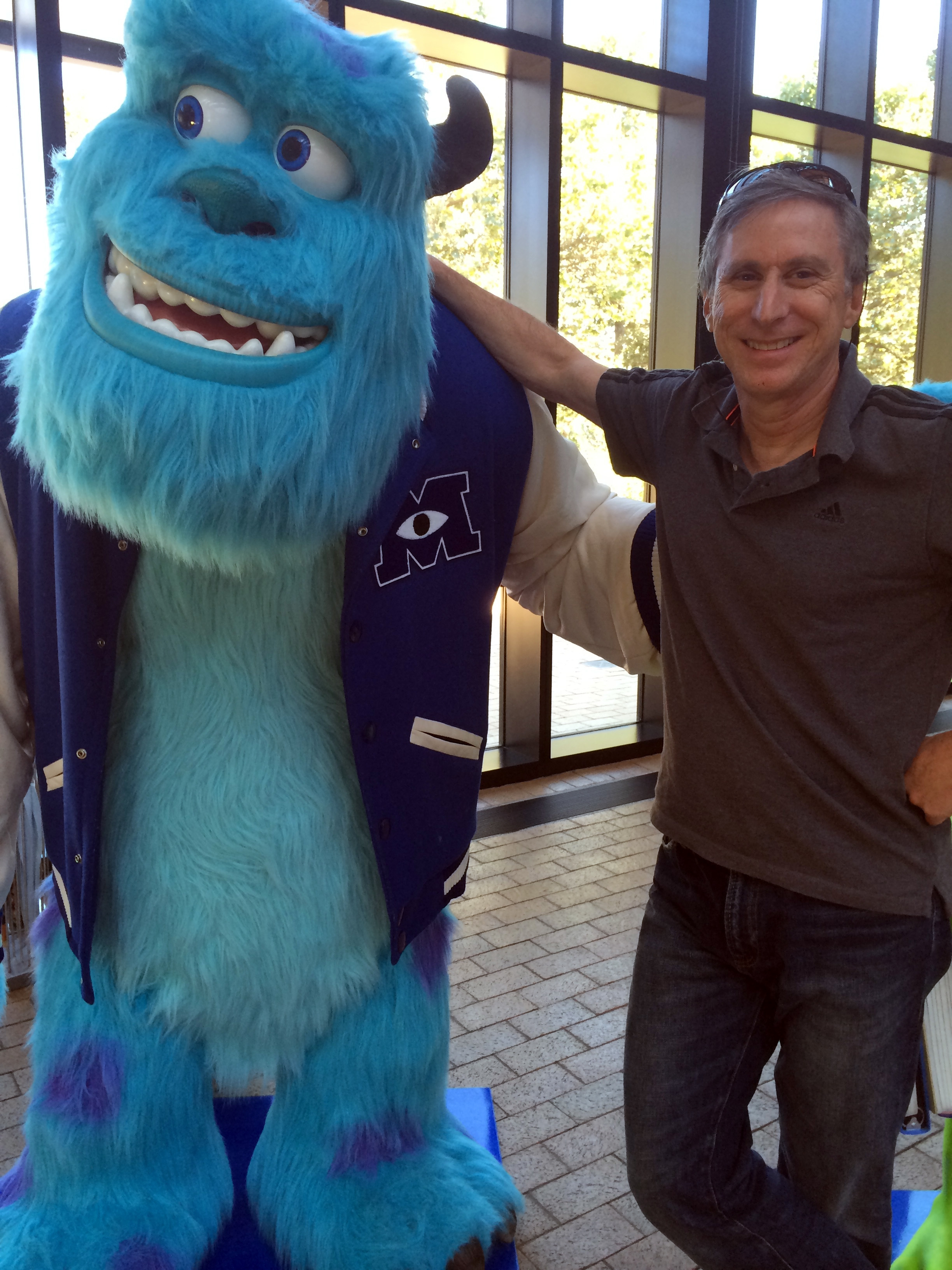
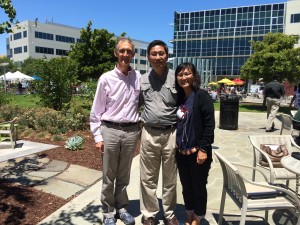 Many thanks to Tony DeRose for hosting 250 UW CSE alums and friends – plus faculty members Ali Farhadi, Dan Grossman, Ed Lazowska, Hank Levy, and Barbara Mones, and staff members Casey Amundson, Kay Beck-Benton, Anne Fitzmaurice-Adams, Lara Littlefield, and Sergey Smirnov – at Pixar on the evening of Thursday July 10.
It was a phenomenal evening, and a great chance to reconnect!
Looking forward to next year! Read more →