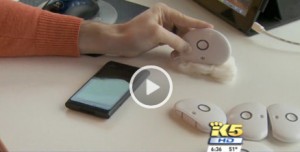
 “Whatever you call it – the Internet of Things, connected homes, smart homes – Jacquelyn Jaech knew it would become one of the big themes from the recent International Consumer Electronics Show in Las Vegas …
“Jaech and her husband, SNUPI CEO Jeremy Jaech, hope WallyHome ends up as the must-have hardware for homeowners looking to spare themselves the expensive grief of mold and water damage. The $299 kit includes six sensors that monitor moisture, humidity and temperature around the home. SNUPI (Sensor Network Utilizing Powerline Infrastructure) uses the existing wiring in homes to create a wireless network, all controlled by a hub that plugs into a standard outlet.”
Jeremy – one of Seattle’s most successful serial entrepreneurs – is a CSE alum. SNUPI’s technology comes from the lab of UW CSE and EE professor Shwetak Patel.
Watch the KING5 report here. Learn about SNUPI’s first product, Wally, here. Read more →
 From Business Insider:
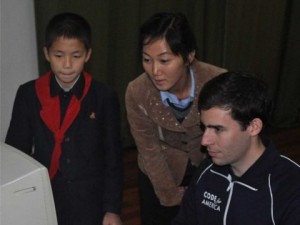
“Will Scott is a computer science graduate student at the University of Washington and ex-Googler who spent last fall in North Korea teaching courses on Operating Systems and Databases at the Pyongyang University of Science and Technology.
“Will documented much of his time spent in the DPRK via Instagram. Together with the descriptions of his adventure from his recent Reddit post, they give us a clearer picture of what life is like in North Korea.”
Read more, and check out the photographs, here. Read more →
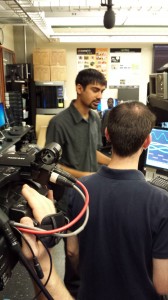 The Computing Community Consortium (CCC) is releasing the third segment in its Computing Research in Action Series. This segment features the Ubiquitous Computing (UbiComp) research lab, led by Professor Shwetak Patel, at the University of Washington. The UbiComp lab, which consists of an interdisciplinary team of students, focuses on solving interesting and socially meaningful problems using a mix of hardware and software applications. The UbiComp lab focuses on four areas of ubiquitous computing:
- Novel interaction techniques
- Sustainability sensing
- Low-power sensing
- Health sensing
In addition to Shwetak, the video features graduate students Sidhant Gupta, Gabe Cohn, Lilian de Greef, and Mayank Goel.
Read more and watch the terrific video here. Direct link to video here. Read more →
 UW CSE’s Ed Lazowska and UW Tacoma’s Rob Friedman write in the Seattle Times:
“It takes years and many dollars to build a new technical institute. It is far more effective to invest in proven, successful programs at the UW, Washington State University and Western Washington University.”
Read the letter in today’s Seattle Times here; pdf here. Read more →
 Former UW CSE faculty member Yoky Matsuoka is Vice President of Technology at Nest.
Read more here and here. Read more →
 From GeekWire:
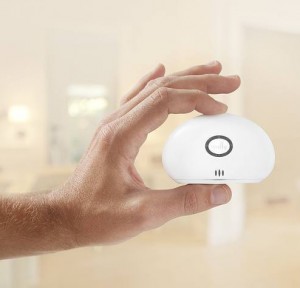
“SNUPI Technologies, the University of Washington spin out led by serial entrepreneur Jeremy Jaech, has scored $7.5 million in financing that it will use to launch a new home sensor product known as Wally. Total funding in the 2-year-old startup now stands at $9 million.
“Wally, which we wrote about last November, is a $299 device that’s designed to detect leaks and moisture in homes.”
Read more in GeekWire here.
Learn about SNUPI and Wally here. Read more →
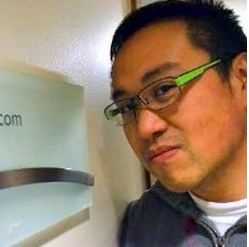 “Brian Ma likes going to networking events. But what he doesn’t particularly care for is stepping into the room and not knowing where the interesting people are located.
“‘It’s awkward, inefficient, and completely hit and miss,’ says Ma. That’s why the Decide.com co-founder started Weave, a new mobile app for iOS that allows people to connect with LinkedIn professionals who might be lingering nearby. A user can choose to anonymously say whether they want to meet them or not. If both people are interested in meeting, Weave connects them to arrange a time.
“‘Mobile has opened up realms of possibilities for connecting with interesting people,’ says Ma.”
Brian graduated from UW CSE in 2005. He went from Microsoft to Zillow to Real Property Associates, then co-founded Eggsprout followed by Decide.com. After a brief period at eBay following its acquisition of Decide.com, he had a brief stint as an angel investor and startup advisor before launching Weave.
Read more here.
Try Weave here! Read more →
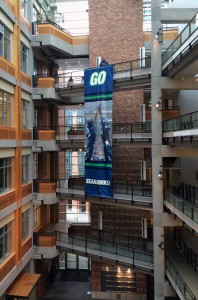 Back by popular demand in the Paul G. Allen Center for Computer Science & Engineering: the 2006 Seattle Seahawks playoff banner that Paul was kind enough to provide back then. Go Hawks! Read more →
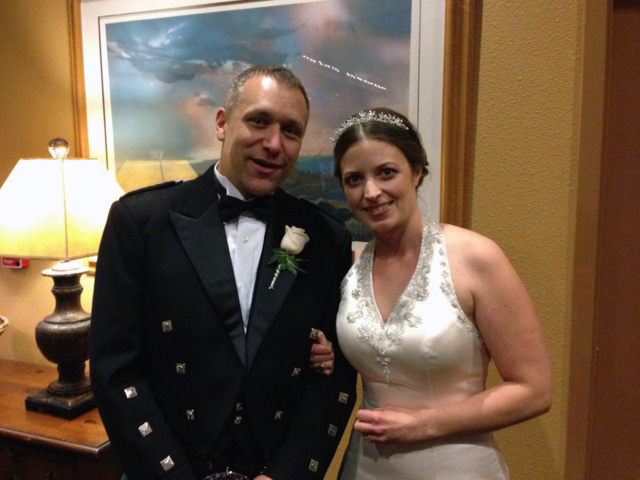
 CSE lead undergraduate advisor Crystal Eney married Bruce MacKenzie tonight with much of CSE in attendance (but only Dan Boren in a kilt). Congratulations Crystal and Bruce! Read more →
 Rajesh Rao’s research on a human-to-human brain interface is #13 on Discover Magazine‘s “100 Top Stories of 2013.” See the rundown here. Learn more about Raj’s work here. Read more →