 GeekWire reports on the apparent collapse of Gigabit Squared’s efforts to provide high-bandwidth Internet at a reasonable price to Seattle neighborhoods.
“Whether or not Gigabit Squared can pull off the project, the fundamental concept of leveraging the city’s existing fiber network is a good one, Lazowska said. He said ‘the idea of the city making its fiber available to others as an alternative to Comcast and CenturyLink is excellent. There shouldn’t be any debate about that. We have terrible Internet service in Seattle — high price, low bandwidth, limited choices.”
Read more here. Read more →
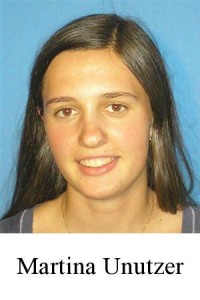 UW CSE undergraduate Martina Unutzer has received an Honorable Mention in the 2014 Computing Research Association Outstanding Undergraduate Researcher Award competition, which recognizes undergraduate students in North American colleges and universities who show outstanding research potential in an area of computing research.
Martina’s research, with UW CSE professor Magda Balazinska and UW Astronomy research scientist Ben Williams, has completely transformed the way our astronomy colleagues handle artifacts (due to cosmic rays) in their databases of stars. Magda writes: “I would meet with her not to advise her on what to do but to get up to speed on what she had already done! This is a degree of autonomy that one dreams about in graduate students!”
Engagement in research is a hallmark of UW CSE’s undergraduate program: as of last year, CRA had recognized more students from UW CSE in the past decade than from any other university.
Congratulations to Martina, and to all of our outstanding undergraduates! Read more →
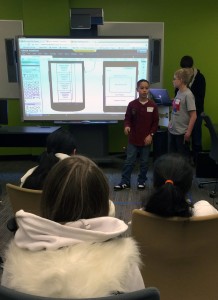
Participants in the Technology Alliance’s “STEM Challenge” present their apps.
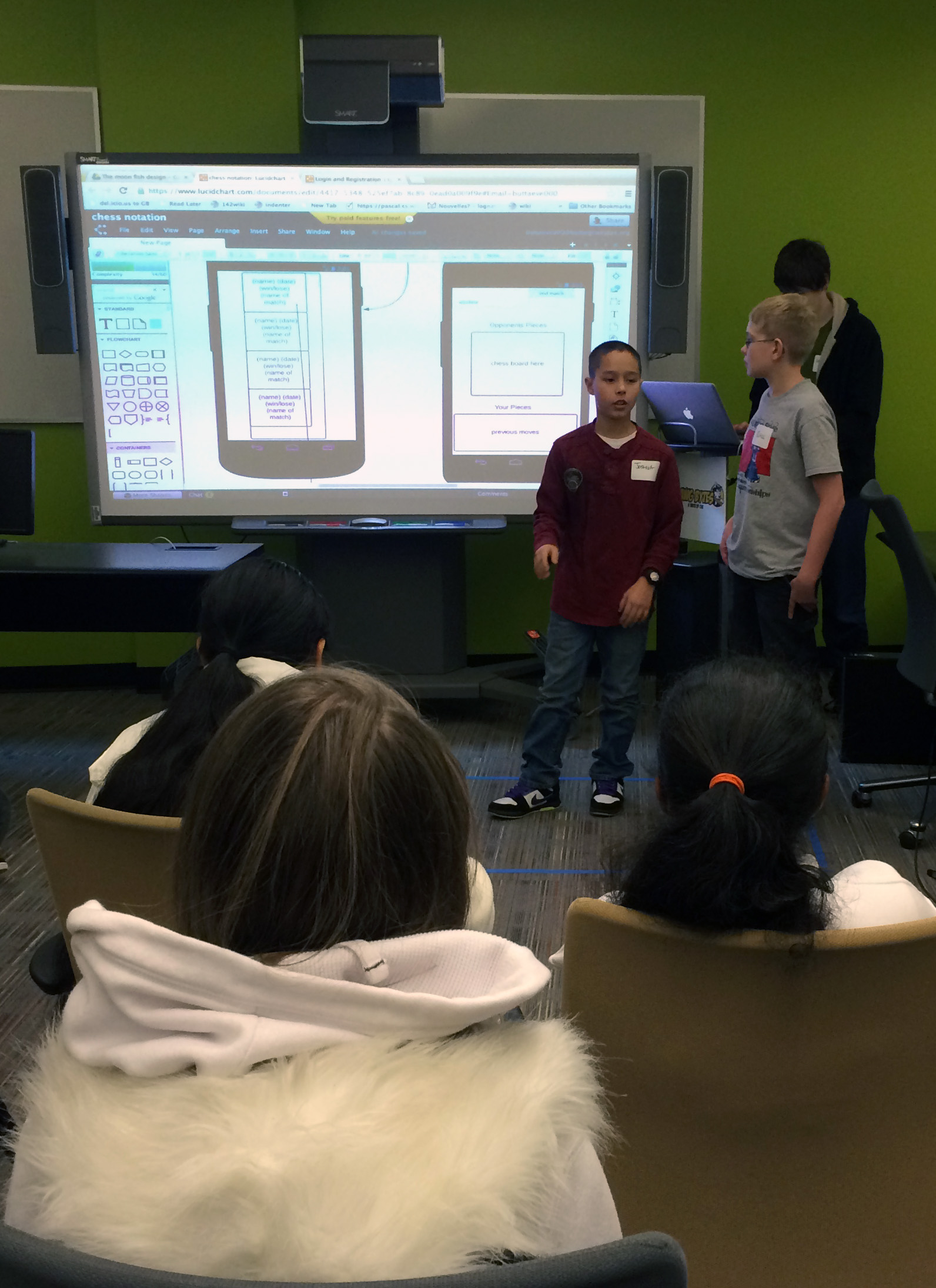
Middle school and high school students from the Battleground School District participate in Computer Science Education Week activities at UW CSE.
Learn more about UW CSE’s K-12 outreach umbrella, DawgBytes (“A Taste of CSE”), here.
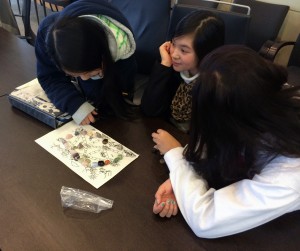
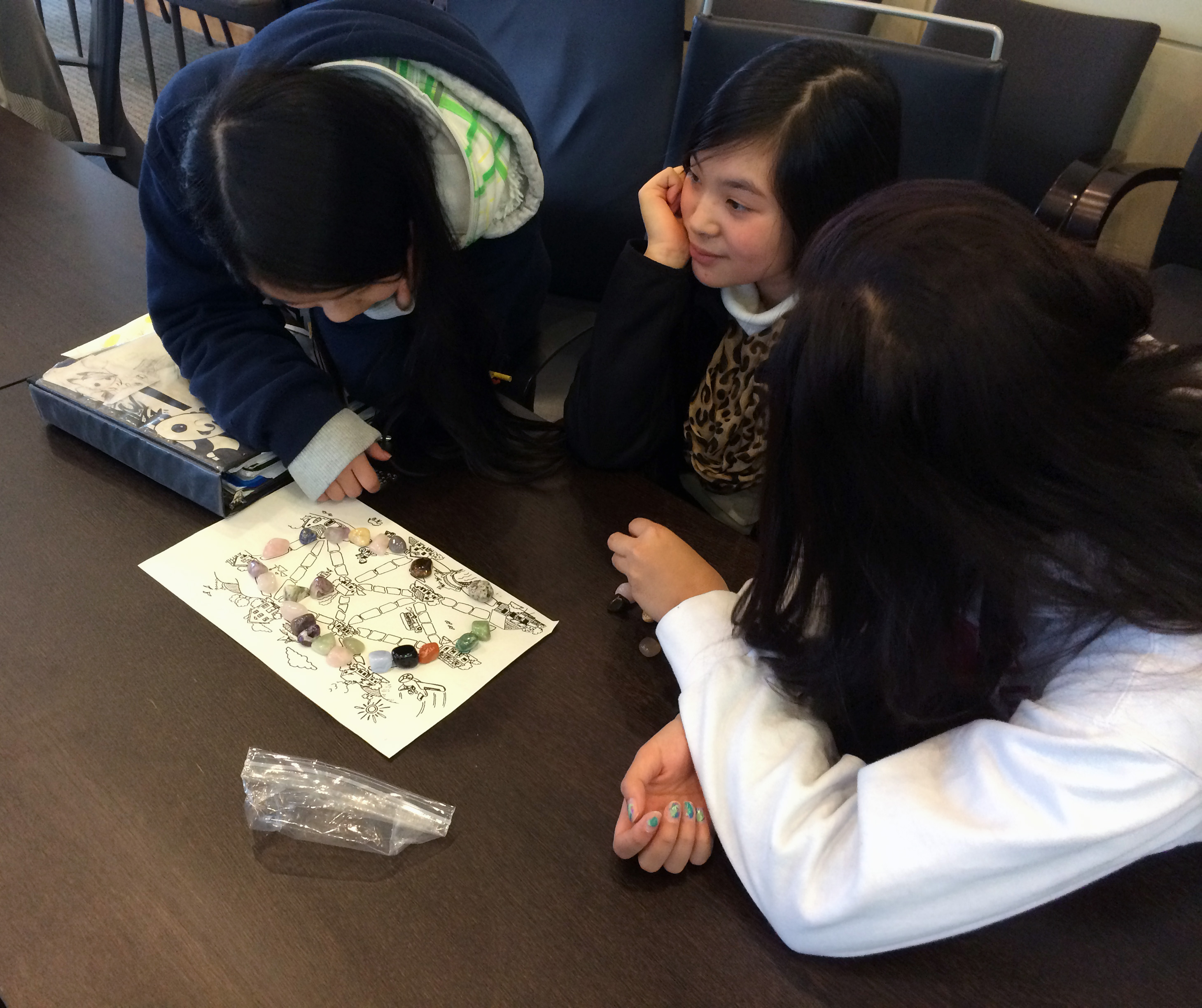
Students discover Kruskal’s Algorithm (on its 57th anniversary).
Learn about Computer Science Education Week, and The Hour Of Code, here. Read more →
 Oren Etzioni and Paul Allen write:
“When IBM’s Watson system defeated the human champion on ‘Jeopardy!’ in February 2011, it surprised the world with its unprecedented command of a vast array of facts, puns, and clever questions.
“But how will that feat change our lives over the next decade? What does it mean for the future of intelligent machines?
 “Watson accumulated its wide-ranging knowledge by ‘reading’ the equivalent of millions of books, foreshadowing a revolution in how computers acquire, analyze, and create knowledge.
“Given the explosive volume of text available to anyone today in the form of web pages, articles, tweets and more, automatic machine reading is a critical part of technology’s future.
“Here are five ways we predict the Machine-Reading Revolution will change your life in the coming decade …”
Read the rest here. Read more →
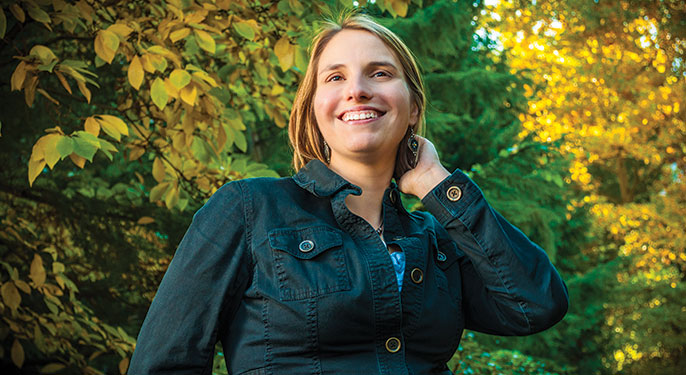 Julie Kientz – UW CSE affiliate professor (and professor of Human Centered Design and Engineering) – is featured in the “faculty profile” in the December issue of Columns, the UW alumni magazine:
“That sense of discovery spawned a career predicated on using technology to help others and improve their health. Kientz brought that passion to the UW in 2008 and, most recently, was named one of MIT Technology Review’s 35 Innovators Under 35 for 2013.”
Read more here. Read more →
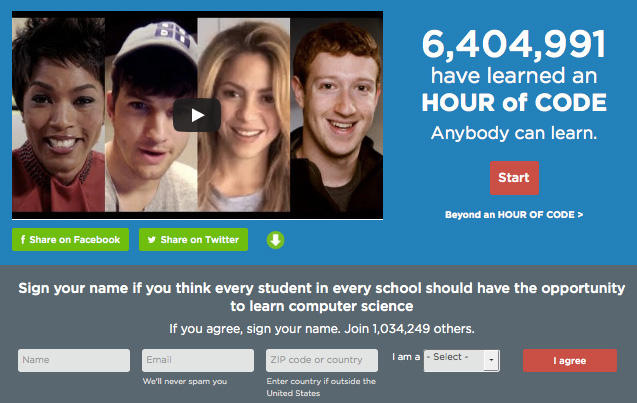 According to the amazing Hadi Partovi:
This week, more students studied computer science in US schools than in the last 10 years combined …
… more girls than in the last 30 years …
… more African Americans and Hispanics than in the entire history of computer science …
And we’re only 2 days into the week!
#HourOfCode – here! Read more →
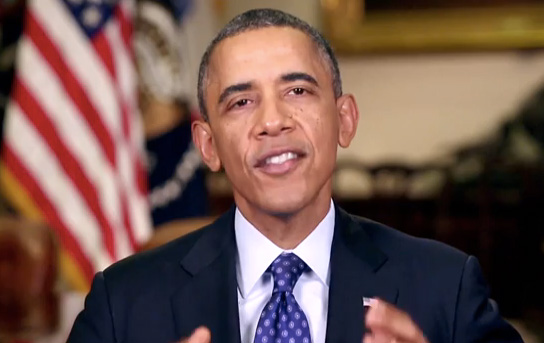
President Barack Obama promotes The Hour Of Code!
Computer Science Education Week has begun – and with it, The Hour Of Code! Every student in America should spend one hour learning computer science principles, using the phenomenal programming environment developed by Hadi Partovi’s Code.org.
What does President Barack Obama have to say about it? “Don’t just buy a new videogame, make one. Don’t just download the latest app, help design it. Don’t just play on your phone, program it.”
Watch the President’s video here.
Watch the Hour of Code video and learn how to participate here.
Learn about UW CSE’s K-12 outreach activities, DawgBytes (“A Taste of CSE”) – including many Computer Science Education Week activities – here. Read more →
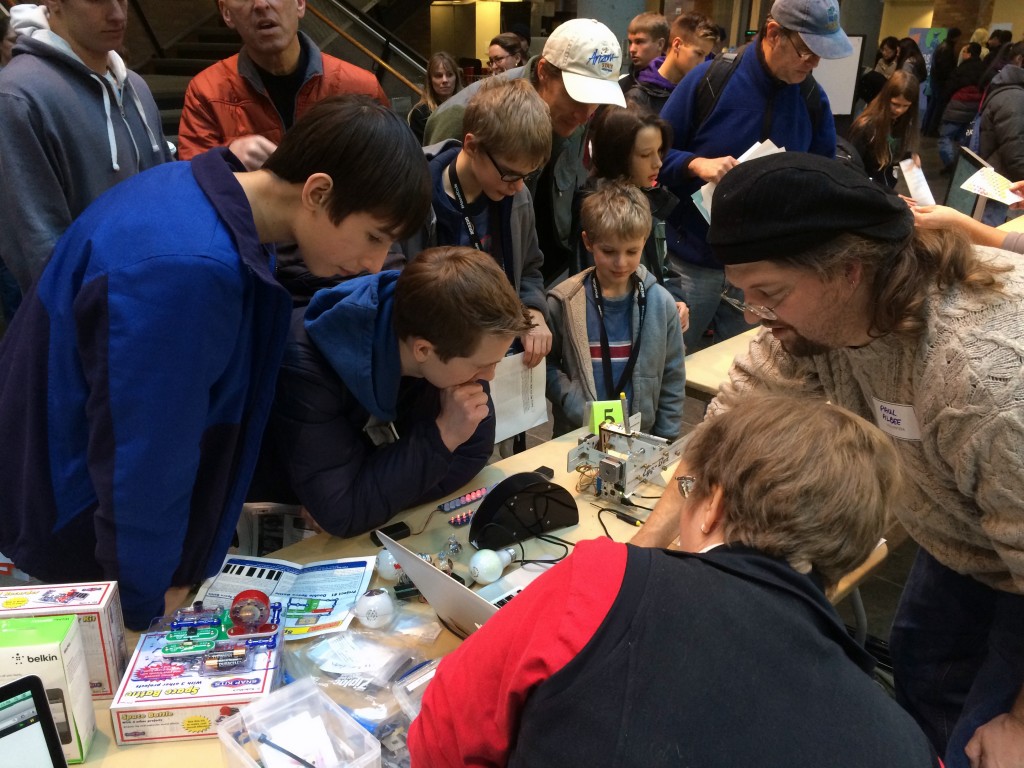 More than 1,000 middle and high school students and their families attended UW’s Computing Open House on Saturday December 7, kicking off Computer Science Education Week!
Many thanks to our wonderful sponsors (Amazon, Google, and Microsoft), and to the many dozens of students, staff, and faculty from CSE and other computing-related units who made the day a success!
Information here.
Schedule of activities here.
Learn more about UW CSE’s K-12 outreach program, DawgBytes (“A Taste of CSE”), here.
And don’t forget the Hour of Code – more than 5 million students nationwide have already committed to participate!
Additional photographs here and here. Read more →
 UW CSE’s Amazon Professor of Machine Learning professor Carlos Guestrin headlined an evening event on Thursday for 65 Bay Area alums, hosted by our alumni startup Sift Science.
We host technical, social, and mixed events for Bay Area alums. With a host of “big data” and cloud alumni startups in the Bay Area (Cloudera, WibiData, Sift Science, and more), there was lots of demand for an event focused on large-scale machine learning. Carlos’s GraphLab is an exemplar in this space.
Thanks to UW CSE alum Jason Tan, Sift Science co-founder (along with UW CSE alum Brandon Balinger), for initiating and hosting this event!
Additional photos of the event here.
Bay Area alums: Don’t be left out. Join the “UW CSE in the Bay Area” Facebook group here. Read more →
 Middle and high school students and families! Attend UW’s Computing Open House, 1-5 p.m. on Saturday December 7 in the Paul G. Allen Center for Computer Science & Engineering, kicking off Computer Science Education Week! Last year, more than 1,000 attended this super event!
Information here.
Schedule of activities here.
Learn more about UW CSE’s K-12 outreach program, DawgBytes (“A Taste of CSE”), here.
And don’t forget the Hour of Code – more than 5 million students nationwide have already committed to participate! Read more →