“Computer Science’s ‘Sputnik Moment'”

Following up on an excellent article this past Saturday about rising enrollments in computer science, The New York Times has just published a fabulous “Room for Debate” essay series titled “Computer Science’s ‘Sputnik Moment’?”:

“Computer science is a hot major again. It had been in the doldrums after the dot-com bust a decade ago, but with the social media gold rush and the success of ‘The Social Network,’ computer science departments are transforming themselves to meet the demand.”

The series features eight short opinions (they’re quick reads!) including pieces by UW CSE’s Ed Lazowska and CMU’s Jeannette Wing, as well as a sociologist, entrepreneur, lawyer, and tech editor.

Under the heading “Software as Self-Expression,” Wing writes:

“Today’s students have grown-up tech savvy. They live in a world of exploring the Web and of personalizing their devices. Cyberspace is the anytime, anywhere laboratory where you can design and run your own experiments by writing just a little software. It’s affordable by anyone with access to the Internet. And each piece of software is an individual’s expression of creativity, much like poetry or music. Computer science can be fun and empowering …

“When people talk about the smart grid, smart vehicles, and smart buildings — what makes them ‘smart’? Computer science. When people talk about personalized medicine and personalized learning, how do you think personalization is possible? Computer science. We’re not there yet, but the next generation of computer scientists can help us realize these visions — with immeasurable benefits to society and the economy.”

Under the heading “A Key to Critical Thinking,” Lazowska writes:

“As more fields become information fields… “computational thinking” is necessary for success in just about any endeavor …

“Computer science is a superb preparation for just about anything. And within technology industries, there are plentiful jobs. Those who choose to work in the computing field find it characterized by highly interactive teams that are focused on solving real life problems. The Dilbert stereotype is surely dead …

“For students who want to change the world, there is no field with greater impact or leverage than computer science. Just take a look at the 2010 report by the President’s Council of Advisers on Science and Technology, which characterized computer science as ‘arguably unique among all fields of science and engineering in the breadth of its impact’ …

“Despite all of this good news, we need a national re-commitment to education, innovation, science and engineering. All the facts suggest that we are losing our edge.”

Read all the essays here. Read more →
Shwetak Patel is July Wired magazine cover story

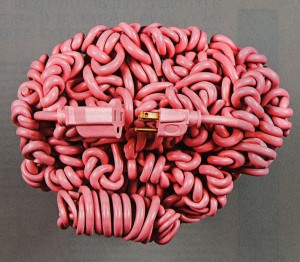
The research of UW professor Shwetak Patel is prominently featured in the cover story of the July issue of Wired magazine.

The focus of the story is feedback loops that modify human behavior.  Shwetak’s work on clever, cost-effective monitoring of the home environment (electricity, gas, water) and feeding this information back to residents to influence their behavior is the prime example (beginning halfway through the attached article.

Read the article here.  Learn more about Shwetak and his work here.  UW sustainability sensing effort is described here. Read more →

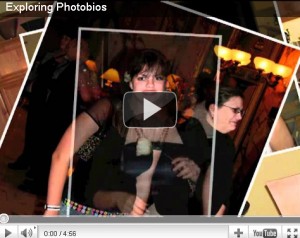
UW CSE’s “Exploring Photobios” is inaugural CCC “Cool Research Video”

Recently the Computing Community Consortium announced a call for short videos describing exciting research and results in computer science — with the goal of communicating to undergraduates what computing research is all about.   Today the first of these videos hit the CCC web – “Exploring Photobios” from UW CSE’s Graphics and Imaging Laboratory.

Read the CCC post and watch the video here.  Learn more about the research here. Read more →

“Brian Ferris … oh mighty one … the God of Metro …”

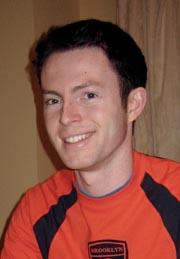
Seattlest pays homage to OneBusAway and its creator, UW CSE Ph.D. student Brian Ferris.

OneBusAway, the magical app of our bus riding dreams, has done wonders for the Seattle Metro experience.  OneBusAway gives reliable, up-to-the-minute information about the buses in Seattle:  where they are, where they are going, and how long until they get there. It’s a freaking Godsend, and has saved the butts of every single bus riding person who uses it at least a hundred times.

“The good people of KUOW are saying that OneBusAway may go offline soon.  Apparently only one man has been saving our bus lives this whole time.  Brian Ferris, the God of Metro, is a grad student at the University of Washington.  He is graduating soon and has been recruited to work for Google Transit in Zurich …

“Brian Ferris, oh mighty one, please don’t leave us adrift in a sea of never coming transfers and missed buses.  Who is this ‘Google’ you are leaving us for and how could they possibly be better than a 15 minute layover at Third & Pike?  We love you, we need you.

“Please don’t go.”

Read the rest here.  Visit OneBusAway here.  Contribute to the “Keep Brian Ferris in Seattle” fund here.

Update: Brian assures us that OneBusAway will live onSeattlest update post here.  Seattle Times article here. Read more →

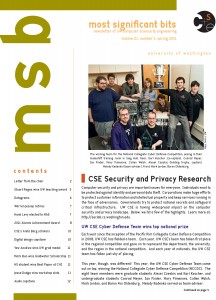
Spring 2011 “Most Significant Bits”

Welcome to the Spring 2011 edition of Most Significant Bits, the UW Computer Science & Engineering newsletter.  It’s available in pdf or html format. Read more →

Anne Condon, Jeremy Jaech win UW CSE Alumni Achievement Award

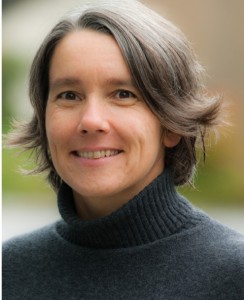
Anne Condon, Ph.D. 1987

Jeremy Jaech, M.S. 1980

Today UW Computer Science & Engineering conferred its Alumni Achievement Award on Anne Condon and Jeremy Jaech.

Anne, a 1987 Ph.D. alumna, will become Head of the Department of Computer Science at the University of British Columbia on July 1.  An expert in theoretical computer science and algorithms for biology, Anne also received the 2010 Computing Research Association A. Nico Habermann Award for her “long-standing and impactful service toward the goal of increasing the participation of women in computer science research.”

Jeremy, a 1980 Masters alumnus, is Seattle’s preeminent serial software entrepreneur.  He co-founded Aldus, which invented desktop publishing through its Pagemaker software; Aldus was eventually acquired by Adobe and is responsible for Adobe’s substantial presence in Seattle.  He then led the team that founded Visio, another game-changing software company that brought engineering drawing to the masses; Visio was eventually acquired by Microsoft.  He led the founding team at Trumba, and most recently served as CEO of Verdiem, a company in the enterprise PC energy management space.  For the past quarter he has spent considerable time in CSE, mentoring students and faculty on entrepreneurship.

Today’s graduates join a long line of UW CSE alumni who have changed the world!  Read more about Anne and Jeremy in the MSB excerpt here. Read more →

UW CSE awards 287 degrees

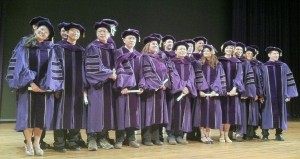
UW CSE 2010-11 Ph.D. graduates

This morning in Meany Hall, UW Computer Science & Engineering recognized 185 Bachelors graduates, 80 Masters graduates, and 22 Ph.D. graduates.  Congratulations to our extraordinary students, and to their extraordinary families!

See the program (and list of graduates) here.

Many wonderful Bruce Hemingway photographs:

Read more →

“Computer Studies Made Cool, on Film and Now on Campus”

In a front page article, the New York Times reports on booming interest in computer science across the nation.

“The new curriculums emphasize the breadth of careers that use computer science, as diverse as finance and linguistics, and the practical results of engineering, like iPhone apps, Pixar films and robots …

“Still, computer science graduates do not come close to filling the jobs available. Technology is one of the few bright spots in the economy, with jobs growing at double the rate of job growth over all, according to federal statistics …

“At Stanford, which has never lacked computer science students, majors nearly doubled after a new curriculum in 2008 let students choose a focus, like artificial intelligence. At the University of Washington, enrollment in the introductory computer science course is at a record high of 1,700. At Harvard, the size of the introductory computer science class has nearly quadrupled in five years …

“‘What we’re seeing now is a better-motivated upsurge,’ said Ed Lazowska, a professor of computer science and engineering at the University of Washington, ‘students who understand that they really need to know this material.’”

Read the terrific New York Times article here.  Related background here, here, and here. Read more →

Stuart Reges receives UW Distinguished Teaching Award

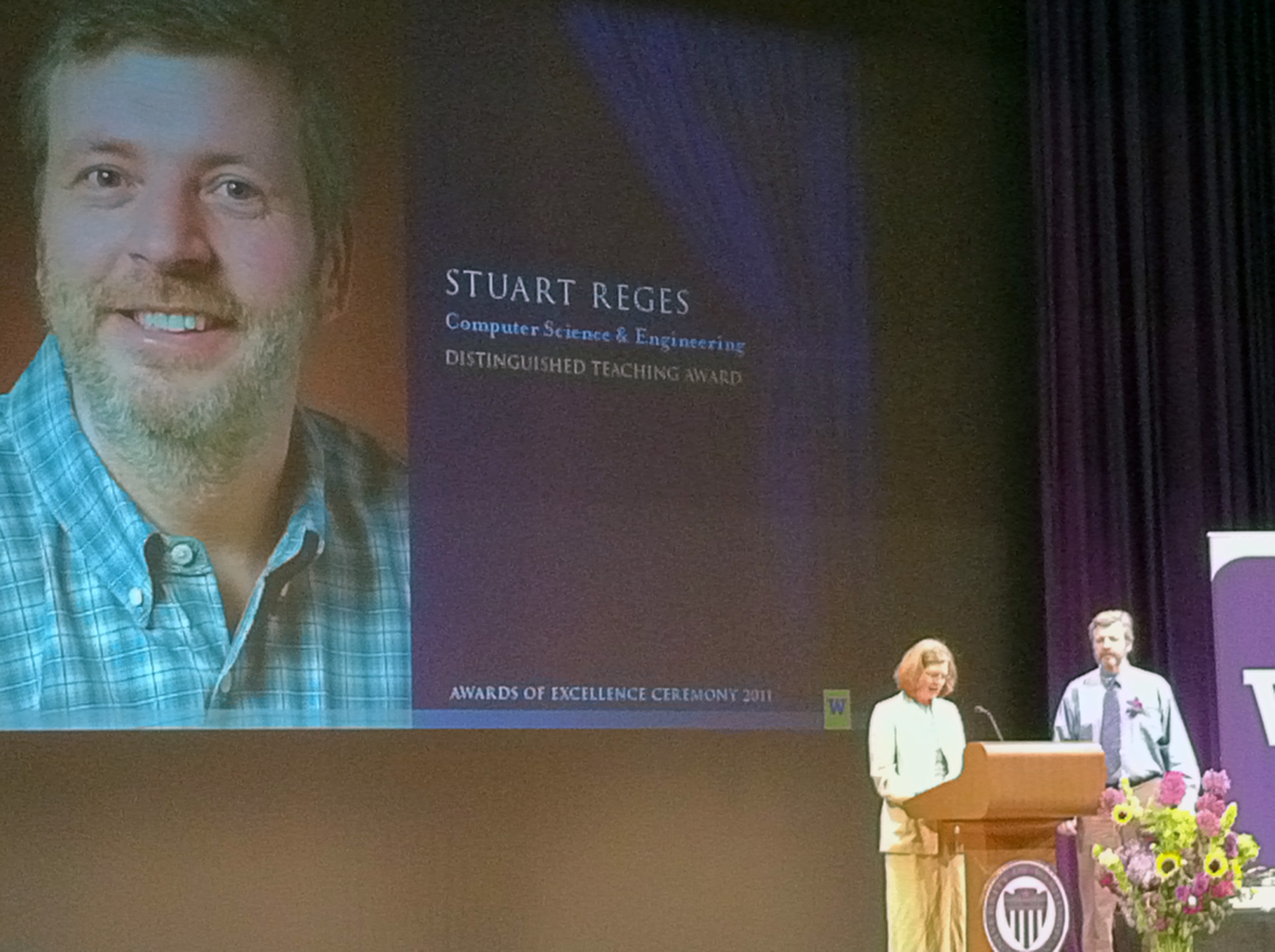
Today at the annual University of Washington awards ceremony, Stuart Reges was recognized with the UW Distinguished Teaching Award.  And he even wore a tie!

Congratulations, Stuart.  And, a million thanks for your extraordinary accomplishments with our introductory sequence. Read more →

“Stuart Reges: UW Distinguished Teaching Award”

UW Today published a special supplement, highlighting recipients of the 2011 UW Awards of Excellence.  As reported earlier, UW CSE’s Stuart Reges has won this year’s University of Washington Distinguished Teaching Award, which is given to faculty who show “a mastery of their subject matter, intellectual rigor and a passion for teaching.”

Congratulations again to Stuart!

Full UW Today special award edition here. Read more →

« Newer PostsOlder Posts »