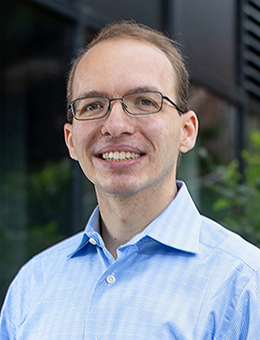
Artificial intelligence tools have the potential to become as essential to medical research and patient care as centrifuges and x-ray machines. Advances in high-accuracy predictive modeling can enable providers to analyze a range of patient risk factors to facilitate better health care outcomes — from preventing the onset of complications during surgery, to assessing the risk of developing various diseases.
When it comes to emergency services or critical care settings, however, the potential benefits of AI in the treatment room are often outweighed by the costs. And in this case, the talk about cost in health care isn’t just about money.
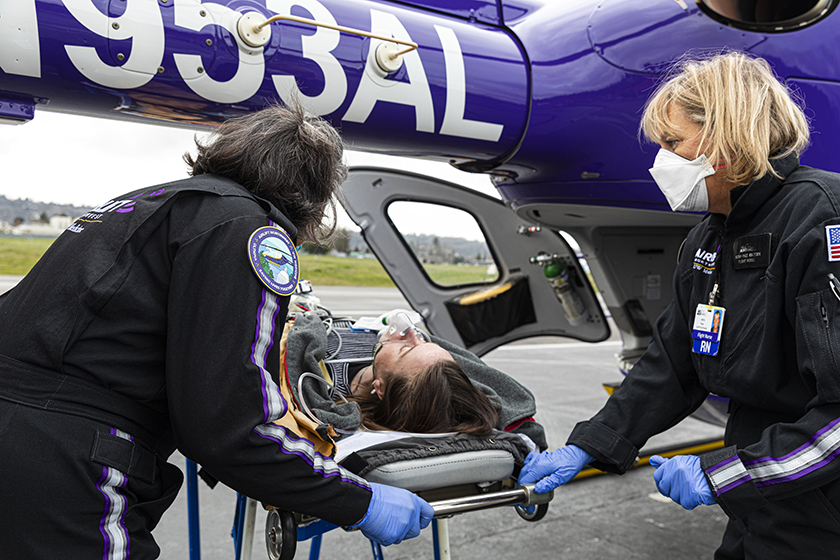
“With sufficient data and the right parameters, AI models perform quite well when asked to predict clinical outcomes. But in this case, ‘sufficient data’ often translates as an impractical number of patient features to collect in many care settings,” noted Gabriel Erion (Ph.D., ‘21), who is combining an M.D. with a Ph.D. in computer science as part of the University of Washington’s Medical Scientist Training Program. “The cost, in terms of the time and effort required to collect that volume and variety of data, would be much too high in an ambulance or intensive care unit, for example, where every second counts and responders need to prioritize patient care.”
But thanks to Erion and collaborators at the UW’s Paul G. Allen School and the UW School of Medicine, providers needn’t make a choice between caring directly for patients and leveraging advances in AI to identify the interventions with the highest likelihood of success. In a paper published in Nature Biomedical Engineering, the team presents CoAI, short for Cost-Aware Artificial Intelligence, a new framework for dramatically reducing the time, effort and resources required to predict patient outcomes and inform treatment decisions without sacrificing the accuracy of more cost-intensive tools.
To reduce the number of clinical risk factors required to be collected in real time, the researchers trained CoAI on a massive dataset combining patient features, prediction labels, expert annotations of feature cost, and a budget representing total acceptable cost. They applied Shapley values to calculate a quantitative measure of the predictive power of every single feature in the dataset; since Shapley values are additive, this approach enables CoAI to calculate the importance of a group of features relative to their cost. CoAI then recommends which subset of features would enable the most accurate prediction of patient risk within a specified budget. And some of those budgets are very tight, indeed.
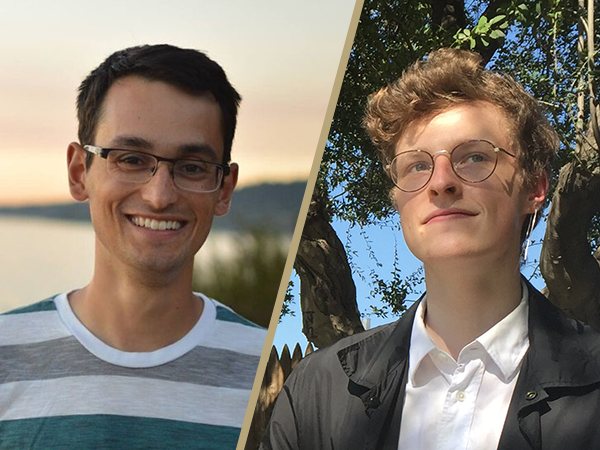
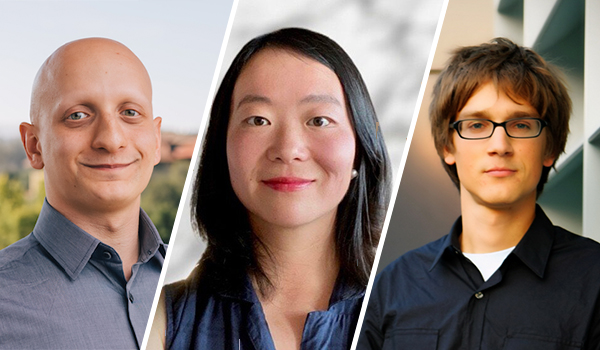
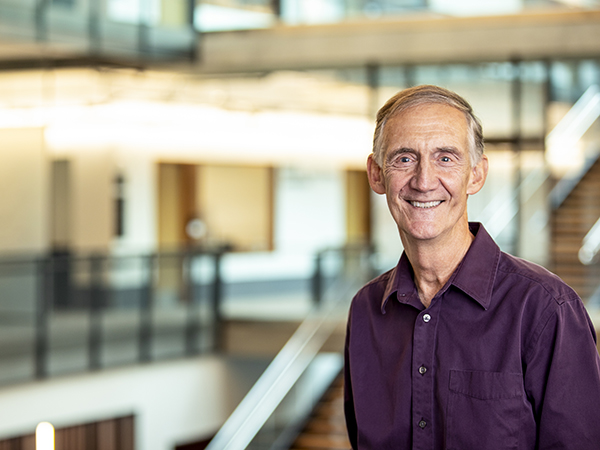
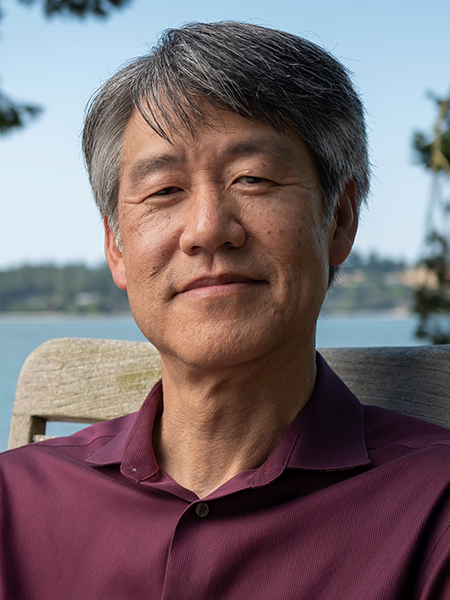
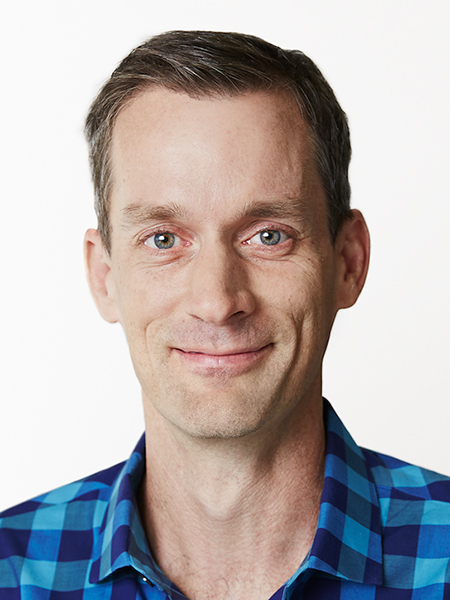
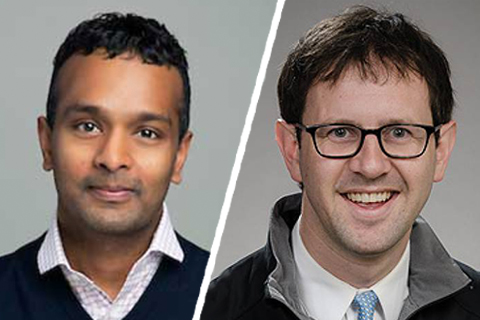
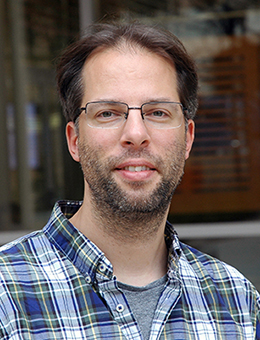
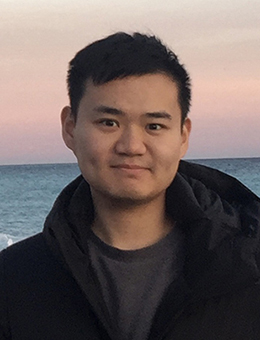
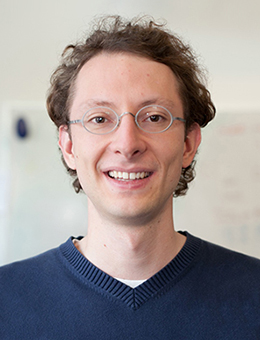
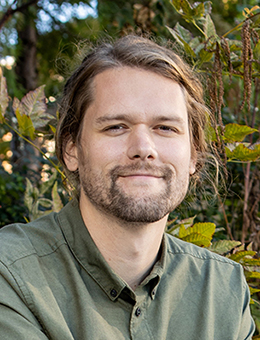
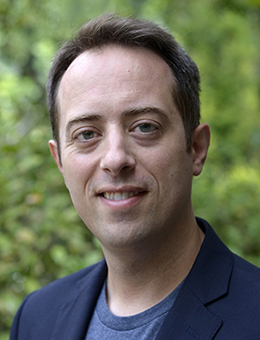
Gabriel Erion (left) and Joseph Janizek
“Fifty seconds. That’s how long first responders told us they can spare to score patient risk factors when they are in the midst of performing a life-saving intervention,” said co-senior author and professor Su-In Lee, who leads the Allen School’s AIMS Lab focused on integrating AI and the biomedical sciences. “CoAI deals with this constraint by prioritizing a subset of features to gather while achieving the same or better accuracy in its predictions as other, less cost-aware models. And it is generalizable to a variety of care settings, such as cancer screening, where different feature costs come into play — including financial considerations.”
As co-author Joseph Janizek (Ph.D., ‘22) explained, CoAI has a significant advantage over even other cost-sensitive methods owing to its efficiency and flexibility.
“A notable difference between CoAI and other approaches is its robustness to ‘cost shift,’ wherein features become more or less expensive after the model has been trained. Since our framework decouples feature selection from training, CoAI continues to perform well even when this shift occurs,” noted Janizek, who is also pursuing his M.D. in combination with a Ph.D. from the Allen School via the MSTP. “And because it’s model-agnostic, CoAI can be used to adapt any predictive AI system to be cost-aware, enabling accurate predictions at lower cost within a wide variety of settings.”
Janizek and his AIMS Lab colleagues teamed up with clinicians at the UW School of Medicine and first responders with Airlift Northwest, American Medical Response and the Seattle Fire Department to validate the CoAI approach. In a series of experiments, the researchers evaluated CoAI’s performance compared to typical AI models in predicting the increased bleeding risk of trauma patients en route to the hospital and the in-hospital mortality risk of critical care patients in the ICU. They also surveyed first responders and nurses to understand how patient risk scoring works in practice — hence the aforementioned 50-second rule. In the case of trauma response, their experiments showed that CoAI dramatically reduces the cost of data acquisition — by around 90% — while still achieving levels of accuracy comparable to other, more cost-intensive approaches. They achieved similar results for the inpatient critical care setting.
According to co-senior author Dr. Nathan White, associate professor of Emergency Medicine at the UW School of Medicine, these results speak to what is possible when researchers break down barriers between disciplines and prioritize how new technologies will be put to real-world use.
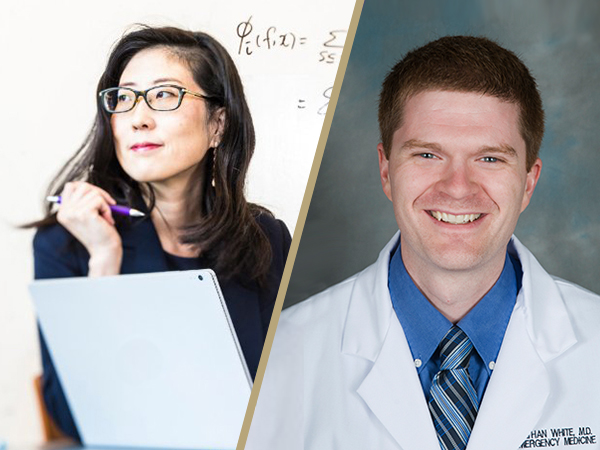
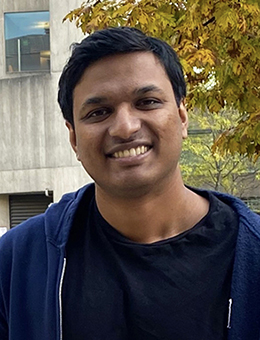
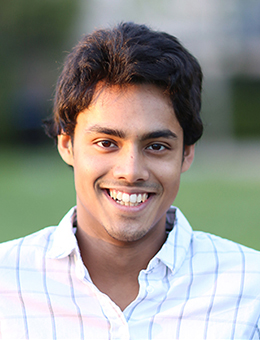
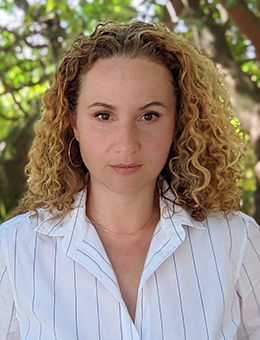
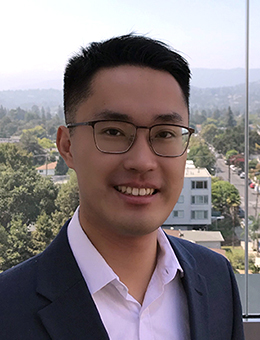
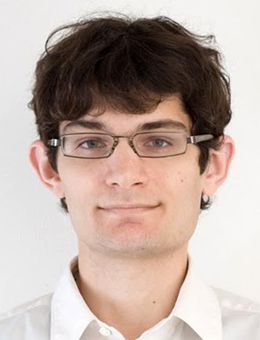
Su-In Lee (left) and Dr. Nathan White
“A key contributor to the success of this project included the great synergy afforded by working across traditional silos of medicine and engineering,” said White. “AI is an important component of healthcare today, but we must always be aware of the clinical situations where AI is being used and seek out input from frontline health care workers involved directly in patient care. This will ensure that AI is always working optimally for the patients it intends to benefit.”
Lee agreed, noting that the UW’s MSTP serves to enhance this synergy with each new student who enters the program.
“Gabe and Joe were the first UW MSTP students to earn their Ph.D. in the Allen School. They exemplify the best of both worlds, combining rigorous computer science knowledge with hands-on clinical expertise,” Lee said. “This nexus of knowledge, spanning two traditionally disparate disciplines, will be essential to our future progress in developing AI as an effective and efficient tool used in biomedical research and treatment decisions.”
Dr. White’s colleagues in the Department of Emergency Medicine, Drs. Richard Utarnachitt, Andrew McCoy and Michal Sayre, along with Dr. Carly Hudelson of the Division of General Internal Medicine, are co-authors of the paper. An early preview of the project earned the Madrona Prize sponsored by Madrona Venture Group at the Allen School’s annual research day in 2019. The research was funded by the National Science Foundation, American Cancer Society, and National Institutes of Health.
Less than a year after her arrival at the University of Washington, professor Yulia Tsvetkov is making her mark as the newest member of the Allen School’s Natural Language Processing group. As head of the Tsvetshop — a clever play on words that would likely stymie your typical natural language model — Tsvetkov draws upon elements of linguistics, economics, and the social and political sciences to develop technologies that not only represent the leading edge of artificial intelligence and natural language processing, but also benefit users across populations, cultures and languages. Having recently earned a 2022 Sloan Research Fellowship from the Alfred P. Sloan Foundation, Tsvetkov is looking forward to adding to her record of producing new tools and techniques for making AI and NLP more equitable, inclusive and socially aware.
“One of the goals of my work is to uncover hidden insights into the relationship between language and biases in society and to develop technologies for identifying and mitigating such bias,” said Tsvetkov. “I also aim to build more equitable and robust models that reflect the needs and preferences of diverse users, because many speakers of diverse language varieties are not well-served by existing tools.”
Her focus at the intersection of computation and social sciences has enabled Tsvetkov to make inroads when it comes to protecting the integrity of information beyond “fake news” by identifying more subtle forms of media manipulation. Even with the growing attention being paid to identifying and filtering out misleading content, tactics such as distraction, propaganda and censorship can be challenging for automated tools to detect. To overcome this challenge, Tsvetkov has spearheaded efforts to develop capabilities for discerning “the language of manipulation” automatically and at scale.
In one project, Tsvetkov and her colleagues devised computational approaches for detecting subtle manipulation strategies in Russian newspaper coverage by applying agenda-setting and framing — two concepts from political science — to tease out how one outlet’s decisions about what to cover and how were used to distract readers from economic conditions. She also produced a framework for examining the spread of polarizing content on social media based on an analysis of Indian and Pakistani posts following the 2019 terrorist attacks in Kashmir. Given the growth in AI-generated text, Tsvetkov has lately turned her attention to semantic forensics, including the analysis of the types of misinformation and factual inconsistencies produced by large AI models with a view to developing interpretable deep learning approaches that will control for factuality and other traits of machine-generated content.
“Understanding the deeper meaning of human- or machine-generated text, the writer’s intent, and what emotional reactions the text is likely to evoke in its readers is the next frontier in NLP,” said Tsvetkov. “Language technologies that are capable of doing such fine-grained analysis of pragmatic and social meaning will be critical for combating misinformation and opinion manipulation in cyberspace.”
Another of the ways in which Tsvetkov’s work has contributed to researchers’ understanding of the interplay between language and social attitudes is by surfacing biases in narrative text targeting vulnerable audiences. NLP researchers — including several of Tsvetkov’s Allen School colleagues — have demonstrated effective techniques for identifying toxic content online, and yet more subtle forms continue to evade moderation. Tsvetkov has been at the forefront of developing new datasets, algorithms and tools grounded in social psychology to detect discrimination, at scale and across multiple languages, based on gender, race and/or sexual orientation that manifests in online text and conversations.
“Although there are tools for detecting hate speech, most harmful web content remains hidden,” Tsvetkov noted. “Such content is hard to detect computationally, so it propagates into downstream NLP tools that then serve to amplify systematic biases.”
One approach that Tsvetkov has employed to great effect is an expansion of contextual affective analysis (CAA), a technique for examining how people are portrayed along dimensions of power, agency and sentiment, to multilingual settings in an effort to understand how narrative text across different languages reflects cultural stereotypes. After applying a multilingual model to English, Spanish and Russian Wikipedia entries about prominent LGBTQ figures in history, Tsvetkov and her team found systematic differences in phrasing that reflected social biases. For example, entries about the late Alan Turing, who was persecuted for his homosexuality, described how he “accepted” chemical castration (English), “chose” it (Spanish), or “preferred” it (Russian) — three verbs with three very different connotations as to Turing’s agency, power and sentiment at the time. Tsvetkov applied similar analyses to uncover gender bias in media coverage of #MeToo and assist the Washington Post in tracking racial discrimination in China, and has since built upon this work to produce the first intersectional analysis of bias in Wikipedia biographies that examines gender disparities beyond cisgender women alongside racial disparities.
The fact that most existing NLP tools are grounded in a specific variant of English has been a driving force in much of Tsvetkov’s research.
“We researchers often say that a model’s outputs are only as good as its inputs,” Tsvetkov noted. “For the purposes of natural language models, those inputs have mostly been limited to a certain English dialect — but there are multiple English dialects and over 6,000 languages besides English spoken around the world! That’s a significant disconnect between current tools and the billions of people for whom English is not the default. We can’t achieve NLP for all without closing that gap.”
To that end, Tsvetkov has recently turned her attention to developing new capabilities for NLP technologies to adapt to multilingual users’ linguistic proficiencies and preferences. For example, she envisions tools that can match the ability of bilingual and non-native speakers of English and Spanish to switch fluidly between the two languages in conversation, often within the same sentence. Her work has the potential to bridge the human-computer divide where, currently, meaning and context can get lost in translation.
“Yulia is intellectually fearless and has a track record of blending technical creativity with a rigorous understanding of the social realities of language and the communities who use it,” said Magdalena Balazinska, professor and director of the Allen School. “Her commitment to advancing language technologies that adapt to previously ignored users sets her apart from her research peers. By recognizing that AI is not only about data and math, but also about people and societies, Yulia is poised to have an enormous impact on the field of AI and beyond.”
Tsvetkov joined the Allen School last July after spending four years on the faculty of Carnegie Mellon University. She is one of two UW researchers who were honored by the Sloan Foundation in its class of 2022 Fellows, who are chosen based on their research accomplishments and creativity as rising leaders in selected scientific or technical fields. Briana Adams, a professor in the UW Department of Biology, joined Tsvetkov among a total of 118 honorees drawn from 51 institutions across the United States and Canada.
Recent advances in open-ended text generation could enable machines to produce text that approaches or even mimics that generated by humans. However, evaluating the quality and accuracy of these large-scale models has remained a significant computational challenge. Recently, researchers at the Allen School and Allen Institute for AI (AI2) offered a solution in the form of MAUVE, a practical tool for assessing modern text generation models’ output compared to human-generated text that is both efficient and scalable. The team’s paper describing this new approach, “MAUVE: Measuring the Gap Between Neural Text and Human Text using Divergence Frontiers,” earned an Outstanding Paper Award at the Conference on Neural Information Processing Systems (NeurIPS 2021) in December.
The goal of open-ended text generation is to achieve a level of coherence, creativity, and fluency that mimics human text. Because the task is, as the name suggests, open-ended, there is no correct answer; this makes evaluation of a model’s performance more difficult than with more concrete tasks such as translation or summarization. MAUVE solves this problem by employing information divergence frontiers — heretofore a little-used concept in NLP — to reduce the comparison between model-generated text and human text to a computationally tractable yet effective measurement.
“For open-ended text generation to make that next leap forward, we need to be able to evaluate a model’s performance on two key aspects that are prone to error: how much weight it gives to sequences that truly resemble human text, as opposed to gibberish, and whether the generated text exhibits the variety of expression we would expect to see from humans, instead of boring or repetitive text that reads like a template,” explained lead author Krishna Pillutla, a Ph.D. candidate in the Allen School. “The beauty of MAUVE is that it enables us to quantify both, using a simple interface and an approach that is easily scaled to whatever sized model you’re working with.”
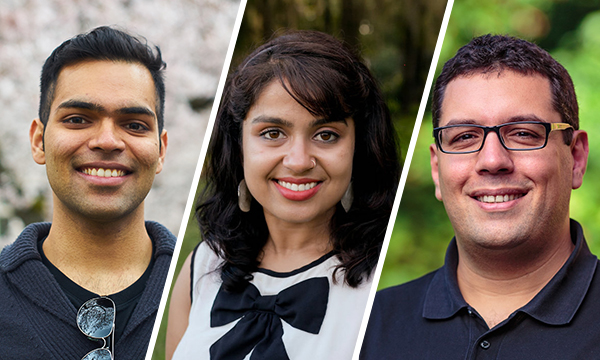
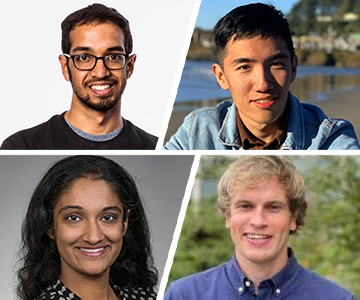
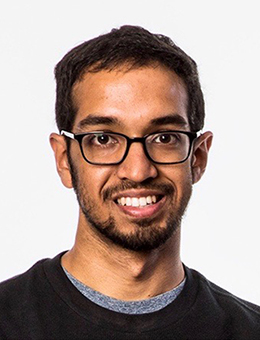
Left to right: Krishna Pillutla, Swabha Swayamdipta, and Zaid Harchaoui
MAUVE computes the divergence between the model distribution and target distribution of human text for the above-mentioned pair of criteria in a quantized embedding space. It then summarizes the results as a single scalar that illustrates the gap between the machine-generated and human text. To validate MAUVE’s effectiveness, the team tested the tool using three open-ended text completion tasks involving web text, news articles and stories. The results of these experiments confirmed that MAUVE reliably identifies the known properties of machine-generated text, aligns strongly with human judgments, and scales naturally with model size — and does so with fewer restrictions than existing distributional evaluation metrics. And whereas other language modeling tools or statistical measures are typically limited to capturing a single statistic or correspond to only one point on the divergence curve, MAUVE offers expanded insights into a model’s performance.
“MAUVE enables us to identify the properties of machine-generated text that a good measure should capture,” noted co-author Swabha Swayamdipta, a postdoctoral investigator at AI2. “This includes distribution-level information that enables us to understand how the quality of output changes based on the size of the model, the length of text we are asking it to generate, and the choice of decoding algorithm.”
While Swayamdipta and her colleagues designed MAUVE with the goal of improving the quality of machine-generated text — where “quality” is defined according to how closely it resembles the human-authored kind — they point out that its capabilities also provide a foundation for future work on how to spot the difference.
“As with every new technology, there are benefits and risks,” said senior author Zaid Harchaoui, a professor in the University of Washington’s Department of Statistics and adjunct professor in the Allen School. “As the gap narrows between machine and human performance, having tools like MAUVE at our disposal will be critical to understanding how these more sophisticated emerging models work. The NLP community can then apply what we learn to the development of future tools for distinguishing between content generated by computers versus that which is produced by people.”
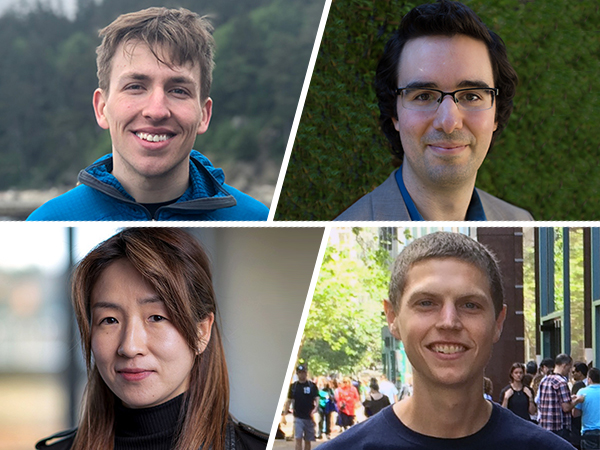
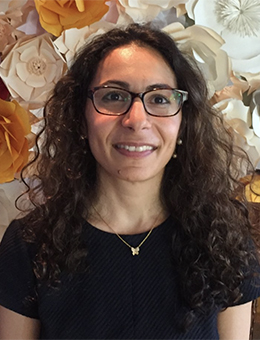
Clockwise from top left: Rowan Zellers, John Thickstun, Sean Welleck and Yejin Choi
Additional co-authors of the paper introducing MAUVE include Allen School Ph.D. student Rowan Zellers, postdoc Sean Welleck, alumnus John Thickstun (Ph.D., ‘21) — now a postdoc at Stanford University — and Yejin Choi, the Brett Helsel Career Development Professor in the Allen School and a senior research manager at AI2. The team received one of six Outstanding Paper Awards presented at NeurIPS 2021, which are chosen based on their “clarity, insight, creativity, and potential for lasting impact.”
Members of the team also studied the statistical aspects of MAUVE in another paper simultaneously published at NeurIPS 2021. Together with Lang Liu, Ph.D. candidate in Statistics at UW, and Allen School professor Sewoong Oh, they established bounds on how many human-written and machine-generated text samples are necessary to accurately estimate MAUVE.
Luke Zettlemoyer, a professor in the Allen School’s Natural Language Processing group and a research director at Meta AI, was recently elected a Fellow of the Association for Computational Linguistics (ACL) for “significant contributions to grounded semantics, semantic parsing, and representation learning for natural language processing.” Since he arrived at the University of Washington in 2010, Zettlemoyer has focused on advancing the state of the art in NLP while expanding its reach into other areas of artificial intelligence such as robotics and computer vision.
Zettlemoyer broke new ground as a Ph.D. student at MIT, where he advanced the field of semantic parsing through the application of statistical techniques to natural language problems. He and his advisor, Michael Collins, devised the first algorithm for automatically mapping natural language sentences to logical form by incorporating tractable statistical learning methods — specifically, the novel application of a log-linear model — in a combinatory categorial grammar (CCG) with integrated semantics. He followed up that work, for which he received the Best Paper Award at the Conference of Uncertainty in Artificial Intelligence (UAI 2005), by developing techniques for mapping natural language instructions to executable actions through reinforcement learning that rivaled the performance of supervised learning methods. Those results earned him another Best Paper Award with MIT colleagues, this time from the Association for Computational Linguistics (ACL 2009).
After he arrived at the Allen School, Zettlemoyer continued pushing the state of the art in semantic parsing by introducing the application of weak supervision and the use of neural networks, among other innovations. For example, he worked with student Yoav Artzi (Ph.D., ‘15) on the development of the first grounded CCG semantic parser capable of jointly reasoning about meaning and context to execute natural language instructions with limited human intervention. Later, Zettlemoyer teamed up with Allen School professor Yejin Choi, postdoc Ionnas Konstas, and students Srinivasan Iyer (Ph.D., ‘19) and Mark Yatskar (Ph.D., ‘17) to introduce Neural AMR, the first successful sequence-to-sequence model for parsing and generating text via Abstract Meaning Representation, a useful technique for applications ranging from machine translation to event extraction. Previously, the use of neural network models with AMR was limited due to the expense of annotating the training data; Zettlemoyer and his co-authors solved that challenge by combining a novel pretraining approach with preprocessing of the AMR graphs to overcome sparsity in the data while reducing complexity.
Question answering is another area of NLP where Zettlemoyer has made multiple influential contributions. For example, the same year he and his co-authors presented Neural AMR at ACL 2017, Zettlemoyer and Allen School colleague Daniel Weld worked with graduate students Mandar Joshi and Eunsol Choi (Ph.D., ‘19) to introduce TriviaQA, the first large-scale reading comprehension dataset that incorporated full-sentence, organically generated questions composed independent of a specific NLP task. According to another Allen School colleague, Noah Smith, Zettlemoyer’s vision and collaborative approach are a powerful combination that has enabled him to achieve a series of firsts while steering the field in exciting new directions.
“Simply put, Luke is one of natural language processing’s great pioneers,” said Smith. “From his graduate work on semantic parsing, to a range of contributions around question answering, to his extremely impactful work on large-scale representation learning, he’s shown foresight and also the ability to execute on his big ideas and the charisma to bring others on board to help.”
One of those big ideas Smith cited — large-scale representation learning — went on to become ubiquitous in NLP research. In 2018, Zettlemoyer, students Christopher Clark (Ph.D., ‘20) and Kenton Lee (Ph.D., ‘17), and collaborators at the Allen Institute for AI (AI2) presented ELMo, which demonstrated pretraining as an effective tool for enabling a language model to acquire deep contextualized word representations that could be incorporated into existing models and fine-tuned for a range of NLP tasks. ELMo, which is short for Embeddings from Language Models, satisfied the dual challenges of modeling the complex characteristics of word use such as semantics and syntax while also capturing how such uses vary across different linguistic contexts. Zettlemoyer subsequently did some fine-tuning of his own by contributing to new and improved pretrained models such as the popular RoBERTa — with more than 6,500 citations and counting — and BART. In addition to earning a Best Paper Award at the Conference of the North American Chapter of the Association for Computational Linguistics (NAACL 2018), the paper describing ELMo has been cited more than 9,200 times.
Zettlemoyer pioneered another exciting research trend when he began connecting the language and vision aspects of AI. For example, he worked with Yatskar and Allen School colleague Ali Farhadi to introduce situation recognition, which applies a linguistic framework to a classic problem in computer vision — namely, how to concisely and holistically describe the situation an image depicts. Situation recognition represented a significant leap forward from independent object or activity recognition with its ability to summarize the main activity in a scene, the actors, objects and locations involved, and the relationship among all of these elements. Zettlemoyer also contributed to some of the first work on language grounding for robotic agents, which built in part on his original contributions to semantic parsing from his graduate student days. He and a team that included Allen School professor Dieter Fox, students Cynthia Matuszek (Ph.D., ‘14) and Nicholas FitzGerald (Ph.D., ‘18), and postdoc Liefeng Bo developed an approach for joint learning of perception and language that endows robots with the ability to recognize previously unknown objects based on natural language descriptions of their physical attributes.
“It is an unexpected but much appreciated honor to be named an ACL Fellow. I am really grateful to and want to highlight all the folks whose research is being recognized, including especially all the students and research collaborators I have been fortunate enough to work with,” Zettlemoyer said. “The Allen School has been an amazing place to work for the last 10+ years. I really couldn’t imagine a better place to launch my research career, and can’t wait to see what the next 10 years — and beyond — will bring!”
Zettlemoyer previously earned a Presidential Early Career Award for Scientists and Engineers (PECASE) and was named an Allen Distinguished Investigator in addition to amassing multiple Best Paper Awards from the preeminent research conferences in NLP and adjacent fields. In addition to his faculty role at the Allen School, he joined Facebook AI Research in 2018 after spending a year as a senior research manager at the Allen Institute for AI. He is one of eight researchers named among the ACL’s 2021 class of Fellows and the third UW faculty member to have attained the honor, following the election of Smith in 2020 and Allen School adjunct faculty member Mari Ostendorf, a professor in the Department of Electrical & Computer Engineering, in 2018.
The designation of Fellow is reserved for ACL members who have made extraordinary contributions to the field through their scientific and technical excellence, service and educational and/or outreach activities with broad impact. Learn more about the ACL Fellows program here.
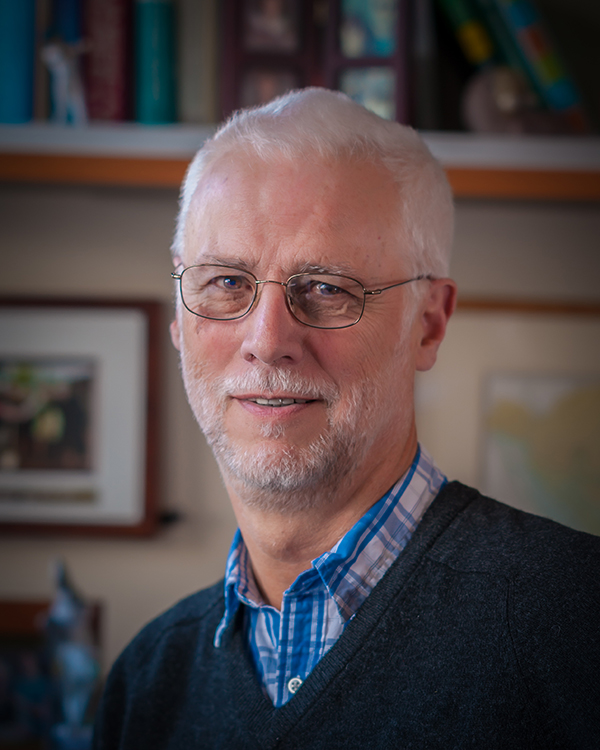
Allen School professor emeritus Richard Ladner has been elected a Fellow of the American Association for the Advancement of Science (AAAS) for his “distinguished contributions to the inclusion of persons with disabilities in the computing fields.” One of 26 leading scientists in the organization’s Information, Computing & Communications section to attain the rank of Fellow this year, Ladner has devoted the past two decades to research and advocacy aimed at making computing education and careers more accessible while designing technologies that empower all users.
A mathematician by training, Ladner helped establish the University of Washington’s theoretical computer science group shortly after joining the faculty in the early 1970’s. At the time, Ladner’s interest in disability issues was personal, having been raised by two parents who were deaf. Later, after he completed an American Sign Language course at a local community college, Ladner began doing volunteer work with people who were deaf and blind as well as writing about accessibility issues. Having worked on several accessibility projects in the 1980s and 1990s, his first full-time foray into accessible technology development — an experience that would alter the course of his career in terms of both research and advocacy — would not come until 2002.
That year, Ladner met Sangyun Hahn, a graduate student who was blind. Hahn related to his new advisor his frustration at being unable to easily access certain content in his textbooks, such as mathematical formulas and diagrams. Their discussions led to the launch of the Tactile Graphics project to automate the conversion of textbook figures into an accessible format. A series of accessibility projects followed, including MobileASL, a collaboration between Ladner and UW Electrical & Computer Engineering professor Eve Riskin to enable people to communicate using American Sign Language via a mobile phone; WebAnywhere, a non-visual platform enabling people who are blind to navigate the web using any browser, on any device, with Jeffrey Bigham (Ph.D., ‘09); Perkinput, a Braille-based text entry system for touchscreen devices, with Shiri Azenkot (Ph.D., ‘14) and iSchool professor Jacob Wobbrock; and Blocks4All, an accessible, touchscreen-based blocks environment for children who are blind to learn programming, with Lauren Milne (Ph.D., ‘18).
As a student with a disability, Hahn was a relative rarity in computer science graduate programs at the time he and Ladner met. When the latter turned his attention full-time from exploring the theoretical underpinnings of computing to making computing more accessible to all users, he recognized that one of the obstacles was the lack of pathways for more people with disabilities to pursue computer science and bring their perspectives to the development of new technologies. This led him to partner with Sheryl Burgstahler, director of UW’s DO-IT Center, to establish the Alliance for Access to Computing Careers, or AccessComputing, in 2006 with support from the National Science Foundation’s Broadening Participation in Computing program. AccessComputing helps high school, undergraduate and graduate students to build skills and connections with mentors and professional opportunities in the computing fields. So far, the program has directly served more than 2,400 students with disabilities through a range of activities, from academies and workshops to research and work-based internships.
Ladner subsequently teamed up with Andreas Stefik at the University of Nevada, Las Vegas to launch AccessCSforAll, an initiative aimed at providing accessible curriculum and resources to engage students with disabilities in K-12 computer science education. That work led Code.org and the Computer Science Teachers Association to name Ladner, Stefik and the Quorum programming team 2018 Computer Science Champions. A year later, Ladner and Stefik were again recognized — this time alongside collaborators William Allee and Sean Mealin — with a Best Paper Award from the Association for Computing Machinery’s Special Interest Group in Computer Science Education at the SIGCSE 2019 conference. In the winning paper, “Computer Science Principles for Teachers of Blind and Visually Impaired Students,” the team presented the results of its partnership with Code.org to review and revamp the Advanced Placement CSP curriculum and tools for accessibility.
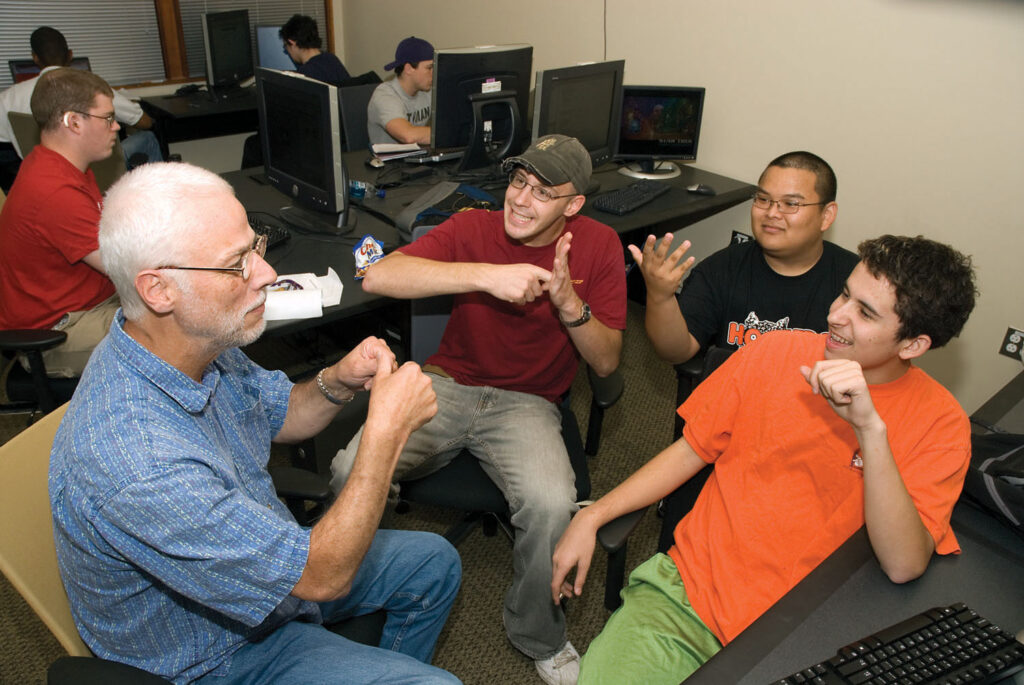
Ladner (left) converses with students in AccessComputing’s Summer Academy for Advancing Deaf and Hard of Hearing in Computing (Mary Levin)
In 2020, the National Science Board recognized Ladner with its Public Service Award for his exemplary science communication and diversity advocacy — the latest in a long line of previous accolades for his leadership on accessible technology and education that includes the Strache Leadership Award from the Center on Disabilities at University of California, Northridge, the Award for Outstanding Contributions to Computing and Accessibility from the ACM Special Interest Group on Accessible Computing (SIGACCESS), the Richard A. Tapia Achievement Award for Scientific Scholarship, Civic Science and Diversifying Computing from the Center for Minorities and People with Disabilities in Information Technology (CMD-IT), and more. Along the way, Ladner also earned the 2019 Harrold and Notkin Research and Graduate Mentoring Award — named in part for the late David Notkin, former chair of what was then known as the UW Department of Computer Science & Engineering — from the National Center for Women and Information Technology (NCWIT) for his long-standing efforts to advance gender diversity in computing.
Even after he officially attained emeritus status at the Allen School in 2017, Ladner remained active in research and mentoring students in addition to advocacy and program leadership. Over the course of his career, he has supervised or co-supervised 30 Ph.D. students and more than 100 undergraduate researchers — many of whom sought Ladner out for his focus on accessibility before that line of research entered the mainstream. Some of those same students later established the Richard E. Ladner Endowed Professorship, currently held by his faculty colleague Jennifer Mankoff, and the Richard Ladner Endowed Fund for Graduate Student Support in his honor.
Ladner also continues to build on his legacy of advocacy for engaging people with disabilities in technology development. The same year he was recognized for making the K-12 computer science curriculum more accessible, he helped establish the UW’s Center for Research and Education on Accessible Technology and Experiences (CREATE) alongside eight colleagues from multiple UW departments with an inaugural investment from Microsoft. Under the slogan “making technology accessible and making the world accessible through technology,” CREATE supports transformational, multidisciplinary research that will translate into real-world impact while building expertise in accessible technologies and increasing representation in the field for people with disabilities.
“Richard is truly a pioneer in the field of accessible computing,” said professor Magdalena Balazinska, director of the Allen School. “He understood the importance of fully including people with disabilities long before the rest of the field recognized this challenge and he continues to innovate today. He’s an inspiration to all of us.”
Ladner was previously elected a Fellow of the ACM and of the IEEE. He is one of four UW faculty members recognized in the 2021 class of AAAS Fellows, including Emily Carrington, who was honored in the Biological Sciences, and Julia A. Kovacs and Stefan Stoll, who were both honored in Chemistry. Founded in 1848, AAAS is the world’s largest general scientific society.
“You are what you eat,” as the saying goes. But not everyone has the same degree of choice in the matter. An estimated 19 million people in the United States live in so-called food deserts, where they have lower access to healthy and nutritious food. More than 32 million people live below the poverty line — limiting their options to the cheapest food regardless of proximity to potentially healthier options. Meanwhile, numerous studies have pointed to the role of diet in early mortality and the development of chronic diseases such as heart disease, type 2 diabetes and cancer.
Researchers are just beginning to understand how the complex interplay of individual and community characteristics influence diet and health. An interdisciplinary team of researchers from the University of Washington and Stanford University recently completed the largest nationwide study to date conducted in the U.S. on the relationship between food environment, demographics, and dietary health with the help of a popular smartphone-based food journaling app. The results of that five-year effort, published today in the journal Nature Communications, should give scientists, health care practitioners and policymakers plenty of food for thought.
“Our findings indicate that higher access to grocery stores, lower access to fast food, higher income and college education are independently associated with higher consumption of fresh fruits and vegetables, lower consumption of fast food and soda, and less likelihood of being classified as overweight or obese,” explained lead author Tim Althoff, professor and director of the Behavioral Data Science Group at the Allen School. “While these results probably come as no surprise, until now our ability to gauge the relationship between environment, socioeconomic factors and diet has been challenged by small sample sizes, single locations, and non-uniform design across studies. Different from traditional epidemiological studies, our quasi-experimental methodology enabled us to explore the impact on a nationwide scale and identify which factors matter the most.”
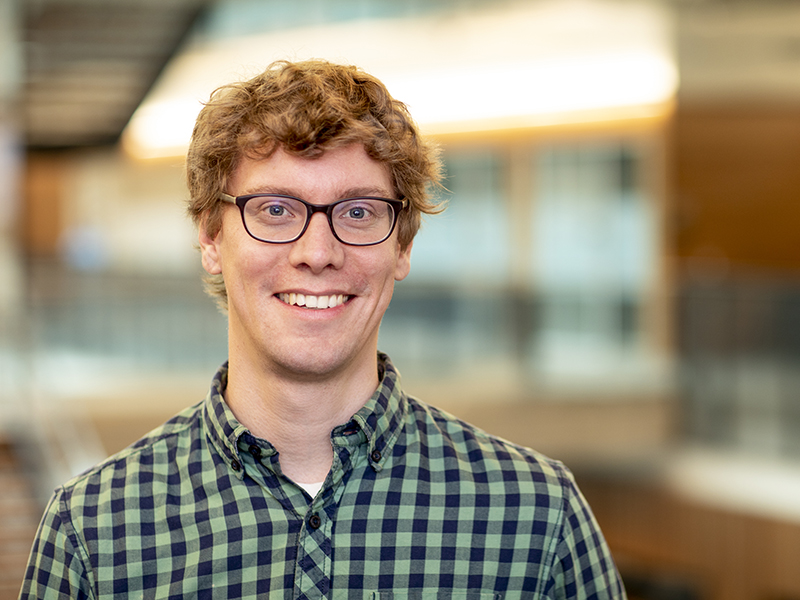
Tim Althoff (Dennis Wise/University of Washington)
Althoff ‘s involvement in the study dates from when he was a Ph.D. student at Stanford working with professor and senior author Jure Leskovec and fellow student and co-author Hamed Nilforoshan. Together with co-author Dr. Jenna Hua, a former postdoctoral fellow at Stanford University School of Medicine and founder and CEO of Million Marker Wellness, Inc., the team analyzed data from more than 1.1 million users of the MyFitnessPal app — spanning roughly 2.3 billion food entries and encompassing more than 9,800 U.S. zip codes — to gain insights into how factors such as access to grocery stores and fast food, family income level, and educational attainment contribute to people’s food consumption and overall dietary health.
The team measured the association of the aforementioned input variables with each of four dietary outcomes: fresh fruit and vegetable consumption, fast food consumption, soda consumption, and incidence of overweight or obese classified by body mass index (BMI). To understand how each variable corresponded positively or negatively with those outcomes, the researchers employed a matching-based approach wherein they divided the available zip codes into treatment and control groups, split along the median for each input. This enabled them to compare app user logs in zip codes that were statistically above the median — for example, those with more than 20.3% of the population living within half a mile of the nearest grocery store — with those below the median.
Among the four inputs the team examined, higher educational attainment than the median, defined as 29.8% or more of the population with a college degree, was the greatest positive predictor of a healthier diet and BMI. All four inputs were found to positively contribute to dietary outcomes, with one exception: high family income, defined as income at or above $70,241, was associated with a marginally higher percentage of people with a BMI qualifying as overweight or obese. But upon further investigation, these results only scratched the surface of what is a complex issue that varies from community to community.
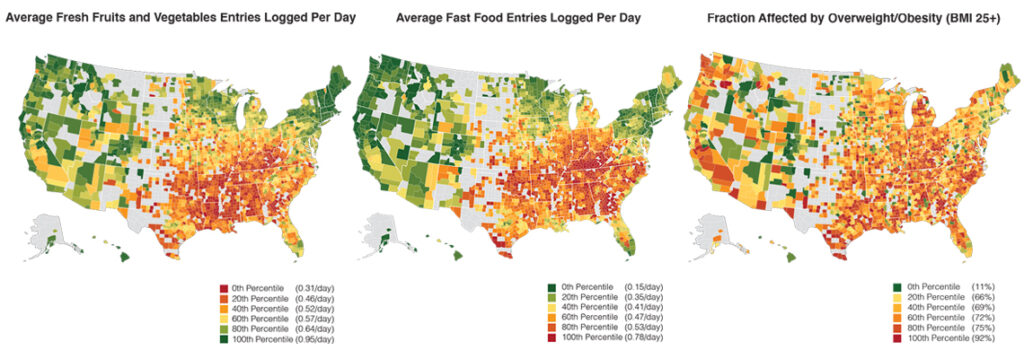
The team analyzed data on food consumption logged by fitness app users across more than 9,800 U.S. zip codes along with the percentage of residents affected by overweight/obesity in those communities. They found significant variation in dietary health across zip codes.
“When we dug into the data further, we discovered that the population-level results masked significant differences in how the food environment and socioeconomic factors corresponded with dietary health across subpopulations,” noted Nilforoshan.
As an example, Nilforoshan pointed to the notably higher association between above-median grocery store access and increased fruit and vegetable consumption in zip codes with a majority of Black residents, at a 10.2% difference, and with a majority of Hispanic residents, at a 7.4% difference, compared to those with a majority of non-Hispanic white residents, where he and his colleagues found only a 1.7% difference. These and other findings indicate that factors such as proximity to grocery stores or higher income, on their own, are not sufficient for people to bypass the drive-thru or kick the (soda) can to the curb — and that future attempts to address dietary disparities need to take variations across zip codes into account.
Left to right: Hamed Nilforoshan, Jenna Hua and Jure Leskovec
“People assume that if we eliminate food deserts, that will automatically lead to healthier eating, and that a higher income and a higher degree lead to a higher quality diet. These assumptions are, indeed, borne out by the data at the whole population level,” explained Hua. “But if you segment the data out, you see the impacts can vary significantly depending on the community. Diet is a complex issue! While policies aimed at improving food access, economic opportunity and education can and do support healthy eating, our findings strongly suggest that we need to tailor interventions to communities rather than pursuing a one-size-fits-all approach.”
Althoff believes that both the team’s approach and its findings can guide future research on this complex topic that has implications for both individuals and entire communities.
“We hope that this study will impact public health and epidemiological research methods as well as policy research,” said Althoff. “Regarding the former, we demonstrated that the increasing volume and variety of consumer-reported health data being made available due to mobile devices and applications can be leveraged for public health research at unprecedented scale and granularity. For the latter, we see many opportunities for future research to investigate the mechanisms driving the disparate diet relationships across subpopulations in the U.S.”
There are many options for mapping and route planning on a smartphone, but one thing they all have in common is their car-centric nature. Those apps that do support pedestrian navigation tend to make assumptions about a user that are at best inaccurate, and at worst dangerous.
For residents and visitors in three western Washington cities, that changes today with the release of the AccessMap mobile app. The app, which was developed by the Taskar Center for Accessible Technology housed at the Paul G. Allen Center of Computer Science & Engineering at the University of Washington and is based off of the web-based tool of the same name, enables users of Android and iOS in the cities of Seattle, Bellingham and Mount Vernon to generate customized walking directions on the go based on their own mobility needs and preferences. The app’s release coincides with the International Day of Persons with Disabilities, an annual observance initiated by the United Nations to promote the rights and well-being of persons with disabilities in all spheres of society, including political, social, economic and cultural life.
“Many apps offer some semblance of pedestrian directions, but those directions assume a user profile that ignores the lived experience of a vast number of people,” explained Anat Caspi, director of the Taskar Center. “They make assumptions about the steepness of hills you can take, how speedy you will be, and what constitutes a safe walking or rolling environment. Some apps don’t even provide basic information like whether or not there is a sidewalk. Rather than this one-size-fits-all approach, AccessMap empowers people by giving them the ability to tailor a route that suits them as individuals.
“This is significant not only because of the departure from the mass-produced apps,” she continued. “Even apps that are ‘accessibility-minded’ tend to lump together specific device use, like putting all manual wheelchair users or power wheelchair users in one category. Our research shows dramatic variability even within the same device user group, and this is also addressed by AccessMap.”
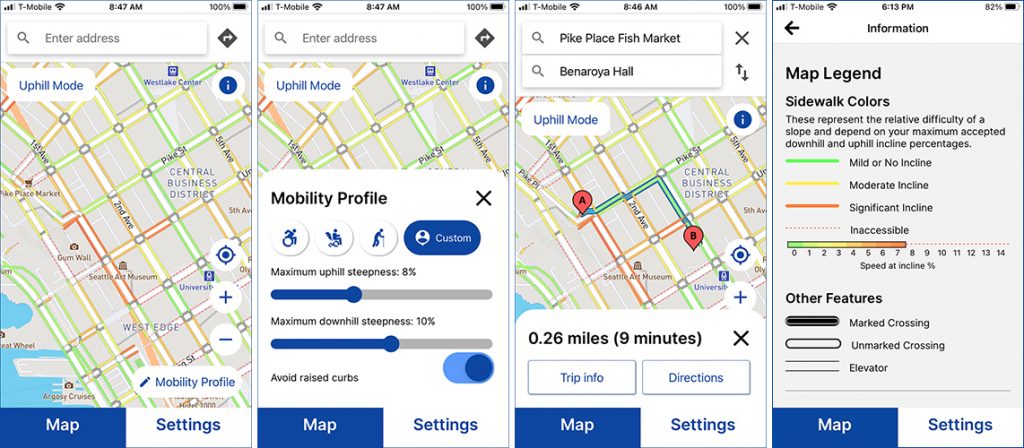
The ability to personalize their navigation options tied to real-world constraints, informed by a series of user studies during the development phase, will open up new avenues of accessibility for people with and without mobility impairments. For example, a user can request a route that takes them through intersections with “curb cuts,” which make it easier for people with strollers as well as wheelchairs to cross the street. Users can also specify a path that will enable them to avoid steep hills. The app — which is screen-reader accessible for people who are blind or low-vision — comes pre-loaded with three pedestrian profiles tailored to users who rely on a manual wheelchair, power wheelchair, or cane, along with the option to customize settings like maximum incline according to personal preference. Like other popular navigation apps, AccessMap includes color-coded maps that enable users to see at a glance which streets would be most favorable for travel; unlike those other apps, the emphasis here is on sidewalk traversability rather than automobile traffic.
Another aspect of AccessMap that sets it apart from other navigation tools: the sensitive nature of users sharing details of their personal mobility needs. For this reason, each user’s profile and preferences — for example, requests for wheelchair-accessible routes or maximum incline settings — is stored locally on their phone.
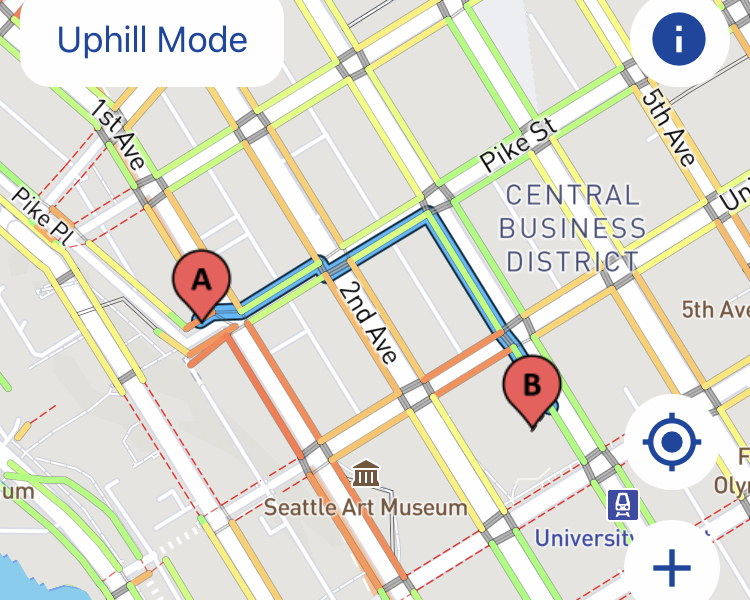
AccessMap enables users to select from among three preset pedestrian profiles or customize their own to obtain directions following an accessible route between Point A and Point B. The different colors shown on the map allow users to determine accessible sidewalk routes at a glance. Users’ personal mobility profiles are stored on their phone to preserve their privacy.
The process of turning the original web-based tool into a mobile app began in earnest in the summer of 2020 and further ramped up this past summer, when Caspi and Allen School postdoctoral researcher Nick Bolten assembled a team of undergraduate students to take on the task of translating the existing AccessMap into a user-friendly — and accessible — mobile interface. In addition to being a technical achievement, the project represented a unique learning opportunity for student researchers Xianxian Cheng, Jay Lin, and Eric Yeh.
For Yeh, AccessMap was an opportunity to combine his desire to have a positive impact on the community with the prospect of doing something he had never done before: build a mobile app from scratch.
“The main roadblock for me was having no development experience other than coursework at the time. Although I ran into a lot of bugs and issues along the way, those struggles helped me to understand how mobile apps are built and compiled,” recalled Yeh, a senior computer science major in the Allen School who is also pursuing a minor in neural engineering. “I had the opportunity to implement a large range of features such as the map, accessibility settings, and user feedback. I did not expect my very first project to expand to the scale that it is now, and it’s amazing to see how it has evolved from a barebones map to a fully functional application.”
Lin became interested in mobile app accessibility after taking the Allen School’s Interaction Programming course and making the connection between accessibility issues associated with commonly used apps and other disciplines.
“After taking classes in the Disability Studies department, I realized that there’s quite a lot of overlap between issues in technology and with legal/social justice,” explained Lin, a fourth-year student who splits their time between UW Bothell’s computer science program and the aforementioned disability studies at UW Seattle. “What’s common in these two topics is that disability rights and accessibility are often treated as an afterthought, yet this impacts a large part of your audience or user base.”
Support from the U.S. Department of Transportation paved the way for AccessMap’s move to mobile through a multi-year grant awarded to the Taskar Center and its partners in the Transportation Data Equity Initiative. Today’s release represents a step toward one of USDOT’s primary goals for that grant: to promote multimodal accessibility that includes transportation options such as bus and rail.
“Multimodal accessibility is key to providing a more useful pedestrian trip planner, as strictly pedestrian travel is usually just a subset of an overall trip,” noted Bolten, who co-led development of the original AccessMap while earning his Ph.D. from the UW Department of Electrical & Computer Engineering. “Other trip segments may involve boarding a bus, boarding a train, or driving a car, all of which must then interface with the pedestrian network. For example, choosing the right bus stop will surely depend on the accessibility of the surrounding pedestrian network, so picking the best bus and pedestrian routes aren’t independent things: they should be co-planned.
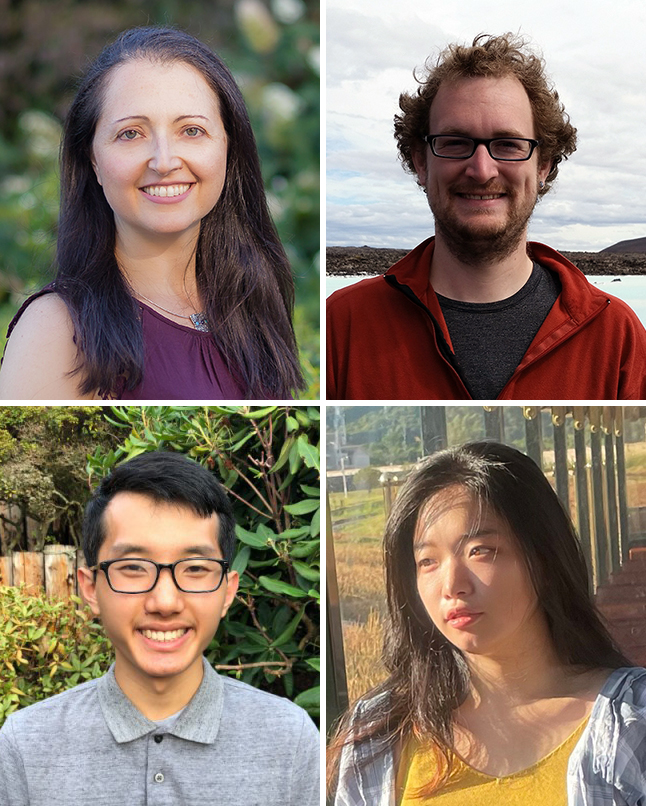
The team, clockwise from top left: Anat Caspi, Nick Bolten, Xianxian Cheng and Eric Yeh (not pictured: Jay Lin)
“In addition, every pedestrian trip planning question can also be thought of as an analysis of the network itself: how accessible is a city, a neighborhood, or all paths to a grocery store?” he continued. “A multimodal network will also ‘upgrade’ those questions and enable data-based conversations about public transportation and infrastructure.”
The three cities currently covered by the app are just the beginning. Caspi and her team have plans to extend coverage to the eastern side of Lake Washington, along the Bellevue-Redmond corridor, as well as to the city of Austin, Texas. The group is also collaborating with municipalities, transit agencies and advocacy groups to collect data for new cities, including Los Angeles, California and four Latin American cities as part of a partnership with international nonprofit G3ict and Microsoft’s AI4Accessibility initiative, to extend the app’s coverage even further — plans that align with the Taskar Center’s mission of designing for the fullness of the human experience, which will enable people to fully participate in civic life.
That goal is one that AccessMap’s student developers will carry with them into their future work.
“Working on AccessMap has helped me to see how people see, hear, feel, touch, and perceive the world in their own ways. There are some experiences we may take for granted, but we should always remember there may be constraints that are invisible to our eyes which might harm others who have different ways of interacting with the world on a daily basis,” said Cheng, a senior studying informatics and user experience designer for the AccessMap app. “I feel honored that I could be a part of this digital translation that leverages accessible user experience.”
The AccessMap mobile app is available now from Apple’s App Store (iOS) and Google Play (Android). Government agencies, municipalities, institutions and community organizations interested in having their city included in the next release of AccessMap may submit their request to the team via email at opensidewalks@gmail.com. Read more →
A new endowed professorship fund named for professor Ed Lazowska honors his many technical, leadership and service contributions. Dennis Wise/University of Washington
That maxim once graced the top of Allen School professor Ed Lazowska’s homepage before he evidently decided to tone things down upon reaching his 70s. Anyone who knows Lazowska can’t imagine him actually toning anything down; as a motto, those words perfectly encapsulate the fervor with which he has approached all things related to the Allen School, the University of Washington, and the local technology community over a career spanning more than four decades. During that time, he has been one of the Puget Sound region’s most vocal champions — and among Washington students’ staunchest advocates — when it comes to expanding economic opportunity through the growth of computing education, research, entrepreneurship, and business activity in the state.
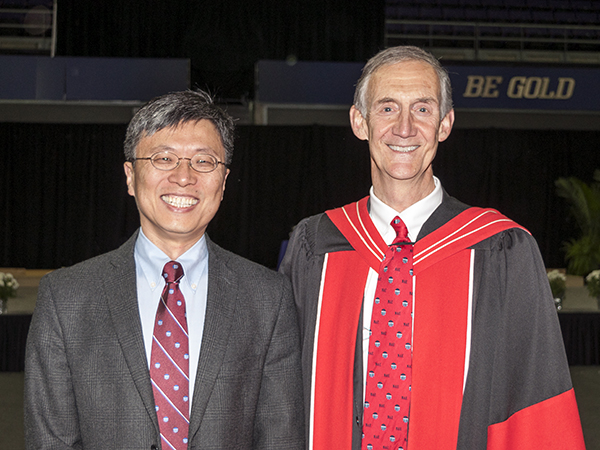
Last year, a group of technology leaders who have worked alongside Lazowska to boost the UW and greater Seattle as innovation hotspots came together to recognize his outsized impact. Peter Lee, corporate vice president of research and incubations at Microsoft, and Allen School alumnus Jeffrey Dean (Ph.D., ‘96), a Google Senior Fellow and senior vice president of Google Research and Google Health, hatched a plan to cement their friend and colleague’s legendary status to mark his 70th birthday. They teamed up with Brad Smith, president and vice chair of Microsoft, and Harry Shum, emeritus researcher at Microsoft, to make a combined $1 million gift to the UW. The purpose of their gift was to establish the Endowed Professorship in Computer Science & Engineering in Honor of Edward D. Lazowska to support the recruitment and retention of faculty who will advance the Allen School’s leadership in the field — and serve as a lasting tribute to how Lazowska has uplifted students, colleagues, and the entire computing community.
“In increasing order of importance to my life and career, Ed has been an academic colleague, teacher, mentor, and friend. And I am far from alone,” said Lee, who was a faculty member and chair at Carnegie Mellon University’s Computer Science Department and a DARPA Office Director before he joined Microsoft. “His direct positive influence on so many bright and ambitious minds, especially in their formative years, has had an impact on the world that will last for decades to come.”
Peter Lee (Courtesy of Microsoft)
At first, Lee and his co-conspirators kept the plan hush-hush in the hopes of being able to celebrate their gift with Lazowska in person. When the ongoing pandemic scuppered those plans, they decided instead to surprise him on his birthday with a virtual reveal. In the summer of 2020, Lee reached out to Lazowska to set up an online meeting. The latter assumed it would be a work-related discussion.
“Peter requested that we Zoom on the Saturday before my 70th birthday. When I logged on, Jeff, Brad and Harry were there, as well,” Lazowska recalled. “They told me what they had done, and what they planned to do, and I was literally in tears by the end. I can’t overstate what their friendship and support has meant to me and to the school over the years. They’ve always stepped up whenever I’ve asked for help. But this just blew my mind.”
The trajectory of UW Computer Science & Engineering itself has been mind-blowing since Lazowska’s arrival. He joined the faculty of what was then known as the Department of Computer Science — the “& Engineering” would come later — in 1977, the same year he earned his Ph.D. from the University of Toronto. His early research focused on the development of effective performance evaluation techniques to gain insights into computer system design issues. He was part of the UW team that secured the first five year, $5 million award in the National Science Foundation’s Coordinated Experimental Research Program in the early 1980s, which established the department as a leader in academic research focused on computer systems and contributed to UW’s ranking among the top 10 research-doctorate programs by the National Academies.
Later, Lazowska turned his attention to the design and implementation of distributed and parallel computer systems, for which he and his students and faculty collaborators produced a number of widely-embraced approaches to kernel and system design, including thread management, high-performance local and remote communication, load sharing, cluster computing, and the effective use of the underlying architecture by the operating system. His contributions would yield a series of firsts for the Allen School: the first faculty member to be named a Member of the National Academy of Engineering; the first Fellow of the American Academy of Arts & Sciences; and the first holder of an endowed chair, the Bill & Melinda Gates Chair in Computer Science & Engineering, which he held from 2000 to 2020.
Jeff Dean (Courtesy of Google)
Lazowska’s tenure as department chair from 1993 to 2001 was characterized by a strong commitment to service and advocacy. K-12 education was a cause he felt particularly strongly about; in a partnership with Seattle Public Schools, Lazowska spearheaded the development of district-wide technology standards and assisted with raising the funds required to install school-based networks. These and other contributions at the local, state and national level would earn him the 1998 UW Outstanding Public Service Award — one of many university-based accolades Lazowska has earned during his tenure.
With the local tech scene rising in prominence, Lazowska harbored grand ambitions for UW CSE that went beyond technical excellence. When he first joined the department, the faculty numbered a grand total of 13 members — all of them men. Once freed of the day-to-day administrative burden of running an academic unit, Lazowska would direct even more of his famous energy to initiatives that would diversify the field of computing at all levels while continuing to build up the UW program in both size and stature.
By 2015, the Allen School had increased the percentage of undergraduate computer science degrees awarded to women to more than twice the national average among peer institutions. This milestone would lead the National Center for Women & Information Technology (NCWIT) to recognize the school with its inaugural NEXT Award. That was a good start, but Lazowska knew the school could — and should — do more. Around that time, Dean and his wife, Heidi Hopper, reached out to Lazowska looking to support initiatives focused on broadening participation. Through their foundation, the couple bolstered the school’s efforts to intensify its outreach to underserved communities and build out an infrastructure for supporting students from diverse backgrounds once they arrive on campus. Lazowska was also a leading proponent of the Allen School’s participation in the LEAP Alliance — short for DIversifying LEAdership in the Professoriate — working with the Center for Minorities and People with Disabilities in IT and other leading computer science programs to recruit and mentor Ph.D. students from underrepresented groups to prepare them for faculty careers.
“Ed is an inspirational computer scientist and leader,” said Dean. “I have deep respect for him as an educator from our multi-year partnership working to improve computer science education and broaden the participation of underrepresented groups in computing. He has been talking about this issue for decades — and one of the many things I like about Ed is that he translates talk into action that gets results.”
From left: Ed Lazowska, Brad Smith, UW President Ana Mari Cauce and Paul G. Allen toast the creation of the Allen School in 2017. Kevin Lisota
Perhaps the most visible result of Lazowska’s action-oriented approach is a pair of state-of-the-art buildings sitting across from one another at the heart of the UW Seattle campus. The Paul G. Allen Center, which opened in 2003, offered what was then still known as the Department of Computer Science & Engineering its first state-of-the-art home, while the Bill & Melinda Gates Center, which opened in 2019, doubled the school’s space while emphasizing the undergraduate student experience. Lazowska was the driving force behind the fundraising for both, in partnership with tech community leaders. In between, he was instrumental in orchestrating the elevation of the department to a school through an endowment from Paul Allen and Microsoft.
The buildings were not a luxury but a necessity; in addition to fierce competition for faculty and research dollars, there was also the matter of where to put an increasing number of students clamoring for admission to the program. Lazowska, for his part, did whatever he could to expand the school’s capacity to serve more students. He was an early evangelist for linking the growth of the technology sector in Washington with creating career paths for Washington’s students. Armed with slide after slide projecting the dramatic growth of computing jobs in the state and nationally — and the corresponding shortage of in-state graduates to fill those jobs — Lazowska would make the case to anyone willing to listen that the future of Washington’s tech industry and of its young people depended on investing in computer science education. He was a frequent visitor to the state capitol in Olympia, where he joined forces with Smith and other local technology leaders to drive the point home.
Their message found a receptive audience. In 2012, the legislature initiated the first enrollment increase in Computer Science & Engineering at the state’s flagship university in a dozen years. That appropriation turned out to be a down payment on roughly a decade of transformational growth. As fast as the legislature could fund additional student slots, the program expanded. By 2021, the Allen School had more than doubled its degree production to more than 630 graduates per year; the school is now on track to approach 700 degrees annually within the next few years, thanks to the legislature’s support.
“Ed has always been the most effective advocate for the cause of science and technology research and education,” said Lee, “and the secret to his effectiveness is that his focus has always been on helping people to realize their dreams.”
Harry Shum (left) and Ed Lazowska at the Allen School’s 2018 graduation event, where Shum was the featured speaker. Karen Orders Photography
After Lee, Dean, Smith and Shum revealed their gift to Lazowska in the summer of 2020, they embarked on a quiet campaign to encourage a small number of others to contribute at a significant level so that the fund would be able to award multiple professorships. Since then, the school has issued a broader appeal to alumni and friends who may also wish to contribute. Lazowska has largely been kept in the dark throughout, other than being aware that the fundraising is ongoing and that members of the extended Allen School community have been invited to participate. While the school will continue to welcome contributions to the endowment in the future, the official fundraising campaign will conclude at the end of this year and the full complement of donors will be revealed. The Allen School plans to host a celebratory event in the spring.
While the initial donors hope the endowment will continue to grow, their support has already enabled the Allen School to select the recipient of the first Lazowska Professorship: Luis Ceze, a faculty member since 2007. Ceze, who began his career in computer architecture, has since expanded into software/hardware co-design, full-stack optimization of machine learning applications, and new capabilities at the intersection of computing and biology like digital data storage in synthetic DNA in partnership with researchers at Microsoft. Ceze is also co-founder and CEO of OctoML, an Allen School spinout that helps companies to accelerate deployment of machine learning applications across a range of hardware platforms and which has raised more than $130 million in venture funding to date.
“Ed is a force of nature, and he cares deeply about our students and the community,” said Magdalena Balazinska, professor and director of the Allen School. “He also always has one eye on the future, whether it be his vision in setting up the UW eScience Institute in response to the growing importance of data-intensive discovery, or his early recognition of how important cloud computing would become, or his various service roles aimed at making our discipline more welcoming and inclusive.
“Luis is similarly forward-looking, propelling our school and our field in new directions and exemplifying that spirit of collaboration, innovation, and inclusiveness which we want to amplify with this new professorship,” Balazinska continued. “I’m grateful to Peter, Jeff, Brad, and Harry for their friendship and support over the years. Their latest gift is a wonderful way to pay tribute to Ed for everything he has done for our school and for our field.”
Luis Ceze, holder of the first Endowed Professorship in Computer Science & Engineering in Honor of Edward D. Lazowska. Tara Brown Photography
As specified in the endowment agreement, the professorship will be renamed the Edward D. Lazowska Endowed Professorship in Computer Science & Engineering once its namesake retires from the UW. In the meantime, the founding donors hope that still more friends and alumni will join them in contributing to the endowment.
“It’s all totally amazing, and really moving. And in addition to being an incredible honor for me, it will be powerful in helping the Allen School to recruit and retain great faculty,” Lazowska said. “I’m deeply grateful to those who have honored me, and I’m thrilled that Luis has been awarded the first professorship. He’s emblematic of the future of the Allen School: he’s smart, he’s creative, he’s both broad and deep, he’s a wonderful colleague and collaborator, and he’s a good human being.”
As another famous maxim goes, “It takes one to know one.”
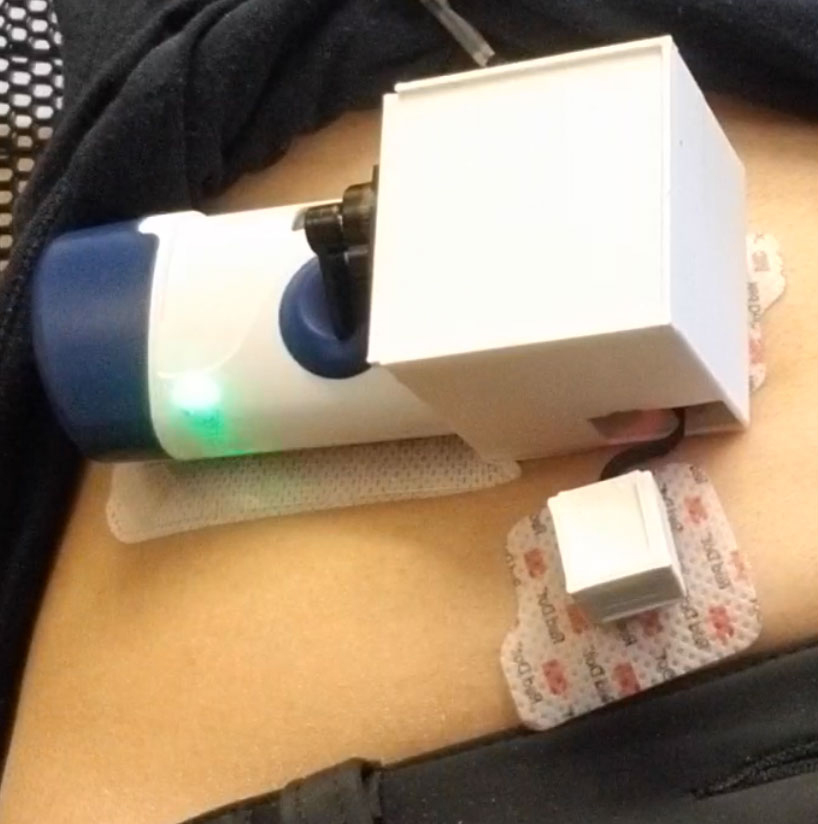
Researchers at the UW and West Pharmaceutical Services have prototyped a wearable device capable of detecting signs of an opioid overdose to automatically deliver a subcutaneous dose of naloxone.
While COVID-19 gets most of the headlines these days, another epidemic has been plaguing communities for years before the emergence of the novel coronavirus. The opioid epidemic, which the United States declared a public health emergency in 2017, has impacted millions of lives — many permanently. According to the latest figures from the U.S. Department of Health and Human Services, in one year alone, roughly 10 million people misused prescription opioids and 1.6 million were diagnosed with an opioid use disorder. More than 48,000 people died from an overdose of synthetic opioids other than methadone, with an estimated 14,500 additional deaths attributed to heroin overdose.
An injectable medication, naloxone, is known to rapidly reverse the effects of opioid toxicity if it is administered in time. For people who are alone when an overdose occurs, however, time is not on their side.
A team of University of Washington researchers led by Allen School professor Shyam Gollakota and Dr. Jacob Sunshine, a physician scientist in UW Medicine’s Department of Anesthesiology and Pain Medicine, set out to change that by devising a solution that integrates state-of-the-art computational capabilities with a commercially available, wearable injector platform for subcutaneous drug delivery manufactured by West Pharmaceutical Services. The resulting prototype, which the researchers describe in a paper published today in the journal Scientific Reports, is capable of automatically delivering a life-saving dose of naloxone to a person at the first sign of distress — without waiting for outside intervention.
“The opioid epidemic has become worse during the pandemic and has continued to be a major public health crisis,” said Allen School Ph.D. student and lead author Justin Chan in a UW Medicine news release. “We have created algorithms that run on a wearable injector to detect when the wearer stops breathing and automatically inject naloxone.”
Justin Chan
The battery-powered device is designed to be worn on the stomach, similar to an insulin pump, and consists of three parts: the injector system; a sensor patch comprising a pair of on-body accelerometers to detect coarse motion — i.e., movement of body and limbs — and breathing motion, which is attached to a microcontroller running a motion detection algorithm to process the data; and an actuator in the form of a servo motor that automatically activates the injector if the algorithm detects an overdose event. The combination of onboard sensing and lower-power processing enables the device to measure the wearer’s motion as an indicator of their safety in real time — and, most crucially, deliver intervention once that motion has ceased. Built-in Bluetooth capability allows for the option of transmitting data to a companion app loaded onto a nearby smartphone.
“Further work is needed, but this closed-loop system could potentially be transformative if it allowed an unwitnessed overdose to be detected and immediately treated while help was on the way,” noted Sunshine, who is also an adjunct faculty member in the Allen School.
To validate their system, Sunshine, Gollakota, Chan and their co-authors — former UW Electrical & Computer Engineering Ph.D. student and current Allen School professor Vikram Iyer, Allen School alumnus Anran Wang (Ph.D., ‘21), UW Medicine’s Dr. Preetma Kooner, and Alexander Lyness of West Pharmaceutical Services — needed to confirm the accuracy of the sensor measurements and demonstrate that their processing algorithm could distinguish the prolonged apnea events that indicate an overdose to rapidly deliver the naloxone when needed. They accomplished this through carefully constructed studies conducted, with participants’ informed consent, in two different settings: the InSite supervised injection facility in Vancouver, B.C., and the UW Medical Center.
In the first study, at InSite in Vancouver, the team fitted participants with a respiration belt to establish a reference standard for respiratory activity, followed by placement of the sensor patch on the abdomen to collect data on their breathing before, during and after their opioid self-injection, which takes place under medical supervision. During the course of the study, two people experienced apneas post-injection, in the absence of an overdose, which the team’s algorithm correctly identified.
Shyam Gollakota (left) and Dr. Jacob Sunshine
The hospital study involved healthy volunteers who experienced simulated overdose conditions that would trigger the end-to-end system to administer naloxone. Fitted with the prototype injector system, participants were asked to perform a pair of breathing exercises to set a baseline for their respiration, followed by a self-induced simulated apnea event involving holding their breath for 20 seconds. At the 15-second mark, the algorithm successfully registered their simulated overdose condition, leading the actuator to activate delivery of the naloxone. Laboratory analysis of post-delivery blood draws proved that the device had, indeed, delivered naloxone to the individuals as the researchers intended.
This is not the first time Sunshine and Gollakota have teamed up to use technology in response to what some refer to as a silent epidemic. In 2019, the duo and then-Ph.D. student Rajalakshmi Nandakumar, now a faculty member at Cornell University, described a smartphone-based tool that enabled contact-free monitoring of a person’s breathing and movements to detect signs of opioid overdose. The app, which the team dubbed Second Chance, was designed to provide a way for people in danger of overdosing to connect to a friend or first responders. According to Gollakota, the team’s latest work builds on the lessons learned during the app development — while shaving precious minutes off of the potential response time in an emergency.
Clockwise from top left: Vikram Iyer, Anran Wang, Alexander Lyness and Dr. Preetma Kooner
“With our prior work, we showed how to detect the signs of an overdose. However the big challenge was getting naloxone to the person in a timely manner,” explained Gollakota, who holds the Torode Family Career Development Professorship in the Allen School. “This proof of concept goes a lot further and creates a closed-loop system that can not only automatically detect signs of overdoses but also inject naloxone to reverse the overdose events. This has the potential to be transformative for millions of people who have opioid overdose disorder.”
As a drug delivery device, the auto-injector system would require approval from the U.S. Food and Drug Administration. In consideration of the ongoing public health emergency, the FDA recently released technical guidance for demonstrating the reliability of such emergency-use injector devices. The team also expects additional user studies will be needed to ascertain that people will be able to place and detach such a device without assistance. Gollakota and his colleagues hope that their prototype represents one more step toward making such devices widely available — which could save tens of thousands of lives annually in the U.S. alone.
“We are hopeful it can have a real tangible impact on a real big source of suffering in this country,” Gollakota said.
While 18 months of pandemic-induced remote learning and research may have brought a feeling of stasis to many areas of our lives, there is one where the opposite is true: Allen School faculty hiring. Over the past two hiring cycles, the school managed to move forward via virtual campus tours and interviews conducted via Zoom, with the result that 15 new faculty members have joined or will soon be joining our community. As we return to campus and settle into familiar routines once again, we look forward to celebrating the contributions of these outstanding educators and innovators who will strengthen our leadership at the forefront of our field while building on our commitment to advancing computing for social good.
“Our new faculty members bring expertise in core and emerging areas and will help us to expand our leadership in computing innovation and in applying computing innovation to society’s most pressing challenges,” said Magdalena Balazinska, professor and director of the Allen School. “I am excited to work alongside them to build on our tradition of delivering breakthrough research while educating the next generation of leaders in our field, forging high-impact collaborations across campus and in the broader community, and creating an environment that is supportive and welcoming to all.”
Advancing secure and scalable systems
Leilani Battle: Human-centered data management, analysis, and visualization
Leilani Battle applies a human-centered perspective to the development of scalable analytics systems to solve a range of data-intensive problems. While her research is anchored in the field of databases, Battle employs techniques from human-computer interaction and visualization to integrate large-scale data processing with interactive visual analysis interfaces. Using this integrative approach, she designs and builds intelligent exploration systems that adapt to diverse users’ needs, goals and behaviors — making it easier for people to understand and leverage data to support more effective decision making. An example is ForeCache, a prediction system designed to allow researchers to more efficiently browse and retrieve data while reducing latency via prefetching. Battle also develops techniques for evaluating the performance of exploration systems in order to build more effective models of human analysis behavior.
Battle is no stranger to the UW; she earned her bachelor’s degree in computer engineering from the Allen School in 2011 and later returned to complete a postdoc with the UW Database Group and UW Interactive Data Lab. She rejoined the school — this time as a faculty member — this past summer after spending three years as an assistant professor at the University of Maryland, College Park. Battle earned her Ph.D. from MIT in 2017 and was named one of MIT Technology Review’s Innovators Under 35 last year.
David Kohlbrenner: Trustworthy hardware and software
David Kohlbrenner joined the Allen School faculty as a co-director of the Security and Privacy Research Lab in fall 2020 after completing a postdoc at the University of California, Berkeley and his Ph.D. from the University of California San Diego. Kohlbrenner’s research spans security, systems, and architecture, with a particular focus on the impact of hardware design and behavior on high-level software security.
Through a series of practical projects involving real-world test cases, Kohlbrenner explores how to build trustworthy systems that are resilient to abstraction failures. His contributions include Keystone, an open-source framework for building flexible trusted execution environments (TEEs) on unmodified RISC-V platforms, and Fuzzyfox, a web browser resistant to timing attacks. The time fuzzing techniques Kohlbrenner implemented as part of the latter project were subsequently incorporated into the Chrome, Edge and Firefox browsers. Kohlbrenner’s ongoing work aims to address open problems in the prevention of risks caused by novel microarchitectural designs, expanding the capabilities of the Keystone framework, and to support secure deployment of cloud FPGAs.
Simon Peter: Data center design for reliable and energy-efficient cloud computing
Simon Peter will join the Allen School faculty in January 2022 from the University of Texas at Austin, where he has spent the past six years on the faculty leading research in operating systems and networks. Peter focuses on the development and evaluation of new hardware and software that improves data center energy efficiency and availability while decreasing cost in the face of increased workloads. Much of Peter’s recent work has focused on redesigning the server network stack to dramatically lower latency and overhead while increasing throughput — ideas that have been deployed by Google on a large scale — as well as novel approaches for achieving significant performance improvements in file system and tiered memory management, low latency accelerators, and persistent memory databases.
Peter’s current work revolves around the development of techniques for building large-scale systems with lower operational latency — potentially 1000x lower. He is also exploring the design of power-resilient systems that can function reliably in an age of increasingly volatile energy supplies. Peter is already a familiar face at the Allen School, having completed a postdoc in the Computer Systems Lab after earning his Ph.D. from ETH Zurich. He is a past recipient of a Sloan Research Fellowship, an NSF CAREER Award, a SIGOPS Hall of Fame Award, and two USENIX Jay Lepreau Best Paper Awards.
Pushing the state of the art in artificial intelligence
Simon Shaolei Du: Theoretical foundations of machine learning
Simon Shaolei Du joined the Allen School in summer 2020 after completing a postdoc at the Institute for Advanced Study. Du’s research focuses on advancing the theoretical foundations of modern machine learning — with a particular emphasis on deep learning, representation learning and reinforcement learning — to produce efficient, principled and user-friendly methods for applying machine learning to real-world problems. To that end, he aims to leverage the principles that make deep learning such a powerful tool to build stronger models as well as take advantage of the structural conditions underpinning efficient sequential decision-making problems to design more efficient reinforcement learning algorithms.
Du’s contributions include the first global convergence proof of gradient descent for optimizing deep neural networks. He also demonstrated the statistical advantage of employing convolutional neural networks over fully-connected neural networks for learning image classification, earning an NVIDIA Pioneer Award for his efforts. He has published more than 50 papers at top conferences in the field, including the Conference on Neural Image Processing Systems (NeurIPS) and the International Conference on Machine Learning (ICML). Du holds a Ph.D. in machine learning from Carnegie Mellon University.
Abhishek Gupta: Robotics and machine learning
Abhishek Gupta will join the Allen School faculty in fall 2022 after completing a postdoc at MIT. He previously earned his Ph.D. from the University of California, Berkeley as a member of the Berkeley Artificial Intelligence Research (BAIR) Laboratory. Gupta’s research focuses on the development of deep reinforcement learning algorithms that will enable robotic systems to autonomously collect data and continuously learn new behaviors in real-world situations. His goal is to enable robots to function safely and effectively in human-centric, unstructured environments under a variety of conditions.
Already, Gupta has contributed to this emerging paradigm via a series of projects focused on robotic control via reinforcement learning. For example, he demonstrated algorithms for learning complex tasks via more “natural” forms of communication such as video demonstrations and human language. Gupta also designed systems that employ large-scale, uninterrupted data collection to learn dexterous manipulation tasks without intervention, while being capable of bootstrapping its own learning by leveraging only small amounts of prior data from human supervisors. In addition, he has explored techniques to enable the efficient transfer of learning across robots and tasks via exploratory and unsupervised RL algorithms, making fundamental contributions in algorithms and systems for robotic reinforcement learning. Looking ahead, Gupta aims to apply the data gathered from real-world deployment of such systems in truly human-centric environments to make robots more adaptive and capable of generalizing across a variety of tasks, objects and environments in practically relevant real world settings like homes, hospitals and workplaces.
Ranjay Krishna: Visual intelligence from human learning
Ranjay Krishna will join the Allen School faculty next September from Facebook AI Research, where he is spending a year as a research scientist after earning his Ph.D. from Stanford University. Krishna’s work at the intersection of computer vision and human computer interaction draws upon ideas from the cognitive and social sciences, such as human perception and learning, to enable machines to acquire new knowledge and skills via social interactions with people — and ultimately enable people to personalize artificial intelligence systems without the need for prior programming experience.
Krishna has applied this multidisciplinary approach to produce new representations and models that have pushed the state of the art in a variety of core computer vision tasks. For example, he introduced a new category of dense, detailed computational representations of visual information, known as scene graphs, that transformed the computer vision community’s approach to image captioning, objection localization, question answering and more. Krishna introduced the technique as part of his Visual Genome project that has since become the de facto dataset for pre-training object detectors for downstream tasks. He also collaborated on the development of an AI agent that learns new visual concepts from interactions with social media users while simultaneously learning how to improve the quality of those interactions through natural language questions and ongoing implicit feedback. Krishna intends to build on this work to establish human interaction as a core component of how we train computer vision models and deploy socially capable AI.
Ludwig Schmidt: Empirical and theoretical foundations of machine learning
Ludwig Schmidt joined the Allen School faculty this fall after completing a postdoc at University of California, Berkeley and spending a year as a visiting research scientist working with the robotics team at Toyota Research. He earned his Ph.D. from MIT, where he received the George M. Sprowls Award for best Ph.D. thesis in computer science for his work examining the application of approximate algorithms in statistical settings, including the reasons behind their sometimes unexpectedly strong performance in both theory and practice.
Schmidt’s current research advances the empirical and theoretical foundations of machine learning, with an emphasis on datasets, robust methods, and new evaluation paradigms for effectively benchmarking performance. For example, he and his collaborators assembled new test sets for the popular ImageNet benchmark to investigate how well current image classification models generalize to new data. The accuracy of even the best models fell by 11%–14%, which documented the extent to which distribution shift remains a major unresolved problem in machine learning that contributes to the brittleness of even state-of-the-art models. In another study, Schmidt and his colleagues effectively dispelled the prevailing wisdom around the problem of adaptive overfitting in classification competitions by demonstrating that repeated use of test sets does not lead to unreliable accuracy measurements. By combining theoretical insights with rigorous methodology, Schmidt’s goal is to ensure the machine learning systems that power emerging technologies are safe, secure, and dependable for real-world deployment.
Yulia Tsvetkov: Natural language processing for ethical, multilingual, and public-interest applications
Yulia Tsvetkov arrived at the Allen School this past summer from Carnegie Mellon University, where she earned her Ph.D. and spent four years as a faculty member of the Language Technologies Institute after completing a postdoc at Stanford. Tsvetkov engages in multidisciplinary research at the nexus of machine learning, computational linguistics and the social sciences to develop practical solutions to natural language processing problems that combine sophisticated learning and modeling methods with insights into human languages and the people who speak them.
Tsvetkov’s goal is to advance ethical natural language technologies that transcend individual language and cultural boundaries while also ensuring equitable access — and freedom from bias — for diverse populations of users. To that end, she and her collaborators have developed novel techniques for automatically detecting veiled discrimination and dehumanization in newspaper articles and in social media conversations, as well as tools for identifying subtle yet pernicious attempts at online media manipulation at scale while exploring how latent influences on the media affect public discourse across countries and governments. Her team is also pioneering language technologies for real-world high-stakes scenarios, including the use of socially responsible natural language analytics in child welfare decision-making. In addition, Tsvetkov and her colleagues have made fundamental contributions toward enabling more intelligent, user- and context-aware text generation with applications to machine translation, summarization, and dialog modeling. They introduced continuous-output generation, an approach to training natural language models that dramatically accelerates their training time, and constraint-based generation, an approach to incorporating fine-grained constraints at inference time from large pretrained language models to control for various attributes of generated text.
Innovating at the intersection of computing and biology
Vikram Iyer: Wireless systems, bio-inspired sensing, microrobotics, and computing for social good
Vikram Iyer connects multiple engineering domains and biology in order to build end-to-end wireless systems in a compact and lightweight form factor that push the boundaries of what technology can do and where it can do it. He has produced backscatter systems for ultra-low power and battery-free sensing and communication, 3D-printed smart objects, insect-scale robots, and cameras and sensors small enough to be carried by insects such as beetles, moths and bumblebees. His work has a range of potential applications, including environmental monitoring, sustainable computing, implantable medical devices, digital agriculture, and wildlife tracking and conservation. Last year, he worked with Washington state’s Department of Agriculture to wirelessly track the invasive Asian giant hornet — also known as the “murder hornet” — leading to the destruction of the first nest in the United States.
Iyer, who joined the faculty this fall after earning his Ph.D. from the UW Department of Electrical & Computer Engineering, was already a familiar face around the Allen School thanks to his collaboration with former advisor — now faculty colleague — Shyam Gollakota in the Networks & Mobile Systems Lab. He earned a 2020 Paul Baran Young Scholar Award from the Marconi Society, a 2018 Microsoft Ph.D. Fellowship, and Best Paper awards from Sensys 2018 and SIGCOMM 2016 for his work on 3D localization of sub-centimeter devices and backscatter technology enabling wireless connectivity for implantable devices, respectively.
Sara Mostafavi: Computational biology and machine learning to advance our understanding and treatment of disease
Sara Mostafavi joined the Allen School faculty in fall 2020 after spending five years as a faculty member at the University of British Columbia. Mostafavi, who holds a Ph.D. from the University of Toronto, focuses on the development of machine learning and statistical methods for understanding the complex biological processes that contribute to human disease. Her work is highly multidisciplinary, involving collaborators in immunology, neurosciences, genetics, psychiatry, and more.
Mostafavi is particularly interested in developing computational tools that enable researchers to distinguish meaningful relationships from spurious ones across high-dimensional genomic datasets. For example, her group developed models that account for hidden confounding factors in whole-genome gene expression studies in order to disentangle cause-and-effect relationships of upstream genetic and environmental variables that may contribute to neurodegenerative disease. Using this new framework, researchers identified a group of signaling genes linked to neurodegeneration that has yielded potential new drug targets for Alzheimer’s disease. Building on this and other past work, Mostafavi and her colleagues explore the application of deep learning and other approaches to unravel contributing factors in neurodegenerative and psychiatric diseases, the relationship between genetic variation and immune response, and the causes of rare genetic diseases in children.
Jeff Nivala: Molecular programming and synthetic biology
Jeff Nivala is a research professor in the Allen School’s Molecular Information Systems Lab (MISL), a partnership between the UW and Microsoft that advances technologies at the intersection of biology and information technology. Nivala’s research focuses on the development of scalable storage and communication systems that bridge the molecular and digital interface. Recent contributions include Porcupine, an extensible molecular tagging system that introduced the concept of “molbits,” or molecular bits, which comprise unique barcode sequences made up of strands of synthetic DNA that can be easily programmed and read using a portable nanopore device. Nivala also led the team behind NanoporeTERS, a new kind of engineered reporter protein for biotechnology applications that enables cells to “talk” to computers. The system represented the first demonstration of the utility of nanopore readers beyond the DNA and RNA sequencing for which they were originally designed.
Nivala joined the Allen School faculty this past spring after spending nearly four years as a research scientist and principal investigator in the MISL. His arrival was a homecoming of sorts, as he previously earned his bachelor’s in bioengineering from the UW before going on to earn his Ph.D. in biomolecular engineering at the University of California Santa Cruz and completing a postdoc at Harvard Medical School. He earned a place on Forbes’ 2017 list of “30 under 30” in science and holds a total of nine patents awarded or pending.
Chris Thachuk: Molecular programming to enable biocomputing and precise assembly at the nanoscale
Chris Thachuk combines principles from computer science, engineering and biology to build functional, programmable systems at the nanoscale using biomolecules such as DNA. His work spans the theoretical and experimental to forge new directions in molecular computation and synthetic biology. For example, in breakthrough work published earlier this year in the journal Science, Thachuk and his collaborators demonstrated a technique that, for the first time, enables the placement of DNA molecules not only in a precise location but also in a precise orientation by folding them into a small moon shape. Their approach overcame a core problem for the development of computer chips and miniature devices that integrate molecular biosensors with optical and electronic components. Previously, Thachuk developed a “molecular breadboard” for compiling next-generation molecular circuits that operate on a timescale of seconds and minutes, as opposed to hours or days. That project provides a springboard for the future development of biocomputing applications such as in situ molecular imaging and point-of-care diagnostics.
Thachuk joined the Allen School faculty after completing postdocs at Caltech and Oxford University, where he was also a James Martin Fellow at the Institute for the Future of Computing. He earned his Ph.D. from the University of British Columbia working with professor and Allen School alumna Anne Condon (Ph.D., ‘87).
Sheng Wang: Computational biology and medicine
Sheng Wang joined the Allen School this past January after completing a postdoc at Stanford University’s School of Medicine. Wang, who earned his Ph.D. from the University of Illinois at Urbana-Champaign, focuses on the development of high-performance, interpretable artificial intelligence that co-evolves and collaborates with humans, with a particular interest in machine learning and natural language processing techniques that will advance biomedical research and improve health care outcomes.
Wang’s research has expanded human knowledge and opened up new avenues of exploration in biomedicine while advancing AI modeling at a fundamental level. For example, he developed a novel class of open-world classification models capable of generalizing predictions to new tasks even in the absence of human annotations. His work, which represented the first general framework for enabling accurate predictions on new tasks in biomedicine using limited curation, was used by a team of biologists to classify millions of single cells into thousands of novel cell types — of which most did not have any annotated cells before. He also built a biomedical rationale system that uses a biomedical knowledge graph to generate natural-language explanations of an AI model’s predictions for tasks such as drug target identification and disease gene prediction. Going forward, Wang aims to build upon this work by developing new methods for optimizing human-AI collaboration to accelerate biomedical discovery.
Educating the next generation of leaders
Ryan Maas: Data management, data science, and CS education
Ryan Maas joined the faculty last year as a teaching professor after earning his Master’s degree in 2018 working with Allen School professor and director Magdalena Balazinska in the UW Database Group. He also spent time as a research scientist at the UW eScience Institute. Maas’ research focused on scaling linear algebra algorithms for deployment on distributed database systems to support machine learning applications. He was a contributor to Myria, an experimental big data management and analytics system offered as a cloud-based service by the Allen School and eScience Institute to support scientific research in various domains.
Maas previously served as a lecturer and teaching assistant for both introductory and advanced courses in data management and data science. He also contributed to the development and teaching of a new Introduction to Data Science course for non-majors in collaboration with colleagues at the Allen School, Information School and Department of Statistics. Prior to enrolling in the Allen School, Maas began his graduate studies in astrophysics at the University of California, Berkeley after earning B.S. degrees in physics and astronomy from the UW.
Robbie Weber: Theoretical computer science and CS education
Robbie Weber joined the faculty as a teaching professor in 2020 after earning his Ph.D. working with professors Anna Karlin and Shayan Oveis Gharan in the Allen School’s Theory of Computation group. Weber’s research focuses on algorithm design for graph and combinatorial problems, with a particular emphasis on the use of classical tools to study pairing problems such as stable matching, online matching and tournament design for real-world applications.
Weber teaches an array of “theoretical and theory-adjacent” courses — from foundational to advanced — for both majors and non-majors. His goal is to make theoretical computer science accessible, interesting, and relevant to students of any discipline. Prior to joining the faculty, Weber foreshadowed his future career path by serving as an instructor or teaching assistant for a variety of Allen School courses, including Data Structures and Parallelism, Algorithms and Computational Complexity, Machine Learning, Foundations of Computing, and more. In 2019, he earned the Bob Bandes Memorial Teaching Award in recognition of his contributions to student learning inside and outside of the classroom.