 The Seattle Times reports on the changing culture in the UW College of Engineering:
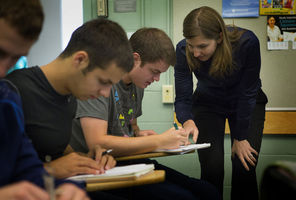
“When Eve Riskin first began teaching electrical engineering at the University of Washington in 1990, her students were so surprised to find a young woman professor teaching in a male-dominated field that many asked her if she had a Ph.D.
“Of course, Riskin did — in electrical engineering, from Stanford.
“Twenty-three years later, female professors are slowly becoming more common in male-dominated engineering and science fields ..
“Four of the five associate deans in the UW College of Engineering are women, including Riskin, who is associate dean of academic affairs, as well as a professor of electrical engineering.
In 2001, fewer than 10 percent of the UW engineering faculty members were women. In 2012, it was just over 20 percent, or 47 tenure- and tenure-track women faculty out of a total of 231. The national average was 14 percent.”
Read more here. Read more →
 The Hour of Code is coming! As part of Computer Science Education Week, Hadi Partovi’s Code.org has established an incredibly audacious goal: have every student in America spend one hour learning to program.
At the rollout event today in San Francisco, UW CSE’s Hélène Martin emceed a panel featuring Brad Smith (Executive Vice President and General Counsel at Microsoft), Max Levchin (President and CEO of HVF; co-founder of PayPal), Hadi Partovi (CEO of Code.org), Maggie Johnson (Director of Education and University Relations at Google), and Tom Torlakson (California State Superintendent of Public Instruction).
Learn more, and watch the video of today’s event, here. Get inspired! Get involved! Read more →
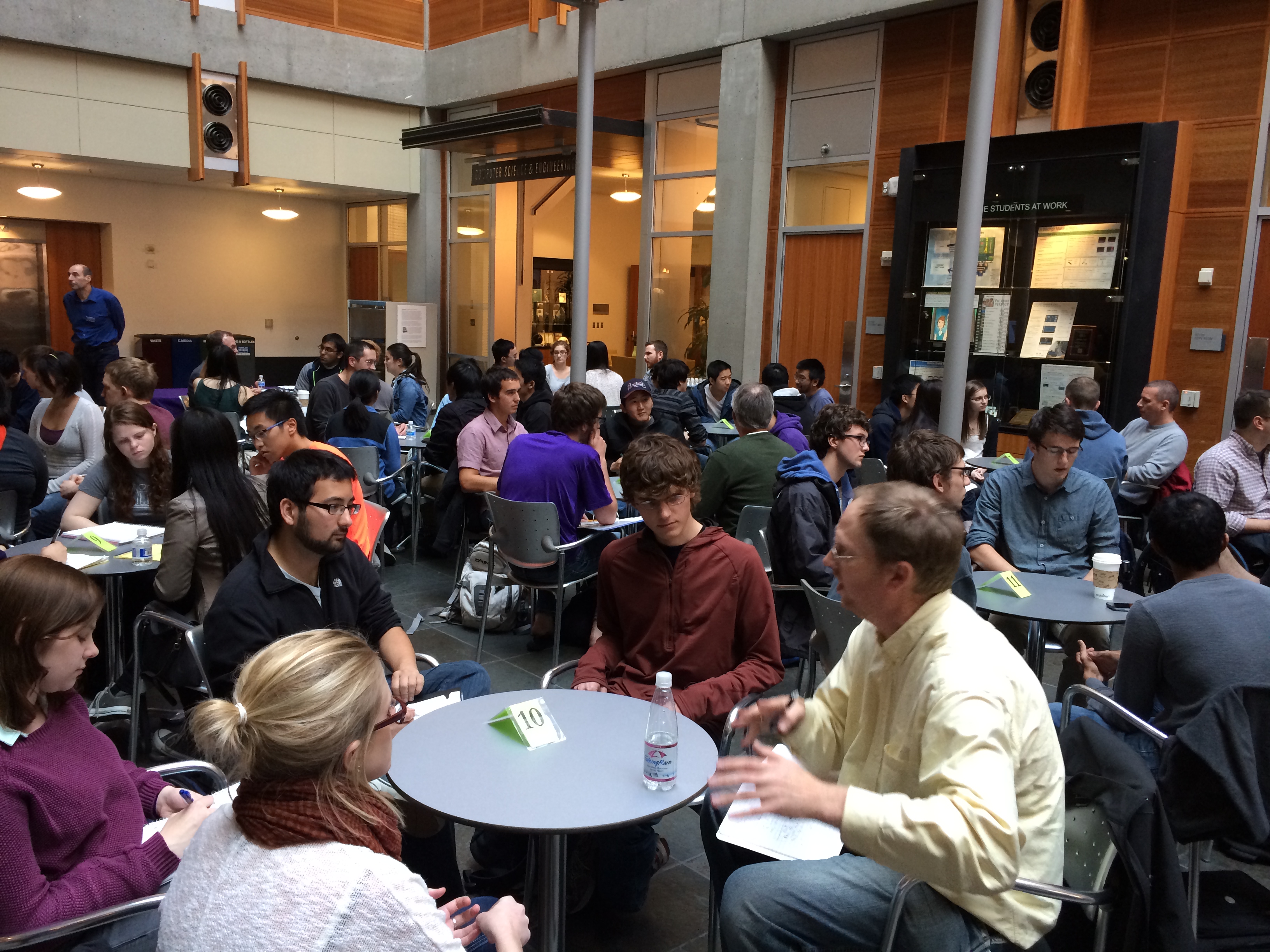
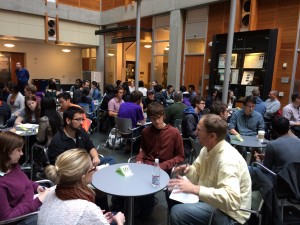 More than 120 UW CSE students in two shifts are being coached this afternoon for upcoming technical interviews by 15 alumni and friends from local companies. Our thanks to:
- Amazon.com: Jordan Moore, Sylvia Tashev, Igor von Nyssen
- Google: Kennet Belenky, Brian Lee, Ian Talarico, Hannah Tang
- Groupon: Eric Herrmann
- Microsoft: John Gabriel D’Angelo, Jason Thorsness
- Pariveda: Sean Beard, Stephen Verstraete
- Tableau Software: Austin Dahl
- Whitepages: Jack Foy, Paul Sutton
Read more →
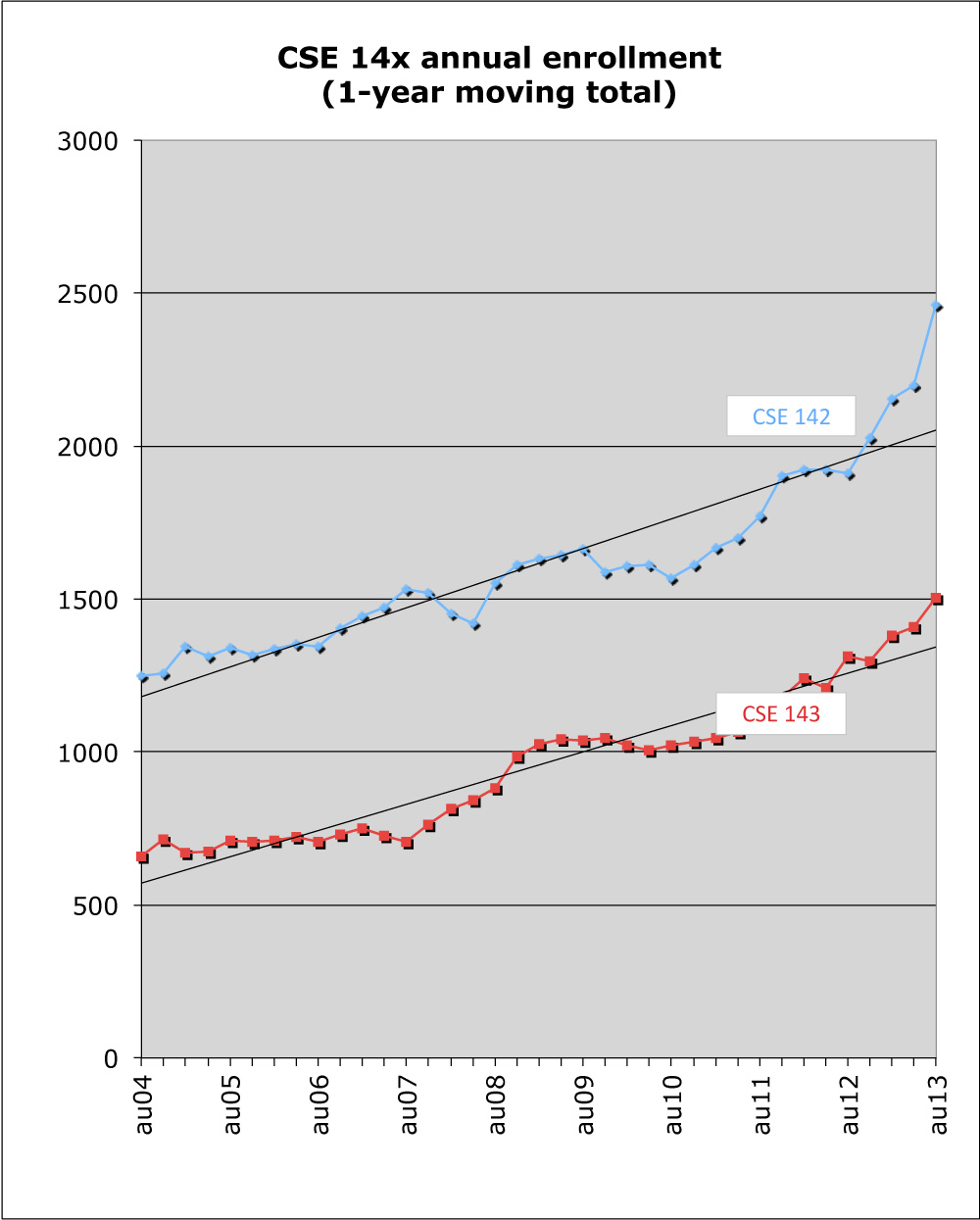
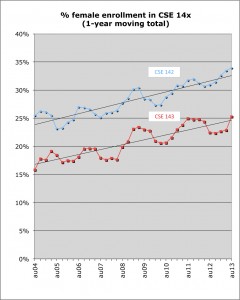
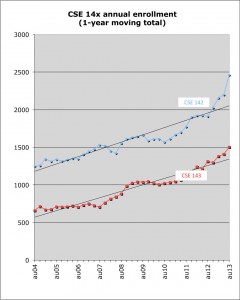 At UW and other colleges and universities, interest in computer science continues to soar. There is lots of data, and there are lots of reasons – which we’ll discuss in a subsequent post. But for now, take a look at annual enrollment in UW CSE’s two introductory courses – “CS1” (numbered CSE 142 at UW), and “CS2” (numbered CSE 143 at UW). (By “annual enrollment” we mean the total enrollment in the most recent four quarters – for example, “au13” is the sum of the enrollments in winter quarter 2013, spring quarter 2013, summer quarter 2013, and autumn quarter 2013.)
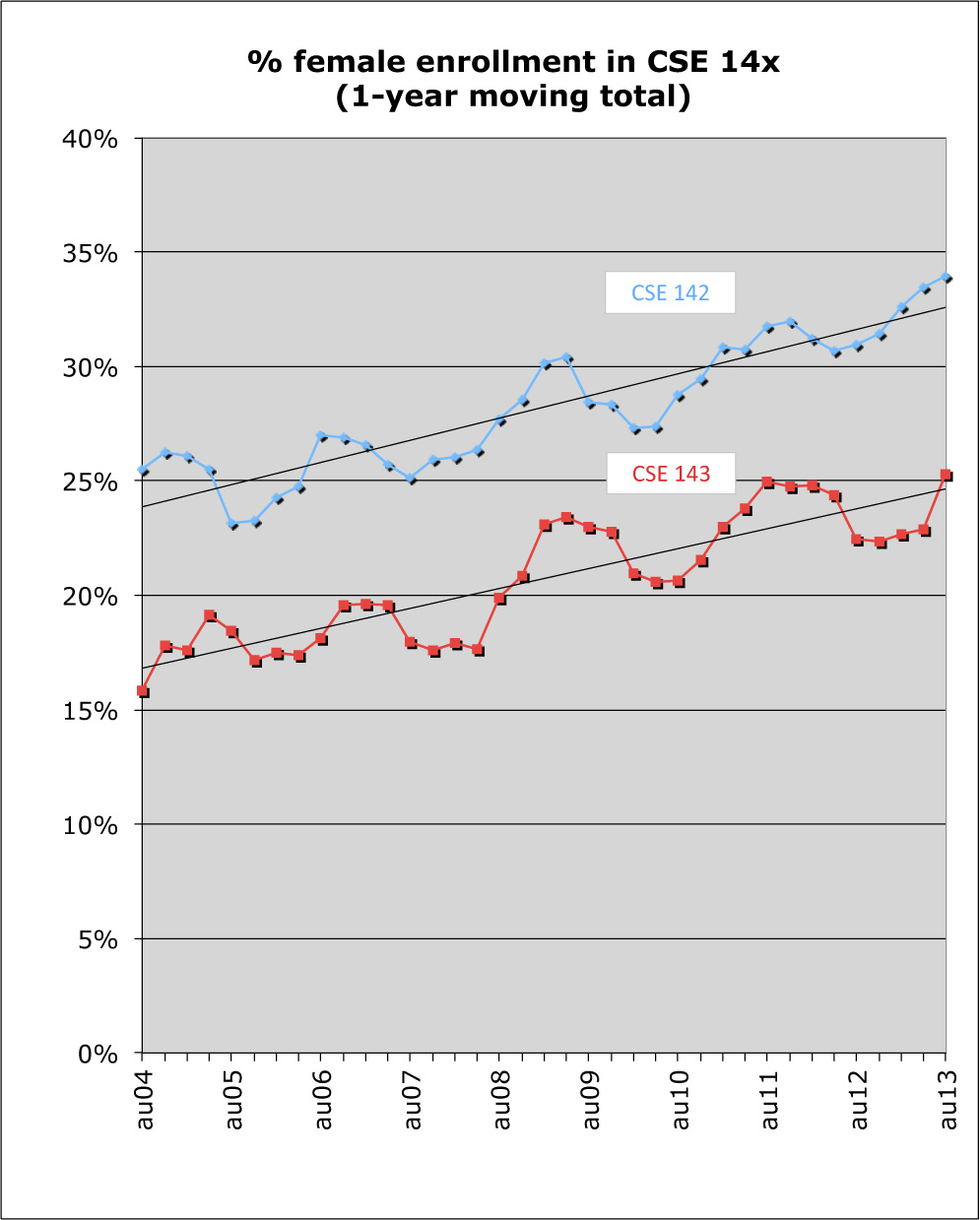
Also worth noting: the proportion of women in these courses, while still less than we would like it to be, is trending in the right direction.
Students have figured it out: Computer science – it’s where the future is!
 Read more →
 Friday October 11 and Saturday October 12 mark the dedication of the Bezos Center for Innovation at Seattle’s Museum of History and Industry (MOHAI).
Through interactive exhibits, community and educational programs, and first-person insights from leading innovators, the Bezos Center for Innovation explores Seattle’s role as a nexus of big ideas and new directions.
The dedication features a “Power Hour” (how can you not like that?) with CSE’s Shwetak Patel. See an interview conducted in connection with the dedication here. Other interviews of leading Seattle innovators here.
Read more →
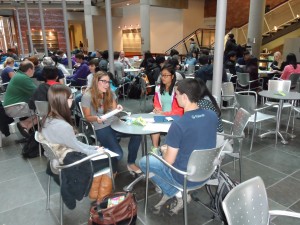 More than 200 UW CSE students participated in yesterday’s resumé review workshop – prepping for the recruiting fairs held in conjunction with our Industry Affiliates Meeting in two weeks.
Many thanks to the 15 industry volunteers who reviewed the resumés, undeterred by a fire alarm (triggered by a water main break north of campus):
- Amazon.com: Mike Materasso, Eric Wigley, Nikki Dutton
- Tableau Software: John Charrier
- Google: Carolyn Balousek, Erica Hiler, Mandy Smith, Ryan Peterson
- Whitepages: Jenny Kohr Chynoweth, Robert Noble
- Microsoft: Tera Kull
- VMware: Jehad Affoneh, Andrey Belokrylov, Salim Abiezzi, Imranul Hoque
Read more →
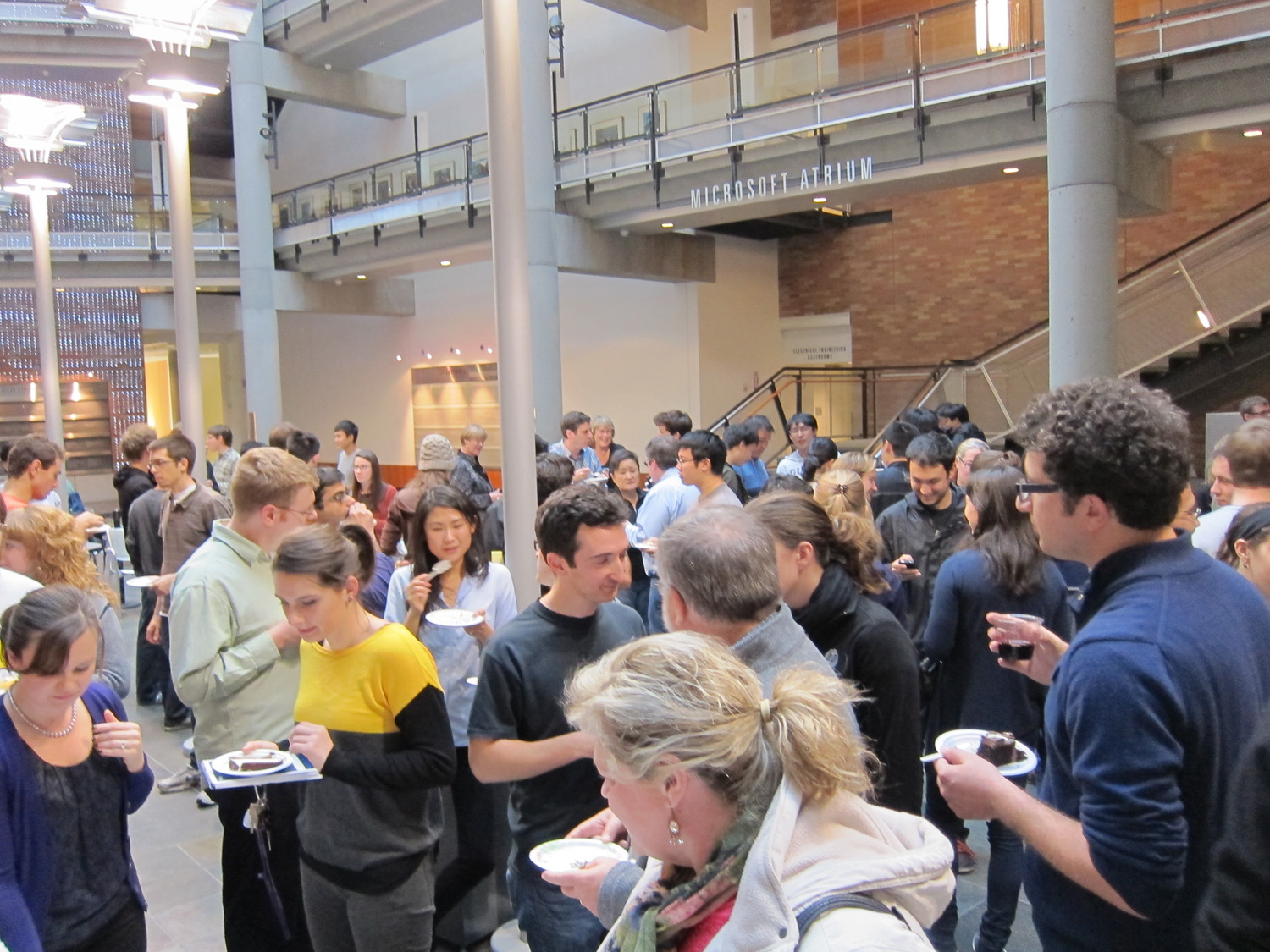
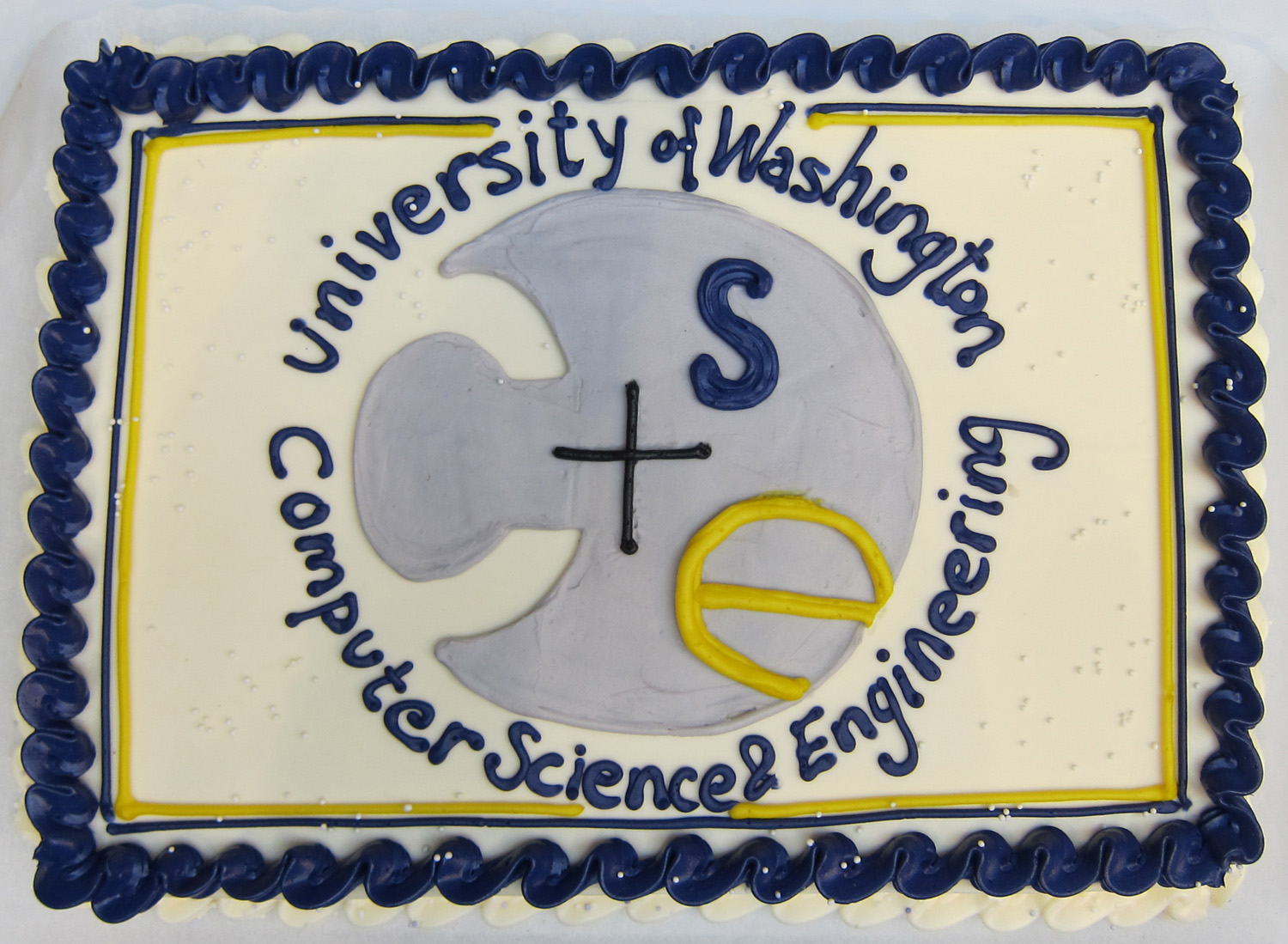
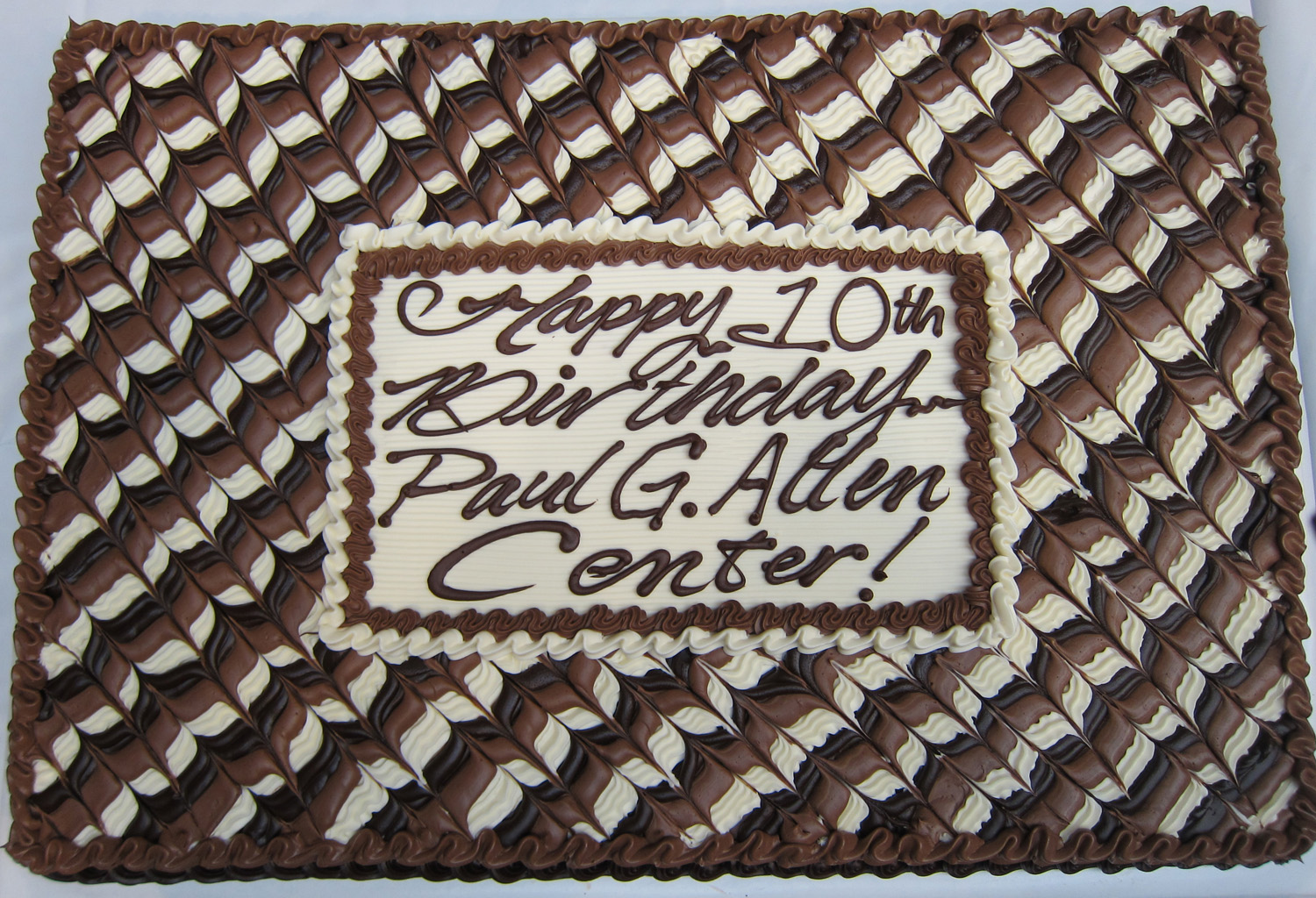
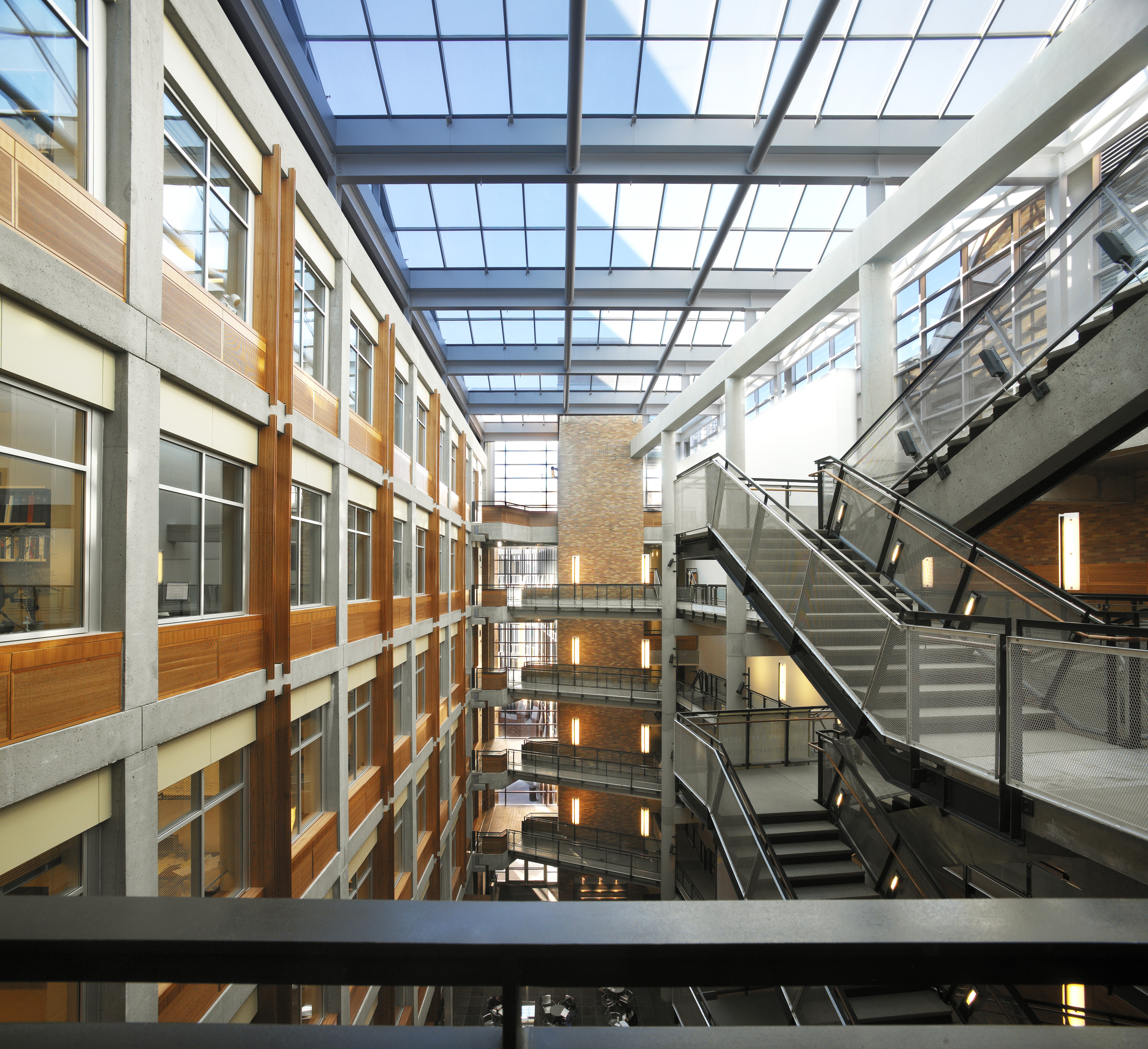
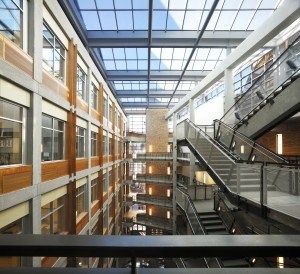
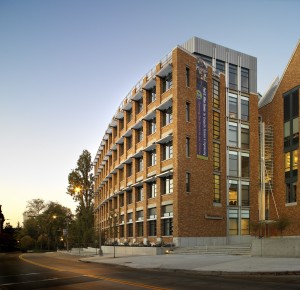 Ten years ago – on October 9th 2003 – we dedicated the Paul G. Allen Center for Computer Science & Engineering.
Designed by LMN Architects, the Allen Center – still widely regarded as the finest computer science facility in the nation – has had a dramatic impact on UW CSE’s competitiveness, allowing us to move forward into the 21st century as one of the nation’s leading computer science and computer engineering programs:
- State-of-the-art laboratory space has changed the nature of our research. Annual research expenditures have tripled – from $7 million in the year prior to occupancy, to more than $20 million today. (Faculty increased by only 24% during this period – from 38 to 47.) The number of technical staff supporting research has more than doubled – from 23 to 58. We had only 2 postdoctoral research fellows in 2003 – we have 27 today. Interdisciplinary collaborations have flourished, reflecting the broad impact of the field in the modern university and the modern world.
 Enrollments have increased, providing greater opportunity for Washington State students and driving the state’s technology industry. The pace has been slower than we would have liked – state support is required to increase enrollment, since tuition falls far short of covering costs. But in the past decade, undergraduate majors have increased from 430 to 650 (+50%); full-time graduate program majors from 142 to 222 (+55%); part-time professional masters program majors from 120 to 160 (+33%); and annual enrollment in our two introductory courses from 2,000 to 3,600 (+80%). Additional growth has recently been funded.
More than 200 friends and alumni donated a total in excess of $40 million to make the Allen Center a reality. We are grateful to Paul G. Allen, our lead donor; to Tom Alberg and Jeremy Jaech, the co-chairs of our development committee; to Bill & Melinda Gates and to Microsoft for gifts in excess of $5 million; and, indeed, to each and every donor, because each and every gift was essential. As we said at the time, we didn’t know 40 people who could provide $1 million each, and we didn’t know 40,000 people who could provide $1,000 each!
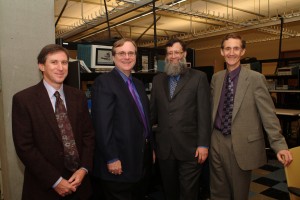 This extraordinary generosity continued after the completion of the Allen Center. In 2003, our departmental endowment (which supports faculty, graduate students, undergraduate students, and innovation across-the-board) totaled less than $6 million; today it is in excess of $40 million! Most recently, Jeff Bezos and Amazon.com provided two $1 million Amazon Professorships in Machine Learning to assist us in recruiting machine learning stars Emily Fox and Carlos Guestrin.
Today, the Allen Center is overflowing, and we are launching a new project to expand our space. Leadership in computer science is increasingly essential to the University of Washington’s broad-based competitiveness, to the vitality of our region, and to our nation’s ability to address its challenges and seize its opportunities. UW CSE remains committed to excellence and impact. “If it was just hot air, we’d still be in Sieg Hall.”
 Further reading:
Read more →
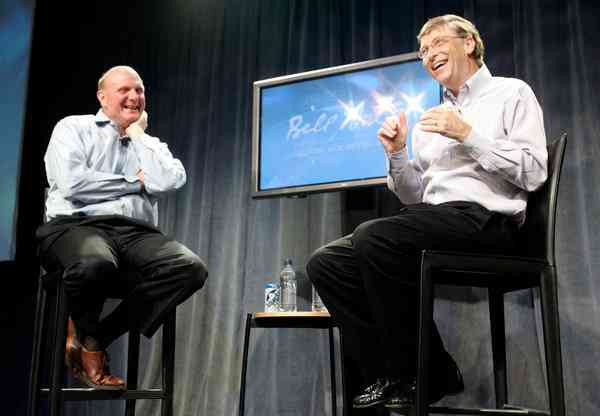 Just to be clear, here’s the actual exchange:
Nick Wingfield to Ed Lazowska:
I’m doing a story for early next week about Gates and his role at Microsoft. I thought you might have a thoughtful perspective on whether Gates will continue to be a figure of influence at Microsoft in the near future and why.
Ed Lazowska to Nick Wingfield:
I don’t have any special insight regarding BillG. My guess (and it’s only that):
Microsoft and Bill Gates are synonymous. Bill spent 33 years in a day-to-day role at the company – from 1975 to 2008. It’s impossible to walk away from something that you have shaped and led to that extent, and with which you are so personally identified. I think there’s zero chance that he disengages – if anything, I bet he engages more.
At the same time, I feel terribly badly for Steve Ballmer. Yes, it was time for a change. But he is getting blamed for many problems that are due to others – and those others are getting a free pass. Additionally, he is not getting credit for his many accomplishments.
Read the article here. Read more →
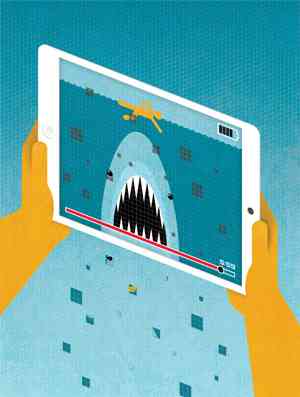 IEEE Spectrum features CSE research on a language for “approximate computing” – work by Adrian Sampson, Luis Ceze, and Dan Grossman.
The work is part of a larger effort of rethinking the computing stack to embrace energy efficiency as a major concern, recognizing the fact that many modern applications do not require perfect accuracy. Other CSE/Microsoft Research work related to this effort, Neural Processing Units, has recently appeared in IEEE Micro “Top Picks” and was selected as a CACM Research Highlight (to appear soon).
Read the IEEE Spectrum article here.
Learn all about the UW CSE research – the SAMPA project – here. Read more →