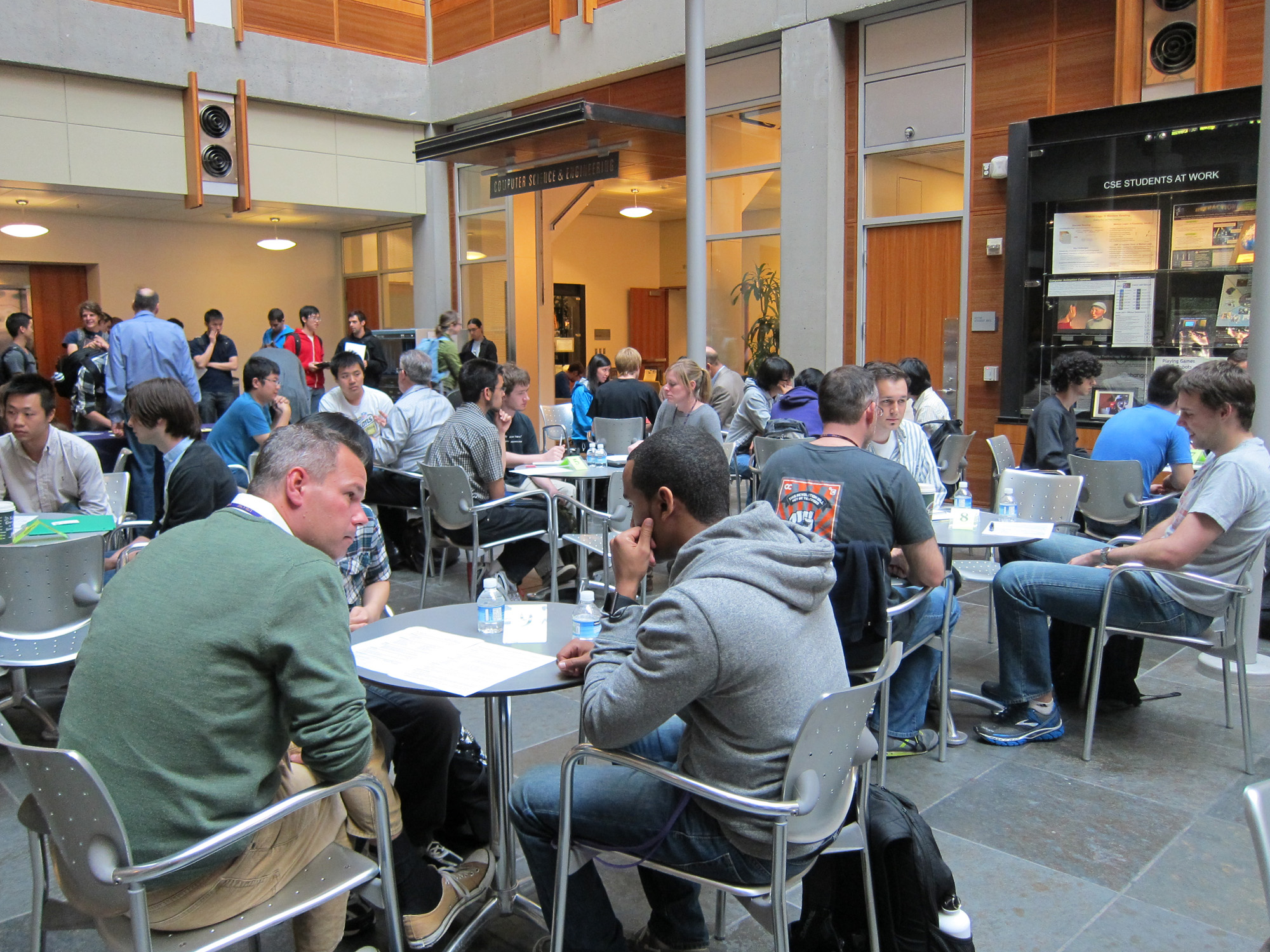
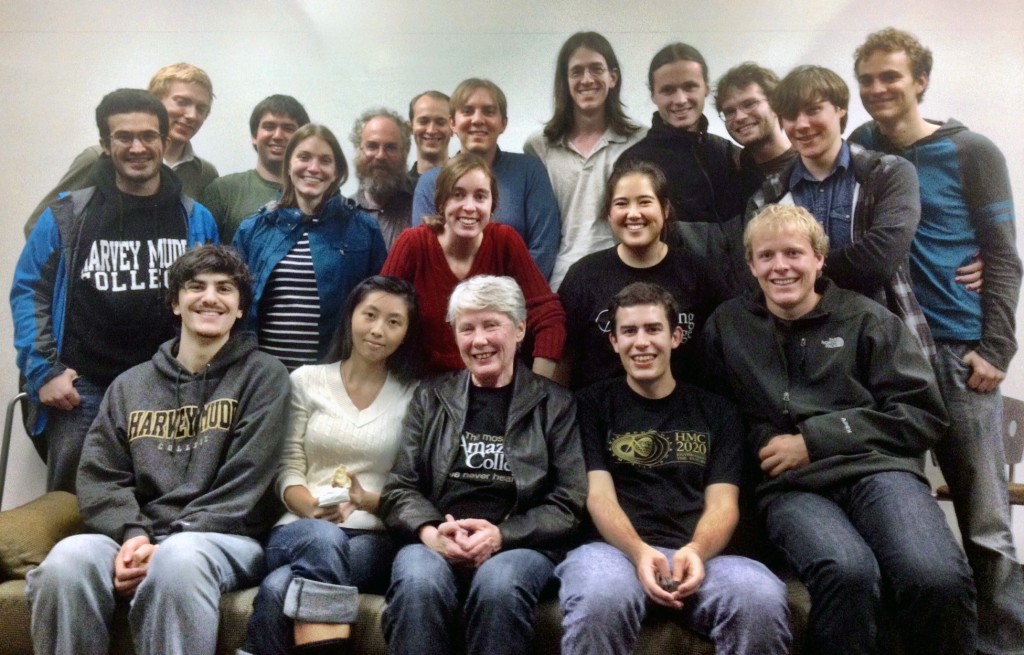
 Eighteen Seattle-area Harvey Mudd College alums socialized last night with HMC President Maria Klawe in the Jaech Gallery at UW Computer Science & Engineering. Many are UW CSE Ph.D. students – HMC sent us four students just this year!
CSE-ers in the photo: (back row) Adrian Sampson, Dan Halperin, Stuart Pernsteiner, Eric Mullen, (middle row) Lilian de Greef, (front row) Will Scott, (missing in action) Megan Campbell.
Hear Maria’s CSE Distinguished Lecture Tuesday at 3:30 in the Microsoft Atrium at CSE!
Bruce Hemingway photographs of Maria’s CSE Distinguished Lecture here. Read more →
 The Seattle Times describes this Wednesday’s PBS TV NOVA scienceNOW:
“For most people, computer security means just that: Keeping viruses off your desktop or laptop, your PC or your Mac.
“But when Tadayoshi Kohno thinks of computers and security, he thinks about the vulnerabilities inherent in a whole range of devices that are increasingly connected wirelessly to the Internet, to cellphones or to each other.
“A computer scientist at the University of Washington, Kohno has proved that you can hack and take over the circuitry of a pacemaker, an implantable defibrillator, a child’s toy, a mileage-tracking device for runners, and — perhaps most chilling of all — a car.
“Kohno, 34, is so good at what he does that government regulators and manufacturers habitually beat a path to his door, in the UW’s computer science and engineering department, where he is an associate professor.
“Kohno will be featured Wednesday on PBS’s NOVA scienceNOW, in an episode that examines whether science can help solve crime.”
Read more here. Watch NOVA scienceNOW on PBS TV on Wednesday (in Seattle, 10 p.m. on KCTS-9)! Read more →
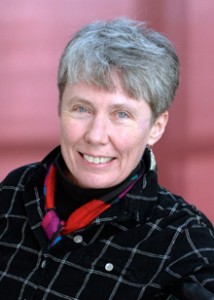 Maria Klawe, renowned computer scientist and President of Harvey Mudd College, will speak Tuesday, Oct. 16, at 3:30 p.m. in the Microsoft Atrium of the UW’s Paul G. Allen Center for Computer Science & Engineering. Her talk, “The Harvey Mudd Story: From 10 percent to 40 percent female in computer science in three years,” will explore how her institution began an effort in 2006 that quadrupled its female representation in computer science majors to 40 percent – the same percentage as the Harvey Mudd student body.
Maria will be followed in the 2012 CSE Distinguished Lecture Series by Brad Smith, General Counsel of Microsoft Corporation, on October 30; Susan Athey, Stanford superstar digital economist, on November 13; and Regina Barzilay, a leader in natural language processing from MIT CSAIL, on January 8.
UW News article on Klawe’s talk here. UW CSE Distinguished Lecture announcement here. Information on all of this year’s UW CSE Distinguished Lecture Series talks here.
Bruce Hemingway photographs of Maria’s CSE Distinguished Lecture here. Read more →
 An article in CIO Magazine profiles initiatives at UNC, Northwestern, and UW:
“An immediate and strong demand for a new kind of data analyst led the University of Washington in Seattle to introduce a data science certificate program this October. These analysts use their strong math and technology backgrounds to build data analysis tools and then use that data to make business decisions, says Ed Lazowska, the director of the University of Washington eScience Institute …
“The nine-month, three-course program ‘filled up faster than any new certificate program in recent memory’ writes Lazowska [channeling Bill Howe]. An August information session for the program, which is offered through the university’s Professional and Continuing Education department, reached its 175-person capacity the week it was announced.
“The first course teaches students about the different tools used in data management, storage and manipulation, including instruction in and hands-on experience with Hadoop and MapReduce. The second course deals with understanding core statistical and machine learning techniques, including deploying and maintaining a Hadoop cluster. The final course will combine the lessons from the earlier modules and teach the technology that data workers use to find value in the data sets. Each course will address interpreting and communicating statistical results …
“In the spring, the course will go online when it is added to the curriculum of Web-learning company Coursera.”
Read more here. Read more →
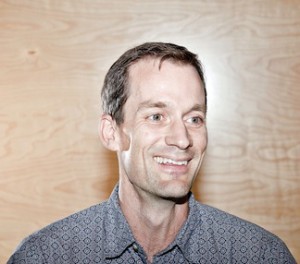 The Mark Weiser Award was created in 2001 by the computer systems research community, to be given annually to an individual who has demonstrated creativity and innovation in computer systems research. The recipient must have begun his or her career no earlier than 20 years prior to nomination. The award is named in honor of Mark Weiser, a computing visionary recognized for his research accomplishments during his career at Xerox PARC.
This week, the 2012 SIGOPS Mark Weiser Award was presented jointly to UW CSE Ph.D. alum Jeff Dean and MIT CSAIL Ph.D. alum Sanjay Ghemawat. Quoting from the nomination:
“Jeff Dean and Sanjay Ghemawat were among the first 20 employees at Google. Together, they led the conception, design, and implementation of much of Google’s revolutionary software infrastructure. This software infrastructure has transformed our understanding of how to compute at enormous scale; has allowed Google to grow gracefully over many orders of magnitude in the number of documents searched, number of queries handled per second, and frequency of updates to the system; and has led to the advent of “cloud computing.” Dean and Ghemawat played particularly central roles in the creation of MapReduce (a system for simplifying the development of large-scale data processing applications) and BigTable (a large-scale semi-structured storage system used underneath a number of Google products). … Jeff Dean and Sanjay Ghemawat are brilliant and visionary engineers who truly have changed the world.”
Jeff is the third UW CSE Ph.D. alum to receive the Weiser Award in its 12-year history: Brian Bershad (now with Google in Moscow) was recognized in 2004, and Tom Anderson (now a UW CSE faculty member) was recognized in 2005.
Congratulations Jeff! Read more →
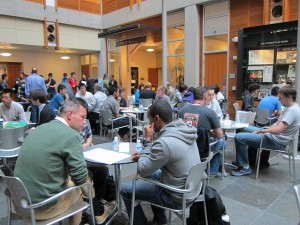 A resume workshop for CSE majors is one of the events that precedes the annual UW CSE Industry Affiliates meeting, which includes a recruiting day for startups on October 23, a research interaction day on October 24, and a recruiting day for established companies on October 25.
Tuesday’s resume workshop was bursting at the seams. More than 150 CSE students were coached by 16 volunteers from the local tech industry, who conducted 280 total resume reviews. Many thanks to:
- Pariveda: Scott Myhre and Kevin Greenan
- Microsoft: Becky Tucker, Raquel Garcia, and Valerie Bays
- Whitepages: Jenny Kohr Chynoweth
- EMC|Isilon: Alex Brynza
- Opscode: Christopher Brown
- Tableau: Dave Aydelott
- Google: Eric Orth, Fred Gylys-Colwell, Gene Morgan, and Sonny Skinner
- Amazon.com: Mike Materasso, Lindsay Grant, and Katie Foley
Read more →
 Alexei Czeskis, a Ph.D. student in UW CSE’s Security and Privacy Research Lab, is interviewed by The Voice of Russia – American Edition.
“After news surfaced over the weekend that a U.S. government computer network was breached by hackers, computer security experts have weighed on the situation, calling it ‘a game between defenders and attackers.’ …
“Host Jessica Jordan spoke with Alexei Czeskis, a Ph.D. candidate in the Security and Privacy Research Lab at the University of Washington, to learn more about the hacking and computer security.”
Listen to the interview here. Read more →
 In today’s Gates Notes, Bill highlights four projects presented at Social Venture Partners’ recent “Social Innovation Fast Pitch,” including Living Voters Guide, a joint project of UW CSE and Seattle’s City Club:
“As government in the U.S. becomes more polarized, debate among politicians has migrated to simplistic views about what government should do or not, with no middle ground for compromise. In contrast, SIFP finalist City Club finds that voters are open to nuanced debate: 41% listen to both sides, 34% listen to people they disagree with, and 46% are open to changing sides based on what they hear. Their new Living Voters Guide is a website that surfaces the pros and cons of each side, and provides business intelligence and analytics about the nuance of voter’s viewpoints to politicians, with the hope of driving a richer political debate open to middle-ground solutions.”
Read the Gates Notes post here. Check out Living Voters Guide here. Read more →
 UW CSE’s Magda Balazinska‘s “Lightning Talk” at September’s 6th Extremely Large Databases Conference has been voted one of the top two “Lightning Talks.” The prize? An invitation to talk longer at next year’s XLDB!
The topic of Magda’s talk was “Big Data Analytics Usability.” Learn more about her CQMS project here. Read more →
 The Wall Street Journal partners with UW CSE startup Decide.com to explore pricing trends for gifts during the holiday shopping season:
“The fast rise of online shopping has presented a wealth of data for researchers looking to uncover retailers’ strategies and pinpoint when prices are lowest. Decide aims to use that data to tell its member consumers whether to buy any of a number of products now or wait until later. The company is run by veterans of Farecast, a service that tried to predict whether airfares on specific routes were about to go up or down and was bought by Microsoft Corp. for a reported $115 million in 2008.
“At the request of The Wall Street Journal, Decide tracked the prices of products ranging from flat-screen televisions to Barbie dolls each day for at least two years across a number of retailers and e-commerce websites. The results included the prices at more than 50 retailers, including Amazon.com, Wal-Mart Stores, and Macy’s.”
It’s a really interesting article – read it here. Read more →

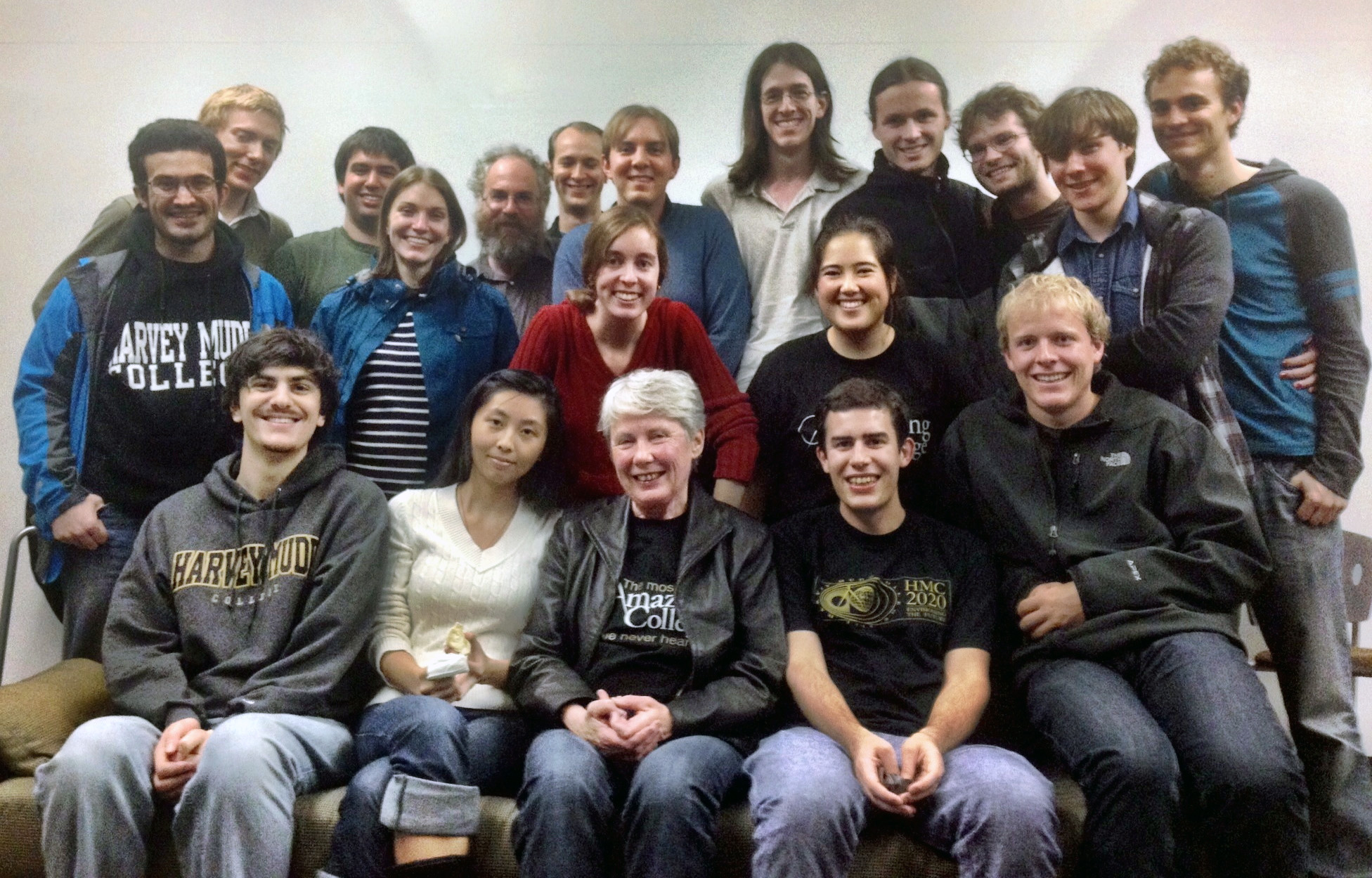 Eighteen Seattle-area Harvey Mudd College alums socialized last night with HMC President Maria Klawe in the Jaech Gallery at UW Computer Science & Engineering. Many are UW CSE Ph.D. students – HMC sent us four students just this year!