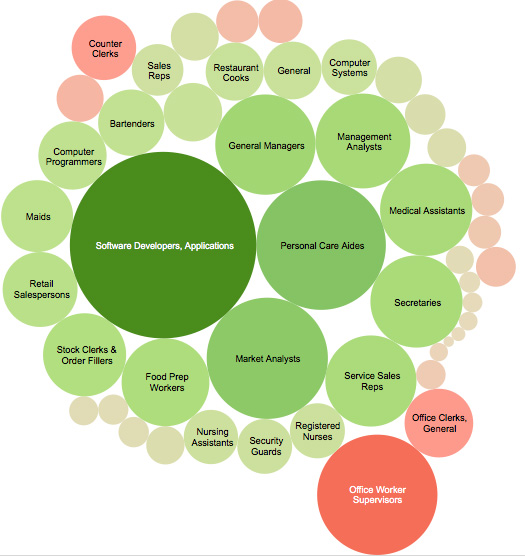
 Some interesting visualizations of data drawn from the Washington State Employment Security Department.
And the winner is … Software Applications Developers.
Duh.
Check it out here. Read more →


Some interesting visualizations of data drawn from the Washington State Employment Security Department.
And the winner is … Software Applications Developers.
Duh.
Check it out here. Read more →
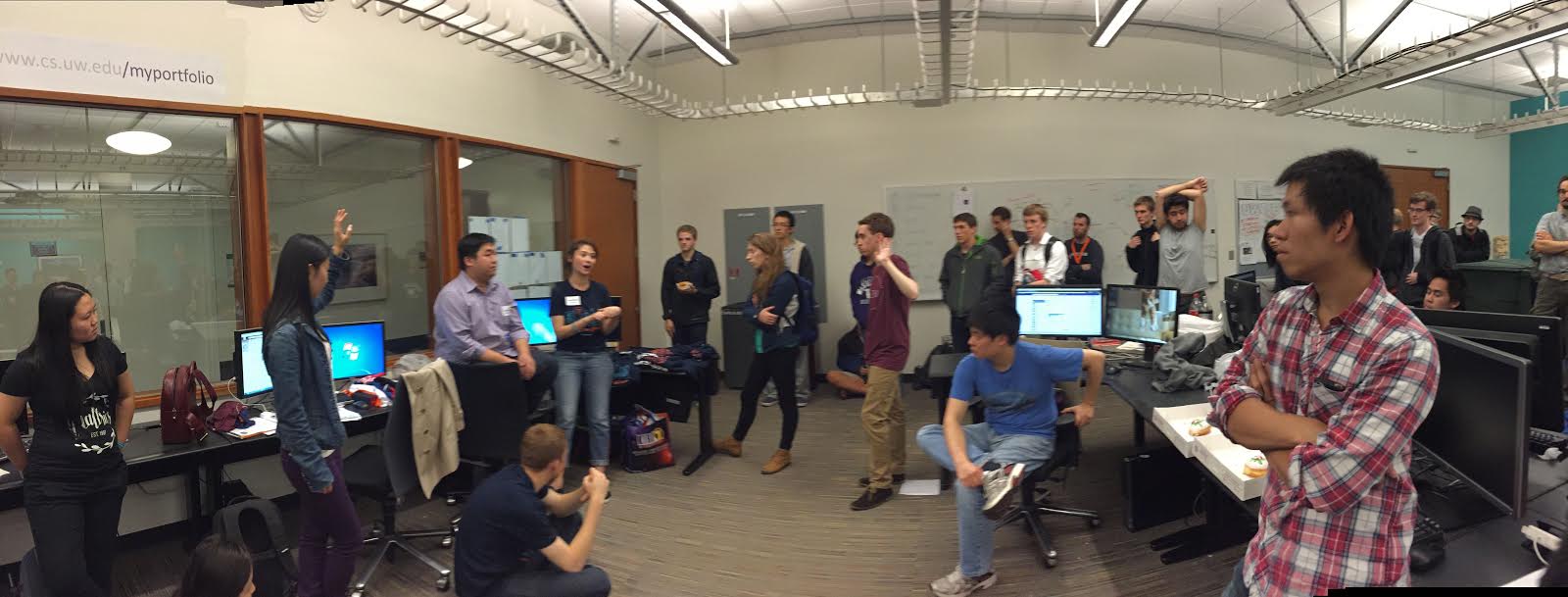 Thanks to Jason Tan and Zorah Lea Fung of Sift Science for dessert and conversation on the startup life! Read more →
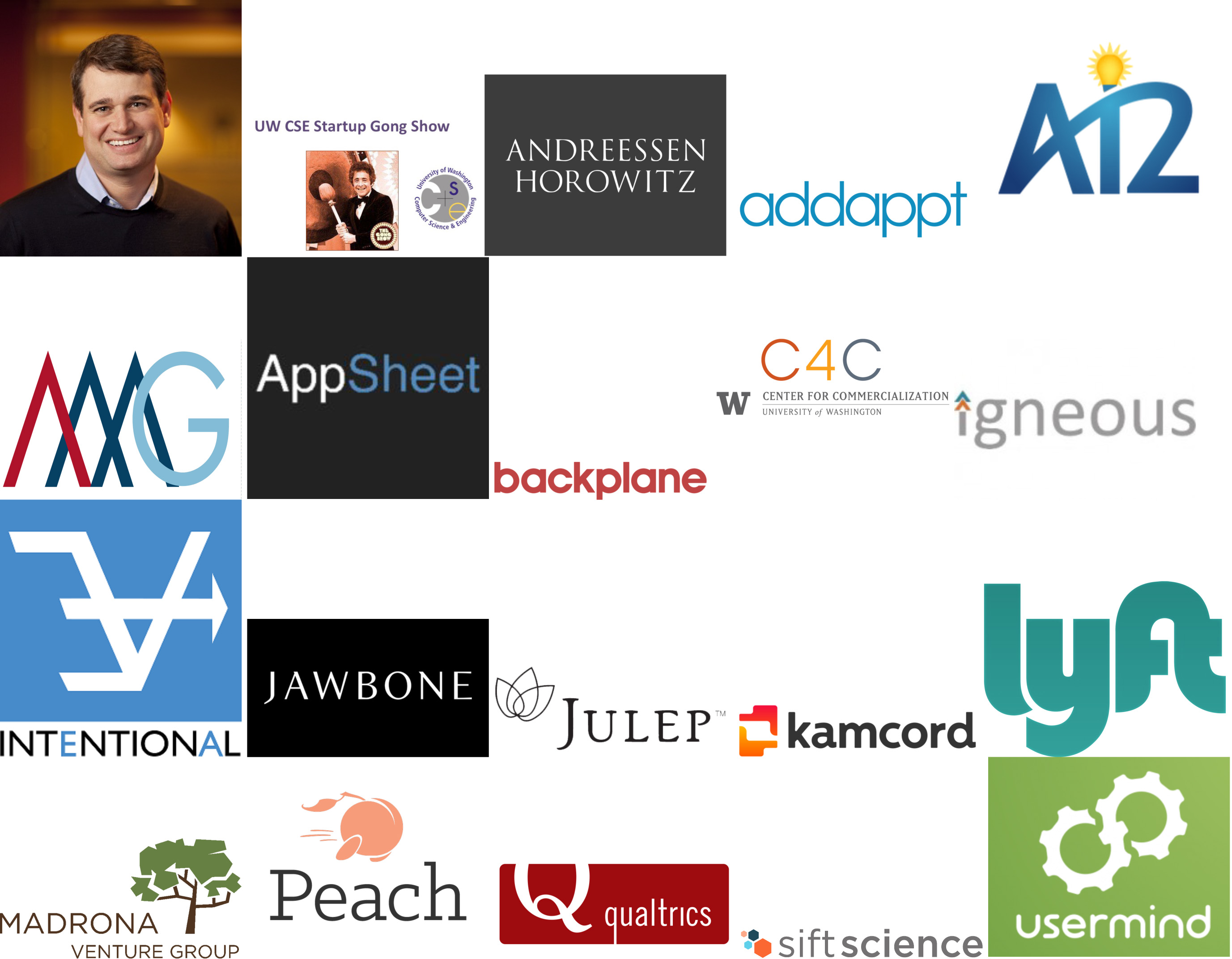 Many thanks to Greg Gottesman (Madrona Venture Group) for keynoting this evening’s UW CSE “Startup Gong Show,” and to all the startups who participated! Read more →
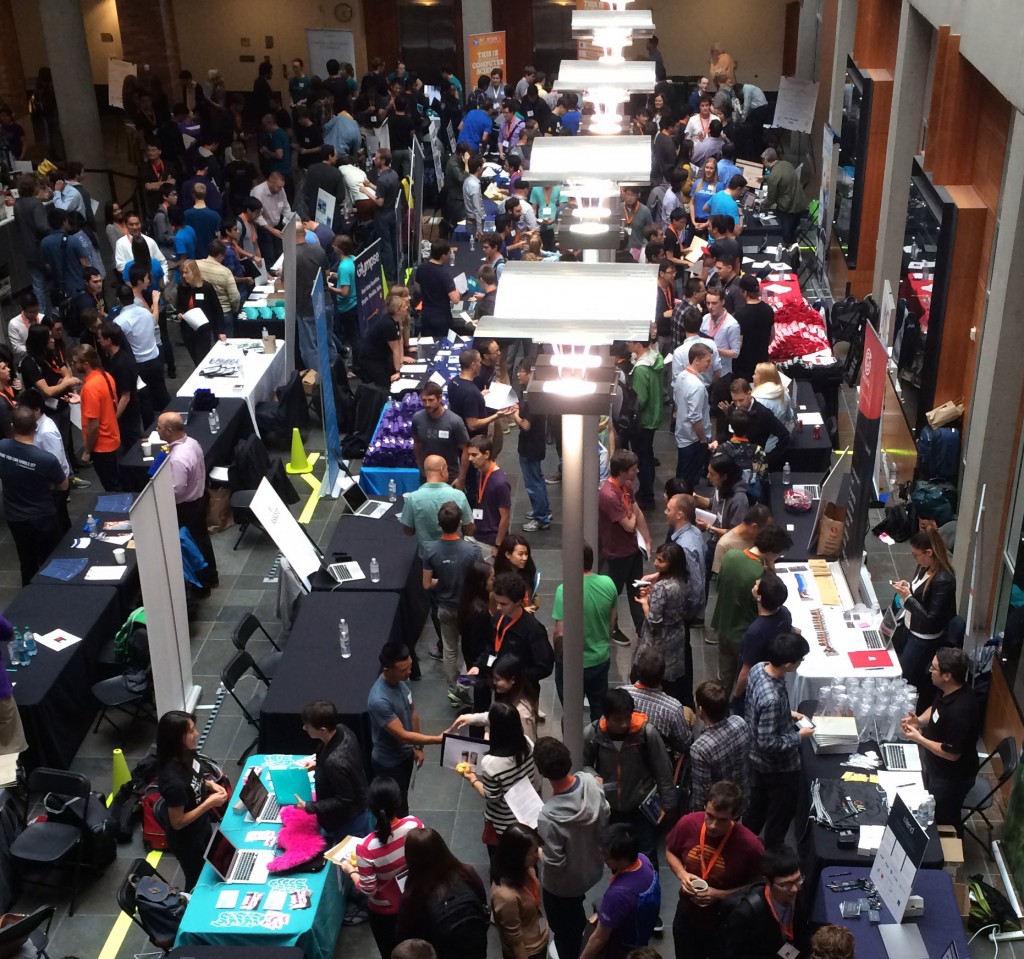 Today’s the first day of UW CSE’s annual 3-day Industry Affiliates Meeting – a recruiting day for startup companies. 37 startups and two venture firms (each representing multiple startups) are crowded into the Atrium of the Paul G. Allen Center for Computer Science & Engineering, along with hundreds of UW CSE students.
Tomorrow: research presentations and an evening open house for affiliates, alumni, and friends, plus awarding of the Madrona Prize.
Thursday: recruiting by more than 60 established companies (way beyond our ostensible capacity!).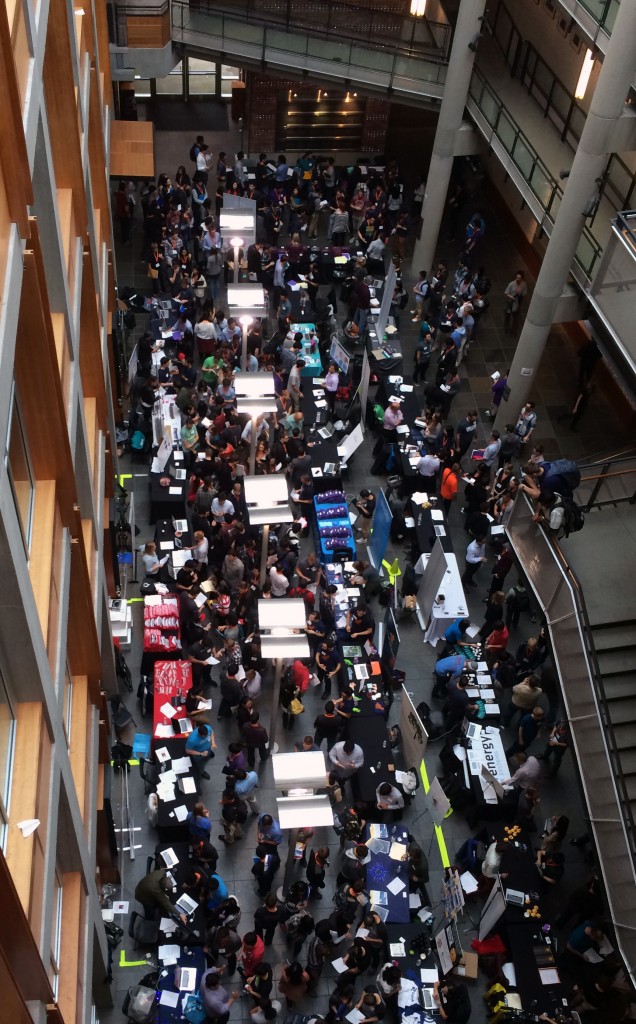 Read more →
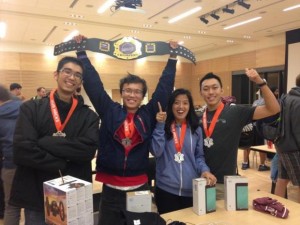
Patrick Chiang (iSchool), Gantulga Balgan (iSchool), Angelica Cupat (Interaction Design) and Kevin Liang (CSE) celebrate first place at the first-ever DubHacks 24-hour hackathon. Photo by Ashley Stewart.
GeekWire reports:
“Nearly 400 students from the Pacific Northwest and beyond took over the third floor of the University of Washington’s Husky Union Building for the first-ever DubHacks, a 24-hour collegiate hackathon and the first of its kind in the region for college students …
“Angelica Cupat, Gantulga Balgan, Kevin Liang and Patrick Chiang didn’t know each other before forming a team and taking home the hackathon’s largest prize – cash, software, hardware and an opportunity to compete in Facebook’s upcoming hackathon.
“The four UW students created LimeLight, a speed-reading app for news articles that allows the average user to read as much as five times faster, they say.”
Read more here. Read more →
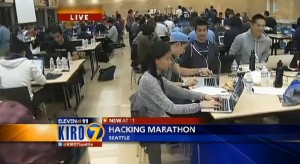 Friday and Saturday marked the 24-hour DubHacks hackathon on the UW campus. More than 300 students from colleges and universities throughout the Northwest participated, including many from UW CSE. KIRO News 7 broadcast reports before and during the event.
Nice GeekWire article here. Read more →
 UW CSE startup GraphLab is one of four Startup Showcase Winners at Strata+Hadoop World, part of NYC Data Week.
It’s the first cut in getting selected to compete as the “best of the best” at Strata.
Go GraphLab! Read more →
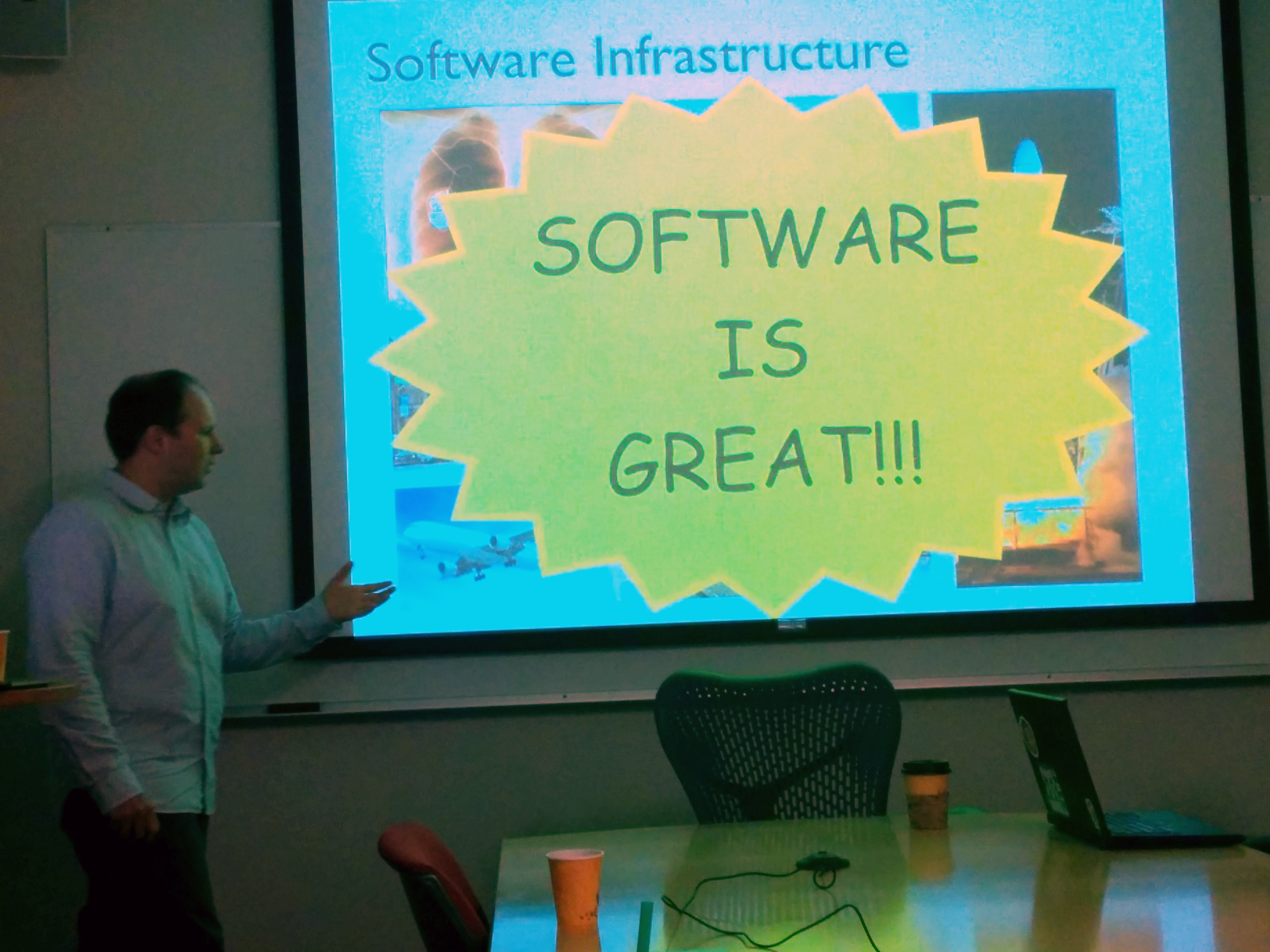 We’ve been wondering why CSE professor Zach Tatlock gets along so well with graduate students. Turns out it’s because he still was one! Not any longer, though … Zach has marked the second year of his UW faculty appointment by returning to UCSD to defend his thesis.
And this year’s winner of the Stefan Savage Better Late Than Never award is … Read more →
 University of Washington President Michael K. Young, in the Seattle Times:
“In the Puget Sound, we consider ourselves leaders and innovators. After all, we designed and built the planes that revolutionized the aerospace industry and changed the world; gave birth to culture-defining companies like Microsoft, Nordstrom and Starbucks; pioneered the online experience through Amazon.com and Expedia; and advanced global development through organizations such as the Bill & Melinda Gates Foundation and PATH. Seattle set the standard in the field of technology and demonstrated the value of living lives with corporate and social purpose.
“It is in this innovative and thriving Northwest environment that we in higher education must stay relevant, continue driving our region forward and lead through innovation. At the University of Washington, we are building on our long-standing work in this arena through our ‘Innovation Agenda,’ which I am outlining Friday at the Seattle Metropolitan Chamber of Commerce Regional Leadership Conference …
“It is unacceptable that Washington students are not filling more of the jobs our technological companies now offer. At the UW, we plan to build a new computer science facility that would double our degree capacity and ensure that students in non-computer science disciplines get an opportunity to take classes in this field. In the coming legislative session, the UW will ask the state Legislature as well as the private sector to help fund this new 130,000-square-foot building for our nationally ranked computer science and engineering program, allowing us to address the critical workforce shortage for our region’s technology sector.”
Read more here. Read more →
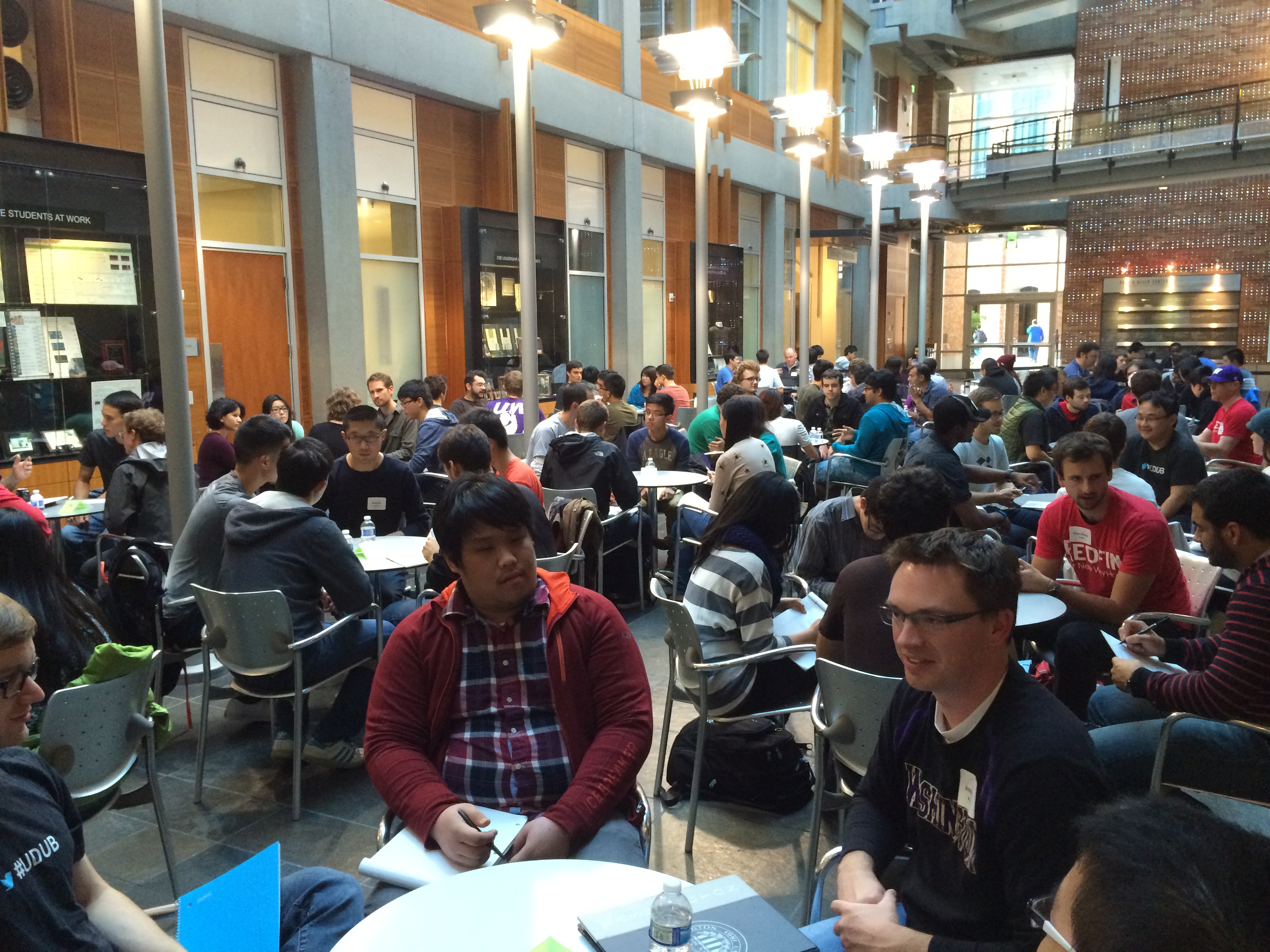 Many dozens of UW CSE students participated in tonight’s “technical interview coaching” session in the Allen Center Atrium, in advance of next week’s CSE Industry Affiliates recruiting sessions. Many thanks to the coaches – many of whom were UW CSE alums: