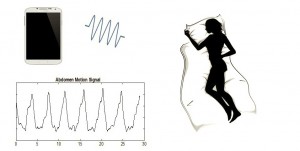
 The August issue of Scientific American profiles several new smartphone apps that help diagnose and manage disease. Among those featured in the article is ApneaApp, which was developed by UW CSE professor Shyam Gollakota, UW CSE Ph.D. student Rajalakshmi Nandakumar and Dr. Nathaniel Watson of the UW Medicine Sleep Center to enable wireless diagnosis of sleep apnea.
The article noted, “An initial laboratory trial has shown ApneaApp to be just as effective as hooking up patients to tracking instruments in a sleep clinic.” The next step will be to test the app in patients’ homes.
Read the full article in Scientific American here. Read UW’s news release and view a video demonstration of ApneaApp here and read past CSE blog coverage of the app here. Read more →
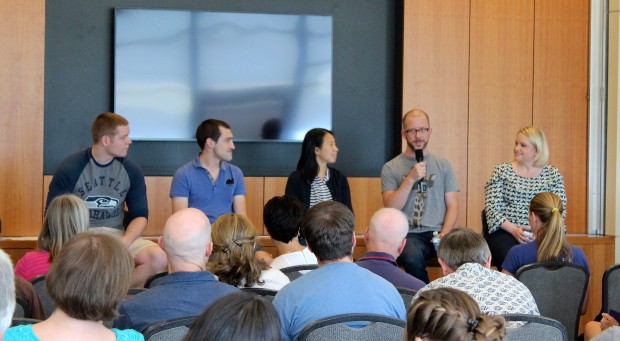
UW CSE alums Taylor Williams, Jeff Prouty, Dana Wen, Tam Armstrong, and Carolyn Hughes
Our friends at GeekWire report on the alumni panel of this week’s CS4HS workshop for middle school and high school teachers:
“Understanding how to work effectively on a team is critical for a successful career in computer science, you can be a great programmer no matter when you start learning – and, yes, the perks for employees at big tech companies are pretty sweet.
“Those were some of the takeaways from a panel that the University of Washington Computer Science & Engineering department hosted on Friday afternoon as part of an annual event called CS4HS to expose middle and high school teachers to computer science.
“Five UW alumni, who graduated from the department and now work at Seattle-area companies, shared thoughts on their work experience after graduating and what teachers can do to help encourage more students to study computer science.
“Here are highlights from the panel …”
Read more here! Learn all about CS4HS here. Learn about DawgBytes (“A Taste of CSE”), UW CSE’s extensive K-12 outreach program, here. Read more →
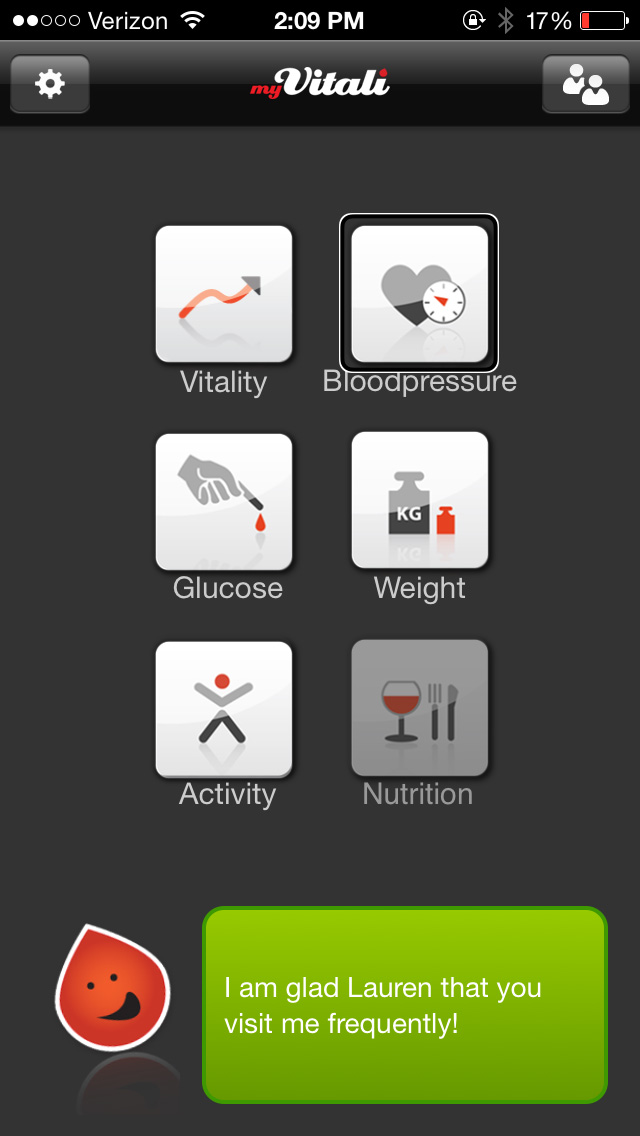 A team of researchers that includes UW CSE professor Richard Ladner, CSE Ph.D. student Lauren Milne and HCDE Ph.D. student Cynthia Bennett, conducted a review last year of nine mobile health apps developed for the iPhone to monitor blood pressure and blood glucose levels. Using a set of seven criteria, they gauged how accessible each app was to blind and low-vision users, who are more likely to suffer from health problems such as obesity or diabetes and for whom such apps could be important tools for managing their health. What the team discovered was that none of the apps met all of the criteria for being accessible to these users – but with a little more work, they could.
From the news release:
“‘We wanted to see if these health applications would be out-of-the-box accessible, and most really weren’t,’ said lead author Lauren Milne….’They made a lot of amateur mistakes that people make when they build apps.’
“The researchers also concluded it would take little effort for developers to make mainstream health sensors fully accessible to blind smartphone users – largely by following accessibility guidelines already established by Apple and the federal government….
“‘If people just used the basic widgets and things that Apple provides, they’d have better results,’ said Ladner. ‘But the number of app developers has increased, and most of them are thinking about trying to make things pretty. They’re not thinking about all the users.'”
The team’s findings were published in the 2015 issue Journal on Technology & Persons with Disabilities.
Read the entire UW news release here and the research paper here. Kudos to Richard and the team for calling attention to this important issue and working to extend the benefits of technology to everyone. Read more →
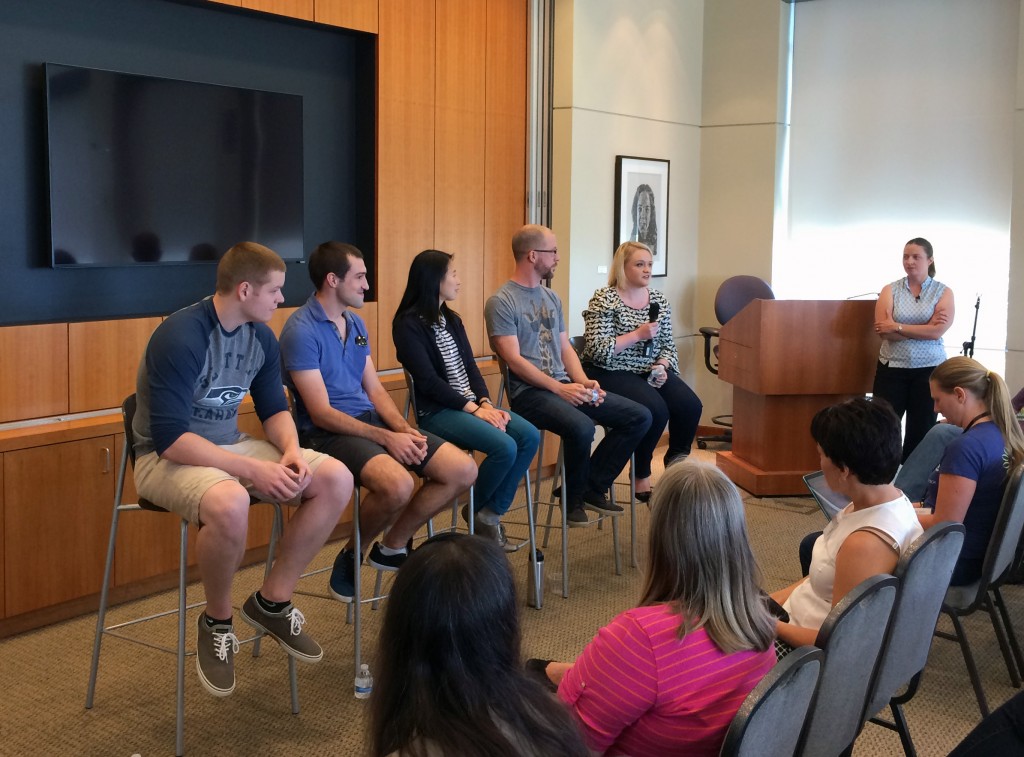 This is the 9th year of UW CSE’s CS4HS, a 3-day summer workshop on computer science for middle school and upper school math and science teachers from the Puget Sound region.
A highlight every year is a panel of alums who discuss what their work life is like, how their UW CSE education prepared them for their careers, and what K-12 experiences prepared them for UW CSE. This year’s panel included (L-R) Taylor Williams (Intentional Software), Jeff Prouty (Google), Dana Wen (Clean Power Research), Tam Armstrong (an unnamed startup after a number of years at Bungie), and Carolyn Hugues (EMC Isilon).
Learn all about CS4HS here. Learn about DawgBytes (“A Taste of CSE”), UW CSE’s extensive K-12 outreach program, here. Read more →
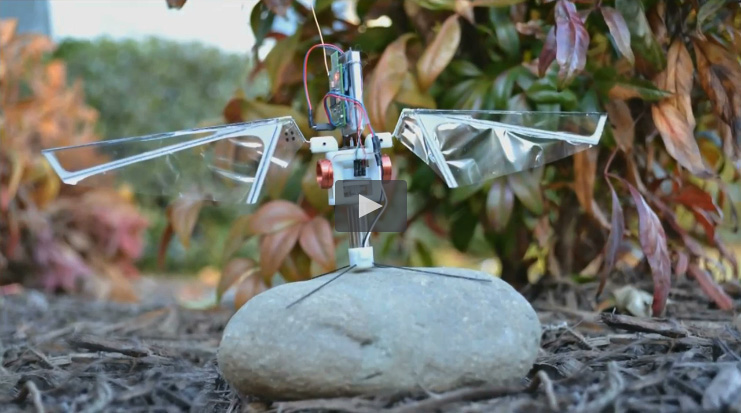 A terrific 8-minute piece on PBS NewsHour describing the research of UW CSE adjunct professor (and UW Biology professor) Tom Daniel:
“Aviation technology continues to evolve, and in recent years, there’s been a big push by both private companies and the military to make more sophisticated pilotless aircraft or drones.
“A new research project led by the University of Washington is part of that effort and it aims to uncover the aeronautical secrets of some of nature’s best designed flyers, insects.”
The interview reveals deep scientific secrets such as:
“Hari Sreenivasan (PBS): ‘So how does a bee with such a large body and such tiny wings actually fly?’
“Tom Daniel: ‘It beats its wings really fast.'”
Check it out here. Read more →

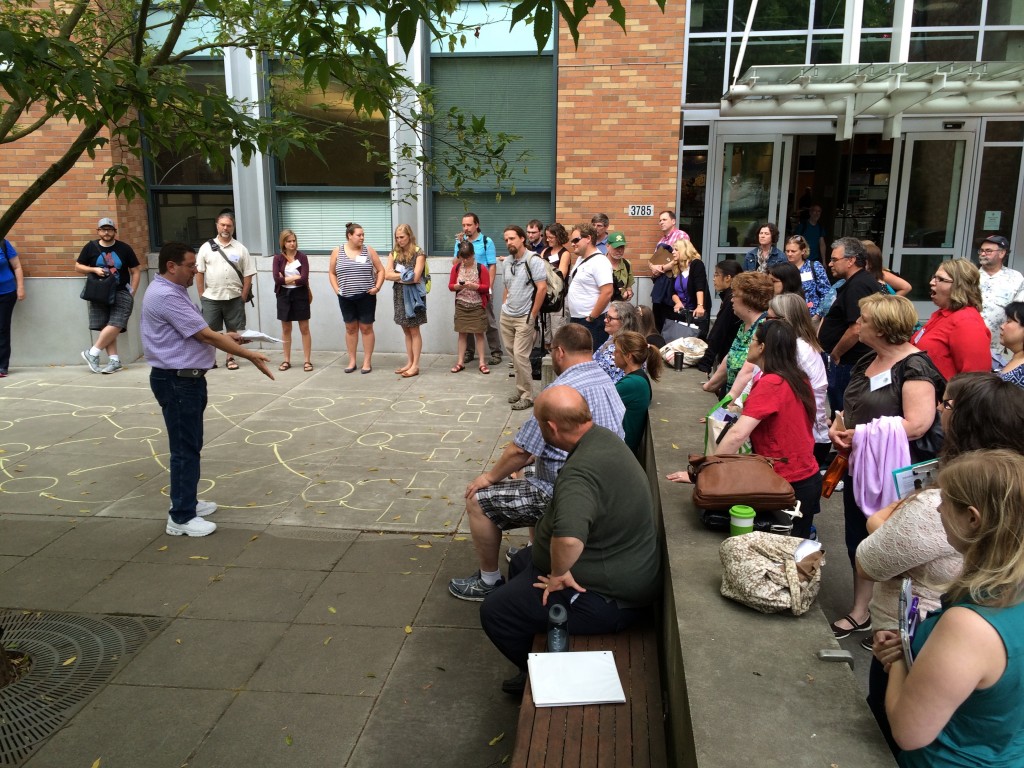
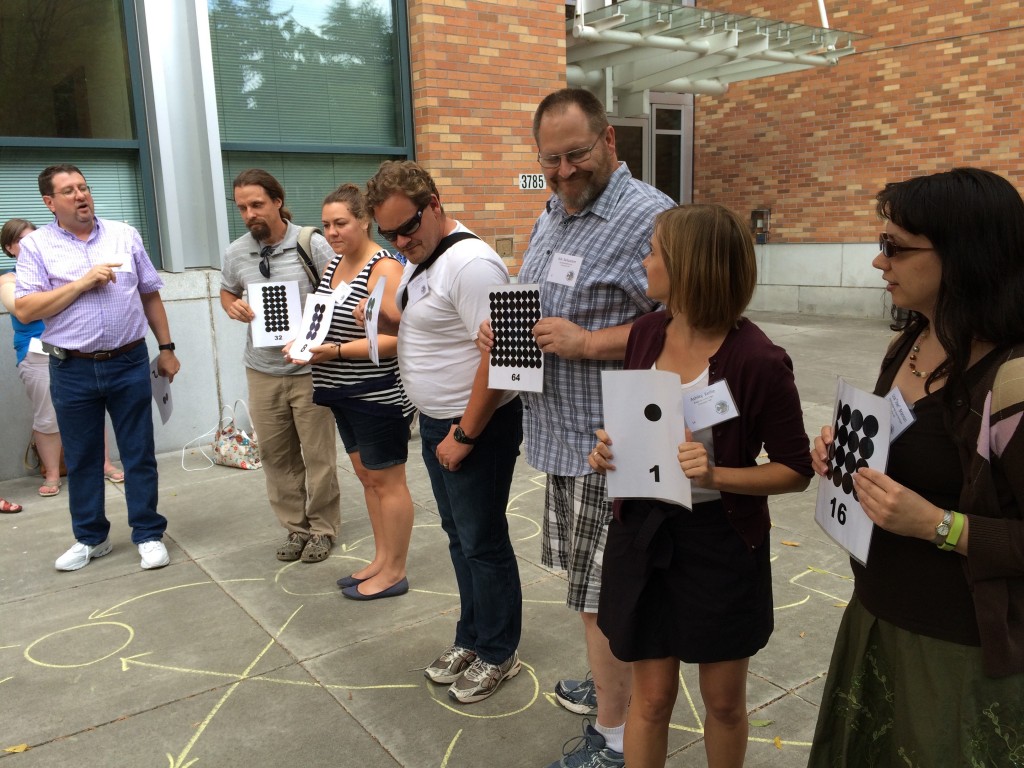 This is the 9th year of UW CSE’s CS4HS, a 3-day summer workshop on computer science for middle school and upper school math and science teachers from the Puget Sound region.
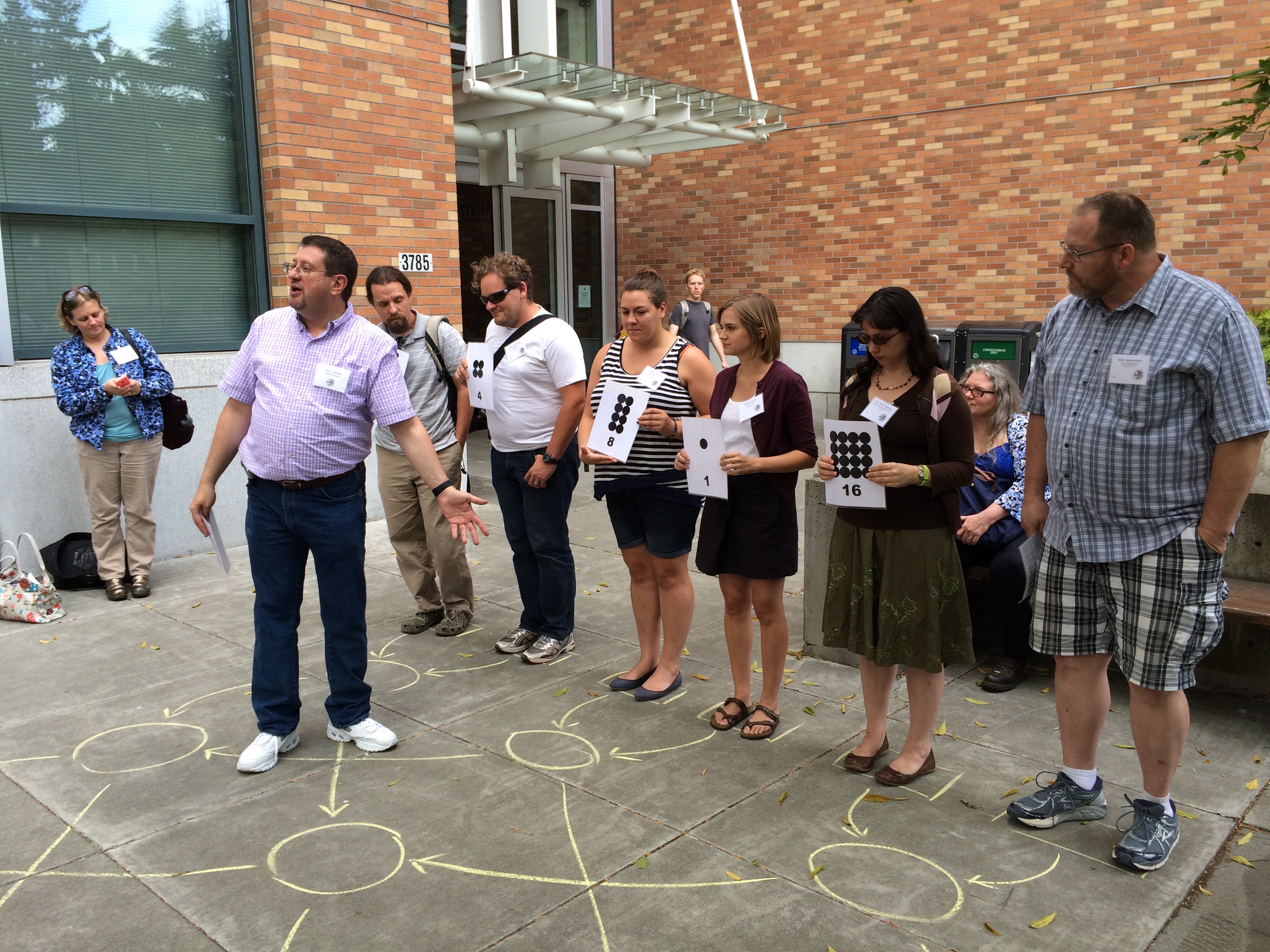
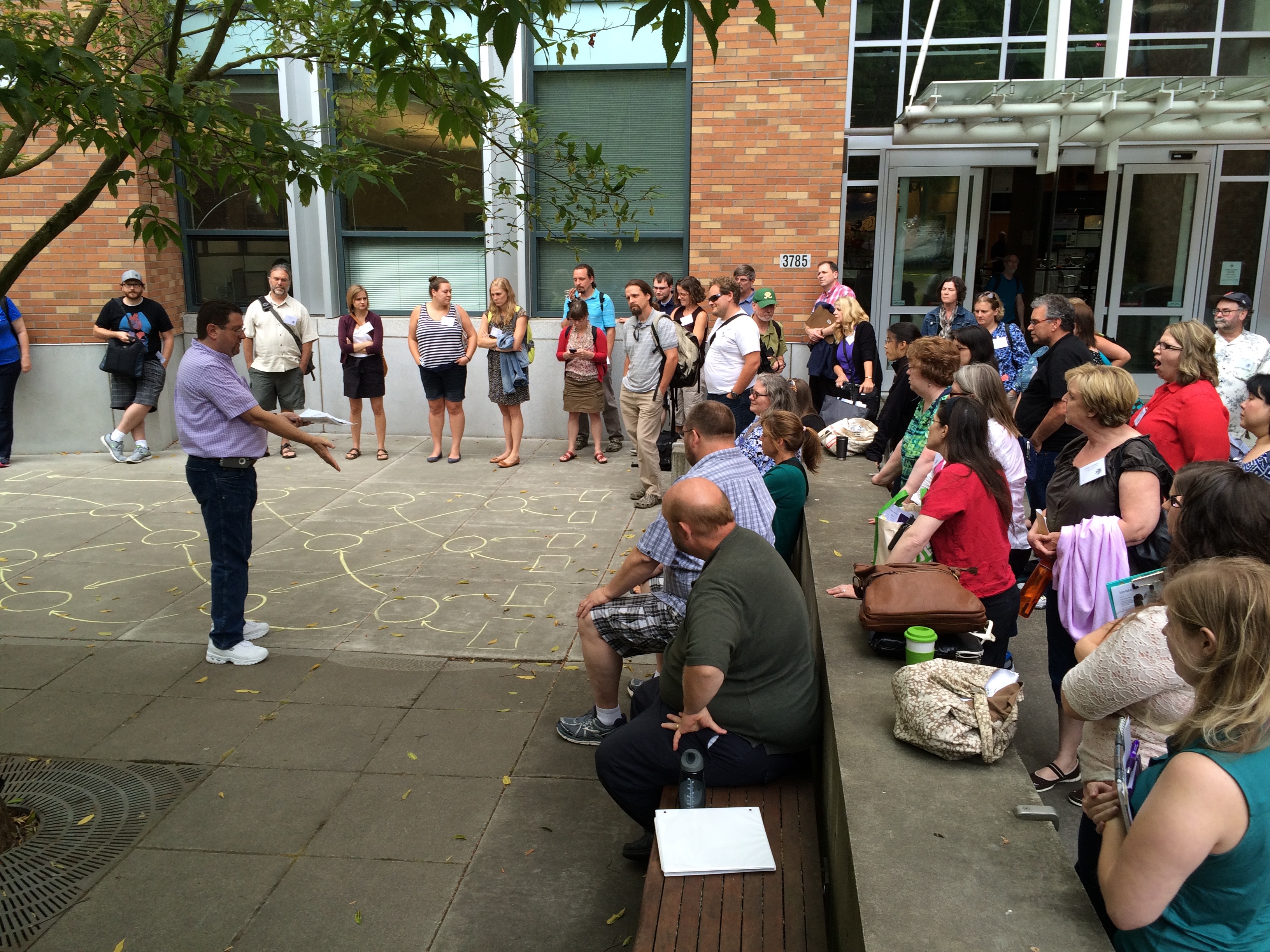
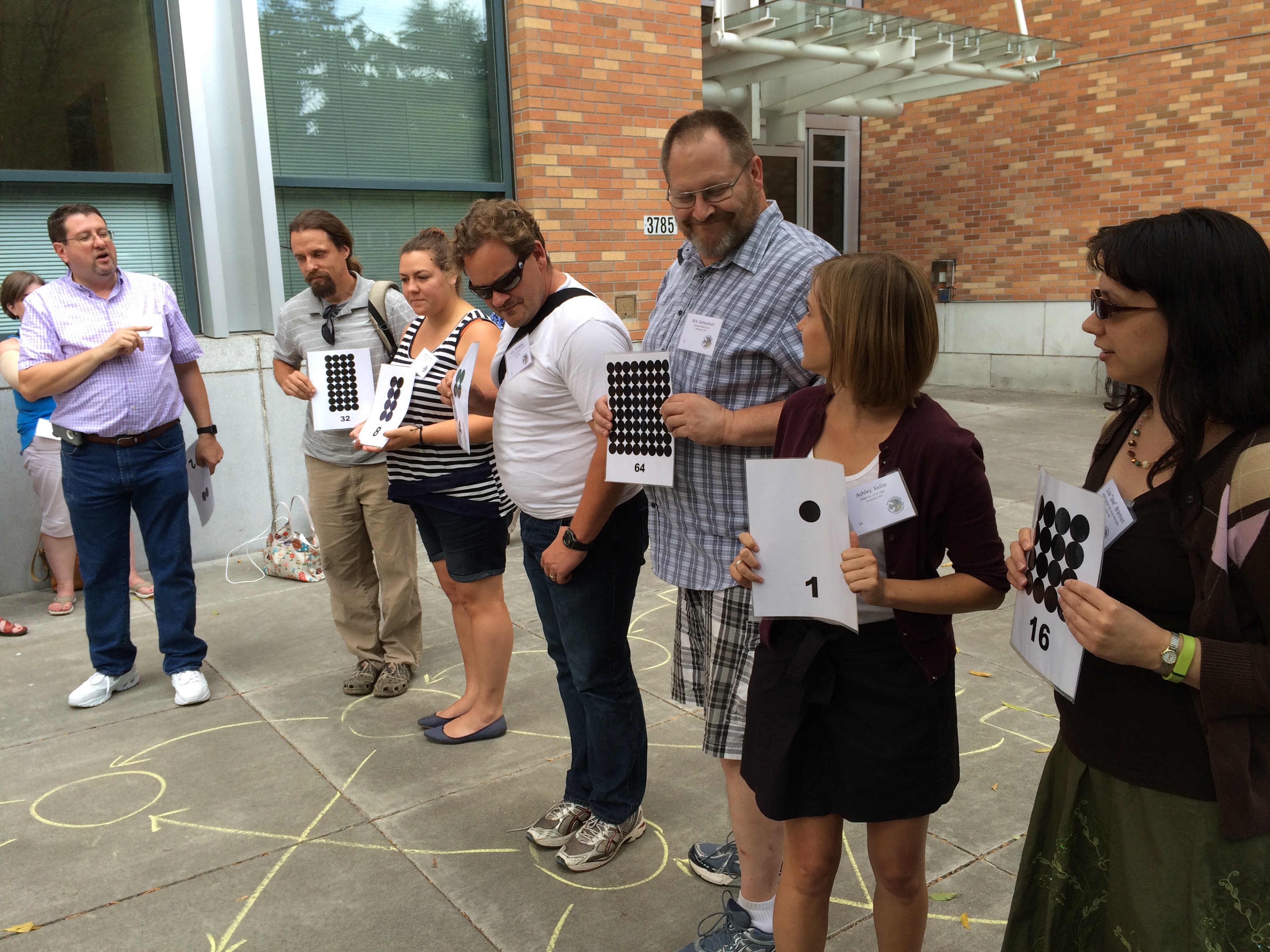
In the photos, Tom Cortina, our long-time collaborator from Carnegie Mellon University (co-originator of CS4HS, along with UW and UCLA) walks the teachers through the basics of sorting networks!
Learn all about CS4HS here. Learn about DawgBytes (“A Taste of CSE”), UW CSE’s extensive K-12 outreach program, here. Read more →
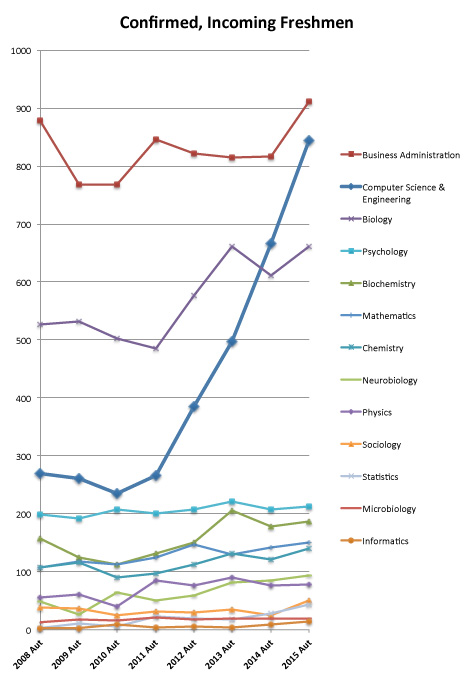 The UW Daily reports on exploding interest in Computer Science & Engineering on the part of UW applicants, incoming freshmen, and current students.
“The number of incoming freshmen choosing CSE as their intended major increased by approximately 900 people this year, with 3,679 applicants total. Of those applicants, 2,264 were admitted to the UW for the 2015-16 academic year, making CSE the second most popular major at UW behind business …
“While applications to the CSE major are at an all-time high, many students don’t realize their interest in the subject until much later. For example, 58 percent of women who are CSE majors didn’t intend to enter the program upon enrolling at the UW. This means freshman intent underestimates the actual demand the CSE program should expect.
“‘I definitely didn’t have experience beforehand,’ senior CSE major Stephanie Shi said. ‘I was very against [CSE] … but it turned out to be the complete opposite of what I expected.'”
Read more here. Read more →
 The paper Latency-Tolerant Software Distributed Shared Memory describing UW CSE’s GRAPPA system was recognized today as a Best Paper at the 2015 USENIX Annual Technical Conference.
GRAPPA is a modern take on software distributed shared memory (DSM) for in-memory data-intensive applications. GRAPPA enables users to program a cluster as if it were a single, large, non-uniform memory access (NUMA) machine. Performance scales up even for applications that have poor locality and input-dependent load distribution. GRAPPA addresses deficiencies of previous DSM systems by exploiting application parallelism, trading off latency for throughput.
The paper compares the performance of GRAPPA with an in-memory map/reduce framework (10X faster than Spark), a vertex-centric framework inspired by GraphLab (1.33X faster than native GraphLab), and a relational query execution engine (12.5X faster than Shark).
Congratulations to the GRAPPA team: Jacob Nelson, Brandon Holt, Brandon Myers, Preston Briggs, Luis Ceze, Simon Kahan, and Mark Oskin.
Learn more about GRAPPA here. Read more →
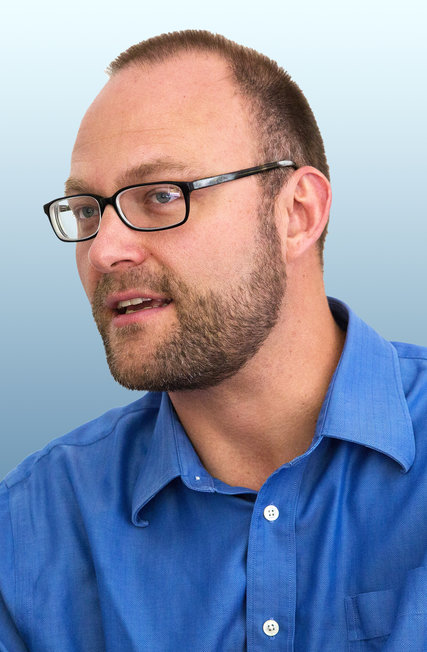 Jake Wobbrock – iSchool professor, CSE adjunct professor, and founding CEO and now chief scientist of AnswerDash, a provider of automated customer service for websites – is profiled in today’s New York Times in the “Corner Office” feature. A few excerpts:
“There’s no genuine opportunity to be a hero without the opportunity to be a goat, too. So if you’re on the free throw line at the end of the basketball game with one second left and two shots to win the game, you can be the hero, but it comes with the chance of being the goat. The point is not to fear being the goat because if you shy from that, you’ll never be the hero.”
“Your purpose or calling in life is really at the intersection of your great passion and the world’s great need. It’s not just about following your passion. Spend some time looking at the world, not just yourself.”
Read more here. Read more →
 UW CSE professor Pedro Domingos and his Ph.D. alum Geoff Hulten (now at Microsoft Research) have received the KDD2015 Test of Time Award – presented at the 21st ACM SIGKDD Conference on Knowledge Discovery and Data Mining to a paper from a KDD conference beyond the last decade that has had an important impact on the data mining research community.
KDD is the flagship conference of the ACM Special Interest Group on Knowledge Discovery and Data Mining, and the top international conference in data science. Pedro and Geoff’s paper, “Mining High-Speed Data Streams,” was presented at KDD2000.
Congratulations Pedro and Geoff! Read more →