CBS “Innovation Nation” features UW CSE’s age progression software

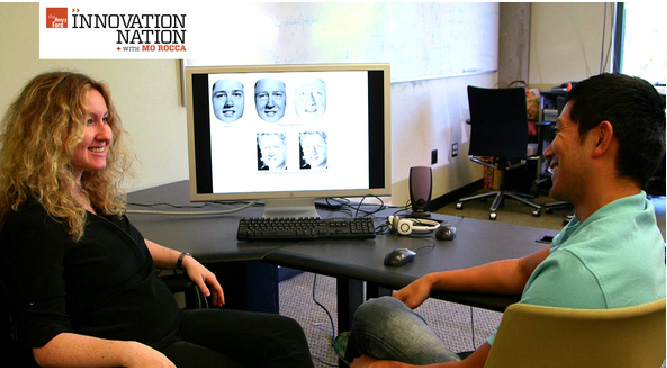
UntitledUW CSE professor Ira Kemelmacher-Shlizerman demonstrates her amazing age progression software on CBS TV’s “Innovation Nation.”

Want to know what you or your child will look like a few decades from now?  Check it out!

CBS interview here.  Research web page here.

(Quoting UW CSE’s Steve Seitz: “I love when they showed the ‘code’ behind the algorithm. Hand scrawled with lots of integrals :-)”) Read more →

UW CSE’s Tom Anderson keynotes ACM Symposium on Cloud Computing

tomUW CSE professor Tom Anderson delivered the opening keynote this morning at the ACM Symposium on Cloud Computing.

Tom’s topic was “High Performance Data Center Operating Systems and Networks” – specifically, UW CSE’s new Arrakis data center operating system and F10/Subways approach to data center network configuration.

“Recent device hardware trends enable new approaches to the design of data center operating systems and networks, yielding substantial benefits for application performance. In a traditional operating system, the kernel mediates access to device hardware by server applications, to enforce process isolation as well as network and disk security. I will describe a new operating system, Arrakis, that splits the traditional role of the kernel in two. Applications have direct access to virtualized I/O devices, allowing most I/O operations to skip the kernel entirely, while the kernel is re-engineered to provide network and disk protection without kernel mediation in the common case. A consequence of Arrakis will be to intensify load on the data center network, which already suffers from frequent congestion events due to correlated traffic patterns. Another device trend is towards installing multiple network interfaces per server. Through coordinated wiring, routing, and load balancing, I will describe techniques that together dramatically decrease the frequency of congestion events and improve application performance.”

Tom’s slides are here (pdf). Read more →

UW CSE’s Ed Lazowska on GeekWire Radio

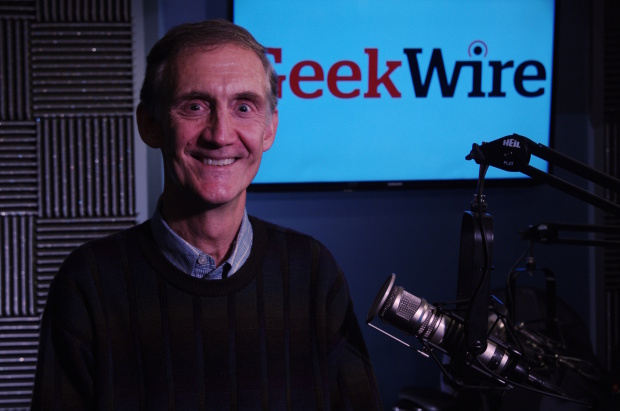
edlazowska-620x411UW CSE’s Ed Lazowska joins GeekWire‘s Todd Bishop and John Cook for a conversation on GeekWire Radio. Topics include:

  • Regular GeekWire content:
    • The Microsoft Band (Todd had a review model – way cool!)
    • Starbucks home delivery (John thinks they’re transforming into a technology company)
  • Interview with Ed (9:00-16:25)
    • What’s cool in computer science?
    • How much is this reflected in education?
    • What about student demand for computer science? What’s driving the dramatic increase?
    • What can we do to meet our local student and employer demand?
  • Regular GeekWire content:
    • App of the Week: PhotoMath
  • More with Ed (18.05-24:05)
    • What about the planned new building for UW CSE?
    • The four components of UW CSE’s value proposition:
      • “We are the #1 place in the state that prepares Washington’s kids for Washington’s leadership jobs”
      • “Research and entrepreneurship .. Carlos Guestrin … Oren Etzioni … Shwetak Patel … Microsoft Photosynth … Picasa Face Movie …”
      • “Interdisciplinary activities that are transforming UW … data science … neural engineering … game science …”
      • “Community engagement … advocacy for K-12 STEM … outreach to schools, because that’s our pipeline …”
    • Trends in student entrepreneurship: “I think this region is on the cusp of something great”
  • Regular GeekWire content:
    • GeekWire‘s Trivia Challenge
  • Final segment with Ed (27:30-31:36)
    • Advice for parents to prepare their kids for 21st century careers? “Keep your kid inquisitive”
    • A hat-tip to Code.org: “Programming is the hands-on inquiry-based way we teach computational thinking”
    • A final message about computer science: “This is a field that’s great for everybody, and a field that gives you the power to change the world”

GeekWire airs on KIRO Radio in Seattle (97.3 FM) at 7 p.m. Saturdays and 1 p.m. Sundays – but it’s always available by podcast here. Read more →

CSE’s “Dress Like Your Research” Halloween Party

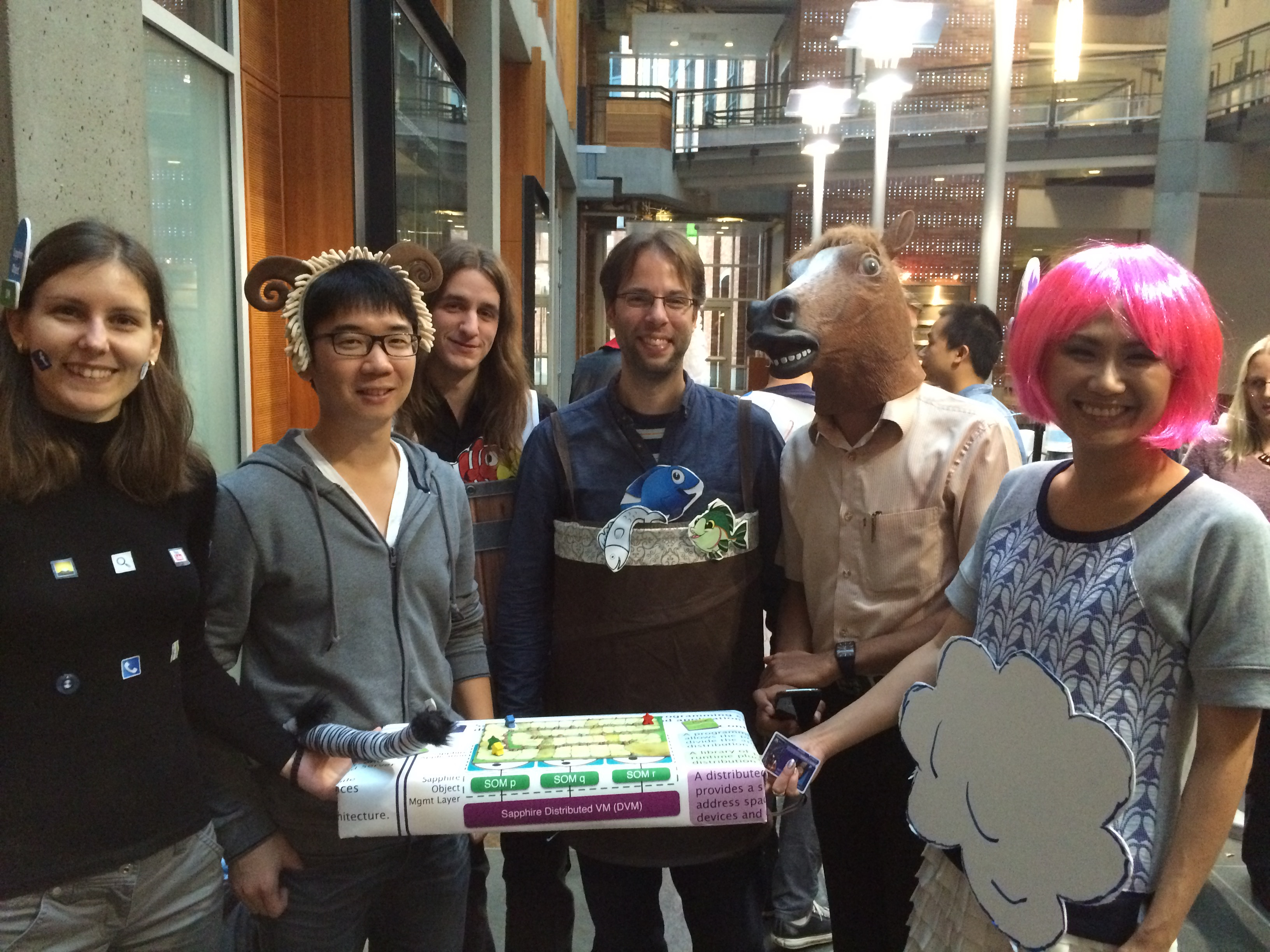
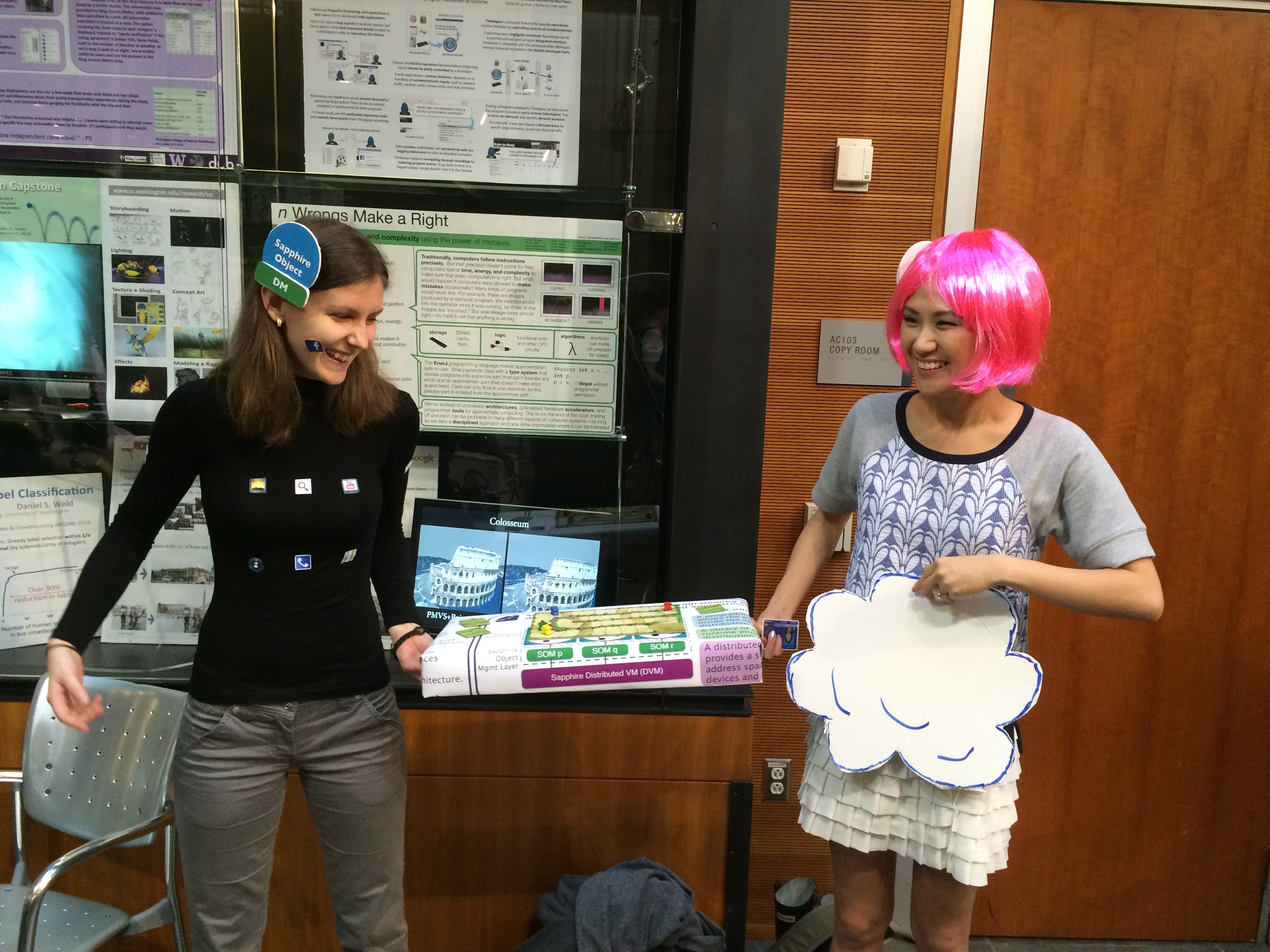
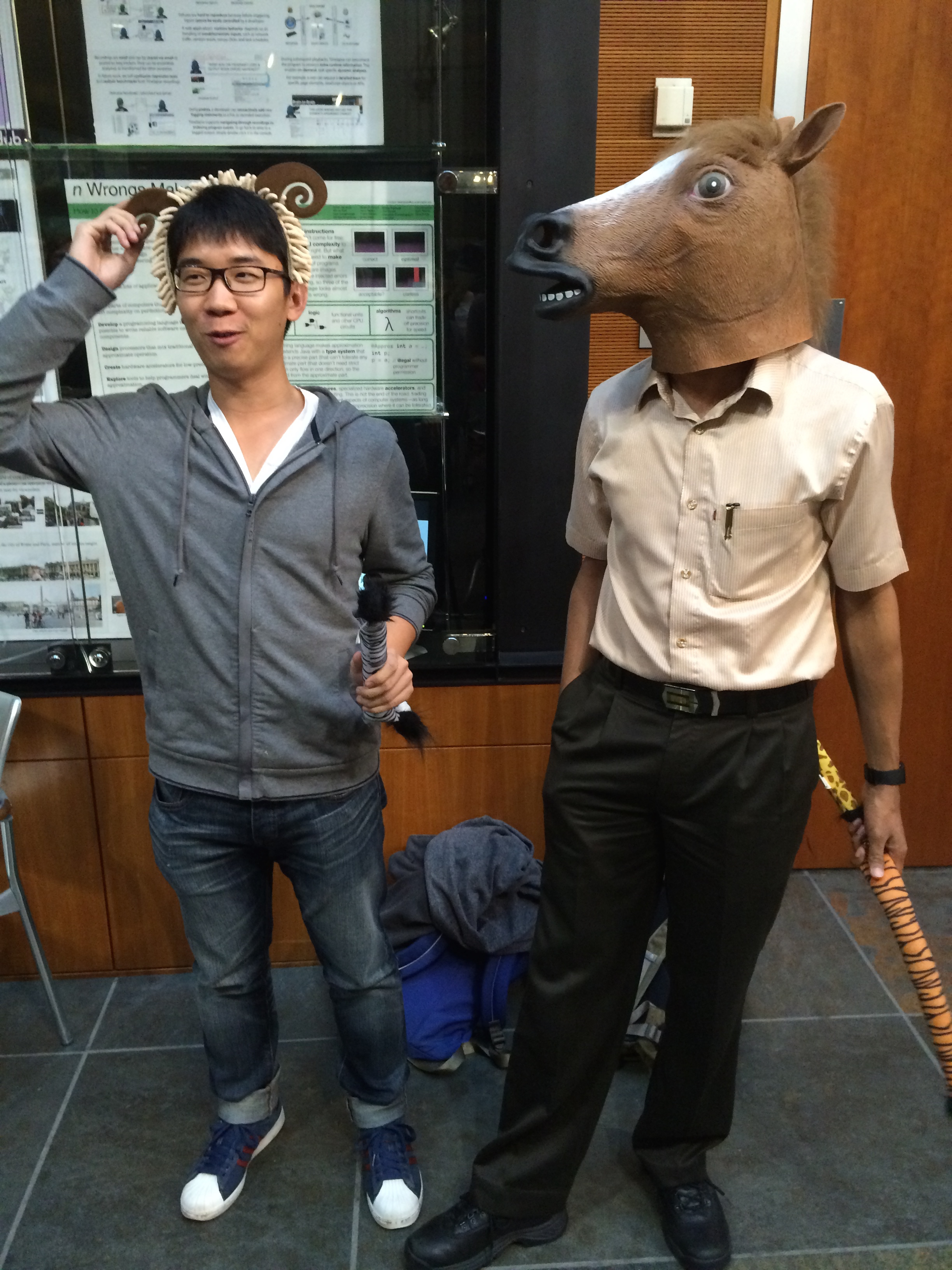
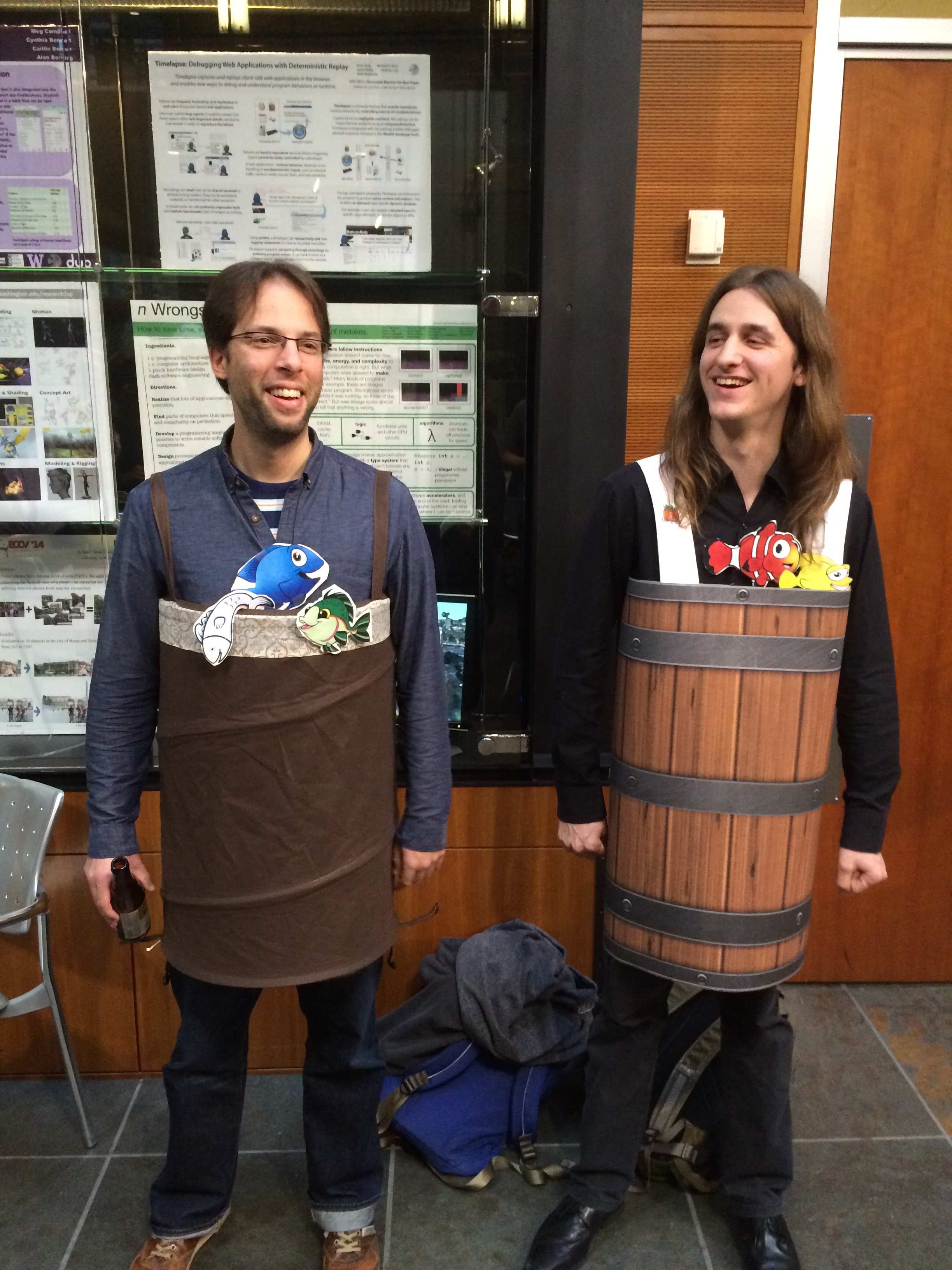
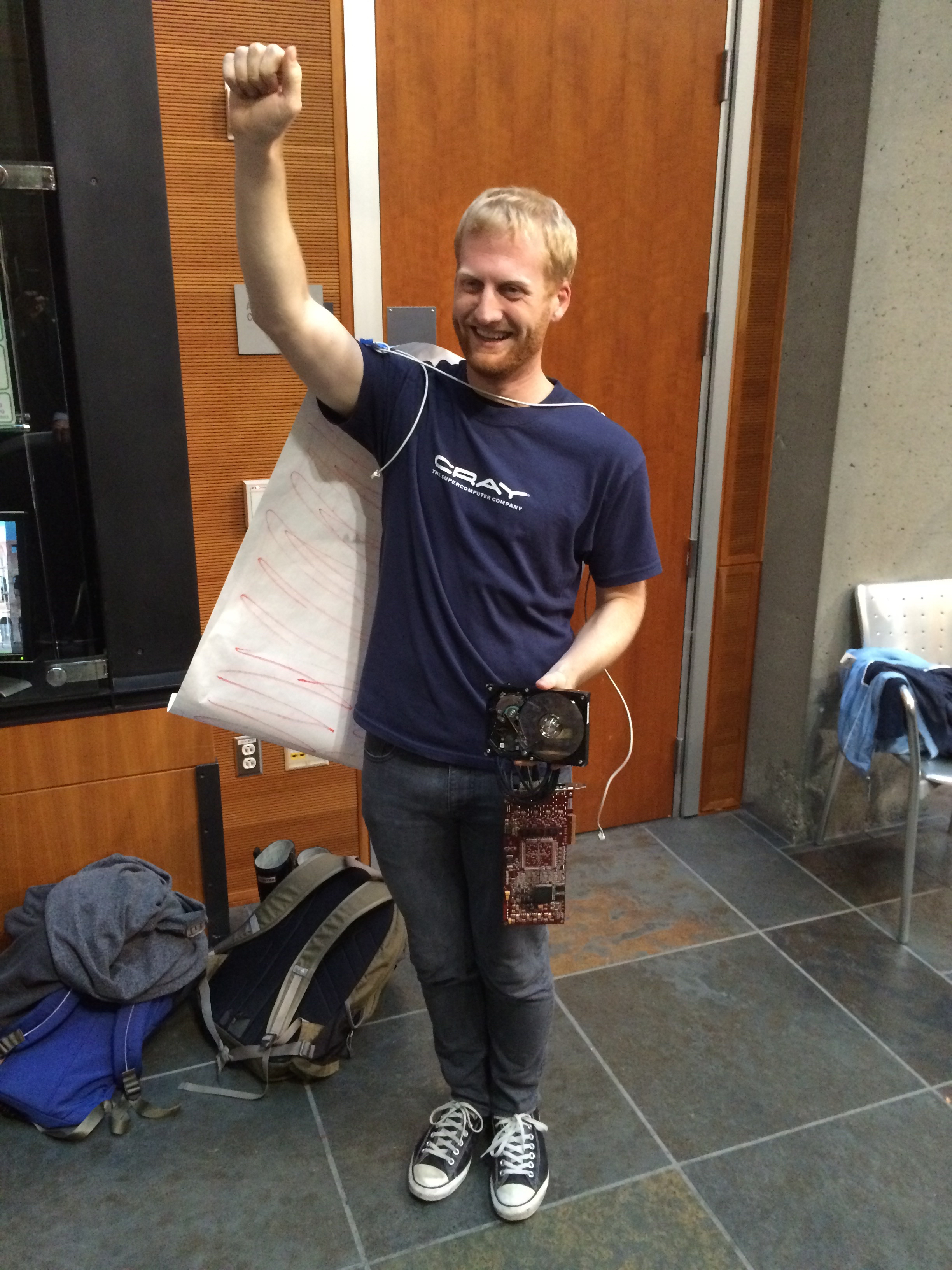
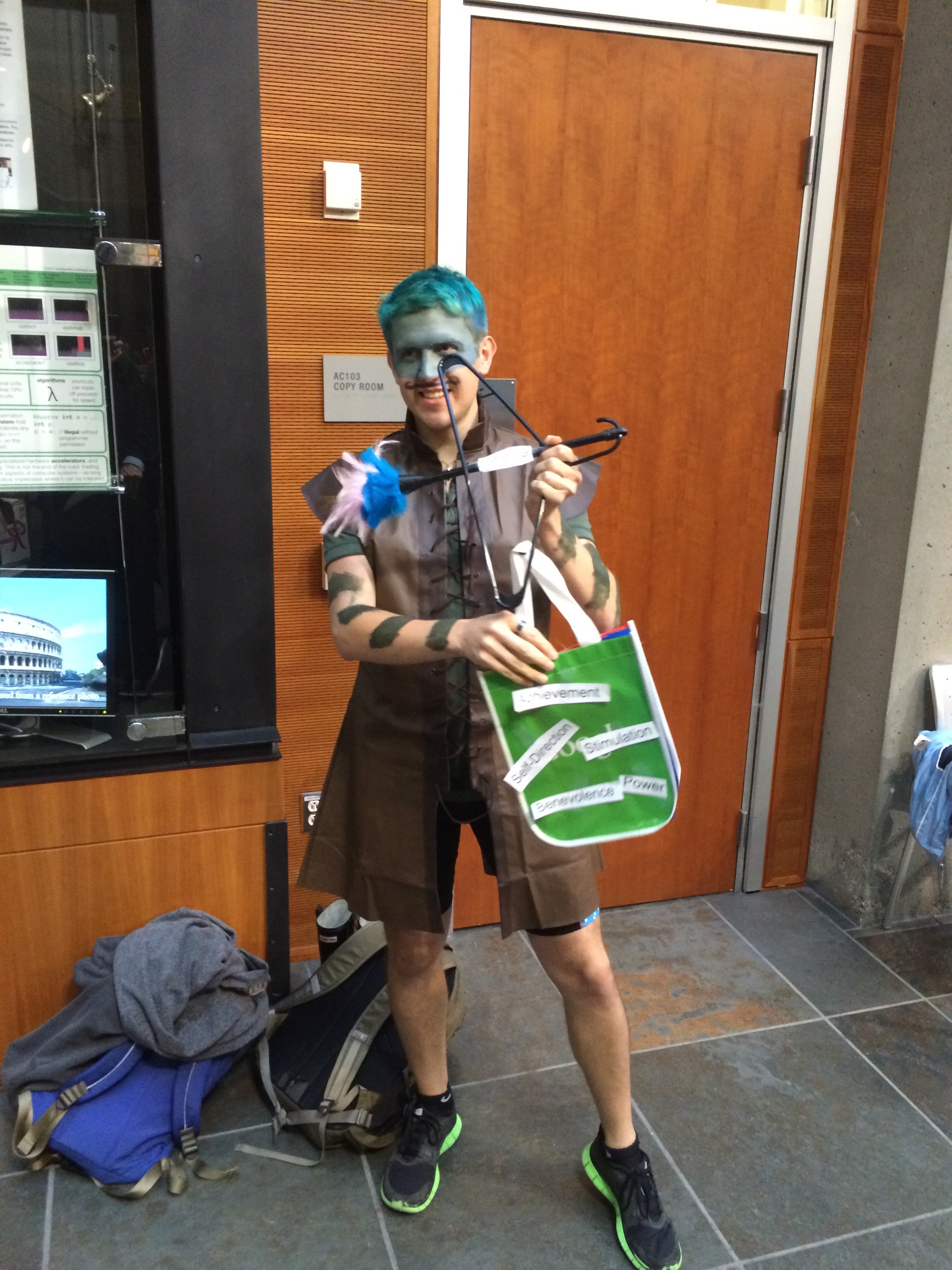
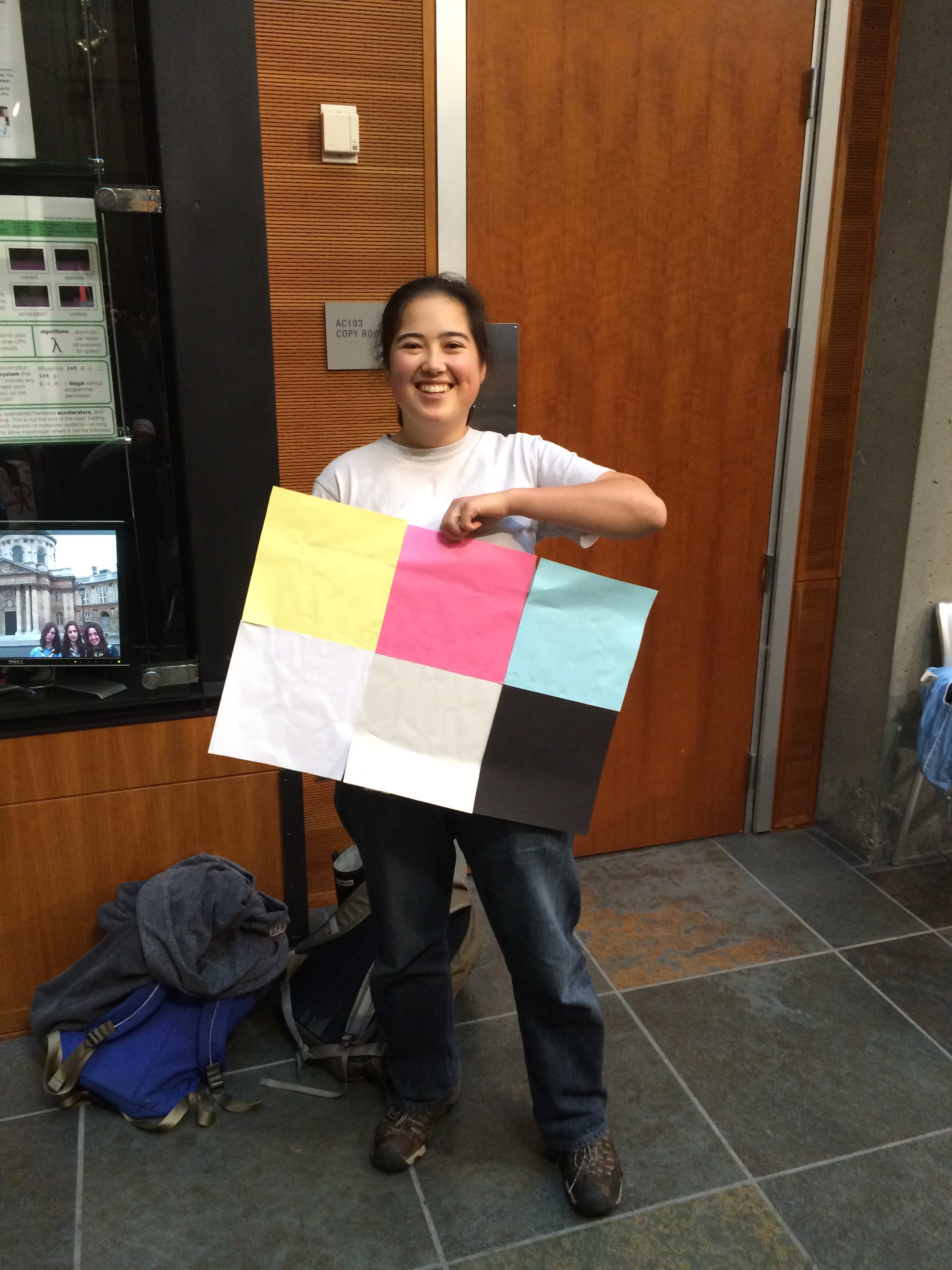
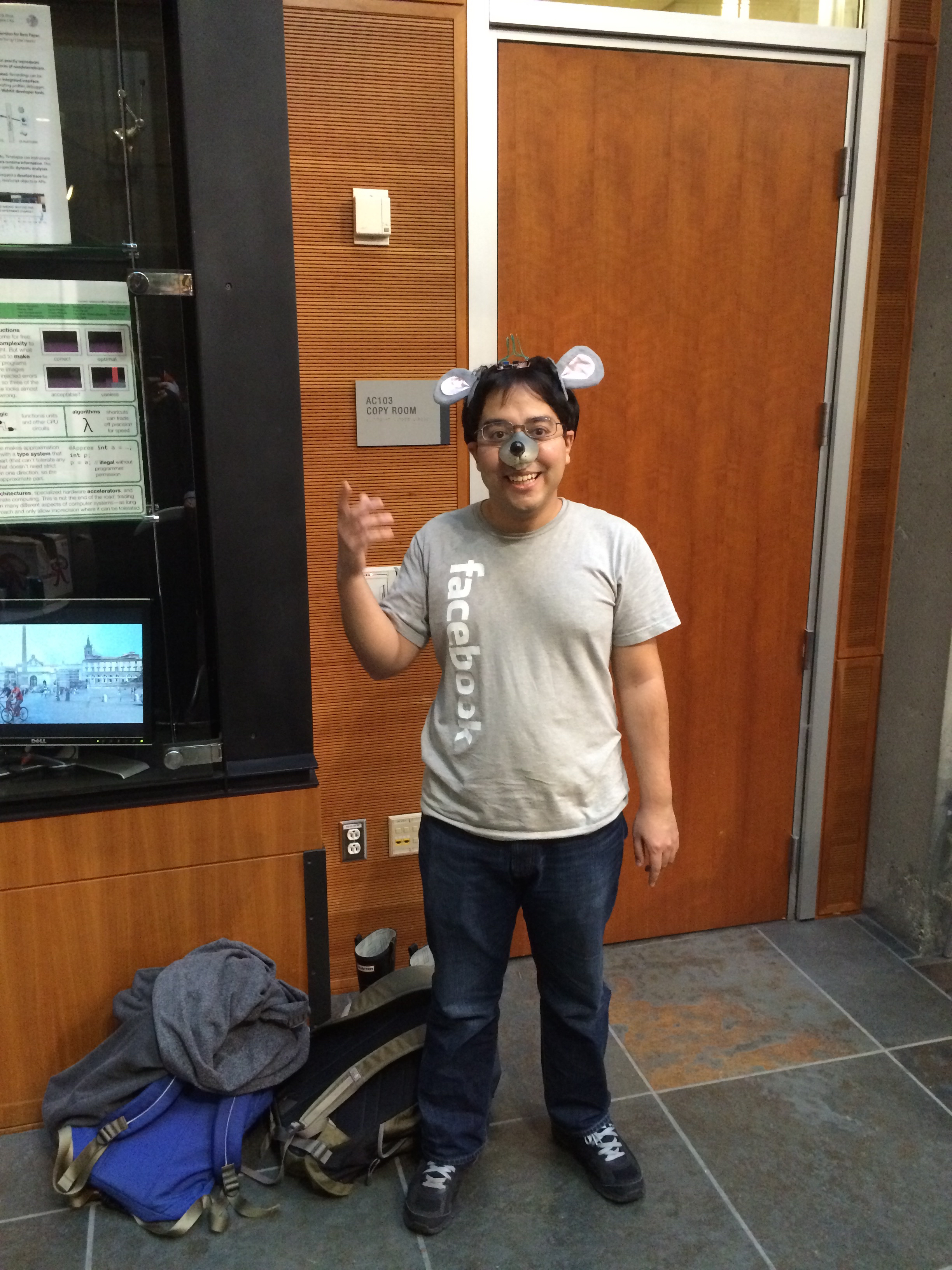
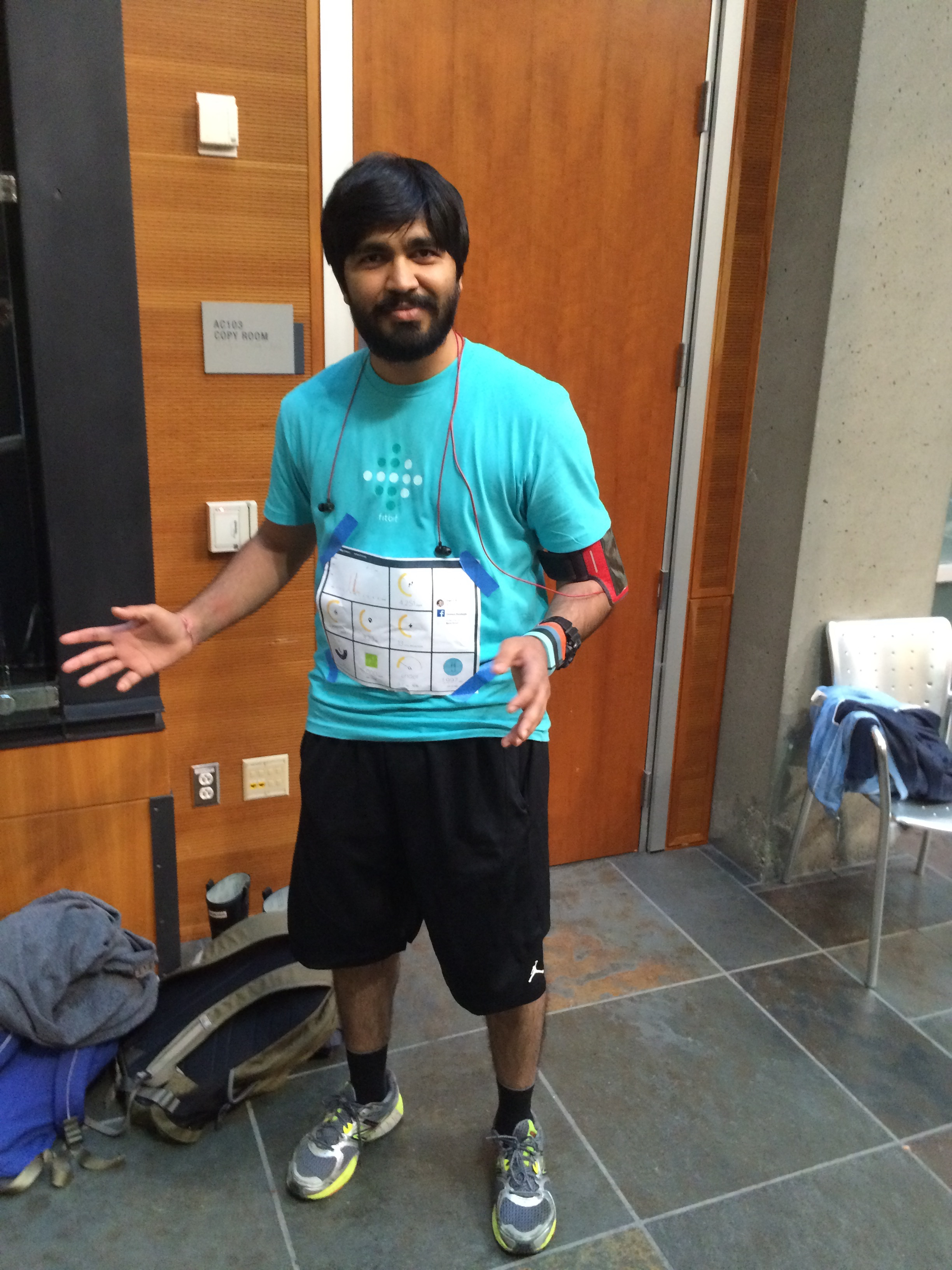
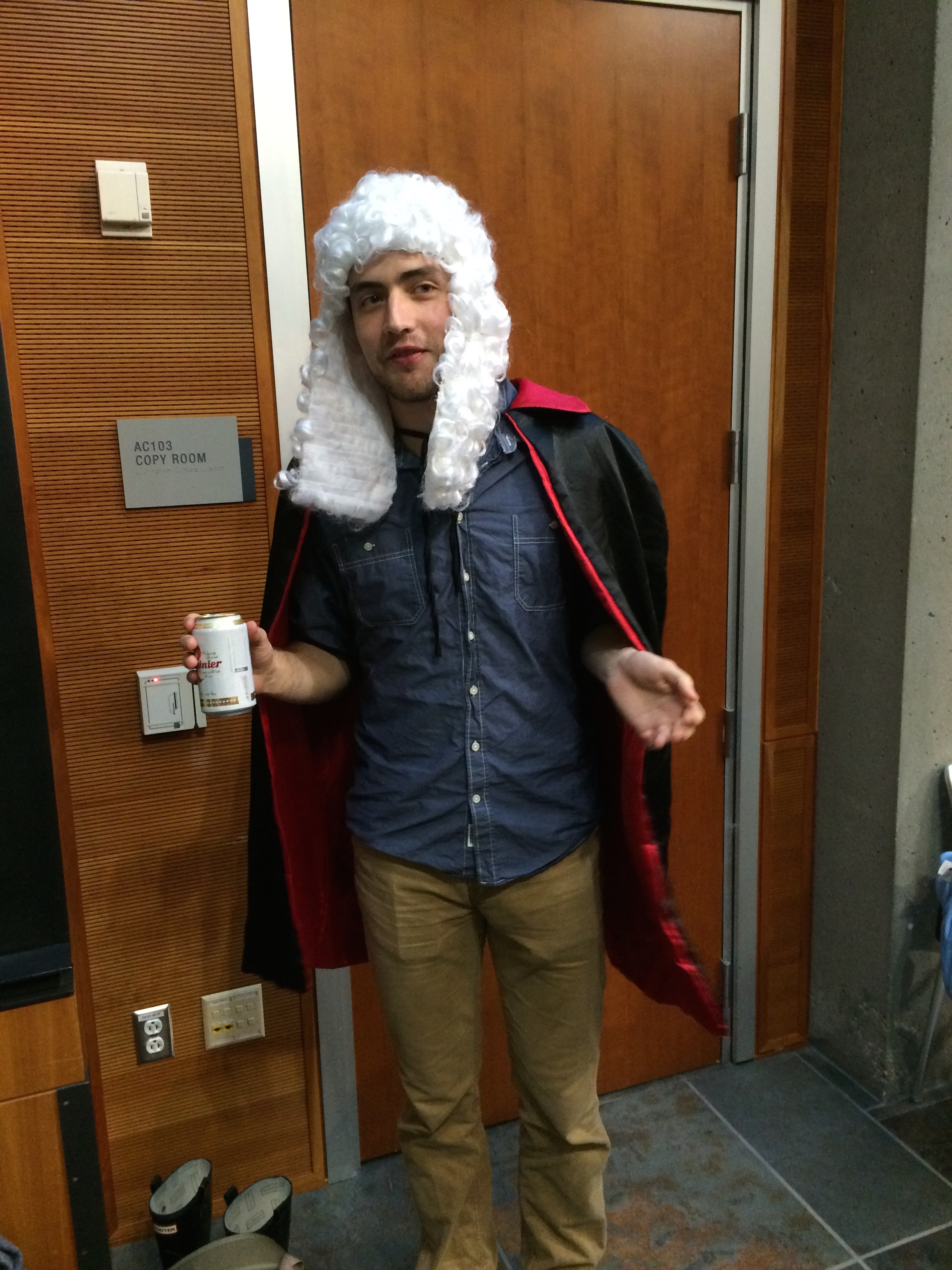
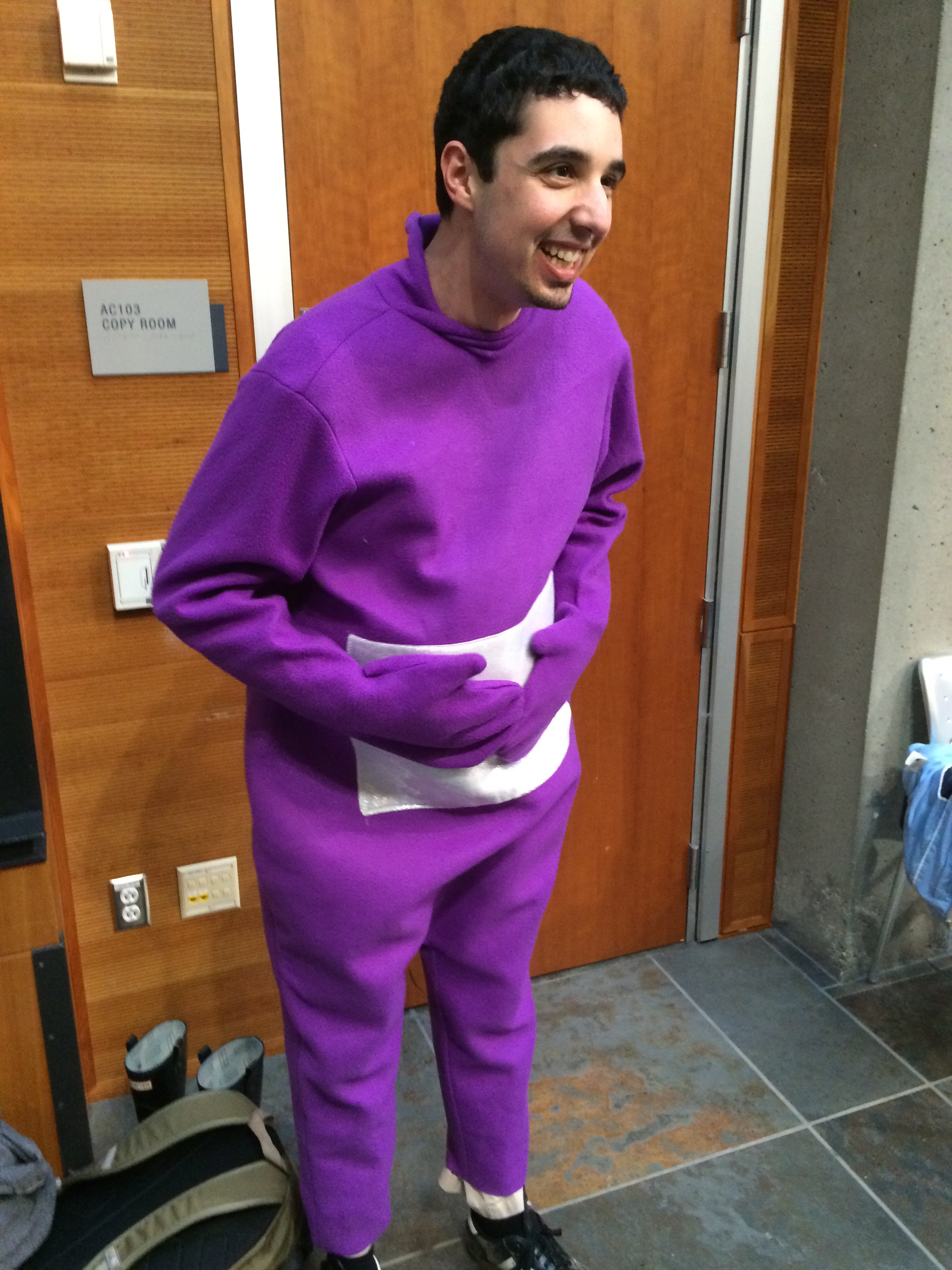
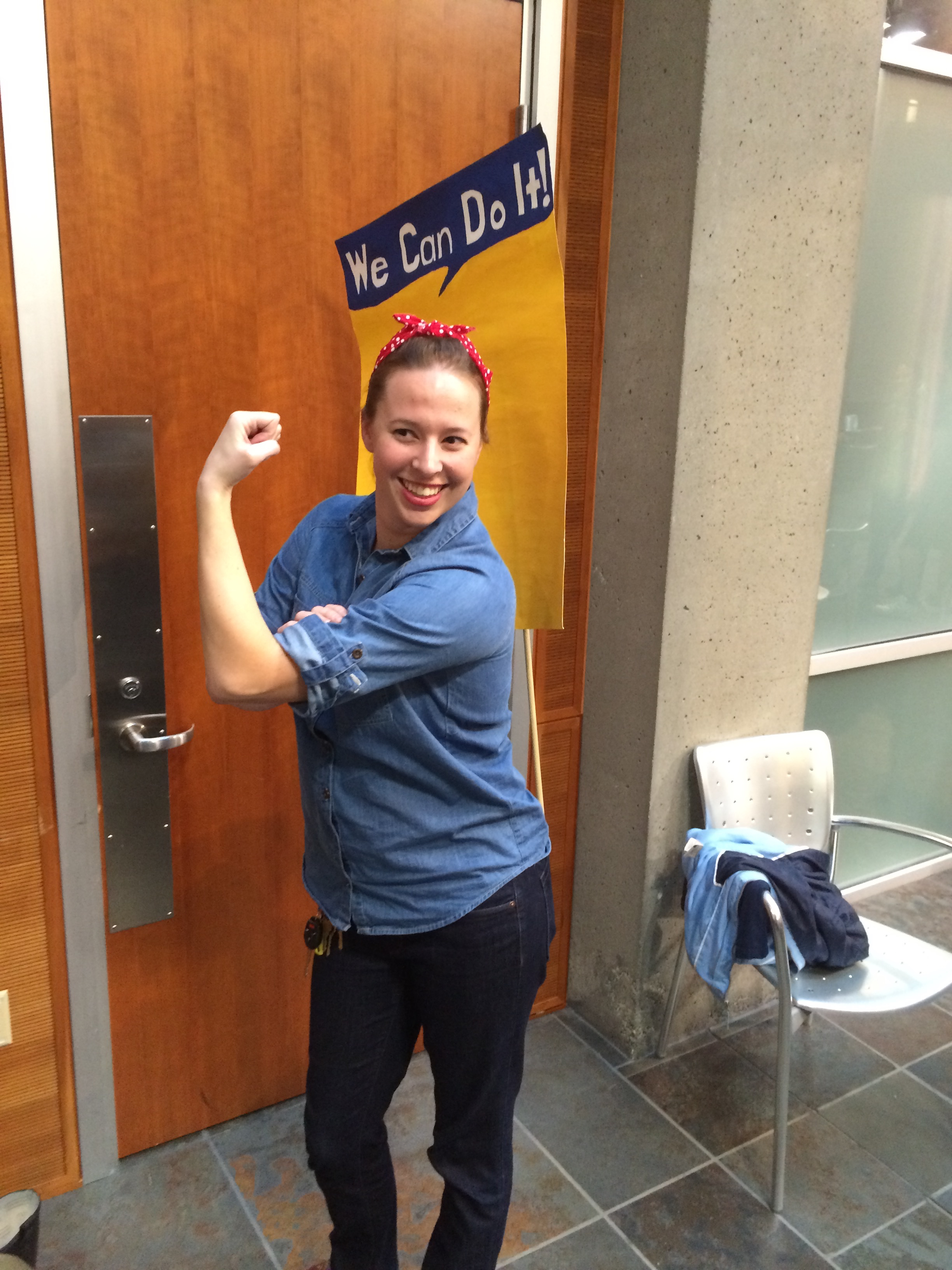
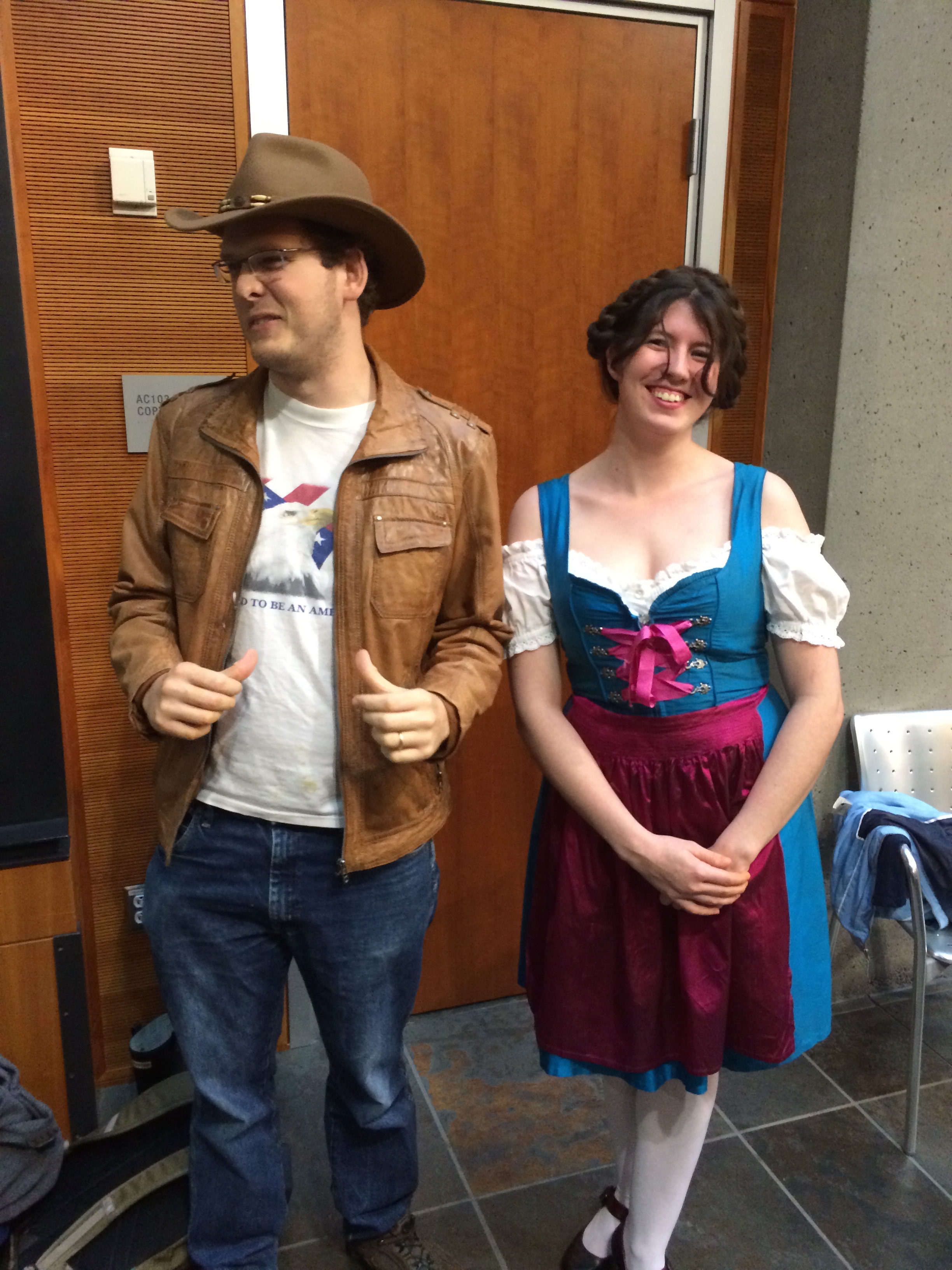
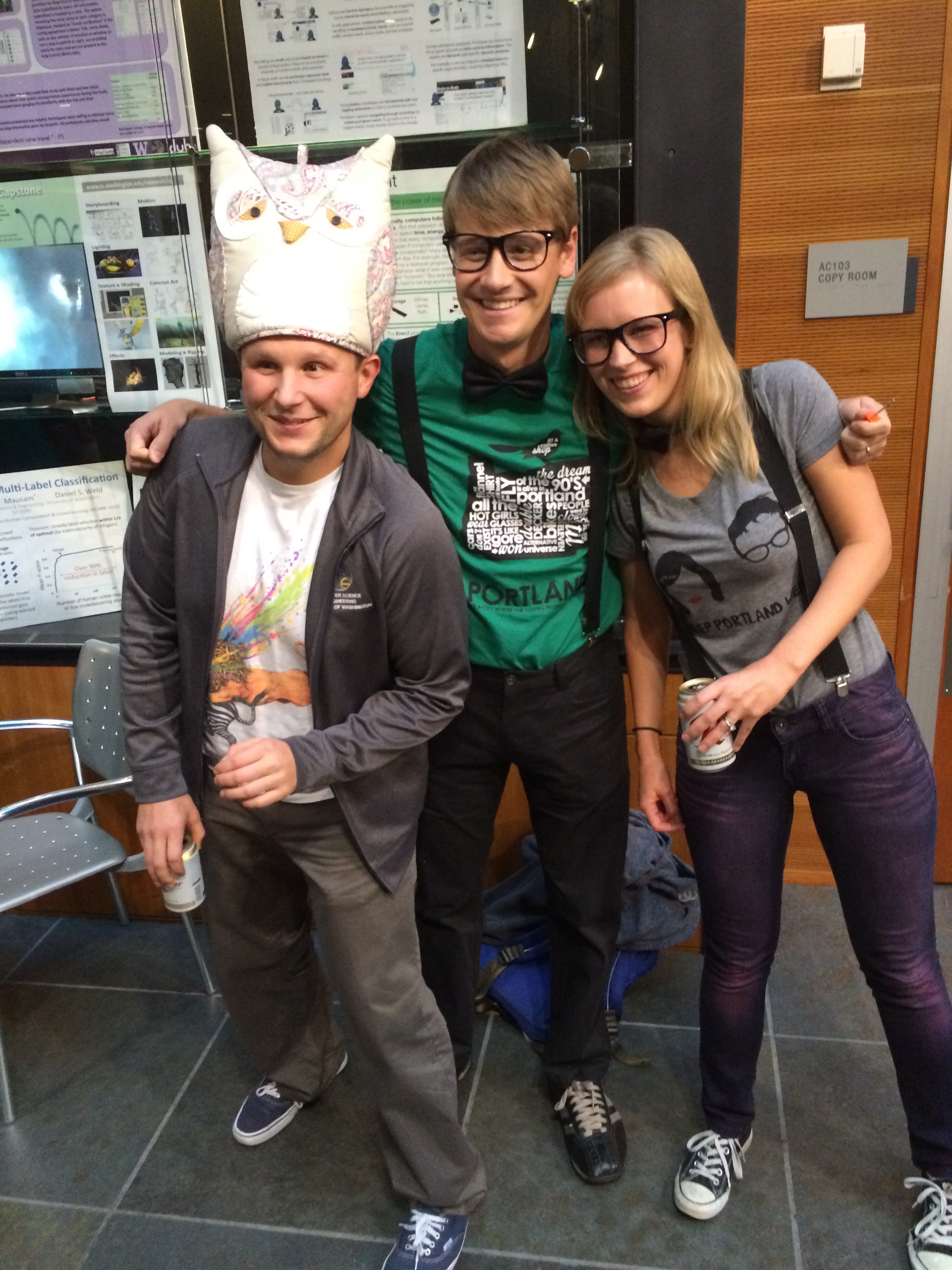
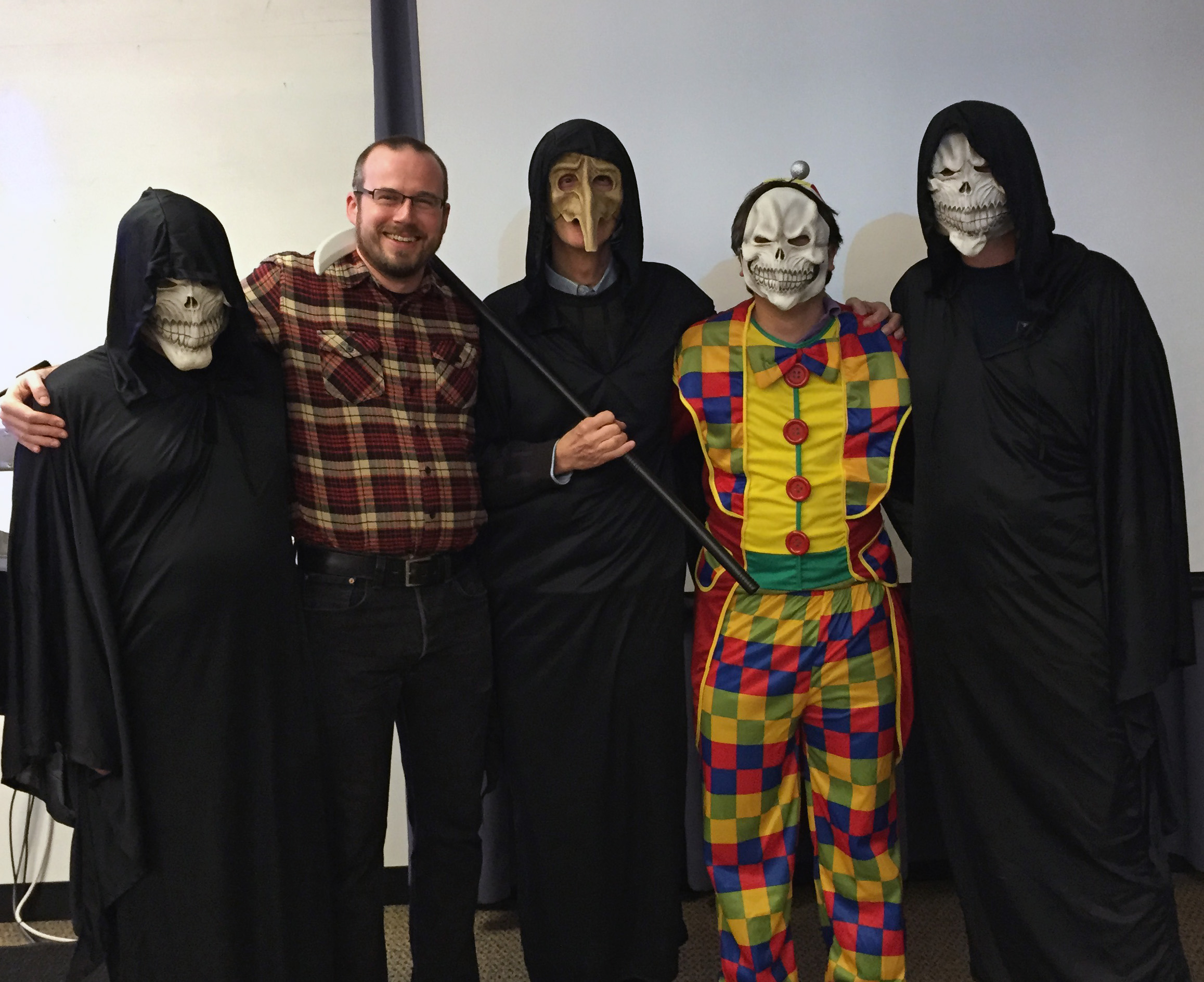
IMG_3906 IMG_3916 IMG_3927 IMG_3934 IMG_3940 IMG_3942 IMG_3945 IMG_3950 IMG_3952 IMG_3957 IMG_3964 IMG_3968 IMG_3975 IMG_3978 IMG_3982 IMG_3991 IMG_3995 IMG_3998(For most of these, your guess is as good as ours … but see if you can find “tail effects,” “barrelfish,” “non-volatile RAM,” “BiliCam,” …) Read more →

Jacob Nelson’s Ph.D. defense

Jacob

Ph.D. candidate Jacob Nelson and supervisory committee members Simon Kahan, Ed Lazowska, Luis Ceze, and Mark Oskin

Apparently Jacob didn’t get the memo regarding appropriate attire for a Ph.D. defense on Halloween. Read more →

UW CSE and Microsoft Band

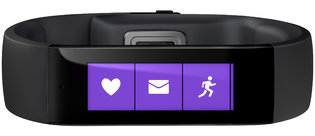
Microsoft-master315Let’s hear it for Microsoft Research – UW CSE affiliate professor Desney Tan, UW CSE affiliate professor Dan Morris, UW CSE Ph.D. alum Scott Saponas, and the rest of the team!

Read about Microsoft Band in the New York Times here. Read more →

UW CSE “mock technical interviews”

IMG_20141029_194101“Mock technical interviews” help prepare UW CSE students for the real thing! Many thanks to our friends and alums from top companies who participated last night:

  • Amazon: Rowan Hale, Bingo Ngo, Shridhar Pathak
  • Google: Kiran Bagga, Alexis Cheng, David Schultz
  • Marchex: Rich Hanbidge, Kent Henneuse, Morten Pedersen
  • Microsoft: Zac Brown, Kasey Champion, Alejandro Guerrero Gonzalez, David Haley, Peter Hauge, Tri Nguyen
  • Qumulo: James Athappilly
  • Tableau: Austin Dahl

Comments from two of the above:

“I had a fantastic time getting to work with students and do the interviews. I have long since forgotten what it is like to start out and may have been more nervous than the students. All three of the individuals I interviewed were well prepared for what was going to happen during the session. Each of them took the time to talk through the solutions they were creating as they coded them up. This shows me there are solid programs in place to help students be successful once they head into the world of interviewing. It was personally rewarding to give back what I have learned over the years to those beginning the journey.”

“Thanks for having us! All three of the students I interviewed have great potential. I usually have to do many interviews to find one good candidate, so I was pleasantly surprised to speak to three good ones in a row. It goes to show what a great program you have here.” Read more →

Apple’s Tim Cook: “We pave the sunlit path toward justice together, brick by brick. This is my brick.”

28bits-cook-master675Read more in the New York Times here and here.

CSE’s  Ed Lazowska is quoted in the latter article:

“Edward Lazowska, a professor of computer science at the University of Washington, said most technology companies, like most universities, have policies that say they are open to women, gays, lesbians and members of minority groups.

“‘But down at the rank-and-file level is where these policies are put into practice, and that’s where many of us fall short,’ he said. ‘My view has always been that the majority of people have good intentions, but inadvertently create an unwelcoming environment for people who are not like them.'”

[Just for the record, here’s what I actually said:

“The final quote – ‘We pave the sunlit path toward justice together, brick by brick. This is my brick’ – brings tears to my eyes.

“I hope this is a watershed moment.

“Most tech companies, like most universities, are tolerant as a matter of policy – they are open to women, to LGBTs, to members of under-represented racial and ethnic groups.

“Down at the rank-and-file level, however, is where these policies are put into practice, and that’s where many of us fall short.

“My view has always been that the majority of people have good intentions, but inadvertently create an unwelcoming environment for people who are not like them.  There are (at least) two aspects to this.

“First, ‘the system’ in tech, as in academia, has been put into place by aggressive straight white males.  Inevitably this ‘system’ is biased towards rewarding the characteristics of those who put it into place.  (In principle, a ‘quantitative’ evaluation system should level the playing field, but the ‘weights’ applied to various factors are established by those who succeeded under the old rules – guys like me.)

“Second, there is a general lack of sensitization to the things that we all do, large and small, that create an unwelcoming environment. Here’s an example from this morning – a Facebook post from a Ph.D. alumna of ours (Stanford undergrad – a real hotshot) who works at a large tech company in Seattle:

Today I was invited to a leadership thingy at work. The email included ~5 people from each team in my org, their email addresses listed in order by their team. The list closed with 7 additional people whose names were placed at the end, instead of with the others from their team. These last 7 people were all women.

Can anyone think of a more generous explanation for this than affirmative action for women? And should being one of the 7 make me happy or sad?

“The person who added the 7 women to the list was undoubtedly trying to do the right thing, but the way it was handled (a) clumsily stigmatized these 7 women, and (b) speaks to a biased evaluation system that initially omitted them.

“Tim’s statement today is tremendously important, but it’s just a beginning. Top to bottom, Apple, and every tech company, and every academic computer science program, needs to send the message every day, in every way, that we are working to create a level playing field. It requires constant effort and attention at every level of the organization.

“I often quote Bill Wulf on the value of diversity in tech:

First, engineering is a very creative profession. That is not the way it is usually described, but down to my toes I believe that engineering is profoundly creative. Second, as in any creative profession, what comes out is a function of the life experiences of the people who do it. Finally, sans diversity, we limit the set of life experiences that are applied, and as a result, we pay an opportunity cost – a cost in products not built, in designs not considered, in constraints not understood, in processes not invented …

Every time we approach an engineering problem with a pale, male design team, we may not find the best solution. We may not understand the design options or know how to evaluate the constraints. We may not even understand the full dimension of the problem.

“In other words, diverse workforce = better result.  Duh.”] Read more →

“We’re Number Fourteen! …”

Untitled… which is pretty darned good. US News has released its first ranking of “Global Universities” and the University of Washington comes in at #14: just behind Princeton, just ahead of Yale, and tied with Michigan and Toronto.

US public institutions in the top 25 (of more than 700 universities that were ranked) include Berkeley (#3), UCLA (#8), Michigan (#14), UW (#14), UCSD (#18), and UCSF (#22).

Important disclaimer: We don’t put much stock in any rankings. We publicize the ones where we look good, we bury the others.

Rankings here. Seattle Times article here. Read more →

Crosscut on UW CSE’s LivingVotersGuide

UntitledCrosscut writes:

“As elections matter more, voters seem to become more frustrated and overwhelmed with the process …

“et our election decisions profoundly affect the quality of our communities and our personal lives …

LivingVotersGuide.org supports that path to engaged and informed voting. Developed by Seattle CityClub in partnership with University of Washington, this online tool helps Washingtonians consider their choices, get relevant background information and discuss candidates and ballot issues with each other.”

(In 2010 Seattle CityClub partnered with a team of Computer Science & Engineering and Political Science researchers at the University of Washington to develop an online tool to inform voting decisions, inspire public trust in one another, and reclaim citizens’ power and shared responsibility for making our democracy work. Alan Borning led the CSE team, working with Ph.D. student Travis Kriplean.)

Read more here. Read more →

« Newer PostsOlder Posts »