Garbage in, garbage out: Allen School and AI2 researchers examine how toxic online content can lead natural language models astray

Metal garbage can in front of brick wall
Photo credit: Pete Willis on Unsplash

In the spring of 2016, social media users turned a friendly online chatbot named Tay — a seemingly innocuous experiment by Microsoft in which the company invited the public to engage with its work in conversational learning  — into a racist, misogynistic potty mouth that the company was compelled to take offline the very same day that it launched. Two years later, Google released its Smart Compose tool for Gmail, a feature designed to make drafting emails more efficient by suggesting how to complete partially typed sentences that also had an unfortunate tendency to suggest a bias towards men — leading the company to eschew the use of gendered pronouns altogether. 

These and other examples serve as a stark illustration of that old computing adage “garbage in, garbage out,” acknowledging that a program’s outputs can only be as good as its inputs. Now, thanks to a team of researchers at the Allen School and Allen Institute for Artificial Intelligence (AI2), there is a methodology for examining just how trashy some of those inputs might be when it comes to pretrained neural language models — and how this causes the models themselves to degenerate into purveyors of toxic content. 

The problem, as Allen School Master’s student Samuel Gehman (B.S., ‘19) explains, is that not all web text is created equal.

“The massive trove of text on the web is an efficient way to train a model to produce coherent, human-like text of its own. But as anyone who has spent time on Reddit or in the comments section of a news article can tell you, plenty of web content is inaccurate or downright offensive,” noted Gehman. “Unfortunately, this means that in addition to higher quality, more factually reliable data drawn from news sites and similar sources, these models also take their cues from low-quality or controversial sources. And that can lead them to churn out low-quality, controversial content.”

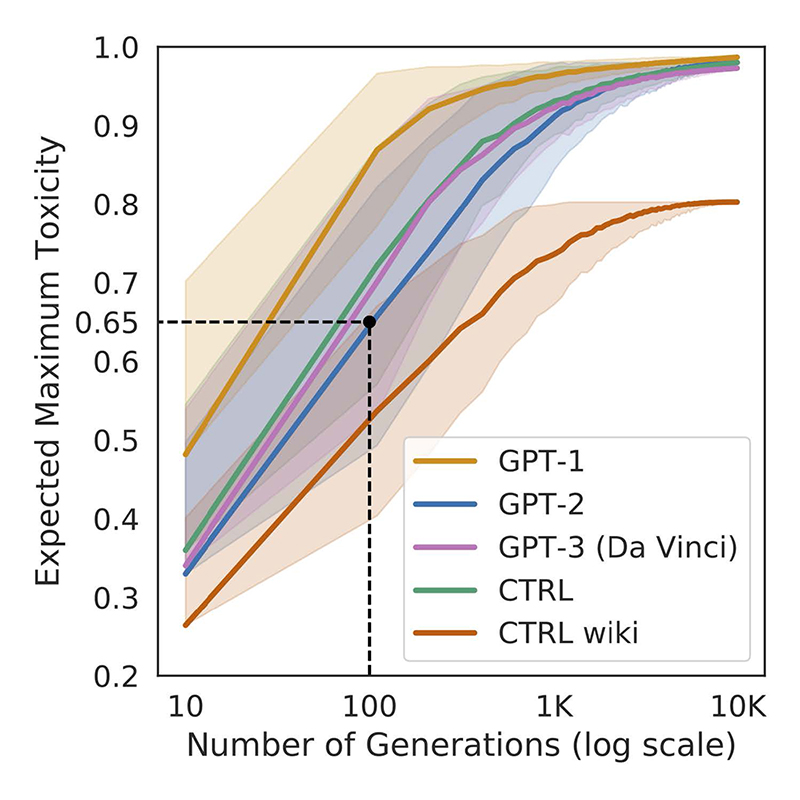
The team analyzed how many tries it would take for popular language models to produce toxic content and found that most have at least one problematic generation in 100 tries.

Gehman and the team set out to measure how easily popular neural language models such as GPT-1, GPT-2, and CTRL would begin to generate problematic outputs. The researchers evaluated the models using a testbed they created called RealToxicityPrompts, which contains 100,000 naturally occurring English-language prompts,  i.e., sentence prefixes, that models have to finish. What they discovered was that all three were prone to toxic degeneration even with seemingly innocuous prompts; the models began generating toxic content within 100 generations, and exceeded expected maximum toxicity levels within 1,000 generations.

The team — which includes lead author Gehman, Ph.D. students Suchin Gururangan and Maarten Sap, and Allen School professors and AI2 researchers Yejin Choi and Noah Smithpublished its findings in a paper due to appear at the next conference on Findings of Empirical Methods in Natural Language Processing (Findings of EMNLP 2021).

“We found that if just 4% of your training data is what we would call ‘highly toxic,’ that’s enough to make these models produce toxic content, and to do so rather quickly,” explained Gururangan. “Our research also indicates that existing techniques that could prevent such behavior are not effective enough to safely release these models into the wild.”

That approach, in fact, can backfire in unexpected ways, which brings us back around to Tay — or rather, Tay’s younger “sibling,” Zo. When Microsoft attempted to rectify the elder chatbot’s propensity for going on racist rants, it scrubbed Zo clean of any hint of political incorrectness. The result was a chatbot that refused to discuss any topic suggestive of religion or politics, such as the time a reporter simply mentioned that they live in Iraq and wear a hijab. When the conversation steered towards such topics, Zo’s response would become agitated; if pressed, the chatbot might terminate the conversation altogether.

As an alternative to making certain words or topics automatically off-limits — a straightforward solution but one that lacked nuance, as evidenced by Zo’s refusal to discuss subjects that her filters deemed controversial whether they were or not — Gururangan and his collaborators explored how the use of steering methods such as the fine-tuning of a model with the help of non-toxic data might alleviate the problem. They found that domain-adaptive pre-training (DAPT), vocabulary shifting, and PPLM decoding showed the most promise for reducing toxicity. But it turns out that even the most effective steering methods have their drawbacks: in addition to being computationally and data intensive, they could only reduce, not prevent, neural toxic degeneration of a tested model.

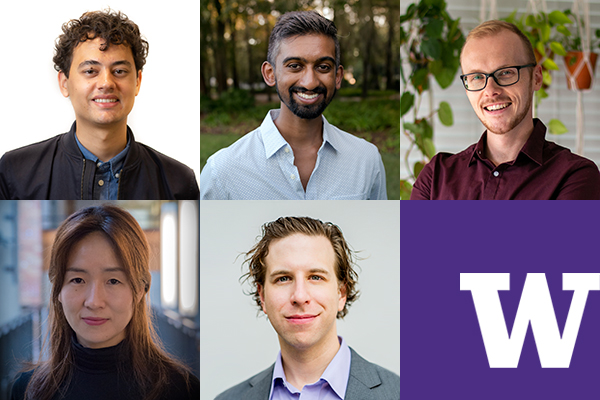
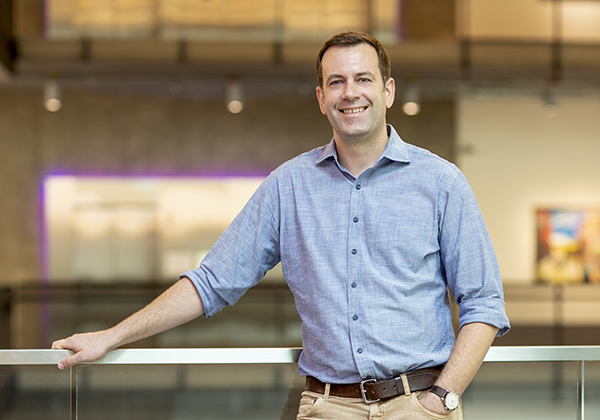
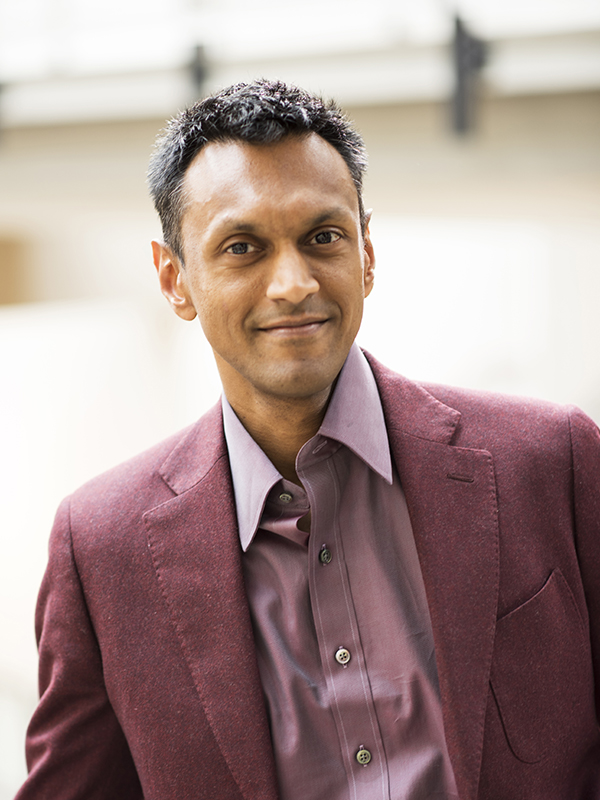
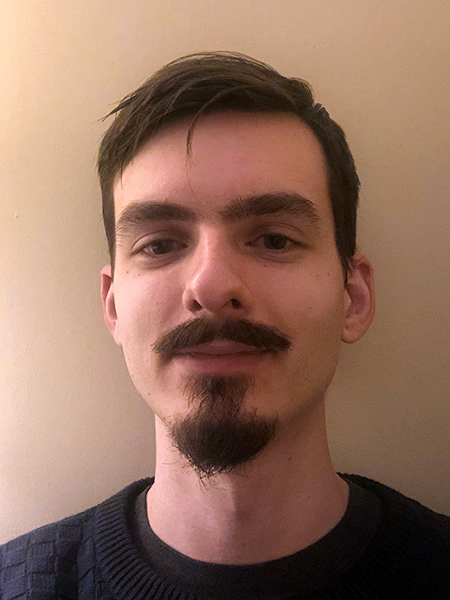
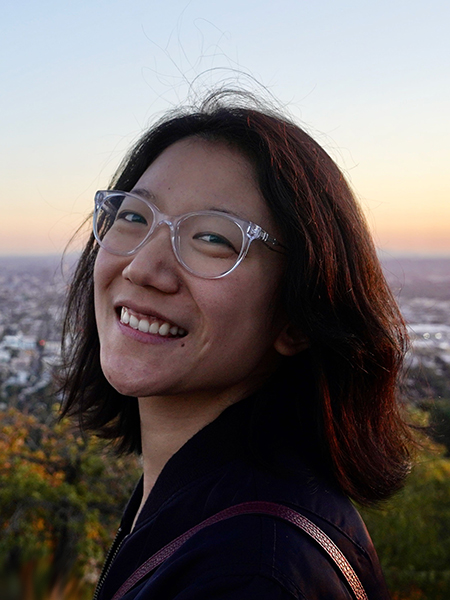
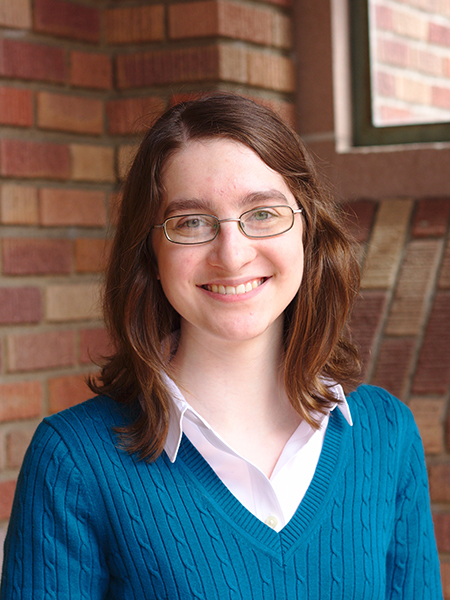
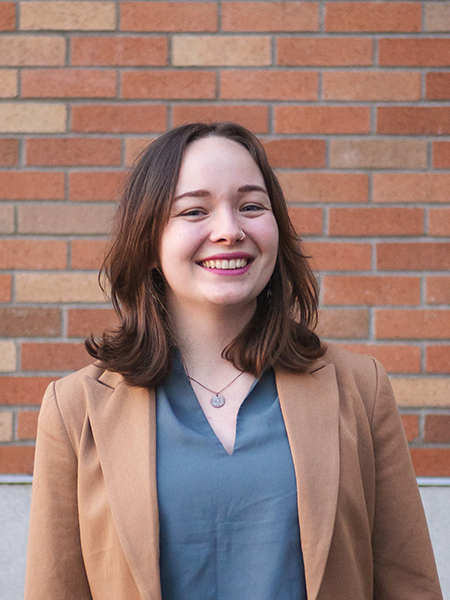
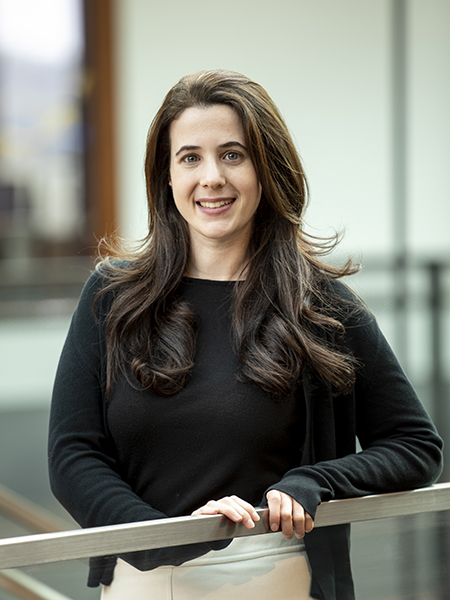
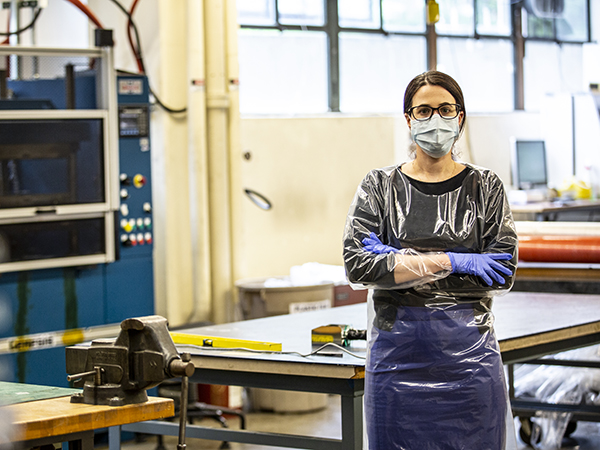
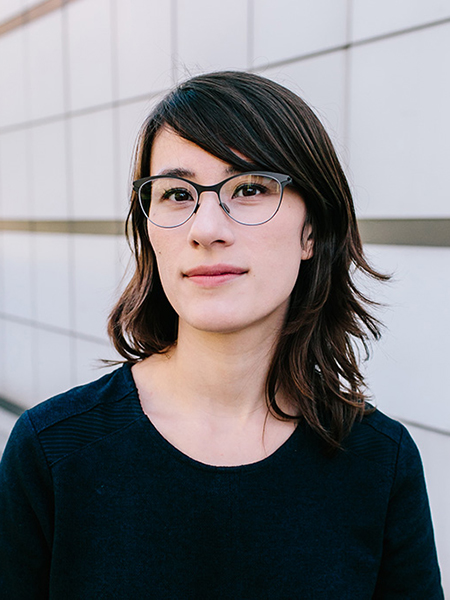
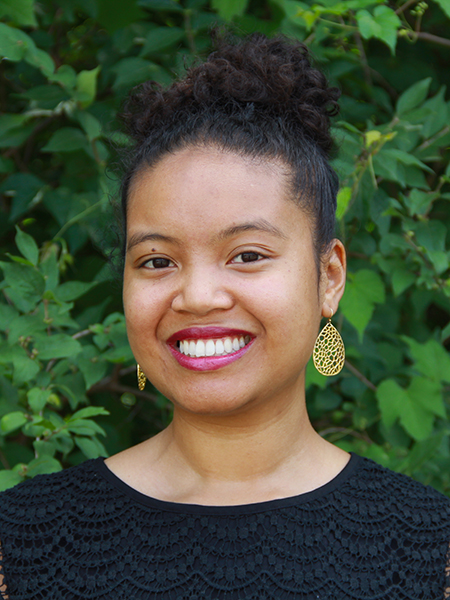
The Allen School and AI2 team behind RealToxicityPrompts, top row from left: Samuel Gehman, Suchin Gururangan, and Maarten Sap; bottom row from left: Yejin Choi and Noah Smith

Having evaluated more conventional approaches and found them lacking, the team is encouraging an entirely new paradigm when it comes to pretraining modern NLP systems. The new framework calls for greater care in the selection of data sources and more transparency around said sources, including public release of original text, source URLs, and other information that would enable a more thorough analysis of these datasets. It also encourages researchers to incorporate value-sensitive or participatory design principles when crafting their models.

“While fine-tuning is preferable to the blunt-instrument approach of simply banning certain words, even the best steering methods can still go awry,” explained Sap. “No method is foolproof, and attempts to clean up a model can have had the unintended consequence of shutting down legitimate discourse or failing to consider language within relevant cultural contexts. We think the way forward is to ensure that these models are more transparent and human-centered, and also reflect what we refer to as algorithmic cultural competency.”

Learn more by visiting the RealToxicityPrompts project page here, and read the research paper here. Check out the AI2 blog post here, and a related Fortune article here.

Read more →

Allen School’s Joseph Jaeger and Cornell Tech’s Nirvan Tyagi honored at CRYPTO 2020 for advancing new framework for analyzing multi-user security

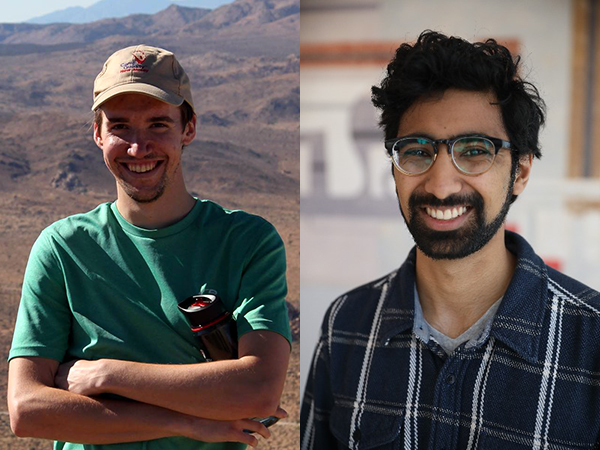
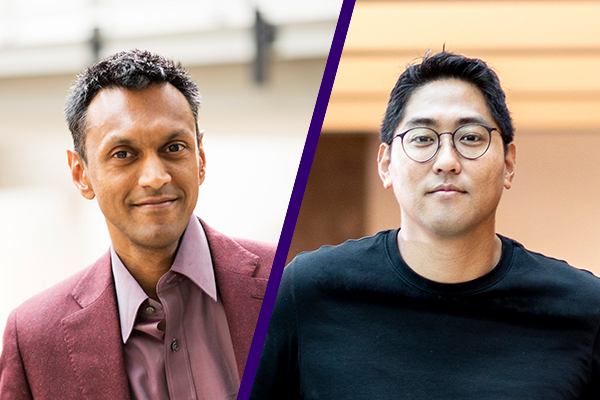
Joseph Jaeger (left) and Nirvan Tiyagi

Allen School postdoctoral researcher Joseph Jaeger and visiting researcher Nirvan Tyagi, a Ph.D. student at Cornell Tech, received the Best Paper by Early Career Researchers Award at the 40th Annual International Cryptology Conference (Crypto 2020) organized by the International Association for Cryptologic Research (IACR). Jaeger and Tyagi, who have been working with professor Stefano Tessaro of the Allen School’s Theory and Cryptography groups, earned the award for presenting a new approach to proving multi-user security in “Handling Adaptive Compromise for Practical Encryption Schemes.” 

Jaeger and Tyagi set out to explore a classic problem in cryptography: How can the security of multi-party communication be assured in cases where an adversary is able to adaptively compromise the security of particular parties? In their winning paper, the authors aim to answer this question by presenting a new, extensible framework enabling formal analyses of multi-user security of encryption schemes and pseudorandom functions in cases where adversaries are able to adaptively compromise user keys. To incorporate an adversary’s ability to perform adaptive compromise, they expanded upon existing simulation-based, property-based security definitions to yield new definitions for simulation-based security under adaptive corruption in chosen plaintext attack (SIM-AC-CPA) and chosen ciphertext attack (SIM-AC-CCA) scenarios. Jaeger and Tyagi also introduced a new security notion for pseudorandom functions (SIM-AC-PRF), to simulate adaptive compromise for one of the basic building blocks of symmetric encryption schemes. This enabled the duo to pursue a modular approach that reduces the complexity of the ideal model analysis by breaking it into multiple steps and splitting it from the analysis of the high-level protocol — breaking from tradition in the process.

“Traditional approaches to formal security analysis are not sufficient to prove confidentiality in the face of adaptive compromise, and prior attempts to address this gap have been shown to be impractical and error-prone,” explained Jaeger. “By employing idealized primitives combined with a modular approach, we avoid the pitfalls associated with those methods. Our framework and definitions can be used to prove adaptive security in a variety of well-studied models, and they are easily applied to a variety of practical encryption schemes employed in real-world settings.”

One of the schemes for which they generated a positive proof was BurnBox, a system that enables users to temporarily revoke access from their devices to files stored in the cloud to preserve their privacy during compelled-access searches — for example, when an agent at a border crossing compels a traveler to unlock a laptop or smartphone to view its contents. In another analysis, the authors applied their framework to prove the security of a commonly used searchable symmetric encryption scheme for preserving the confidentiality of data and associated searches stored in the cloud. In both of the aforementioned examples, Jaeger and Tyagi showed that their approach produced simpler proofs while avoiding bugs contained in previous analyses. They also discussed how their framework could be extended beyond randomized symmetric encryption schemes currently in use to more modern nonce-based encryption — suggesting that their techniques will remain relevant and practical as the use of newer security schemes becomes more widespread.

“Joseph and Nirvan’s work fills an important void in the cryptographic literature and, surprisingly, identifies important aspects in assessing the security of real-world cryptographic systems that have been overlooked,” said Tessaro. “It also defines new security metrics according to which cryptographic systems ought to be assessed, and I can already envision several avenues of future research.”

Read the full research paper here.

Congratulations to Joseph and Nirvan!

Read more →

New NSF AI Institute for Foundations of Machine Learning aims to address major research challenges in artificial intelligence and broaden participation in the field

National Science Foundation logo

The University of Washington is among the recipients of a five-year, $100 million investment announced today by the National Science Foundation (NSF) aimed at driving major advances in artificial intelligence research and education. The NSF AI Institute for Foundations of Machine Learning (IFML) — one of five new NSF AI Institutes around the country — will tap into the expertise of faculty in the Allen School’s Machine Learning group and the UW Department of Statistics in collaboration with the University of Texas at Austin, Wichita State University, Microsoft Research, and multiple industry and government partners. The new institute, which will be led by UT Austin, will address a set of fundamental problems in machine learning research to overcome current limitations of the field for the benefit of science and society.

“This institute tackles the foundational challenges that need to be solved to keep AI on its current trajectory and maximize its impact on science and technology,” said Allen School professor and lead co-principal investigator Sewoong Oh in a UW News release. “We plan to develop a toolkit of advanced algorithms for deep learning, create new methods for coping with the dynamic and noisy nature of training datasets, learn how to exploit structure in real-world data, and target more complex and real-world objectives. These four goals will help solve research challenges in multiple areas, including medical imaging and robot navigation.”

Oh is part of a group led by UW colleague Sham Kakade that will collaborate on the development of a toolkit of fast and efficient algorithms for training neural networks with provable guarantees. The group also aims to eliminate human bottlenecks associated with training machine learning models by constructing a new theoretical and algorithmic framework for neural architecture optimization (NAO). The latter has received minimal attention from researchers despite a broad range of potential applications, including the deployment of energy-efficient networks for edge computing and the Internet of Things, more transparent interpretable models to replace so-called blackbox predictions, and automated, user-friendly systems that enable developers to apply deep learning to real-world problems.

Sham Kakade (left) and Sewoong Oh

“The lack of science around NAO is a structural deficit within machine learning that makes us reliant on human intervention for hyper-parameter tuning, which is neither scalable nor efficient,” explained Kakade, who holds a joint appointment in the Allen School and the Department of Statistics. “Using techniques from mathematical optimization and optimal transport, we will automate the process to speed up the training pipeline while significantly reducing its carbon footprint to meet the growing need for academic and commercial applications. Our work will also provide a rigorous theoretical foundation for driving future advances in the field.”

In addition to making progress on NAO and other core machine learning problems, IFML researchers are keen to demonstrate how the results of their work can have real-world impact. To that end, they will apply the new tools and techniques they have developed to multiple use cases where machine learning holds the potential to advance the state of the art, including video compression and recognition, imaging tools for medical applications and circuit design, and robot navigation. The latter effort, which will be spearheaded by Allen School professor Byron Boots, seeks to overcome current limitations on the ability of robots to operate in unstructured environments under dynamic conditions while simultaneously reducing the training burden.

“Room layouts vary, objects can be moved, and humans are generally unpredictable. These conditions pose a challenge to the safe and reliable operation of robots alongside the many users, co-workers, and random passers-by who may share the same space,” noted Boots. “We need to broaden our concept of what constitutes a robot perception task, from one of pure recognition to one where the robot is capable of viewing the environment in the context of goals shaped by interaction and intention. I’m looking forward to working with this team to translate our foundational research into practical solutions for supporting this new paradigm.”

Byron Boots (left) and Jamie Morgenstern

On the human side, a major goal of the IFML is the broadening of participation in AI education and careers to meet expanding workforce needs and to ensure that the field reflects the diversity of society. Institute members will focus their education and workforce development efforts along the entire pipeline, from K-12 to graduate education. Their plans include development of course content for high school students who currently lack access to AI curriculum, the launch of a new initiative aimed at engaging more undergraduate students in AI research, and the build-out of a multi-state, online Master’s program that will leverage faculty from all three member institutions. Allen School professor Jamie Morgenstern, whose research focuses on the social impacts of machine learning, will lead the charge to implement Project 40×24, which aims to increase the number of women participating in AI to represent at least 40% of the field by the year 2024.

“Given the skyrocketing demand for expertise in AI across academia and industry, it should be a national priority to give students and working professionals access to high-quality educational opportunities in this field,” Morgenstern said. “We need to prepare more people from diverse backgrounds to actively participate in shaping the technologies that will have a growing impact on everyone’s lives. And we have a responsibility to ensure that new knowledge and economic opportunities generated by innovations in machine learning are broadly accessible to all.”

Zaid Harchaoui

Zaid Harchaoui, a professor in the Department of Statistics and an adjunct faculty member in the Allen School, rounds out the UW team.

The IFML is one of two NSF AI Institutes announced today with UW involvement. The other is the NSF AI Institute for Research on Trustworthy AI in Weather, Climate, and Coastal Oceanography led by the University of Oklahoma in collaboration with UW’s Evans School of Public Policy & Governance and other academic and industry partners. 

Each of the five inaugural NSF AI Institutes will receive $20 million over five years. NSF has cast today’s announcement as the start of a longer term commitment, as the agency anticipates making additional institute announcements in future. The initiative, which represents the United States’ most significant federal investment in AI research and education to date, is a partnership between NSF and the U.S. Department of Agriculture, U.S. Department of Homeland Security, and U.S. Department of Transportation.

Read the NSF announcement here, the UW News release here, and UT Austin’s IFML press release here. Learn more about the NSF AI Institutes here.

Read more →

The “conscience of computing”: Allen School’s Richard Ladner receives Public Service Award from the National Science Board

Richard Ladner portrait with books and framed photos behind him

Allen School professor emeritus Richard Ladner, a leading researcher in accessible technology and a leading voice for expanding access to computer science for students with disabilities, has been named the 2020 recipient of the Public Service Award for an individual from the National Science Board (NSB). Each year, the NSB recognizes groups and individuals who have made significant contributions to the public’s understanding of science and engineering. In recognizing Ladner, the board cited his exemplary science communication, diversity advocacy, and well-earned reputation as the “conscience of computing.”

A mathematician by training, Ladner joined the University of Washington faculty in 1971. For much of his career, he focused on fundamental problems underpinning the field of computer science as one of the founders of what is now the Allen School’s Theory of Computation research group. After making a series of significant contributions in computational complexity and optimization — and later, branching out into algorithms and distributed computing — his career would take an unexpected but not altogether surprising turn toward accessibility advocacy and research.

Ladner enrolled in an American Sign Language course at a local community college, a move that represented a “return to his roots” after growing up in a household where both parents were deaf. That experience spurred him to begin volunteering in the community with people who were deaf and blind and to occasionally write about accessibility issues.

Then, in 2002, Ladner began working with Ph.D. student Sangyun Hahn at the UW. Hahn, who is blind, related to Ladner how he was having trouble accessing the full content of his textbooks; mathematical formulas had to be read aloud to him or converted into Braille, while graphs and diagrams had to be manually traced, labeled in Braille, and printed on an embosser. His student’s frustration was the impetus for Ladner and Hahn to launch the Tactile Graphics project, which automated the conversion of textbook figures into an accessible format. Ladner followed that up with MobileASL, a collaboration with Electrical & Computer Engineering professor Eve Riskin to enable people who are deaf to communicate in American Sign Language using mobile phones. Ladner also mentored many Ph.D. students in accessibility research — among them Anna Cavender (Ph.D., ‘10), who developed technology to consolidate a teacher, display screen, sign language interpreter, and captioning on a single screen; Jeffrey Bigham (Ph.D., ‘09), who developed a web-based screen reader that can be used on any computer without the need to download any software; Information School alumnus Shaun Kane, who developed technology to make touchscreen devices accessible to people who are blind; and Shiri Azenkot (Ph.D., ‘14), who developed a Braille-based text entry system for touchscreen devices. 

Ladner’s approach to accessibility research is driven by the recognition that to build technology that is truly useful, you have to work with the people who will use it. It’s a lesson he took from his earlier experience as a volunteer, and one that he has emphasized with every student who has worked with him since. During his career, Ladner has mentored 30 Ph.D. students and more than 100 undergraduate and Master’s students — many of whom followed his example by focusing their careers on accessible technology research. 

“I visited Richard’s lab at the University of Washington just over 10 years ago. While I did get to see Richard, he was most interested in my meeting his Ph.D. students — and I could see why,” recalled Vicki Hanson, CEO of the Association for Computing Machinery. “Richard had provided an atmosphere in which his talented students could thrive. They were extremely bright, enthusiastic, and all involved in accessibility research. I spent the day talking with his students and learning about their innovative work.

“All were committed to developing technology that would overcome barriers for people with disabilities. Sometimes there are barriers in being able to use technology – in other cases, however, the use of technology actually provides opportunities to remove barriers in various aspects of daily living,” Hanson continued. “Richard’s students were working on both of these aspects of accessibility. The collegial and inspiring interactions among his students would serve as a model of research collaboration for computing labs everywhere.”

Ladner’s impact on students extends far beyond the members of his own lab. In addition to his research contributions and mentorship, Ladner has been a prominent advocate for providing pathways into computer science for students with disabilities. To that end, he has been a driving force behind multiple initiatives designed to engage a population that, until recently, was often overlooked in technology circles.

“When we think about diversity, we must include disability as part of that,” Ladner noted. “The conversation about diversity should always include disability.”

To that end, Ladner has been a leading voice for the inclusion of people with disabilities in conversations around improving diversity in technology. He served as a founding member of the board of the national Center for Minorities and People with Disabilities in Information Technology (CMD-IT). The organization hosts the ACM Richard Tapia Celebration of Diversity in Computing, which attracts an estimated 1,500 attendees of diverse backgrounds and abilities each year. Ladner was also a member of the steering committee that established the Computing Research Association’s Grad Cohort Workshop for Underrepresented Minorities and Persons with Disabilities (URMD) for beginning graduate students. In discussions leading up to the program’s launch, Ladner was instrumental in making sure that the “D” made it into the name and scope of the workshop.

Ladner has also worked directly with colleagues and students around the country to advance diversity in the field. The longest-running of these initiatives is the Alliance for Access to Computing Careers (AccessComputing), which he co-founded with Sheryl Burghstahler, Director of the UW’s DO-IT Center, with funding from National Science Foundation’s Broadening Participation in Computing program. AccessComputing and its 60 partner institutions and organizations support students with disabilities to successfully pursue higher education and connect with career opportunities in computing fields. Since its inception in 2006, that initiative has served nearly 1,000 high school and college students across the country. For seven consecutive years, Ladner also organized the annual Summer Academy for Advancing Deaf and Hard of Hearing in Computing to prepare students to succeed in computing majors and careers.

More recently, Ladner partnered with Andreas Stefik, a professor at the University of Nevada, Las Vegas, on AccessCSForAll. That initiative is focused on developing accessible K-12 curricula for computer science education along with professional development for teachers. The duo also partnered with Code.org to review and modify the Computer Science Principles Advanced Placement course to ensure that online and offline course activities met accessibility standards for students with disabilities. This included developing accessible alternatives to visually-based unplugged activities as well as making interactive tools that would work with screen readers. Ladner and his collaborators on the project earned a Best Paper Award at last year’s conference of the ACM’s Special Interest Group on Computer Science Education (SIGCSE 2019) for their efforts.

This past spring, Ladner was one of nine researchers to co-found the new Center for Research and Education on Accessible Technology and Experiences (CREATE) at the UW. The mission of CREATE is to make technology accessible and to make the world accessible through technology. The center, which was established with an inaugural $2.5 million investment from Microsoft, consolidates the efforts of faculty from the Allen School, Information School, and departments of Human Centered Design & Engineering, Mechanical Engineering, and Rehabilitation Medicine who work on various aspects of accessibility. 

“Richard is a gifted scientist and mentor who really helped to put UW on the map when it comes to accessible technology,” said professor Magdalena Balazinska, Director of the Allen School. “As a staunch advocate for innovation that serves all users, his impact on computing education and research cannot be overstated.”

Since his retirement in 2017, Ladner has remained engaged with the Allen School community and continues to invest his time and energy in accessible technology research and increasing opportunities for students with disabilities in computing fields. In accepting this latest accolade — one in a long line of many prestigious awards he has collected during his career — Ladner expressed optimism that accessibility’s importance is recognized by an increasing number of his peers.

“I am honored to receive this recognition from the National Science Board and heartened that the scientific community is rising to the important challenge of supporting students with disabilities,” Ladner said.

Read the NSB press release here, and learn more about Ladner’s career and contributions in a previous Allen School tribute here.

Read more →

Vikram Iyer receives Marconi Society Young Scholar Award after creating a buzz with bio-inspired wireless technologies

No one could accuse Ph.D. student Vikram Iyer of just winging it. Since his arrival at the University of Washington, Iyer has advanced ground-breaking innovations in low-power wireless communication and computation to expand the Internet of Things, from 3D-printable wireless objects capable of storing and transmitting data, to insect-scale platforms that provide a bug’s eye view of the world. As a sign of just how his ideas have taken flight, today Iyer was named one of three recipients of the Paul Baran Young Scholar Award by the Marconi Society.

“By creating low cost, mobile IoT devices that can help answer questions and solve problems in any environment, Vikram’s work supports the Marconi Society’s mission of bringing the opportunity of the network to everyone,” said internet pioneer Vint Cerf, Chair of the Marconi Society, in a press release. “We are proud to welcome him to the Marconi family.”

The award recognizes innovative young engineers who show extraordinary technical acumen, creativity and promise for creating tomorrow’s information and communications technologies to support a digitally inclusive society. The honor came as no surprise to Iyer’s advisor, Allen School professor Shyam Gollakota, who recognized early on that his student would be a highflier.

”Vikram is a one-of-a-kind creative interdisciplinary researcher who is also humble,” said Gollakota. “He develops creative solutions that are at the intersection of hardware, software and biology. In so doing, he transforms what was once science fiction into reality.”

Iyer, a student in the UW Department of Electrical & Computer Engineering, began working with Gollakota in the Networks & Mobile Systems Lab in 2015. Among their first projects together was a collaboration with Allen School and ECE professor Joshua Smith of the Sensor Systems Laboratory on an ultra-low power system to provide wireless connectivity for implantable devices. Interscatter — short for intertechnology backscatter — employs a technique called backscatter communication to convert Bluetooth transmissions to WiFi and ZigBee signals over the air using commodity devices. As part of that project, Iyer and his collaborators created the first prototype contact lens antenna and an implantable neural recording interface capable of communicating directly with smartphones and smart watches. The team earned a Best Paper Award from the Association for Computing Machinery’s Special Interest Group on Data Communications (ACM SIGCOMM).

More recently, Iyer, Gollakota and their colleagues teamed up with professor Sawyer Fuller of the UW Mechanical Engineering Department’s Autonomous Insect Robotics (AIR) Lab to enable new wireless robotic technologies to take flight. The result was Robofly, the world’s first wireless fly-sized drone to achieve liftoff. Unlike previous insect-scale drones, Robofly does not require a wire to the ground to supply power and control signals — a significant achievement on the path toward autonomous robot flight. The team’s bio-inspired design featured dual flapping wings driven by a pair of piezoelectric actuators and directed by a lightweight microcontroller, which issues a series of pulses mimicking the action of a biological fly’s wings. An onboard photovoltaic cell converts light from a laser beam into electricity to power the onboard components without the need for heavy batteries, while the first sub-100 milligram boost converter and piezo driver sufficiently boosts the voltage to enable RoboFly’s ascent. 

While news of Robofly’s exploits took off, Iyer recognized that there are limitations to what a drone insect could do. For one thing, robotic liftoff was difficult to achieve. And commercial drones are limited in how long they can fly uninterrupted.

“This made me wonder, rather than building a system that mimics an insect, could we augment live insects with sensing, computing and communication functionalities to create a mobile IoT platform?” Iyer explained. “We could use this platform to study micro-climates on large farms, answer questions about insects’ behavior or collect air quality data at a more granular level than by using a handful of stationary sensors.”

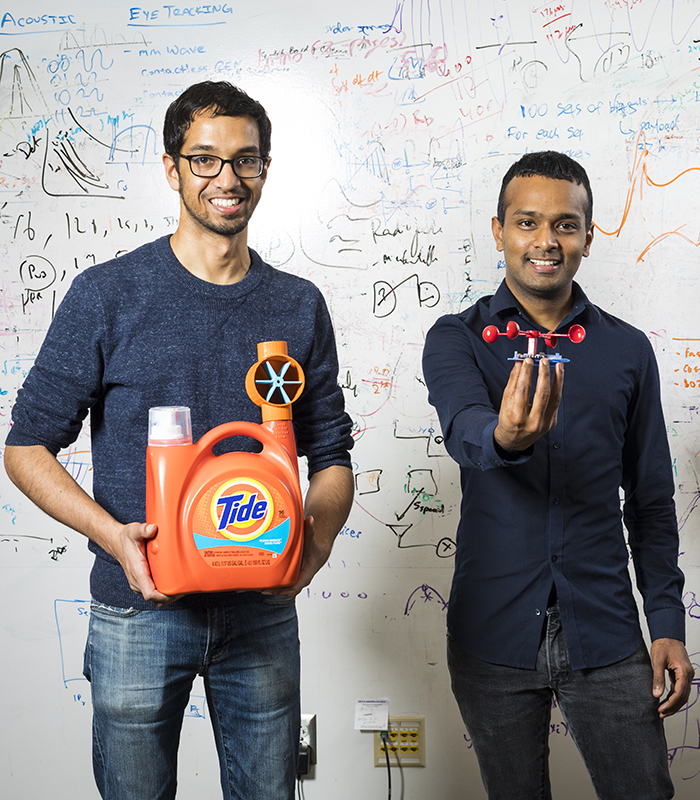
Iyer with his advisor, Shyam Gollakota, unveiling 3D-printed wireless smart objects in 2017

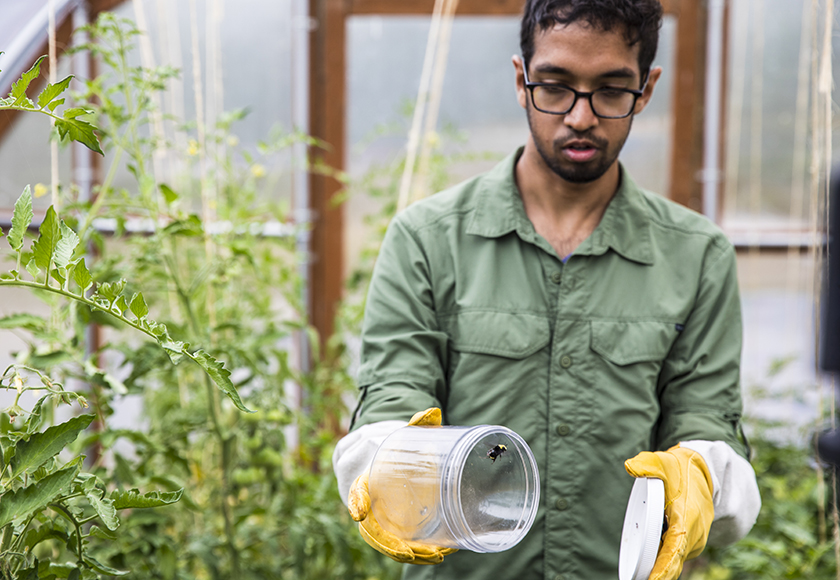
To explore the idea, Iyer set up an amateur beekeeping operation in a room in the Paul G. Allen Center on campus. The result was Living IoT, a mobile platform that combines sensing, computation, and communication packaged into a tiny wireless backpack light enough to be carried by a bumblebee. The entire system — antenna, envelope detector, sensor, microcontroller, backscatter transmitter, and rechargeable battery — weighed in at just 102 milligrams, or around half a bumblebee’s potential payload. Because the system did not need to power flight, only data collection, the team could keep the weight down by designing the system to transmit data and recharge the battery when the bee returned to the hive each day.

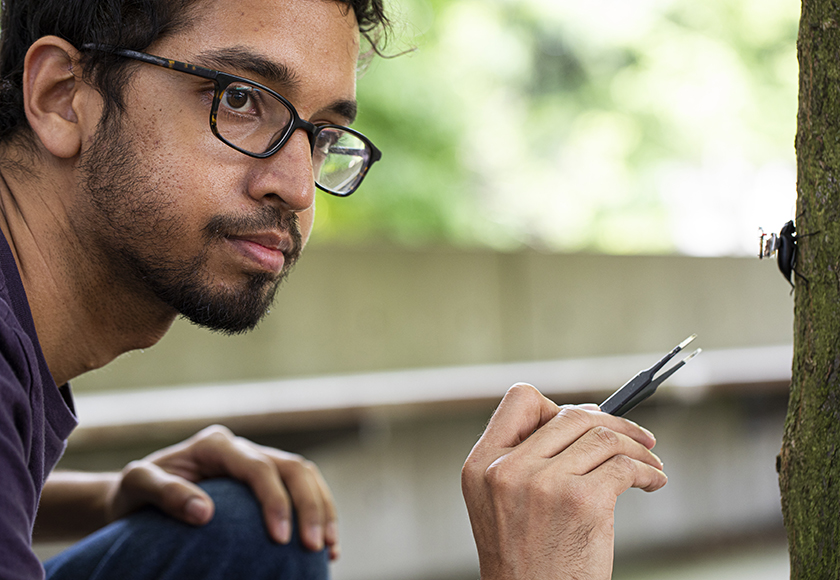
For his latest project, which was recently published in Science Robotics, Iyer’s insect subjects kept their feet on the ground. Building off of the previous work with bees, Iyer and his collaborators created a new wireless backpack containing a tiny, steerable video camera operated via Bluetooth. This time, they fitted their system on two species of beetle to demonstrate the potential for insect-scale robotic vision. Dubbed “BeetleCam,” the system emulates a real bug’s energy-efficient approach to gathering visual information, which relies on head motion independent of its body, while a built-in accelerometer prolongs the battery life by allowing the system to capture images only when the beetle is in motion. Weighing in at a mere 250 milligrams, or roughly half the payload the insects can carry, the system enables the beetles to freely navigate terrain and climb trees.

The team used what it learned to design the world’s smallest power-autonomous terrestrial robot with vision — proving, once again, that good things really do come in small packages.

“This is the first time that we’ve had a first-person view from the back of a beetle while it’s walking around. There are so many questions you could explore, such as how does the beetle respond to different stimuli that it sees in the environment?” Iyer said in a UW press release. “But also, insects can traverse rocky environments, which is really challenging for robots to do at this scale. So this system can also help us out by letting us see or collect samples from hard-to-navigate spaces.”

Iyer and a bumblebee demonstrate Living IoT

Iyer is the second UW student — and second from Gollakota’s lab — to earn this prestigious award. His labmate and frequent collaborator, Rajalakshmi Nandakumar (Ph.D. ‘19), now a faculty member at Cornell Tech, was honored in 2018 for her work on mobile apps for detecting life-threatening health issues. In addition to Iyer, the Marconi Society recognized two other researchers with 2020 Young Scholar Awards: Yasaman Ghasempour at Rice University (soon joining the Princeton University faculty) for her work on efficient, ultra-high speed network connections for next-generation IoT, and Piotr Roztocki at Canada’s Institut National de la Recherche Scientifique (INRS) for his work on scalable quantum resources for “future-proofing” telecommunications network security. The honorees were selected by an international panel of engineers drawn from leading universities and companies.

“Our Young Scholars are the braintrust that will put the speed, security and applications of next generation networks into the hands of billions,” said Cerf.

View Iyer’s Marconi Society profile here, and learn more about the 2020 Young Scholar Awards here. Watch a conversation between Iyer and Marconi Fellow Brad Parkinson here, and check out Iyer’s Geek of the Week profile on GeekWire here.

Congratulations, Vikram!

Read more →

UW establishes Senosis–Paul G. Allen Endowed Professorship in Computer Science & Engineering

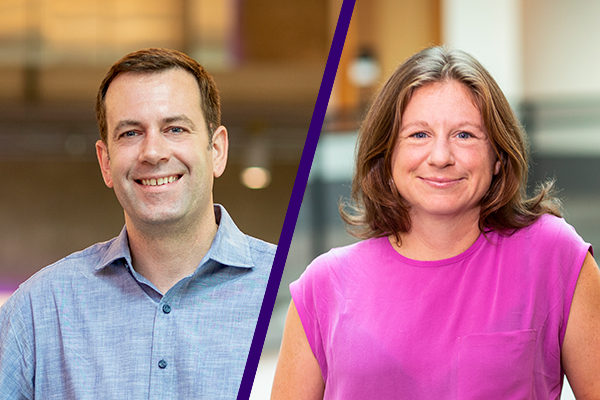
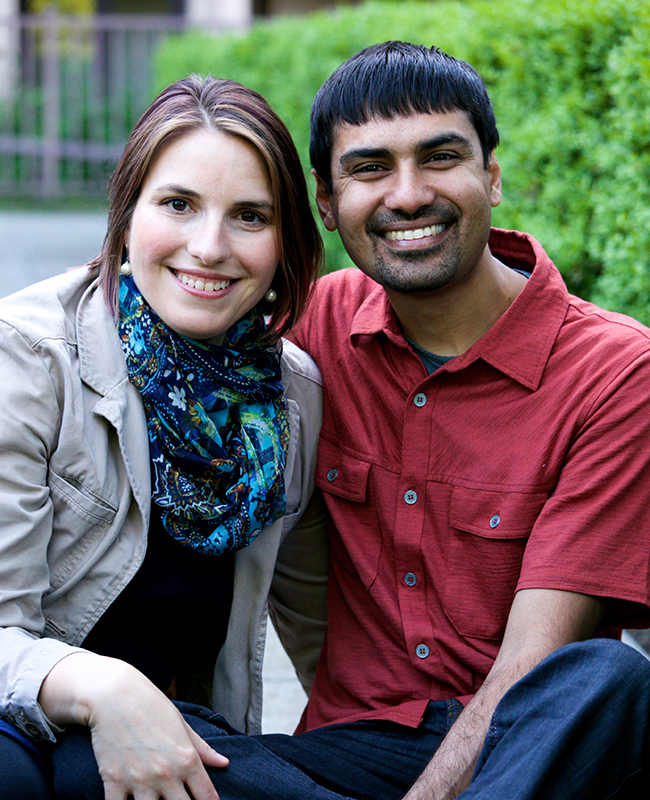
Julie Kientz and Shwetak Patel

The University of Washington has established a new endowed professorship, the Senosis–Paul G. Allen Endowed Professorship in Computer Science & Engineering, through the generosity of professors Shwetak Patel and Julie Kientz. The $1 million endowment, which was made possible in part by the acquisition of Patel’s mobile health startup Senosis Health by Google in 2017, will support recruitment and retention of Allen School faculty who pursue high-impact research aimed at solving meaningful, real-world problems for the benefit of society.

Patel directs the UW’s Ubiquitous Computing (UbiComp) Lab and holds the Washington Research Foundation Entrepreneurship Endowed Professorship in the Allen School and the Department of Electrical & Computer Engineering. Kientz serves as chair of the Department of Human-Centered Design & Engineering, where she directs the Computing for Healthy Living and Learning (CHiLL) Lab, and is an adjunct professor in the Allen School and the Information School. The pair joined the UW faculty in 2008 after earning their Ph.D.s from the Georgia Institute of Technology. Since arriving in Seattle, Patel and Kientz have applied their expansive view of computing to explore solutions for health care, education, environmental sustainability, and more.

The results have paid off not just for the university and the Seattle region, but also for society at large. Their success — and Patel’s direct experience with the benefits of holding an endowed professorship — inspired the couple to pay it forward by supporting future faculty members who, they hope, will not so much follow in their footsteps as blaze their own trails.

“As the beneficiary of the WRF Entrepreneurship Professorship, I have appreciated firsthand the role of endowments in enabling faculty to be creative and flexible in research. This kind of support empowers you to think outside the box and challenge existing assumptions,” explained Patel. “Julie and I hope that this new professorship will offer future faculty members that same freedom to pursue innovation that truly pushes the envelope — and pushes technology in new and unexpected directions that will have a positive impact on people’s lives.”

Thinking outside the box and pushing the limits of technology have been hallmarks of both Patel’s and Kientz’s research. Already in their careers, each of them has made groundbreaking contributions and set new directions for research that have established the UW as a leader in human-computer interaction, digital health, accessible technology, low-power sensing, and mobile computing. 

Patel began his career focused on new capabilities for whole-home sensing. Recognizing that each appliance emits a distinct signal on a home’s electrical system, he and his students developed a technique for measuring power consumption at the individual device level with a single sensor. They later expanded their approach to monitoring water usage based on the pressure waves generated as each plumbing fixture is turned on and off. To commercialize this research, Patel and his team launched a company, Zensi, that was later acquired by Belkin. He followed that up with SNUPI Technologies, a company he and his collaborators started to commercialize a consumer-facing whole-home sensing system called WallyHome, which was subsequently acquired by Sears.

Inspired by the global growth in smartphone use, Patel began exploring how he and his team could leverage the increasingly sophisticated sensors built into today’s mobile devices to aid in the early detection and monitoring of disease — pioneering an entirely new field focused on mobile health sensing that has become even more compelling since the outbreak of the COVID-19 pandemic. By combining sensing data from inputs like the phone’s camera, microphone and accelerometer with new machine learning algorithms, Patel’s lab has worked with health care providers on a variety of health monitoring tools. Patel and a group of collaborators started Senosis Health with a view to commercializing their initial work in this space. The team also approached the Food and Drug Administration to obtain approval for the use of mobile apps in both clinical and at-home settings — a novel idea at the time, as the agency had no prior experience with mobile app development.

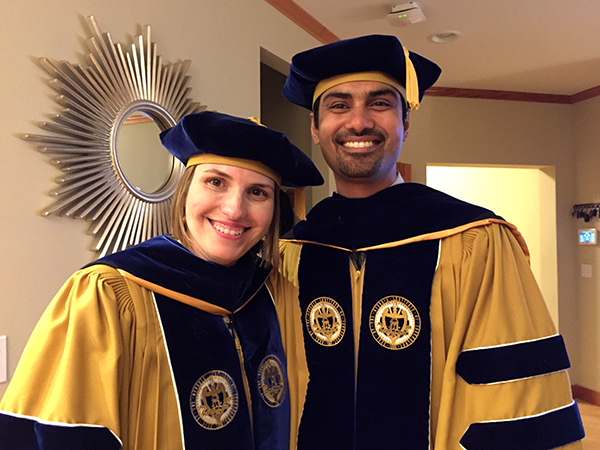
Julie Kientz and Shwetak Patel in Ph.D. regalia
Kientz and Patel earned their Ph.D.s from Georgia Tech before joining the UW faculty

Since Google’s acquisition of Senosis three years ago, Patel has built on this work as the leader of the company’s Seattle-based engineering team focused on mobile health technologies. He hopes that by leveraging the acquisition to establish a new professorship, more faculty will be inspired to unite academic research with entrepreneurial impact.

“Being an entrepreneur has helped me to identify research problems I wouldn’t have previously considered solely as an academic,” Patel explained last year when he received the ACM Prize in Computing — the premier mid-career award in the field of computer science — from the Association for Computing Machinery. “That experience opened up opportunities for me to venture down research paths I wouldn’t have otherwise thought about.”

In addition to supporting an entrepreneurial mindset and a more expansive view of the role of academic research, Patel and Kientz also hope that holders of the professorship will model a commitment to diversity and inclusion in computing through their teaching, outreach, and service.

“We need to design and develop  computing technology for all of society, not just a privileged subset. One of the ways we make sure we do that is to make the computing discipline representative of the people we are trying to serve,” Kientz said. “Shwetak and I feel strongly that our duty as educators and as researchers is to advance technologies and create an academic community that reflects a rich diversity of backgrounds and experiences. It’s important to us that the holders of this professorship also model these values.”

Kientz is keenly aware of the power of technology and education to be the great equalizer, and in more ways than one. Her research takes a human-centered approach to technology, combining ubiquitous computing, human-computer interaction, and informatics to design and study novel interactive technologies for health and education while also working to understand and reduce the burden technology places on the people who use it. It’s an approach that she honed early in her career, when she explored technology to support caregivers of young children in data-based decision-making. Rather than approach the topic solely as a computer scientist, though, Kientz spent significant time among the communities for whom she was designing — giving her firsthand insight into how technology could best support their work by, for example, making tracking childhood development data more fun and meaningful by linking it with sentimental mementos in a digital baby book and allowing it to be shared with family and friends. 

Since then, Kientz and her students have developed tools to help people improve their sleep quality, support physical fitness goals of people with visual impairments, support inclusive education, help parents teach their children to self-regulate screen time, and to monitor children’s developmental progress. Her work on the latter led her to work on the launch of startup, BrightSteps, to assist parents and caregivers in monitoring  children’s development and connecting them to resources.

The Senosis–Paul G. Allen Professorship leverages funds made available through the Paul G. Allen Professorship Matching Program. That program, which is supported by earnings of the endowment established by Mr. Allen and Microsoft upon creation of the school, provides a 1:2 match on individual gifts aimed at attracting and retaining exceptional faculty who will advance UW’s leadership in computer science education and research.

Shwetak Patel and Julie Kientz with mountains and trees in background
Patel and Kientz on a backpacking trip to the Enchantments last summer

The professorship is one of two UW initiatives announced today and funded with gifts from the couple. The other is a gift to Kientz’s home department to create the Kientz & Patel HCDE Student Emergency Support Fund. That gift will offer support to students facing near-term financial hardship, such as unexpected health care costs, car repairs, legal fees, emergency travel, and housing insecurity. The goal, Kientz explains, is to alleviate the burden for students who suddenly find themselves facing unexpected financial emergencies. 

“Students who cannot make a rent payment may struggle with housing security, or one unpaid bill can begin to collect fee upon fee, quickly making payment completely unattainable,” she said. “This can make the difference between being able to stay in school or have to drop out.”

“Julie and Shwetak are both superstars who have enriched our university, our community, and our field in countless ways,” said professor Magdalena Balazinska, Director of the Allen School. “Time and again, they have demonstrated in tangible ways how technology can help solve some of society’s most vexing problems — from addressing disparities in education and health care, to conserving natural resources for a more sustainable planet. They are also both dedicated members of our community, supporting our mission through their service roles as department chair and associate director for research and innovation. With these gifts, they are once again leading the way in showing how UW faculty are truly a force for good.”

The Senosis–Paul G. Allen Professorship will become the Shwetak N. Patel & Julie A. Kientz–Paul G. Allen Endowed Professorship when the couple eventually become emeritus faculty or retire from the university. The professorship is the third endowment in the Allen School created as the result of faculty entrepreneurial activity. In 2017, the Guestrin Endowed Professorship in Artificial Intelligence and Machine Learning was established following Apple’s acquisition of Carlos Guestrin’s machine learning startup Turi. And the establishment of the Washington Research Foundation Entrepreneurship Endowed Professorship — the professorship held by Patel — was related to the acquisition by Microsoft of Oren Etzioni’s startup Farecast.

Way to go, Shwetak and Julie — thank you for your leadership and your generous support of faculty and students!

Read more →

Byron Boots earns RSS Early Career Award for contributions to robot learning

Portrait of Byron Boots

Allen School professor Byron Boots was recognized with an Early Career Award at the Conference on Robotics: Science & Systems (RSS 2020) for his work spanning machine learning, artificial intelligence and robotics. Each year, the RSS Foundation selects one or more early career researchers for the honor based on their outstanding research accomplishments and demonstrated potential to advance the field of robotics. Boots, who directs the Allen School’s Robot Learning Laboratory, focuses on the development of theory and systems that tightly integrate perception, learning and control to enable new capabilities in motion planning, high-speed navigation, robot manipulation, and more.

Among Boots’ major contributions to date was the Gaussian Process Motion Planner (GPMP), an efficient, gradient-based algorithm that represents motion planning as continuous-time trajectories. He and his colleagues designed GPMP to address limitations associated with two strategies that, at the time, represented the state of the art in motion planning. The first, sampling-based algorithms, tend to require post-processing or the addition of optimal planners that are computationally inefficient in responding to high-dimensional problems with challenging constraints; the second, trajectory optimization algorithms, require fine discretization to integrate cost information under certain constraints and are themselves costly to rerun when faced with changing conditions. GPMP overcame such computational inefficiencies while maintaining smoothness in the result. It also served as the foundation for GPMP2, an extensible algorithm that treats the problem of motion planning as one of probabilistic inference. Under this approach, GPMP2 uses factor graphs to compute a more efficient solution. Boots and his collaborators extended GPMP2 to an incremental algorithm, iGPMP2, capable of efficiently replanning trajectories as conditions change. This combined work earned the team Paper of Year from the International Journal of Robotics Research in 2018. 

The following year, Boots and his colleagues presented a novel online learning-based framework for model predictive control, a powerful technique for optimizing control tasks in dynamic environments. As part of that work, they devised a new algorithm, Dynamic Mirror Descent Model Predictive Control (DMD-MPC), that can be applied to a variety of settings and cost functions. The team’s approach, which earned Best Student Paper and was a finalist for Best Systems Paper at RSS 2019, was yet another example of Boots’ keen interest in advancing robot learning in ways that combine new levels of flexibility with increased efficiency.

“Machine learning offers huge potential for robots to learn dynamically by interacting with their environments instead of requiring any new functionality to be hand-designed by engineers. But that level of flexibility and adaptability can come at a high cost,” Boots explained. “Machine learning algorithms are notoriously data-hungry as well as computationally expensive. My goal is to leverage a mix of machine learning and prior knowledge to accelerate robot learning for real-world applications while making the process more efficient and scalable.”

One of those real-world applications Boots is particularly keen to accelerate is high-speed navigation. He recently secured a grant from the United States Army Research Laboratory as part of its Scalable, Adaptive and Resilient Autonomy (SARA) program aimed at expediting research in autonomous mobility and maneuverability in complex, unknown and adversarial environments. The grant will support Boots’ work, alongside Allen School colleagues Dieter Fox and Siddhartha Srinivasa and collaborators at the Georgia Institute Technology, to develop new capabilities in perception, planning and model predictive control that will enable autonomous ground vehicles (AGVs) to operate safely and fluidly under dynamic conditions involving a variety of obstacles and terrain.

Boots joined the Allen School faculty in 2019 after five years as a professor at Georgia Tech’s School of Interactive Computing. He was no stranger to the University of Washington, having previously completed a postdoc working with Fox in the Allen School’s Robotics and State Estimation Lab after earning his Ph.D. from Carnegie Mellon University. Boots has published nearly 100 peer-reviewed papers and his work has earned recognition at many of the top conferences in the field, including RSS, the International Conference on Machine Learning (ICML), International Conference on Robotics & Automation (ICRA), International Conference on Artificial Intelligence and Statistics (AISTATS), Conference on Neural Information Processing Systems (NeurIPS).

“It was already clear during his postdoc at UW that Byron would become a trailblazer in robotics and machine learning,” said Fox. “The RSS Early Career Award is only given to a very small group of the most innovative and influential researchers in robotics, and I can’t think of anybody more deserving of this honor than Byron.”

Boots and his fellow Early Career Award recipients — Luca Carlone of the Massachusetts Institute of Technology and Jeannette Bohg of Stanford University — were formally honored during the RSS 2020 conference held online this week. 

Congratulations, Byron!

Read more →

Sham Kakade earns Test of Time Award at ICML 2020 for novel optimization techniques that sparked new directions in machine learning research

Sham Kakade portrait

Professor Sham Kakade, a member of the Allen School’s Machine Learning and Theory of Computation groups, received a Test of Time Award at the International Conference on Machine Learning (ICML 2020) for his work on “Gaussian Process Optimization in the Bandit Setting: No Regret and Experimental Design.” In the winning paper, which was originally presented at ICML 2010, Kakade and his colleagues established the first sublinear regret bounds for Gaussian process (GP) optimization in the nonparametric setting. The team’s work was lauded by the machine learning community for its technical depth and for its enduring impact on both theory and practice.

Kakade, who holds a joint faculty appointment in the Allen School and the University of Washington’s Department of Statistics and is also a senior data science fellow at the eScience Institute, co-authored the paper while a professor at the University of Pennsylvania. His collaborators on the project included Niranjan Srinivas, a Ph.D. student at the California Institute of Technology; Andreas Krause, a professor at CalTech at the time; and Matthias Seeger, then a faculty member at the Universität des Saarlandes in Germany. Together, the team set out to address an open question in machine learning: how to optimize an unknown, noisy function that is expensive to evaluate while minimizing sampling.

“We were interested in finding a principled framework for addressing the problem of Bayesian optimization, and we realized that one way to formalize this was through the theory of the sequential design of experiments,” explained Kakade. “One that I was particular excited about was how we could provide a sharp characterization of the learning complexity through a novel concept we introduced, the ‘information gain.’” 

The question has numerous applications in both laboratory and real-world settings, from determining the optimal control strategies for robots, to managing transportation and environmental systems, to choosing which advertisements to display in a sponsored web search. To answer the challenge, Kakade and his colleagues united the fields of Bayesian optimization, bandits and experimental design. The team analyzed GP optimization as a multi-armed bandit problem to offer up a novel approach for deriving cumulative regret bounds in terms of maximal information gain. In the process, they succeeded in establishing a novel connection between GP optimization and experimental design. 

By applying a simple Bayesian optimization method known as the Gaussian Process Upper Confidence Bound (GP-UCB) algorithm, the team demonstrated that they could obtain explicit sublinear regret bounds for a number of commonly used covariance functions. In experiments using real-world network sensor data, Kakade and his collaborators showed that their approach performed as well or better than existing algorithms for GP optimization which are not equipped with regret bounds. In the decade after the researchers unveiled their results, Bayesian optimization has become a powerful tool in machine learning applications spanning experimental design, hyperparameter tuning, and more. The method, proof techniques, and practical results put forward by Kakade and his colleagues have been credited with sparking new research directions and subsequently enriching the field of machine learning in a variety of ways.

Since the paper’s initial publication, Srinivas joined 10x Genomics as a computational biologist after completing a postdoc at the University of California, Berkeley, while Krause moved from CalTech to the faculty of ETH Zürich in Switzerland. Seeger is now a principal machine learning scientist at Amazon. The team is being formally recognized during the ICML 2020 conference taking place virtually this week. 

Read the award citation here, and the research paper here

Congratulations to Sham and his co-authors!

Read more →

Allen School students recognized for excellence in research by the National Science Foundation

National Science Foundation logo

Earlier this spring, the National Science Foundation recognized nine Allen School student researchers as part of its 2020 Graduate Research Fellowship competition. The honorees — seven Ph.D. students and two undergraduate students — were recognized in the “Comp/IS/Engr” category for their potential to make significant contributions to science and engineering through research, teaching, and innovation. Each of them already has amassed an outstanding track record of pursuing high-impact research in their respective areas, including theoretical computer science, systems, machine learning, computational neuroscience, security and privacy, robotics, and more.

“Allen School Ph.D. students represent the future of high quality research and innovation,” said professor Anna Karlin, associate director for graduate studies at the Allen School. “Their creativity and scholarly excellence is perfectly exemplified by our NSF GRFP honorees.”

Nathan Klein

Nathan Klein

Fellowship recipient Nathan Klein is a second-year Ph.D. student who works with Karlin and professor Shayan Oveis Gharan in the Allen School’s Theory of Computation group.

Klein focuses on the design of efficient algorithms that yield near-optimal solutions to fundamental NP-hard problems that underpin the theory and practice of computing. His current project aims to find a better approximation algorithm for the Traveling Salesperson Problem (TSP). The TSP is applicable to a large class of planning and decision problems with a variety of real-world applications, from transportation routing, to genome sequencing, to computer chip design. Recently, Klein and his collaborators presented the first sub-3/2 approximation algorithm for what is conjectured to be the most difficult case of TSP — making tangible progress in their quest to improve upon a result that has stood for more than 40 years. Through this work, Klein hopes to advance tools and techniques that will yield new insights into a broad array of optimization problems.

Jialin Li

Jialin Li

Second-year Ph.D. student Jialin Li earned a fellowship for her work with professor Tom Anderson in the Computer Systems Lab on a new operating system that will provide performance guarantees for containers in cloud-based services.

Containers are a lightweight computing model that offers a platform-independent way of packaging application dependencies; as such, they have been widely adopted in industry for building microservice-based applications. While existing operating systems provide functional support for containers, they fall short of providing the performance guarantees necessary for satisfying service-level agreements. This typically leads application developers to request more container resources than required, which wastes energy and resources. Li is designing a new operating system using the Rust low-level programming language that will monitor container performance and intelligently reallocate resources based on container loads, thus increasing resource utilization while offering performance guarantees.

Ashlie Martinez

Ashlie Martinez

Fellowship winner Ashlie Martinez is a second-year Ph.D. student in the Computer Systems Lab working with professor Tom Anderson and affiliate professor Irene Zhang of Microsoft Research to develop a user space file system for distributed storage applications.

Recent advances in storage technologies have significantly increased storage capacity while speeding up  input/output (I/O) by orders of magnitude. While storage technologies have evolved to the point where they can service requests in microseconds, developers’ approach to storage, generally speaking, has not — for the most part, they continue to regard I/O as a slow operation best done through an operating system’s file system. The Storage Performance Development Kit (SPDK) is available to bypass the kernel and speed up I/O, but it is difficult to integrate into existing software as the API exposes raw storage devices instead of a file system. To overcome these challenges and improve the performance of today’s distributed storage applications, Martinez is building a kernel-bypass file system, or KBFS, that combines a generic API with strong consistency guarantees. Using this approach, she aims to reduce developer effort while making KBFS faster and easier to maintain compared to existing OS file systems.

Josh Pollock

Josh Pollock

Josh Pollock, an undergraduate majoring in computer science, works with professor Zachary Tatlock in the Allen School’s Programming Languages and Software Engineering (PLSE) group. He received a fellowship based on his research at the intersection of programming languages and visualization.

Pollock started his undergraduate research career in verification and formal methods, specifically the development of computerized proof assistants that take advantage of the correspondence between type theory and mathematical logic. As part of this work, Pollock prototyped a compiler between the Coq and Lean proof assistants. He subsequently contributed to Relay, a compiler for machine learning frameworks, as a member of the Allen School’s multidisciplinary SAMPL group. Expanding his interests to include principles of human-centered research, Pollock is designing Sidewinder, a framework for creating visualizations of program execution to help students and developers understand program semantics. Sidewinder employs formal abstract machine definitions to produce complete, continuous, and customizable program semantics visualizations. Pollock aims to build upon this work while pursuing a Ph.D. at MIT starting this fall.

Kimberly Ruth

Kimberly Ruth

Graduating senior Kimberly Ruth received a fellowship based on her work in the Security and Privacy Research Lab with professors Tadayoshi Kohno and Franziska Roesner.

As an undergraduate, Ruth has focused on addressing security and privacy issues associated with emerging augmented reality (AR) technologies that can have a profound impact on users’ perception of the world. In her early work, Ruth focused on mitigating the risks of buggy or malicious output in AR applications that could endanger user safety by enabling the operating system to constrain undesirable output. She subsequently helped conduct a user study to understand concerns around multi-user AR. More recently, Ruth led the development of ShareAR, a tool for developers of AR applications to enable secure sharing of multi-user content. Going forward, Ruth sees the next step in this line of work to be designing a multi-user sharing protocol at the platform level that would mediate cross-app as well as cross-user interactions. Ruth looks forward to pursuing her Ph.D. at Stanford University in the fall.

Zöe Steine-Hanson

Zöe Steine-Hanson

First-year Ph.D. student Zöe Steine-Hanson earned a fellowship for her research in computational neuroscience with professors Rajesh Rao and Bingni Brunton. Steine-Hanson is working on the development of a new, generalizable brain-computer interface (BCI) using deep learning and transfer learning techniques.

Currently, even the most advanced BCIs require the collection of significant training data on a single human subject, and the majority of BCI research takes place in a laboratory rather than in naturalistic settings. These factors hinder the ability to generalize state-of-the-art BCIs for people’s everyday use. To address this problem, Steine-Hanson is training a deep neural network on electrocorticography (ECoG) and video data collected from multiple human subjects. By applying techniques from transfer learning, she aims to reduce the amount of training data required for each new subject by leveraging the knowledge collected from previous subjects. Her ultimate goal is to improve quality of life for individuals living with neurological impairments through the use of next-generation BCI technologies in real-world settings.

Nick Walker

Nick Walker

Fellowship recipient NickWalker is a second-year Ph.D. student working with professor Maya Cakmak in the Human-Centered Robotics Lab. Walker’s research focuses on human-robot communication with the aim of enabling any user to customize a robot to meet their needs.

Previously, Walker developed techniques for improving natural language interfaces within a robot’s existing capabilities. These included the creation of embodied language learners that can acquire understanding of simple words and leveraging neural models to compensate for variations in phrasing of natural language commands. Walker plans to build upon this past work by leveraging language to enable a robot to perform completely new tasks; to that end, he has turned his attention to the development of natural language programming techniques that will address a variety of robotics use cases. As part of this work, Walker plans to explore questions around people’s perceptions of robot agency and who bears responsibility for a robot learner’s mistakes, in anticipation of a time when home robots will be the personal computers of a future generation.

Matthew Schmittle

Matthew Schmitze

Second-year Ph.D. student Matthew Schmittle earned an honorable mention for his work with professor Siddhartha Srinivasa in the Personal Robotics Lab on the use of online learning methods to enable lifelong learning in robots.

Schmittle’s latest project focuses on improved techniques for imitation learning (IL), an approach to training dynamical systems that leverages expert feedback and demonstrations rather than requiring the hand-tuning of reward functions. IL offers an advantage over reinforcement learning in robotics, where real-world execution can be expensive or dangerous, due to its greater sample efficiency. However, most IL algorithms demand optimal state action demonstrations, which can be challenging even for experts. An alternative is to employ corrective feedback, in which users dispense with full demonstrations in favor of making adjustments during robot execution. This approach is easier for a teacher to provide but tends to be noisy and each teacher and task may require different feedback. To overcome this challenge, Schmittle recognizes robots must be able to learn from a variety of feedback and makes the following key insight: the teacher’s policy is latent, and their feedback can be modeled as a stream of loss functions. Based on this insight, he proposes a new corrective feedback meta-algorithm that can learn from a variety of noisy feedback across different tasks, teachers, and environments.

Caleb Ellington

Caleb Ellington, a senior double-majoring in computer science and bioengineering, has pursued undergraduate research in the Baker Lab working with Ph.D. candidate Nao Hiranuma. Ellington earned an honorable mention for his work on machine learning techniques to improve the design of new therapeutics.

Recombinant protein therapeutics have emerged as an area of huge potential in medical research due to their universal biocompatibility and high specificity. They are also significantly harder to design compared to small-molecule drugs, which has caused their development to lag. Inspired by what he encountered as an intern at Nepal’s Annapurna Neurological Institute and Dhulikhel Hospital — where computing and 3D printing are used to produce imaging and surgical tools quickly and inexpensively — Ellington intends to explore the potential for computer science to speed up the design of new protein therapeutics. Specifically, he proposes to leverage advances in generative deep convolutional neural networks (DCNNs), which are capable of inferring and correcting data, to the design of protein-ligand interactions. His approach is based on a hypothesis that, under the right conditions, generative models are powerful enough to create entirely new proteins based on a target binding region — a potential breakthrough in protein design that could yield effective new treatments for a variety of diseases. Ellington will pursue this research as a Ph.D. student in computational biology at Carnegie Mellon University.

In addition to the Allen School honorees, students from other UW departments were also recognized by the NSF in the “Comp/IS/Engr” category. Ph.D. students Steven Goodman and Sharon Heung in the Department of Human-Centered Design & Engineering both received fellowships, while fellow HCDE student Andrew Beers and Electrical & Computer Engineering undergraduate Kyle Johnson earned honorable mentions.

Congratulations to all — you make the Allen School and UW proud!

Read more →

Adriana Schulz and Nadya Peek earn TR35 Awards for their efforts to revolutionize fabrication and manufacturing while bridging the human-machine divide

Adriana Schulz
Adriana Schulz

Allen School professor Adriana Schulz and adjunct professor Nadya Peek are among the 35 “Innovators Under 35” recognized by MIT Technology Review as part of its 2020 TR35 Awards. Each year, the TR35 Awards highlight early-career innovators who are already transforming the future of science and technology through their work. Schulz, a member of the Allen School’s Graphics & Imaging Laboratory (GRAIL) and Fabrication research group, was honored for her visionary work on computer-based design tools that enable engineers and average users alike to create functional, complex objects. Peek, a professor in the Department of Human-Centered Design & Engineering, was honored in the “Inventors” category for her work on modular machines for supporting individual creativity. Schulz and Peek are also among the leaders of the new cross-campus Center for Digital Fabrication (DFab), a collaboration among researchers, educators, industry partners, and the maker community focused on advancing the field of digital fabrication.

Schulz develops novel tools, from algorithms to end-to-end systems, that bridge the gap between ideas and implementation. Schulz’s approach is based on the premise that design should be informed by how objects will perform once they are built, and that users have the opportunity to balance multiple, potentially conflicting tradeoffs as part of the design process. To that end, Schulz has focused on developing interactive software that enables users to explore variations of their design with instant performance feedback and to efficiently gauge the impact of various design compromises to arrive at the optimal choice for their desired functionality.

“3D printers are radically transforming the automotive and aerospace industries. Whole-garment knitting machines allow automated production of complex apparel. Electronics manufacturing using flexible substrates enables a new range of integrated products for consumer electronics and medical diagnostics,” Schulz observed. “These advances demonstrate the potential for a new economy of on-demand production of objects of unprecedented complexity and functionality.”

By combining new computational tools with the proliferation of these new fabrication technologies, Schulz aims to help usher in that new economy. She is also keen to democratize design and production in order to extend the benefits of this brave, new digital manufacturing revolution to the masses. 

”Digital fabrication technologies can be used to not only increase productivity but also to dramatically improve the quality of the products themselves, from consumer goods to medical applications,” Schulz explained. “But beyond the commercial impact, what I am really excited about is the potential to enable anyone to create anything, regardless of their background or individual needs. My goal is to empower people to shape the objects and environments around them to be more accessible, sustainable, and inclusive.”

A recent example of her approach is Carpentry Compiler, a project for which she teamed up with members of the Allen School’s Programming Languages & Software Engineering (PLSE) group and the Department of Mechanical Engineering. Carpentry Compiler leverages abstractions — which revolutionized computing by decoupling hardware from software development — to optimize the production of customized carpentry items. The tool enables users to specify a high-level geometric design that is automatically compiled into low-level hardware instructions for fabricating the parts. This approach optimizes for accuracy, fabrication time, and materials to improve sustainability of the fabrication process while reducing costs.

Schulz wearing a version of the DFab’s medical gown

Lately, Schulz has turned her attention to applying digital fabrication techniques to meeting urgent needs in response to COVID-19. When the pandemic hit, Schulz and other DFab members came together to harness the UW’s fabrication capabilities to rapidly respond to a shortage of critical personal protective equipment (PPE) for frontline health care workers. As part of this effort, Schulz co-led the design and iteration of a low-cost medical gown that can be fabricated from readily available plastic sheeting — specifically, two-millimeter thick U-Line brand sheeting often used as a high-quality painter’s drop cloth — with the aid of a CNC vinyl cutter.

As they iterated their designs with their collaborators at UW Medicine, Schulz and the team quickly learned that they had to optimize for a very different set of parameters than what they were accustomed to working with. For example, their design had to provide the required level of protection while simultaneously allowing for freedom of movement. The wearer also needed to be able to quickly and easily remove a used gown without contaminating themselves or others in the process.

“Adriana’s work on the medical gown and other projects reflect her collaborative spirit and her great ingenuity and intuition when it comes to designing to optimize for user needs and preferences,” observed professor Magdalena Balazinska, director of the Allen School. “By creating tools that enable people to quickly and easily understand various tradeoffs between design decisions and performance, Adriana is creating an exciting new paradigm in computer-aided manufacturing. Her creativity and energy have been transformative to the Allen School. We feel fortunate to have her as a colleague and are proud to see her recognized.”

Nadya Peek
Nadya Peek

Schulz joined the University of Washington faculty in 2018 after earning her Ph.D. from MIT. It was there that she honed her approach to computational design for manufacturing while collaborating on projects such as InstantCAD, which enables users to quickly and easily gauge performance tradeoffs associated with changing a mechanical shape’s geometry, and AutoSaw, a template-based system for robot-assisted fabrication to enable mass customization of carpentry items. She also co-led the development of Interactive Robogami, which offers a framework for creating 3D-folded robots out of flat sheets.

Peek, who also joined the UW faculty in 2018 after earning her Ph.D. and completing a postdoc at MIT, directs the Machine Agency lab. Peek develops systems that lower the threshold to deploying precise computer-controlled processes and empower domain experts in a variety of fields to use automation without machine design expertise. Her goal is to extend the benefits of automation — precision and speed — to low-volume manufacturing, scientific exploration, and creative problem solving. For example, she led the development of Jubilee, an open-source tool changing machine that enables researchers to develop workflows for fabrication, material exploration, and other applications and which can be built using a combination of 3D-printed and readily available parts.

Peek’s early work advanced the concept of object-oriented machine design. She established the Machines that Make project to design modular machine components that could be assembled by non-experts into different configurations and directly controlled. Another of her projects, Cardboard Machine Kit, has been used by thousands of people worldwide to make hundreds of different machines. More recently, Peek has turned her attention to the development of production systems for digital fabrication in architecture and construction, automated experiment generation and execution in chemical engineering, and robotic farming of aquatic plants.

“Both Nadya and Adriana are incredibly talented researchers who are adept at synthesizing advances spanning multiple domains to realize their vision,” said Shwetak Patel, a professor in the Allen School and Department of Electrical & Computer Engineering who earned a TR35 in 2009 for his work on energy and health sensing. “They are each transforming in fundamental ways how we think about design, fabrication, and production, and their work has quickly helped to establish the UW as a hub of digital fabrication innovation.”

Leilani Battle
Leilani Battle

In addition to Schulz and Peek, another 2020 TR35 honoree has a strong Allen School connection. Undergraduate alumna and former postdoc Leilani Battle (B.S., ’11), now a member of the computer science faculty at the University of Maryland, College Park, was honored for her work on interactive and predictive data exploration tools that enable scientists and researchers to work more efficiently. Battle worked with Balazinska in the UW Database Group as an undergraduate and completed her postdoc working with professor Jeffrey Heer in the Allen School’s Interactive Data Lab. In between, she earned her master’s and Ph.D. from MIT.

Previous Allen School TR35 honorees include professor Franziska Roesner in 2017, for her work on security and privacy of augmented reality; professors Shyam Gollakota and Kurtis Heimerl in 2014, for their work on battery-free communication and community-based wireless, respectively; adjunct professor and current HCDE chair Julie Kientz in 2013, for her work on software to support health and education; adjunct professor and Global Health faculty member Abie Flaxman in 2012, for improvements in measuring disease and gauging the effectiveness of health programs; professors Jeffrey Heer and Shwetak Patel in 2009 for their work in data visualization and sensor systems, respectively; and professor Tadayoshi Kohno in 2007, for his work on emerging cybersecurity threats. Allen School alumni previously recognized by TR35 include Jeff Bigham, Adrien Treuille, Noah Snavely, Kuang Chen, and Scott Saponas.

Read MIT Technology Review’s TR35 profile of Schulz here, the profile of Peek here, the profile of Battle here, and the full list of TR35 recipients here. Read the related HCDE story here.

Congratulations, Adriana, Nadya, and Leilani!

Read more →
« Newer PostsOlder Posts »