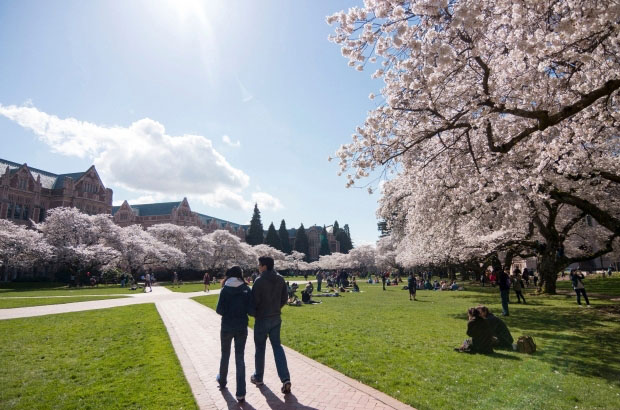
Reuters has once again ranked the world’s 100 most innovative universities. Starting from the top:
- Stanford
- MIT
- Harvard
- University of Texas
- University of Washington
As with all rankings in which we do well, we flash the lights, we sound the horns, and we assume the methodology was sound.
Read the overall report here. Read the University of Washington section here. Read more →
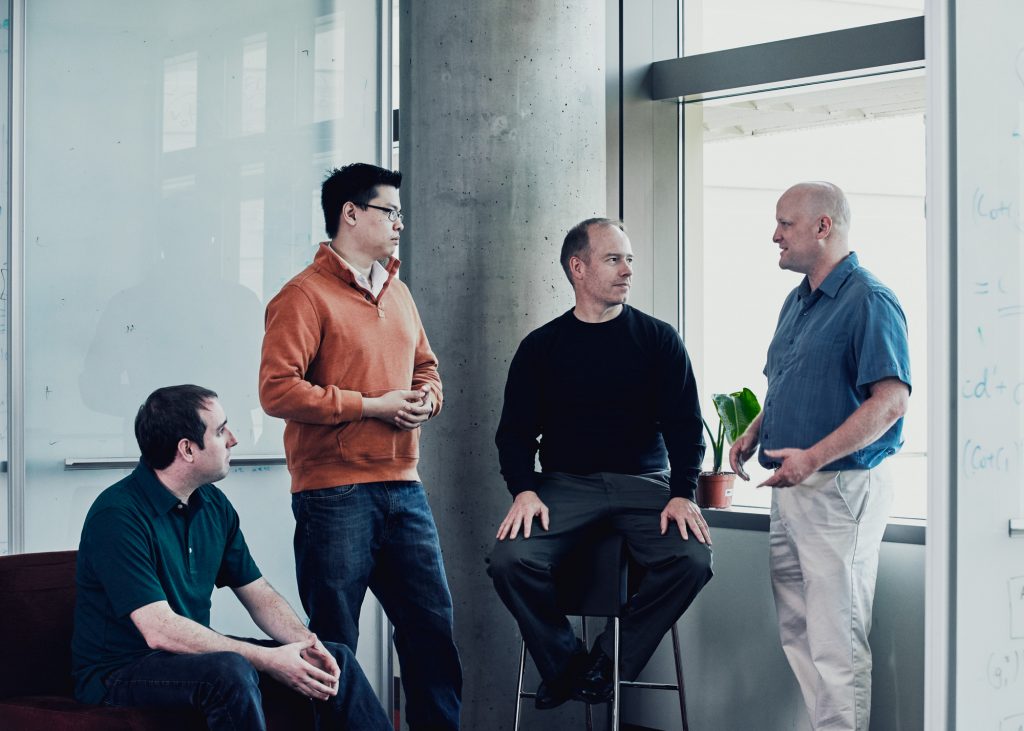
Catapult team members Adrian Caulfield (UW CSE bachelors alum, UCSD Ph.D. advised by UW CSE Ph.D. alum Steve Swanson), Eric Chung (who has risen above his crummy Berkeley and CMU education), Doug Burger (UW CSE affiliate professor), and Andrew Putnam (UW CSE Ph.D. alum)
A really terrific article in Wired describes the evolution of Microsoft’s Project Catapult – FPGA acceleration for a broad range of cloud services.
The project, incubated in Peter Lee‘s MSR NeXT organization, was led by Doug Burger, a refugee from UT Austin who is a Distinguished Engineer in MSR NeXT and an Affiliate Professor in UW CSE. A key member of the Catapult team was UW CSE Ph.D. alumnus Andrew Putnam, who joined MSR immediately after graduating in 2009.
From the Wired article:
“In December of 2010, Microsoft researcher Andrew Putnam had left Seattle for the holidays and returned home to Colorado Springs. Two days before Christmas, he still hadn’t started shopping. As he drove to the mall, his phone rang. It was Burger, his boss. Burger was going to meet with Bing execs right after the holiday, and he needed a design for hardware that could run Bing’s machine learning algorithms on FPGAs.
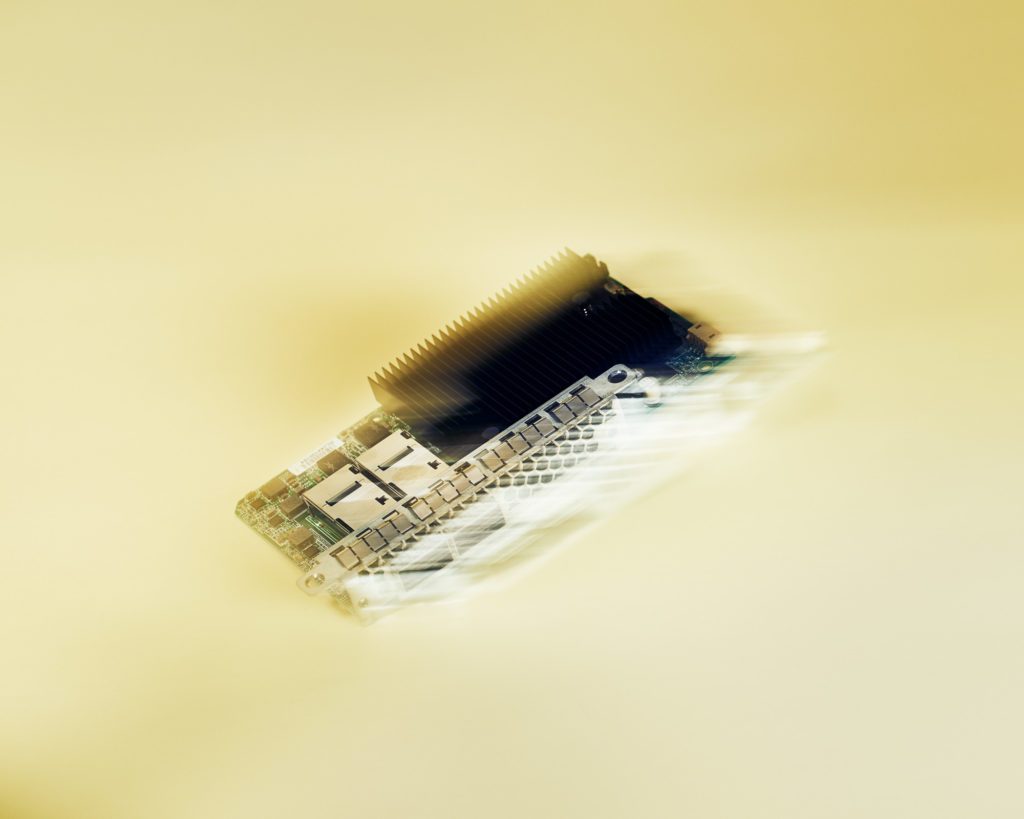 “Putnam pulled into the nearest Starbucks and drew up the plans. It took him about five hours, and he still had time for shopping …
“At that post-holiday meeting, Burger pitched Bing’s execs on FPGAs as a low-power way of accelerating searches. The execs were noncommittal. So over the next several months, Burger and team took Putnam’s Christmas sketch and built a prototype, showing that it could run Bing’s machine learning algorithms about 100 times faster. ‘That’s when they really got interested,’ says Jim Larus, another member of the team back then who’s now a dean at Switzerland’s École Polytechnique Fédérale in Lausanne.”
It’s a great read – here. Read more →
 Never heard of Gazette Review? Neither have we! But adhering to our long tradition of amplifying the rankings in which we do well and burying the others, we draw your attention to this one:
“Located near Seattle and Redmond- the home city of Microsoft – this university is at the crossroads of technology and the natural sciences. Of all the programs at the University of Washington, Computer Science and Medicine are among the most renowned …”
Check it out here! Read more →
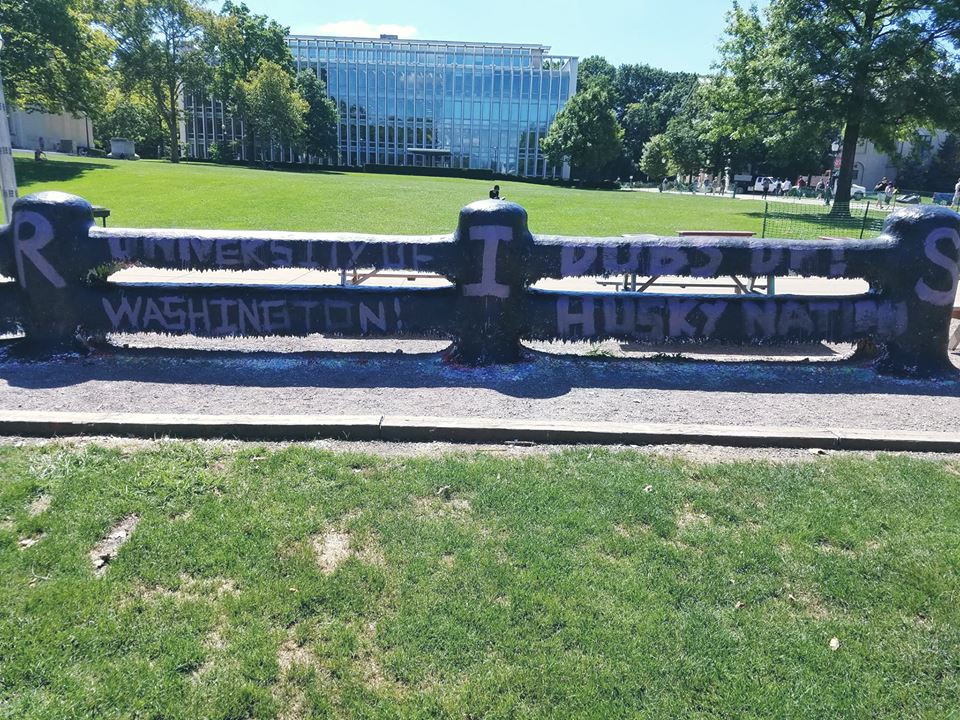
The article included lots of photos of CMU, but not this one …
The Washington Post writes:
“Women are making major gains in enrollment in engineering and computer science at some of the nation’s most prominent colleges and universities, a breakthrough that shows that gender parity is possible in technology fields long dominated by men. …
“The University of Washington, near Microsoft’s Seattle-area home, had the largest share of women in computer science among the nation’s public flagships and some of the largest five-year gains. Thirty-two percent of its graduates in that major were women in 2015, up 11 points in five years.
“Ed Lazowska, a computer science and engineering professor at the university, said it is crucial to ensure that introductory courses are engaging for all students, especially those who might struggle at first because they are new to the subject. ‘If your intro course tries to weed people out, then the people you’re going to weed out are precisely those that are underrepresented in the first place,’ Lazowska said.”
Read the entire article – excellent – here! Read more →
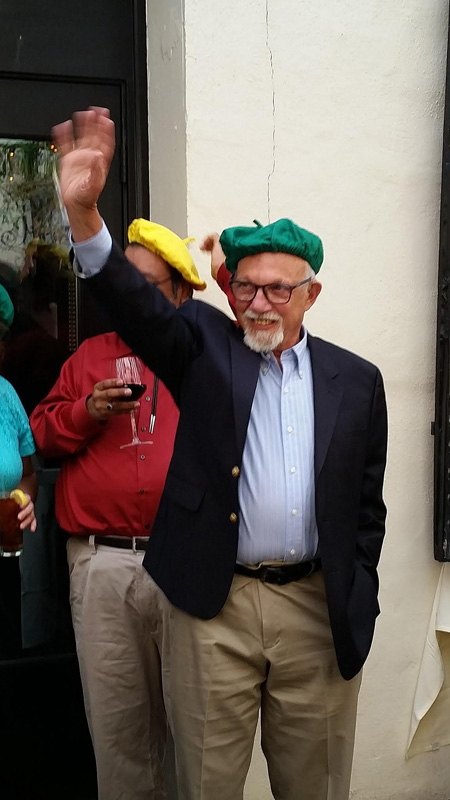 On Saturday evening, more than 60 of Jean-Loup Baer’s family members, friends and colleagues – including 10 Ph.D. alums from as far away as Taiwan and Korea – gathered at Bastille Café to wish him a happy 80th birthday.
An internationally recognized expert in computer architecture, Jean-Loup was UW CSE’s first “junior hire,” arriving in 1969 after completing his Ph.D. at UCLA. He served as CSE department chair from 1988-93, and joined the ranks of the emeriti in 2004.
Photos of the event here. Read more →
 GeekWire reports:
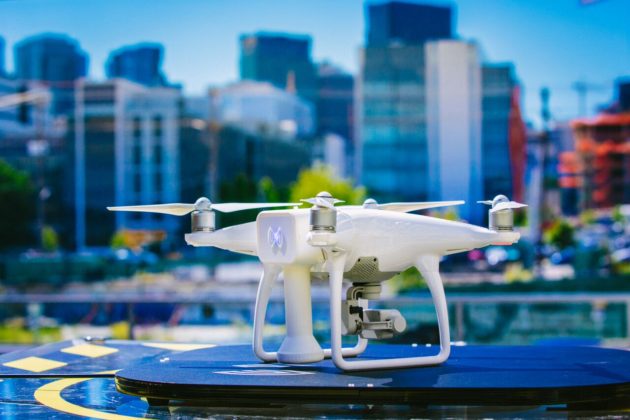
“‘WiBotic is creating the infrastructure for robots to charge whenever and wherever – so companies can focus on robot tasks rather than keeping their robots charged,’ WiBotic CEO and co-founder Ben Waters said in a statement. ‘Enabling better access to power and autonomous charging opens up a whole new world of possibilities for robots.’
“WiBotic also said its adaptive near-field wireless charging technology provides higher efficiency than standard inductive and other resonant systems, while also minimizing maintenance costs. The product also works in varying weather conditions and underwater.”
WiBotic‘s technology was developed in UW’s Sensor Systems Laboratory, led by Computer Science & Engineering and Electrical Engineering professor Joshua Smith.
Read more in GeekWire here. Read more →
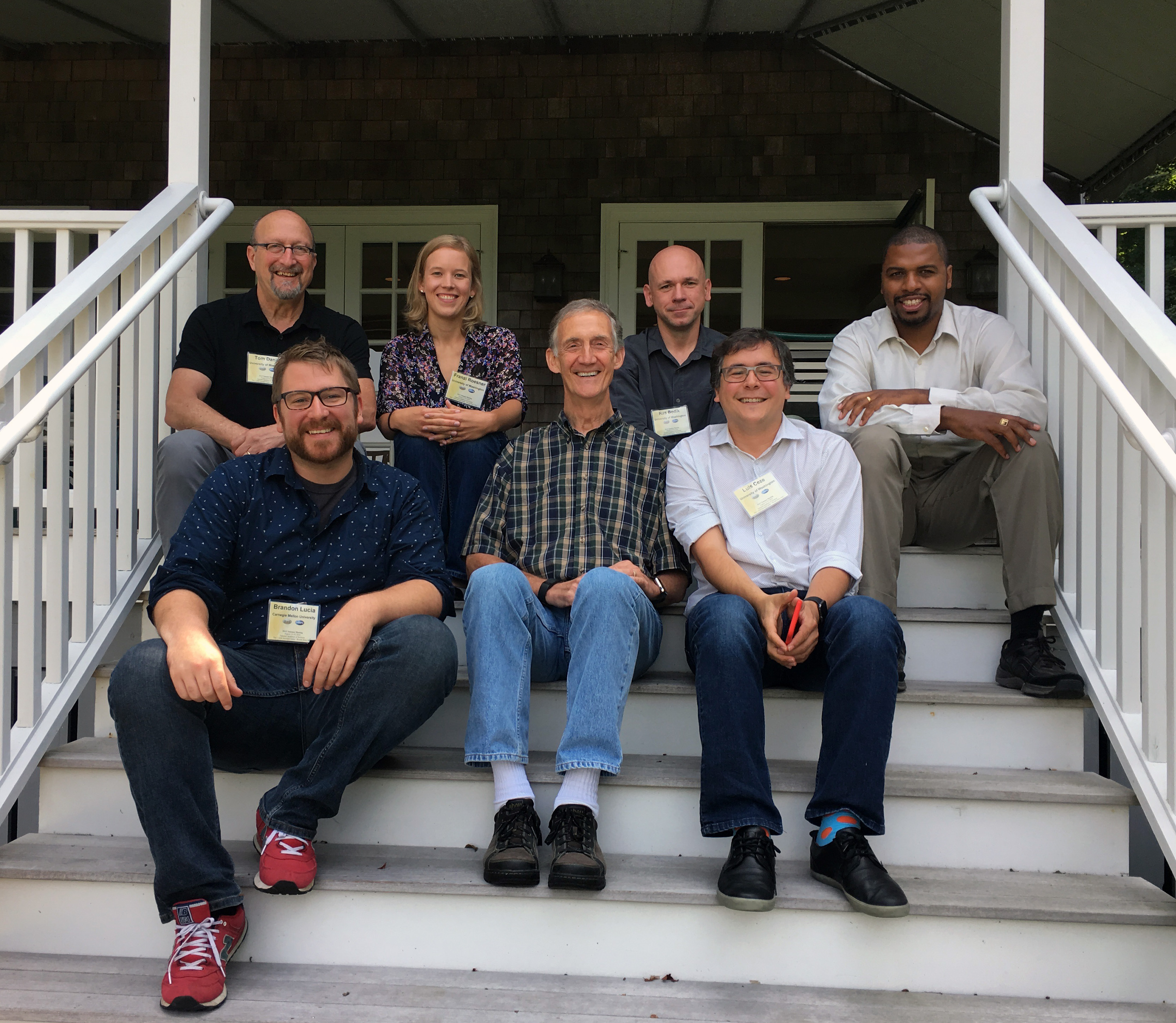
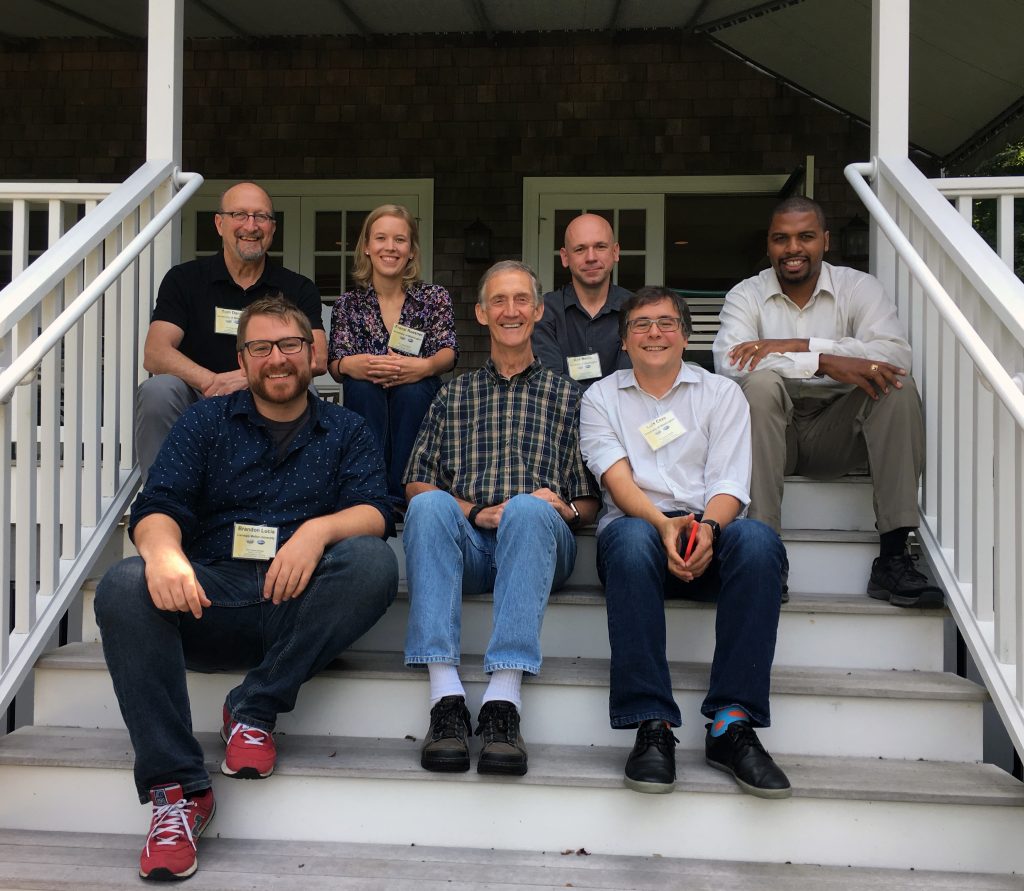 33 members of the DARPA ISAT (Information Science And Technology) study group are working at Woods Hole this week – 7 with strong UW CSE connections: Tom Daniel (adjunct faculty), Franzi Roesner (faculty), Ras Bodik (faculty), Hakim Weatherspoon (Bachelors alum, Cornell faculty), Brandon Lucia (Ph.D. alum, CMU faculty), Ed Lazowska (faculty), Luis Ceze (faculty). Missing: Roxana Geambasu (Ph.D. alum, Columbia faculty). Read more →
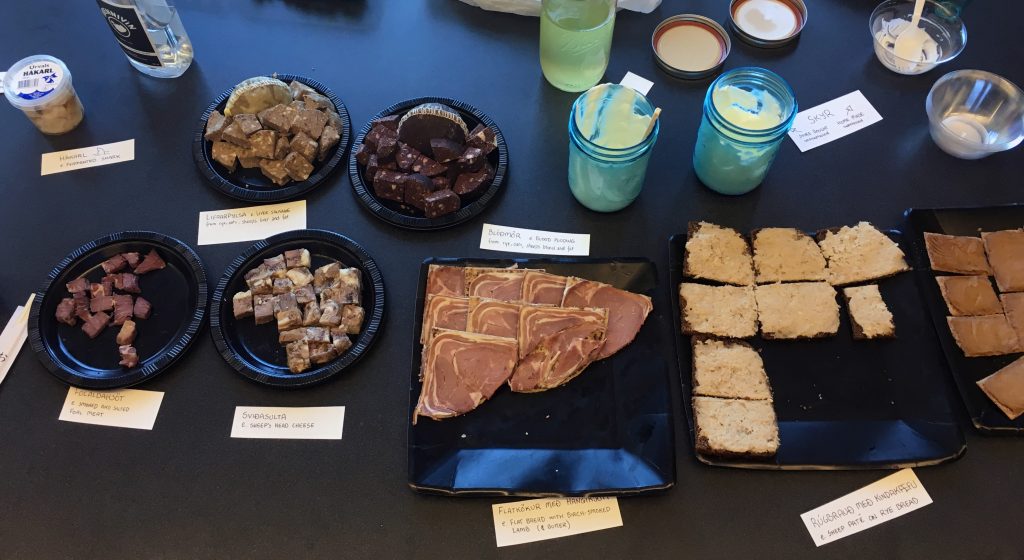 Inspired by the global nature of the Olympic games, the UW CSE Systems Group’s Icelandic Ph.D. students treated us to a lunch of treats from their homeland: fermented shark, smoked and salted foal meat, sheep’s head cheese, liver sausage, blood pudding, flat bread with smoked lamb and butter, sheep pate on rye bread, …
Michael Phelps may have won twenty two gold medals, but we bet he wouldn’t have been able to work his way through this stuff … Read more →
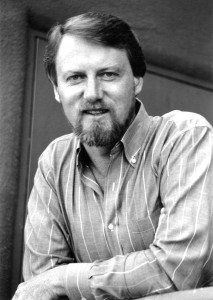 UW CSE Ph.D. alumnus Gary Kildall was a pioneer of personal computer software. He wrote programming language tools including assemblers (Intel 4004), interpreters (BASIC), and compilers (PL/M). He created a widely-used disk operating system (CP/M). He and his wife, Dorothy McEwen, started a successful company called Digital Research to develop and market CP/M, which for years was the dominant operating system for personal microcomputers.
Gary died in 1994, at the young age of 52. In 1993, the year before his death, he wrote a draft of a memoir titled “Computer Connections: People, Places, and Events in the Evolution of the Personal Computer Industry.” Gary’s children, Scott and Kristin, have made the first portion of that memoir, along with their introduction to it and previously unpublished family photos, available via the Computer History Museum.
Scott and Kristin write: “Gary viewed computers as learning tools rather than profit engines. His career choices reflect a different definition of success, where innovation means sharing ideas, letting passion drive your work and making source code available for others to build upon. His work ethic during the 1970s resembles that of the open-source community today.”
Read the preamble and the remarkable manuscript here.
UW CSE is proud to count Gary as one of our most distinguished alumni: Ph.D. number 7 from our department, awarded in 1972, advised by Hellmut Golde. Read more →
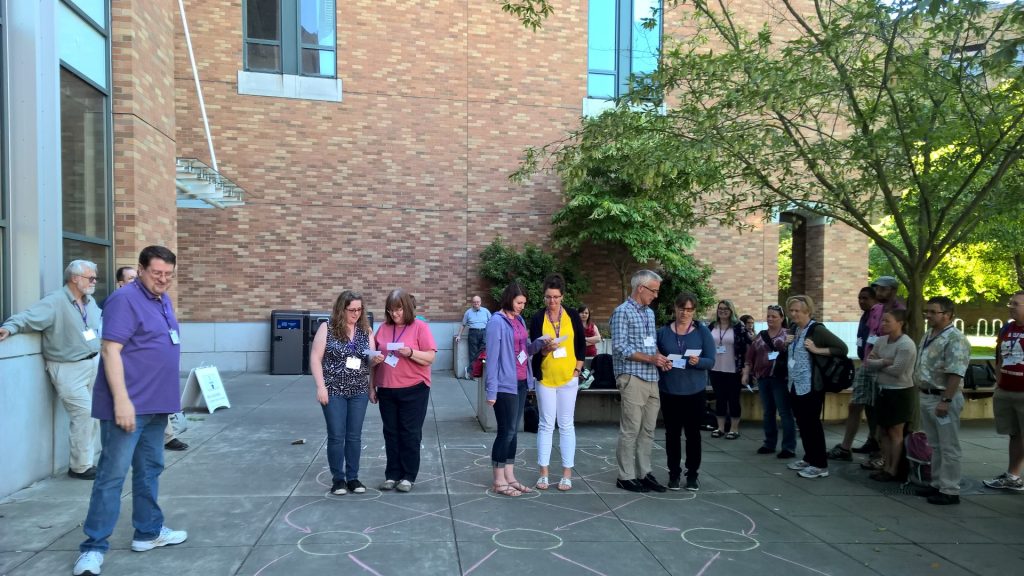
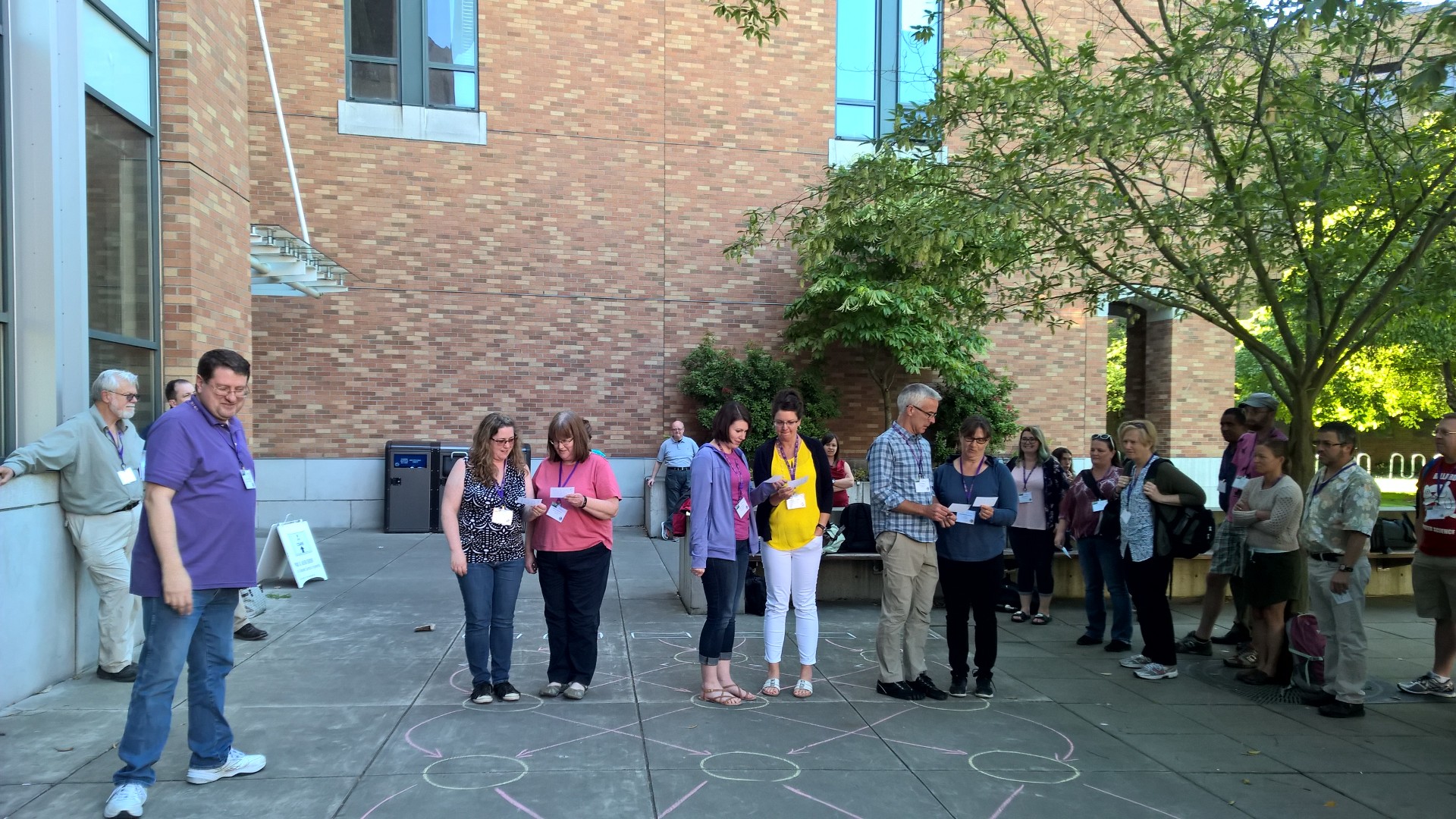
Tom Cortina (in UW purple) guides the teachers through a sorting network outside the Allen Center
This year marked the 10th anniversary of UW CSE’s CS4HS summer workshop for middle school and high school math and science teachers.
UW, CMU and UCLA pioneered the program in 2007 with support from Google. At UW, we focus on teachers of mathematics and the natural science from the Puget Sound region, hoping to give them the resources to incorporate modern, fun, and accessible computer science elements into their teaching. Of equal importance, we seek to establish a supportive community among these teachers, and between these teachers and UW CSE – a “safety net” that instills the confidence to take a risk with new approaches. Between 40 and 80 teachers participate annually – roughly 600 since the start of the program.
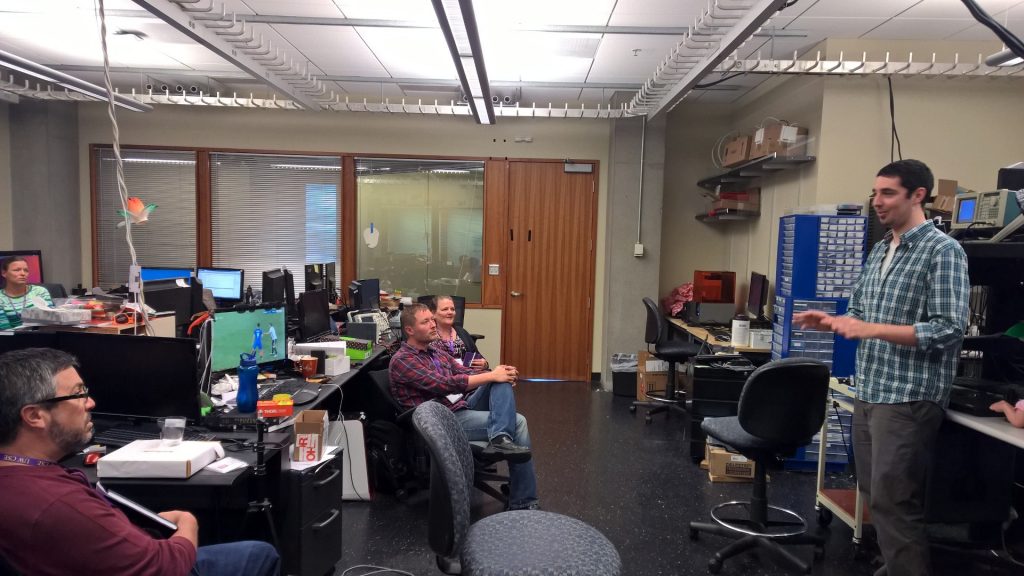
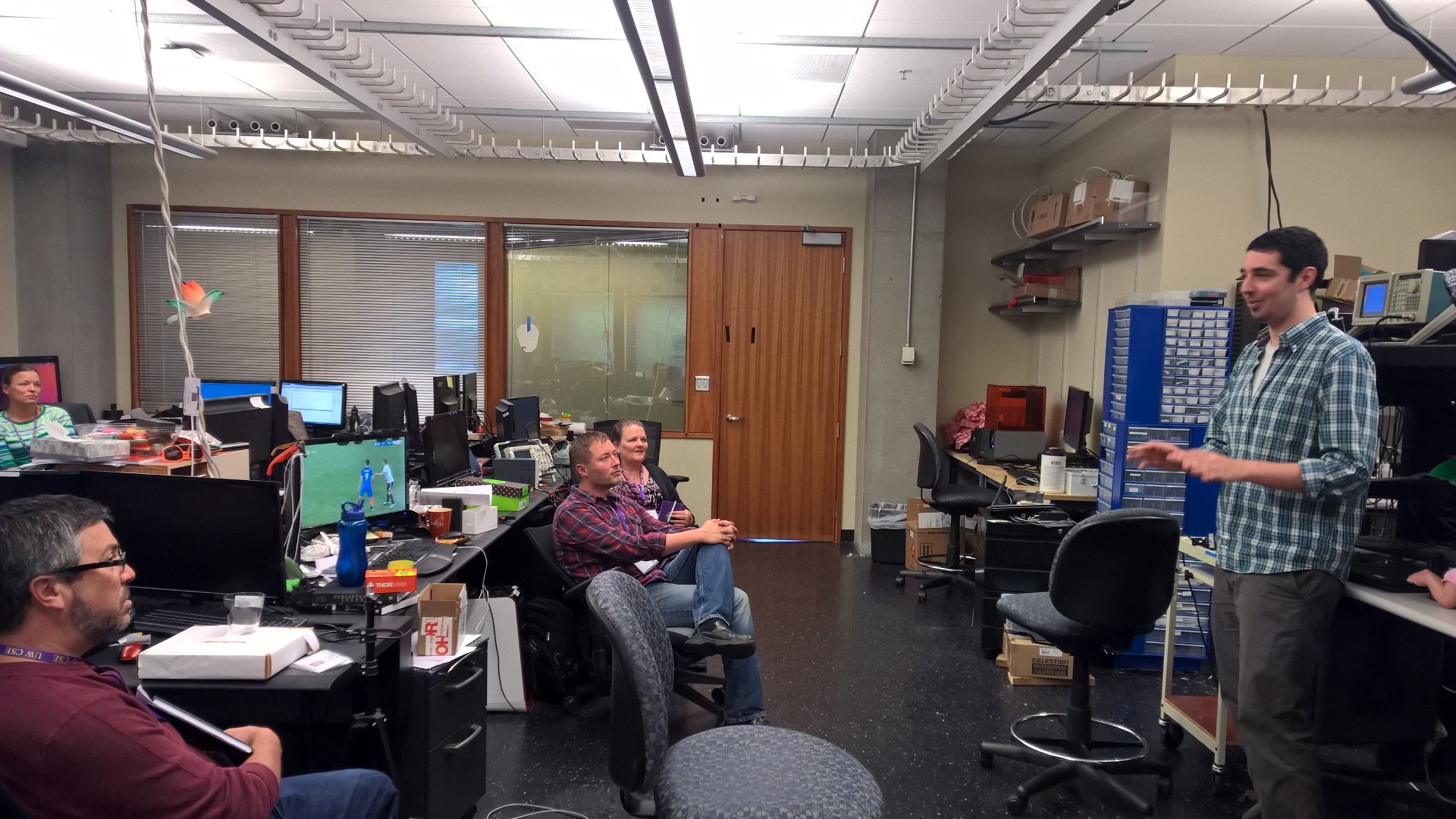
Alex Mariakakis shows off research in the Ubiquitous Computing Laboratory
For 9 of the 10 years, Tom Cortina, Assistant Dean for Undergraduate Education at CMU’s School of Computer Science, has joined us, contributing enormously to the success of the UW program. Thank you Tom!
Learn more about UW CSE’s CS4HS here. Learn about DawgBytes, our broad-based K-12 outreach program, here. Check out a recent post on our DawgBytes summer day camps for middle school and high school students here. Read more →