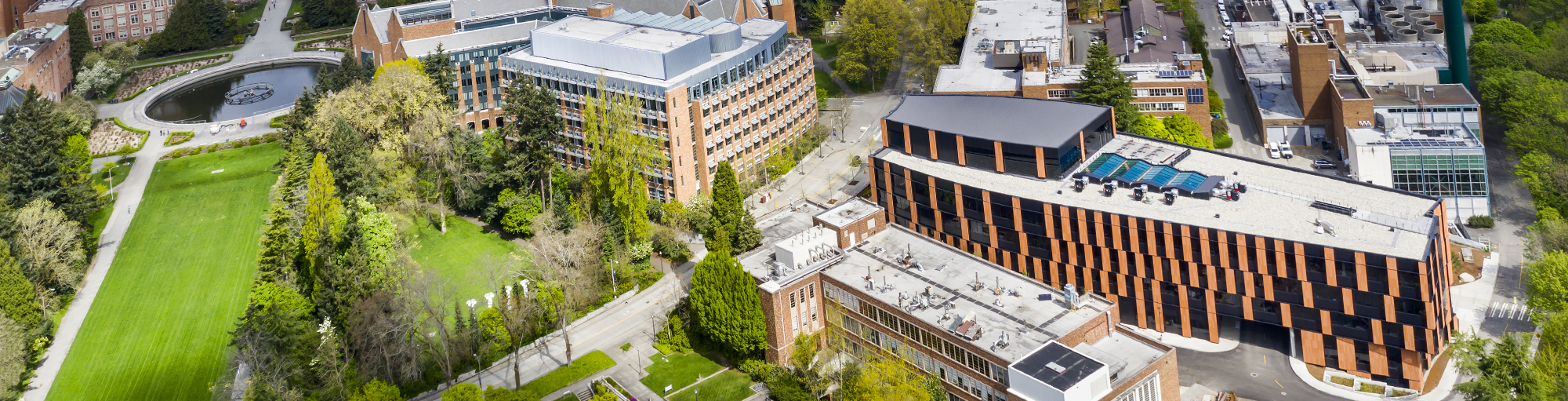
 Every March, UW CSE welcomes prospective Ph.D. candidates for two action-packed days of lab tours, social events, and one-on-one meetings with faculty. This week, a record-high 104 candidates spent two days at the Allen Center exploring what it means to be a UW CSE graduate student.
Now, thanks to a new video series, everyone can learn about the people and projects that make UW CSE one of the most innovative and forward-thinking computer science programs in the nation.
“I Am CSE” is a series of short clips in which students, postdocs and faculty describe their work addressing real-world challenges including consumer privacy, health care, and global development. They also depict how UW CSE researchers are advancing the field of computer science with breakthroughs in areas such as computer vision and mobile systems.
Learn how the UW CSE community engages in high-impact projects! Check out the “I Am CSE” series on YouTube here. Read more →
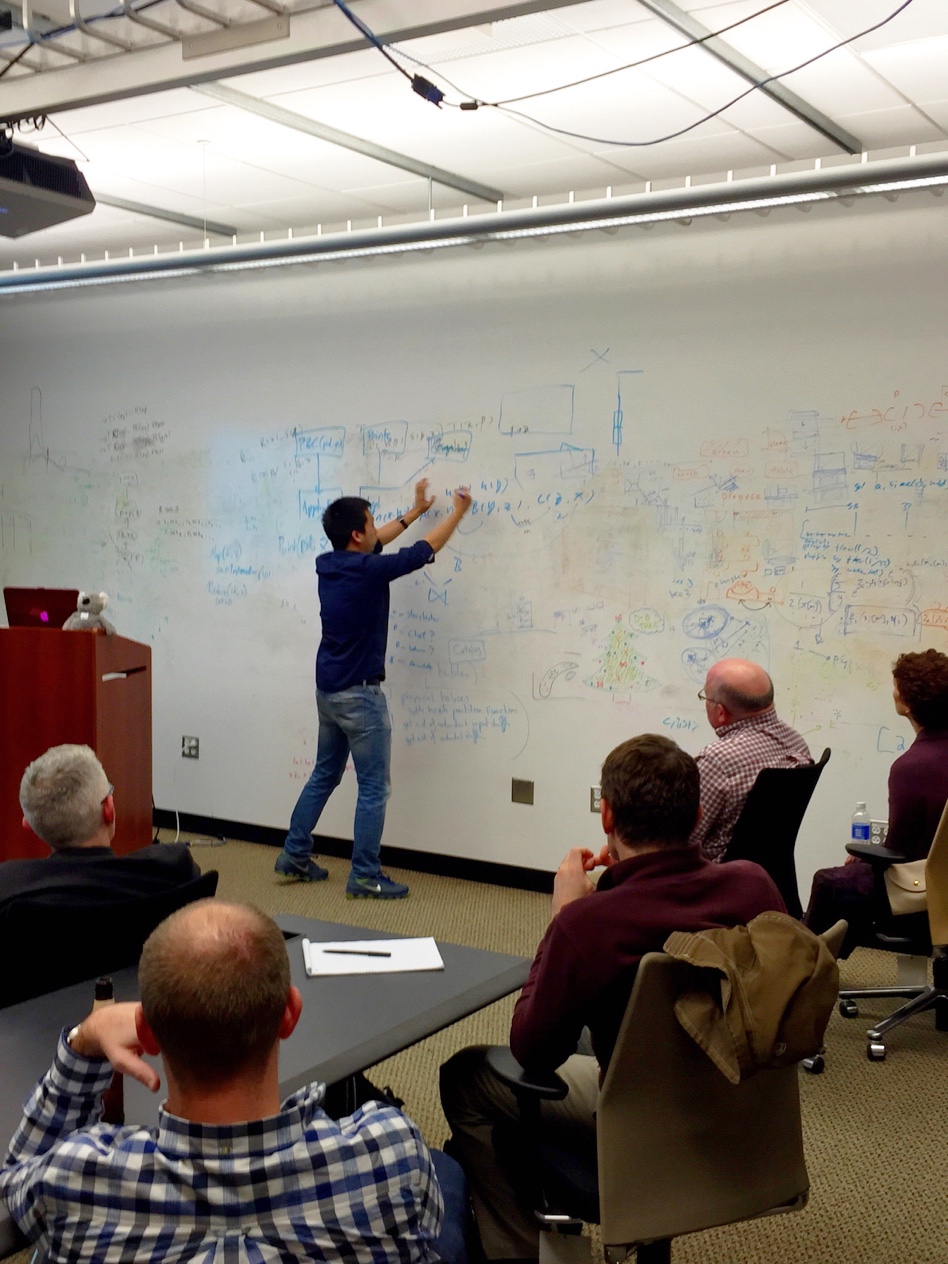 This evening, ten alumni and friends participated in a “big data and machine learning” lab tour.
Many thanks to Magda Balazinska, Shumo Chu, Carlos Guestrin, Dan Halperin, Bill Howe, and Jennifer Ortiz for terrific presentations and demos, to Sergey Smirnov for organizing, and to Neal Fachan, Peter Godman, Joe Heitzeberg, Amnon Horowitz, Steve Jang, Dan Kerns, Kevin McCall, Lee Smith, Scott Tennican, and Kim Tennican for attending. Read more →
 The Open Technology Fund has selected 11 individuals to receive Information Controls Fellowships, including UW CSE Ph.D. student Will Scott.
The new Information Controls Fellowship recipients will be working to create solutions and remedies to online censorship and surveillance. They are students, lawyers, and hackers well-established in their respected fields of computer science, software development, social science, and more.
Will’s UW CSE research has included a large number of high-impact projects in this vein. With his Information Control Felowship, he will continue his work on Activist.js, a tool that helps publishers resist censorship by maintaining strong websites that are more resilient to network interference. Learn more about Will’s research here. And learn about all of the Information Controls Fellowship recipients here.
Congratulations Will! Read more →
 UW CSE’s Center for Game Science announced the next Washington State Algebra Challenge will take place April 27th to May 1st. This statewide contest challenges Washington’s K-12 students to solve 250,000 algebra equations in one week.
During the 2013 Algebra Challenge, students far exceeded expectations by solving nearly 391,000 equations in just one week. For the 2015 challenge, the Center for Game Science will provide participating classrooms with access to its new math learning game, Riddle Books. Previously only available to students who visited the center or through summer learning programs at selected libraries, Riddle Books teaches kids pre-algebra as they solve word problems in a friendly, game-based environment.
Registration will open soon at the Algebra Challenge website. Stay tuned for more details, and please help spread the word to classrooms around the state! Read more →
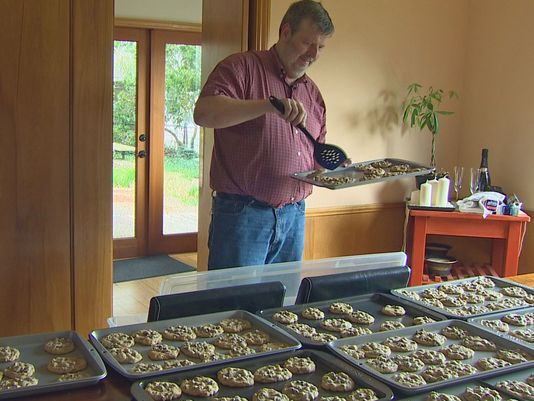 A lovely report on KING5 TV News tonight, reporting on UW CSE’s Stuart Reges, who each quarter bakes chocolate chip cookies as a final exam treat for his class … which had nearly 1,000 students this quarter!
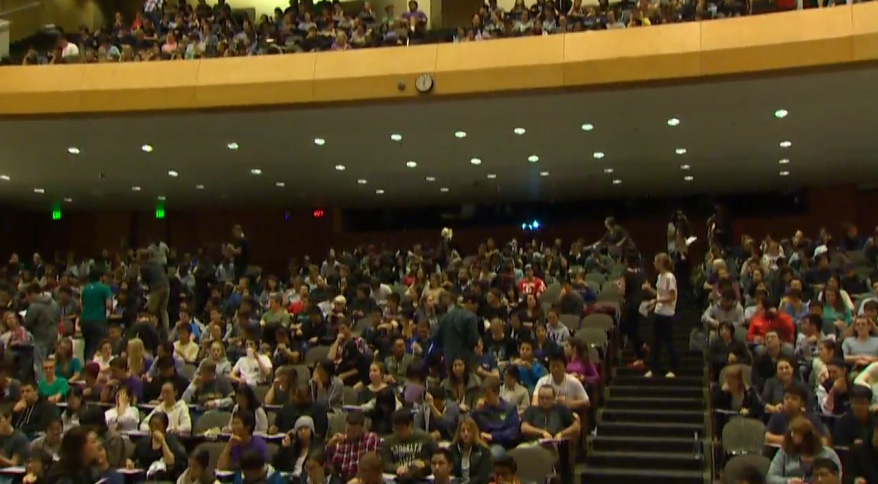 “In the days leading up to this semester’s final exam in Computer Programming 1 at the University of Washington, students spent hours studying over their laptops, while their teacher was slaving over a hot oven.
“‘I just love this,’ said Stuart Reges. ‘I think Toll House should hire me.’
“For the past two days when he hasn’t been teaching his class, Reges has been home baking handmade chocolate chip cookies.
“‘This recipe calls for 25 pounds of flour, 27 pounds of sugar, 7 dozen eggs and 54 sticks of butter,’ he said from his North Seattle kitchen.”
Watch the video here! Read more →
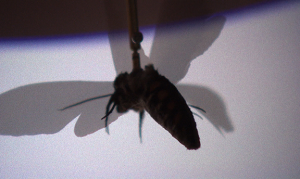 The University of Washington announced today that it has landed the Air Force Center of Excellence on Nature-Inspired Flight Technologies and Ideas (NIFTI), a collaboration among UW’s Department of Biology, the College of Engineering, the Institute for Neuroengineering, and the eScience Institute. The five UW leads include UW CSE and EE professor Matt Reynolds, UW CSE adjunct professor and eScience Institute Senior Data Science Fellow Tom Daniel (who will direct the center), and eScience Institute Data Science Fellow and Mechanical Engineering professor Steve Brunton.
NIFTI aims to solve complex engineering and technical challenges related to unmanned flight using lessons learned from nature. Researchers will examine how animals use their senses to locate objects and navigate in complex environments or under sensory deprivation. Although the center is housed at UW, it will involve researchers from institutions around the nation and the world, including Imperial College London and Oxford University in the United Kingdom and Lund University in Sweden.
The Air Force Office of Scientific Research plans to provide $9 million to the center over the next six years, with additional funding coming from UW’s Office of the Provost, the College of Arts & Sciences, the College of Engineering, and the Departments of Biology and Applied Mathematics.
Read the UW media release and view a video demonstration here.
Read about the center on GeekWire here. Read more →
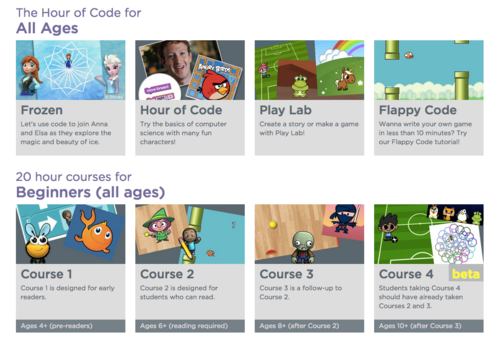 Let’s hear it for Seattle’s Hadi Partovi and Code.org!
After tens of millions of students learned their first Hour of Code in December, how many have kept learning?
Code.org’s online learning platform Code Studio just passed 5 million students enrolled, together with almost 115,000 teachers around the world!
10,000 new teachers are signing up to teach introductory CS with Code Studio every month. 10,000 new students are enrolling in courses every day!
10% of all elementary and middle school students across the United States are enrolled in an introductory computer science course on Code Studio!
Overall enrollment on the platform is 43% girls. Of course, an intro course is a long way from a university degree, but most girls never even try computer science. These new students now have the opportunity to get inspired and delve deeper.
Learn more here. Read more →
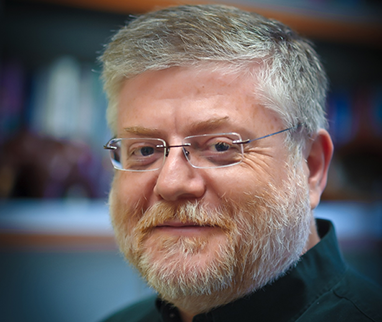 The Seattle Times writes:
“Gaetano Borriello wanted to marry technology with humanity. He believed that computer science wasn’t about creating the next app, but about helping and enriching lives around the world.
“Those beliefs led him to develop the Open Data Kit, an open-source mobile-data collection tool used around the world to address issues in public health, human rights and the environment.
“Professor Borriello, the leader and visionary behind the Open Data Kit and professor in the University of Washington Department of Computer Science & Engineering, died Feb. 1 after a six-year battle with colon cancer. He was 56.
“A month after his death, nearly $350,000 has been raised toward the Gaetano Borriello Endowed Fellowship for Change, which was established by his UW department. The fellowship will support UW students whose work explores how technology can improve the lives of underserved populations.”
Gaetano was remembered at a service for family and close friends on Saturday.
Read more in the Seattle Times here. Learn about the Gaetano Borriello Endowed Fellowship for Change here. Read more →
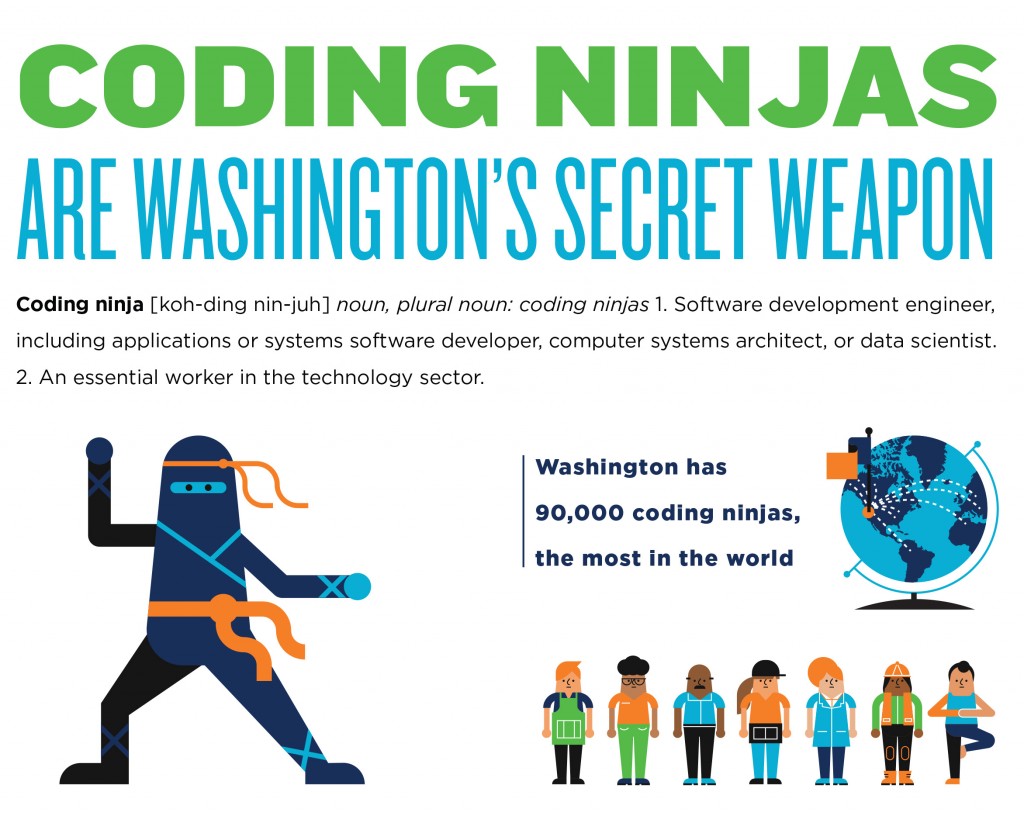 Check out this great new infographic from the Washington Technology Industry Association:
1. Higher education now
2. Adult education over the next 2-3 years
3. K-12 over the next 10 years
Download and share the infographic here. Read more →
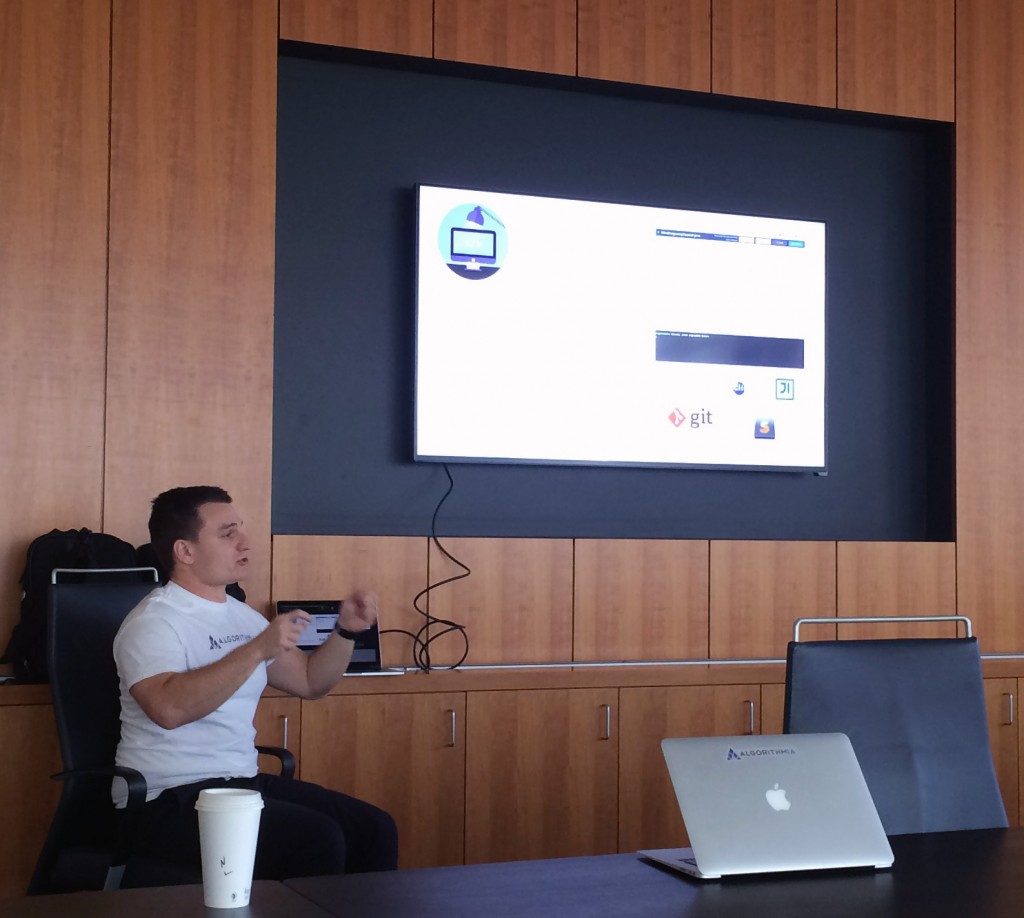 On the day of their launch, co-founders Kenny Daniel and Diego Oppenheimer of Madrona-backed startup Algorithmia took an hour off from fighting fires to talk with the UW CSE faculty.
Quoting Diego, “Algorithmia gives developers the ability to turn algorithms into scalable web services with a single click. Application developers can then integrate the algorithm into their own applications with under 10 lines of code. Algorithmia hosts the web services, makes them discoverable and enables algorithm developers to get paid for usage.” Incredibly cool, and a great way to increase the impact of academic research.
GeekWire here. Xconomy here. InfoWorld here. Company here. Read more →