UW CSE’s BiliCam named among “Ten of the year’s promising technologies for global development”

Bilicam-interfaceE4C (Engineering for Change) writes:

“These are our picks for 10 promising technologies for global development that made headlines in 2014 …

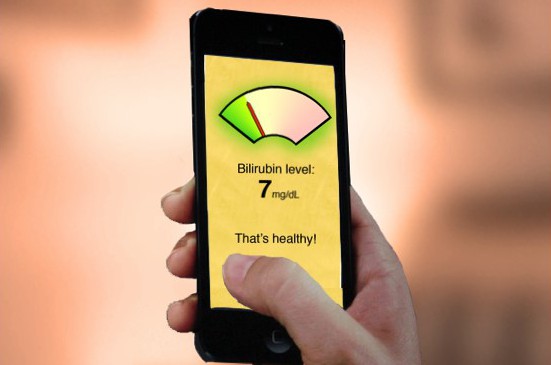
“BiliCam is a smartphone application that diagnoses jaundice in newborns. It is still in development and available now only for clinicians, but in the future it could be a low-cost, powerful tool for parents and rural clinics in developing countries and anywhere in the world.”

BiliCam is the work of UbiComp lab members Lilian de Greef, Mayank Goel, Eric Larson, and Shwetak Patel.

Read the “Top Ten” article here. Read a more detailed October E4C profile of BiliCam here. Check out the BiliCam project web page here. Read more →

UW CSE introductory course enrollment continues to explode

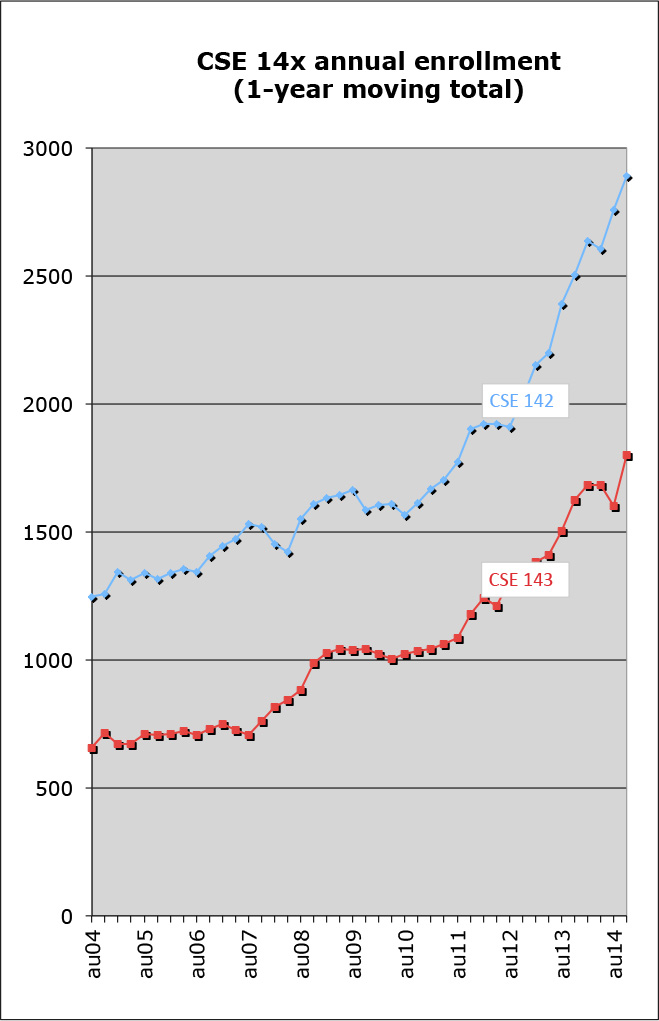
14xCSE 142, our first introductory course, had 995 students during Autumn Quarter, and has 1,011 students this quarter. In the past year, 2,892 students have taken the course – 35% of them women.

CSE 143, our second introductory course, has 807 students this quarter; in the past year, 1,802 students have taken the course.

That’s a total of 4,694 student enrollments in these courses in the past year!

(During fall quarter, CSE’s remarkable Stuart Reges taught both 142 and 143; he and his amazing team of 63 undergraduate teaching assistants – more than 40% of whom were women – generated roughly 2% of UW total student credit hours that quarter!)

Want to see what’s going on nationally, and understand why? Check out this data-filled presentation. Read more →

UW CSE alums Yaw Anokwa, Christophe Bisciglia win College of Engineering Diamond Awards

The University of Washington College of Engineering Diamond Awards honor outstanding alumni and friends who have made significant contributions to the field of engineering. This year’s Diamond Awards will be presented at a dinner gala on May 8. Two of the four recipients are CSE alums!
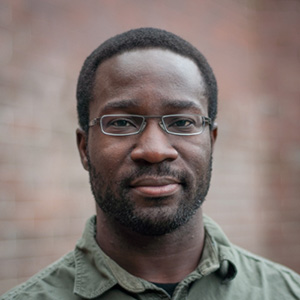
yaw300The recipient of the 2015 Diamond Award for Distinguished Service is 2012 UW CSE Ph.D. alum Yaw Anokwa. In places where there is no clean water or reliable power, one will often find mobile phones and Internet access. Yaw’s work explores how to use the availability of that technology to improve the lives of the underserved. Yaw has established an international reputation in the field of ICTD (Information and Communication Technology for Development), led the creation of the ICTD research community at UW (involving students and faculty from several department in the College and beyond), played a central role in the development of Open Data Kit, ODK Clinic, and OpenMRS (widely used mobile computing tools that are improving the lives of people around the world), and now propels the use of ODK through the startup Nafundi. Read the Diamond Award web page describing Yaw’s achievements here.
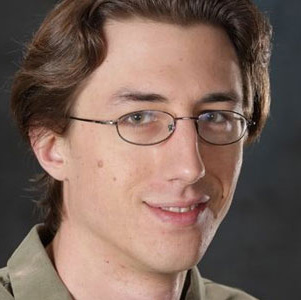
christophecroppedThe recipient of the 2015 Diamond Award for Early Career Achievement is 2003 UW CSE Bachelors alum Christophe Bisciglia. In the decade since his UW graduation, Christophe has had a successful career as a Google engineer, brought Google-scale Google-style computing to universities around the globe, and co-founded two of Silicon Valley’s game-changing “big data” companies, Cloudera and WibiData (where he serves as CEO). He has been on the cover of Business Week as “Google’s master of ‘cloud’  computing,” and been profiled by Fortune as one of “10 Fascinating Googlers” and as the “Smartest Engineer” in a “Smartest People in Tech” feature. Read the Diamond Award web page describing Christophe’s achievements here.

Past honorees – including CSE alums Brad Fitzpatrick, Kevin Ross, Anne Condon, Greg Badros, Loren Carpenter, Tapan Parikh, Rob Short, Gail Murphy, Ed Felten, Jeremy Jaech, and Jeff Dean – can be viewed here.

Congratulations to Yaw, Christophe, and all of our alums – and thanks for making UW CSE look good! You are, in every way, the reason we’re here. Read more →

UW CSE’s Sidhant Gupta wins WAGS/UMI Innovation in Technology Award

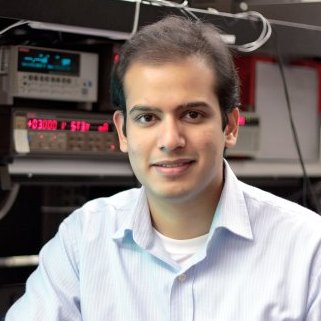
sidhant2014 UW CSE Ph.D. alum Sidhant Gupta – now at Microsoft Research – has been honored with this year’s Innovation in Technology Award from the Western Association of Graduate Schools / University Microfilms International.

Sidhant invents new sensing techniques and builds innovative hardware and software systems to address hard challenges in sustainability sensing and human computer interaction. His research often requires identifying and exploiting physical phenomena around us in unique ways to continually redefine what, and how, signals can be sensed. In addition to computer science, his research incorporates a deep understanding of applied physics, embedded systems, design-for-manufacturability, machine learning, software-defined radios and cyber-physical security.

His Ph.D. work focused on developing novel sensing technologies and supporting software for the home that use minimal sensors, are low cost and easy to deploy. He was advised, quoting his LinkedIn page, “by the awesome Shwetak N. Patel.” His thesis work – ElectriSense: Single-Point Sensing Using EMI for Electrical Event Detection and Classification in the Home” – was the basis of the startup Zensi, acquired by Belkin.

Congratulations Sidhant!

(UW CSE Ph.D. alum Tapan Parikh – now a faculty member at UC Berkeley – received the WAGS/UMI Innovation in Technology Award in 2009.) Read more →

UW CSE’s Rajesh Rao achieves one of “5 Amazing Advances In Brain Research In 2014”

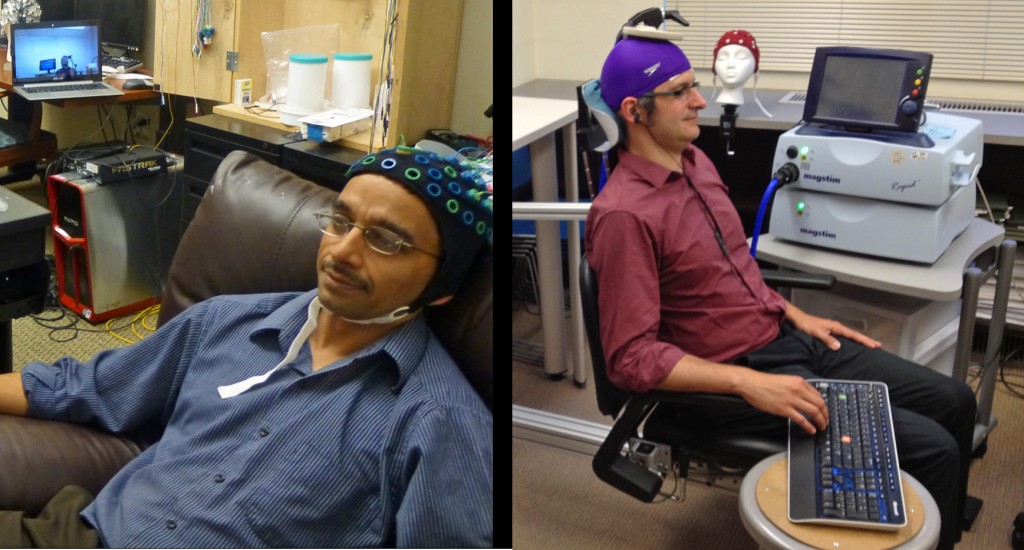
B2B-imageHuffington Post Science cites the brain-to-brain communication achieved by UW CSE’s Rajesh Rao and collaborators as one of “5 Amazing Advances In Brain Research In 2014.”

“The idea of telepathy may not be as far-fetched as it seems. This year, scientists achieved direct brain-to-brain communication between humans.

“Building upon early research started in 2013, this fall, researchers from the University of Washington were able to repeatedly transmit signals from one person’s brain via the Internet, and used these signals to control the hand motions of another person in less than a split second.” Read more →

Washington State University logo wallpaper

WSU logo_edited-1As we’ve said twice before recently (here and here), you can’t just make up stuff this good!

2015 is off to a great start! Read more →

Winter 2014-15 Most Significant Bits

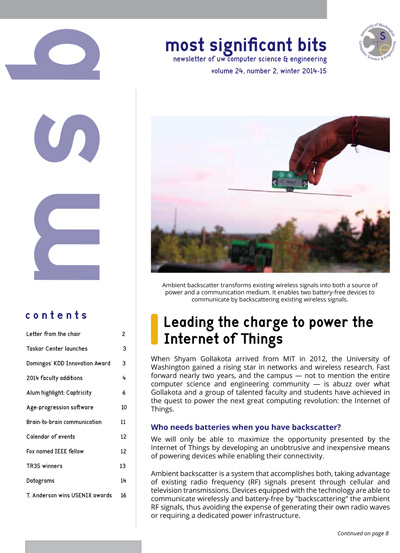
MSBw1415coverPut down whatever you’re reading and turn your attention to the hot-off-the-digital-presses Winter 2014/15 issue of Most Significant Bits, the UW CSE alumni newsletter! In this issue:

  • Low-power computing
  • Hank’s view of the world: a new building for CSE … Stuart “Cookie Monster” Reges … new faculty hires
  • The Taskar Center for Accessible Technology
  • Pedro Domingos wins KDD 2014 Innovation Award
  • Profiles of six super new faculty
  • Alum Kuang Chen and his startup Captricity
  • Age progression software from the UW CSE Graphics and Imaging Lab
  • Brain-to-brain communication over the web
  • Dieter Fox named IEEE Fellow
  • TR35 Awards to Shyam Gollakota, Kuang Chen, and Kurtis Heimerl
  • Zillions of Datagrams
  • Tom Anderson wins USENIX Lifetime Achievement Award and Software Tools Award

Read it in pdf or html! Read more →

Remembering Bill Gerberding

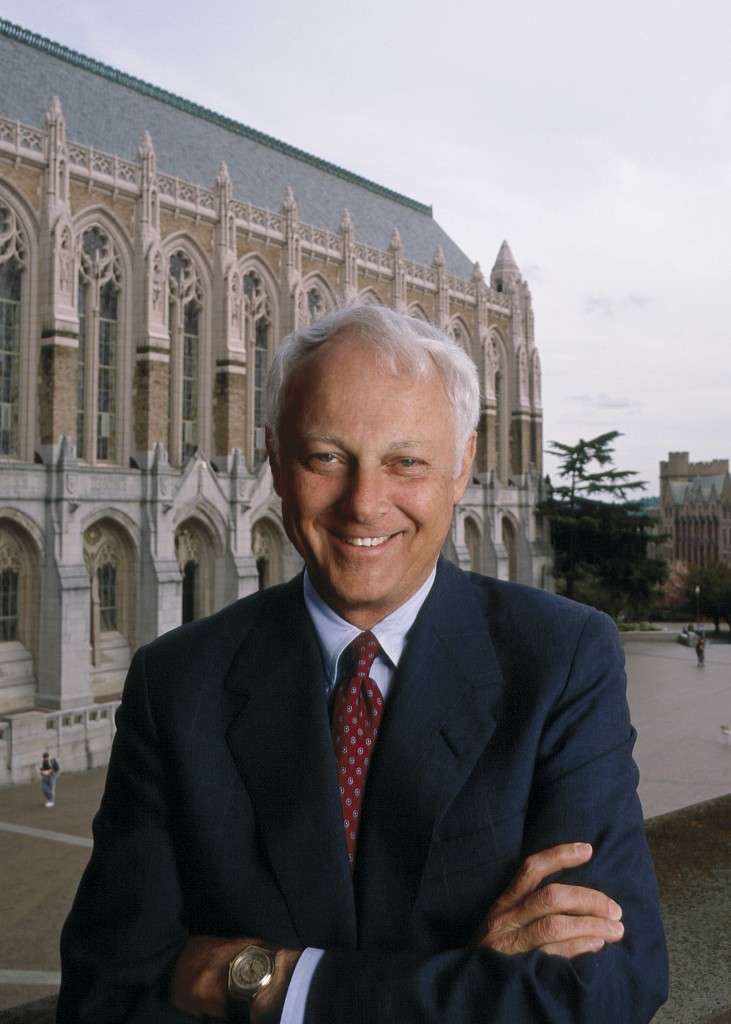
Gerberding_fullWilliam P. Gerberding, the University of Washington’s longest-serving President (1979-1995), passed away on Saturday at age 85.

Bill was a superb leader of UW, a true friend of Computer Science & Engineering, an extraordinary human being, and, along with his wife Ruth, delightful company. Our thoughts are with Ruth and the rest of the Gerberding family.

Two particularly nice tributes appeared in the Puget Sound Business Journal authored by Patti Payne, here, and in Crosscut authored by Ted Van Dyk here. A University of Washington tribute may be found here.

But, better, read an extraordinary January 1965 Life Magazine profile of Bill as a 35-year-old UCLA assistant professor of political science here. It reveals the scholar, the person, the husband, the father. Read more →

End-of-year gratitude to UW CSE’s alumni and friends!

UntitledToday’s arrival in the mail of the University of Washington’s 2013-14 Report to Contributors triggers this end-of-year message of deep gratitude to the thousands of UW CSE alumni and friends who support us in so many ways, including contributing time, financial support, and political support.

UW CSE is public in spirit – UW is, after all, The University of Washington, and we in CSE embrace this role and all that it entails. But private support is essential to fulfilling our mission. (For example, state support comprises somewhere between 4% and 7% of UW’s operating budget, depending on what you count.)

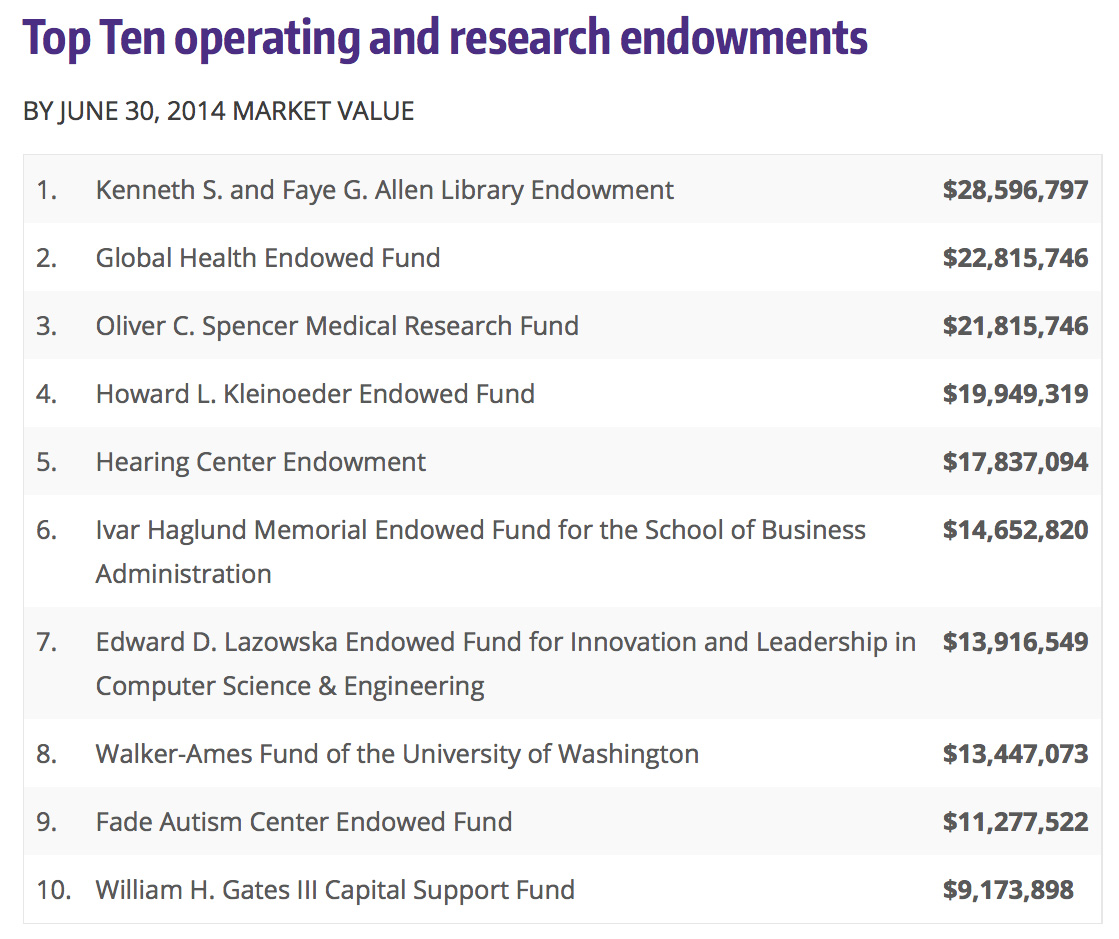
The Report to Contributors notes that CSE’s Innovation Endowment is among the top ten “operating and research endowments” at UW, generating more than $500,000 per year to support new initiatives. (Let’s try to blow past Ivar in 2015!) And several weeks ago, 150 donors and 7 sponsors added $189,334 to UW CSE’s Google Endowed Scholarship during G-Give 2014, bringing the total of this endowment to more than $1 million – CSE’s largest undergraduate scholarship endowment, essential to allowing top Washington State students obtain a UW CSE education regardless of means.

These are but two examples. Our thanks to all of you as we launch into 2015! Read more →

Neural Acceleration for General- Purpose Approximate Programs

Pages from p105-esmaeilzadehCACM features exciting work by Hadi Esmaeilzadeh (UW CSE Ph.D. alum now on the faculty at Georgia Tech), Adrian Sampson (UW CSE graduating Ph.D. student), Luis Ceze (UW CSE faculty), and Doug Burger (Microsoft Research and UW CSE affiliate faculty).

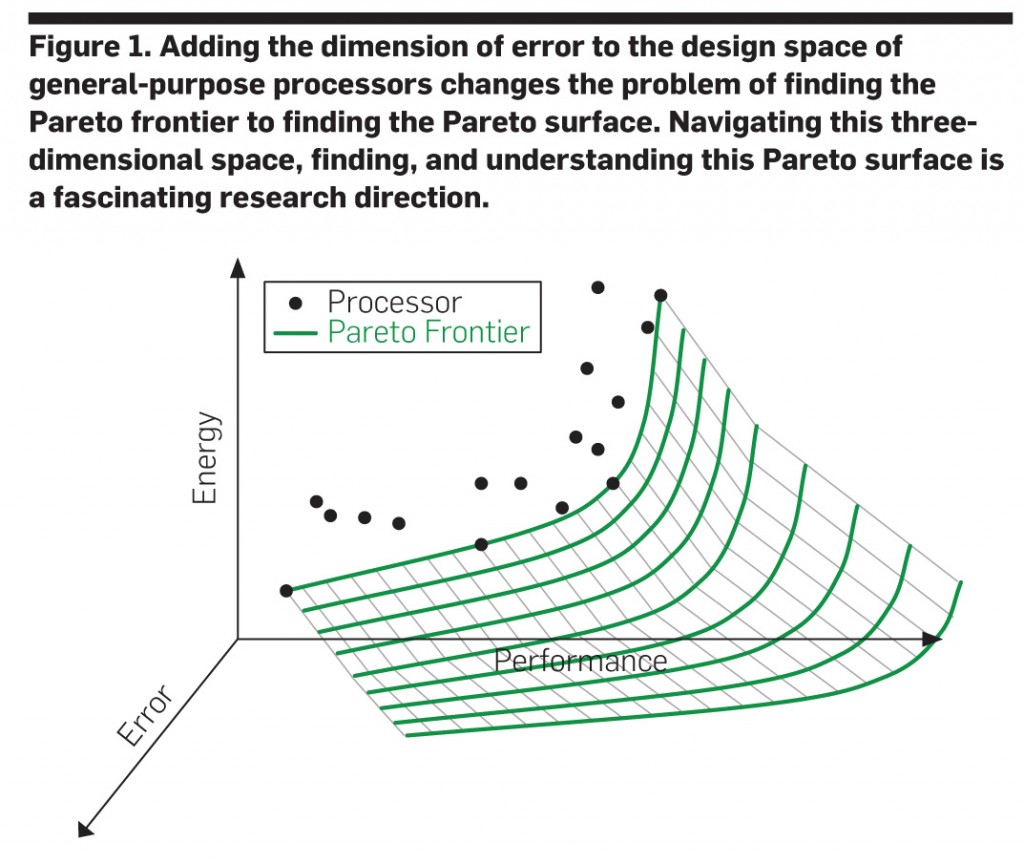
CMOS scaling is no longer providing gains in efficiency commensurate with increases in transistor density. Today, we can choose any two of performance, energy efficiency, and generality at the expense of the third. One approach to gaining performance and energy efficiency at the expense of generality is the use of GPGPUs and FPGAs. This paper explores another approach: approximate computation, or trading off accuracy in order to gain performance and energy efficiency. The core idea is to learn how a region of approximable code behaves and automatically replace the original code with an efficient computation of the learned model.

Read the paper here. Read more →

« Newer PostsOlder Posts »