 GeekWire writes:
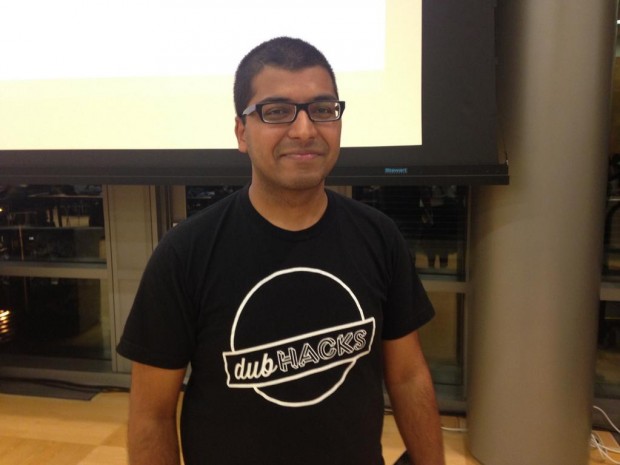
“Karan Goel is a University of Washington computer science student who designs, builds, and ships software with the goal of making the world a better place. He’s an undergrad who has interned on Google’s Street View team and at Lenskart, developing analytics dashboards for business intelligence.
“But he’s also making his mark on campus — starting the university’s first developer club, UW Hackers, with the goal of exposing students to modern technology that is otherwise left out of the classroom. He also co-founded and led the first and biggest student hackathon in the Pacific Northwest, DubHacks.”
Previous UW CSE “Geeks of the Week”: Carlos Guestrin, Julie Kientz, Melissa Winstanley, Oren Etzioni (also 2012’s “Geek of the Year”), Lauren Bricker, Yaw Anokwa, Wendy Chisholm, and Marty Stepp. We got geek!
Read more about Karan here. Read more →
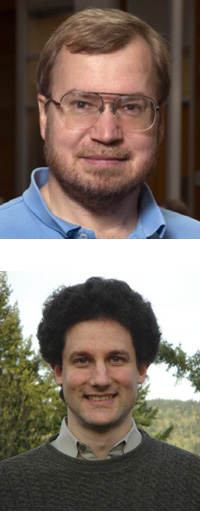 Tom Anderson, a 1991 UW CSE Ph.D. alumnus and a UW CSE faculty member since 1997, has been appointed to the Warren Francis and Wilma Kolm Bradley Endowed Chair in Computer Science & Engineering. Tom’s research concerns the practical issues in constructing robust, secure, and efficient computer systems. He is a “systems generalist” – he is attracted to the biggest problems he can find, regardless of area. Perhaps his greatest impact to date has been in the area of improving Internet availability. He has also done research in operating systems, distributed systems, software engineering, system security, file systems, computer architecture, and educational software; he is, by any measure, one of UW CSE’s truly extraordinary faculty members. The Bradley Chair, created (along with an endowed graduate fellowship) by UW CSE friend Wilma Kolm Bradley, was formerly held by David Notkin. Tom previously held the Robert E. Dinning Endowed Professorship in Computer Science & Engineering.
Steve Seitz, a UW CSE faculty member since 2000, has been appointed to the Robert E. Dinning Endowed Professorship in Computer Science & Engineering. Steve is a leading researcher in computer vision, best known in the research community for seminal contributions in three areas: 1) image-based rendering, 2) Internet photos and big data, and 3) 3D reconstruction. Steve’s work has reached the public through a number of remarkable systems on which he has collaborated, including Microsoft Photosynth, Picasa Face Movie, and Google Maps Photo Tours and mapsGL. The Robert E. Dinning Chair, created by UW CSE alumna Anne Dinning and her husband Michael Wolf and honoring Anne’s father, was formerly held by Tom Anderson. Steve previously held the Short-Dooley Career Development Professorship.
Congratulations to Tom and Steve, and many thanks to Wilma Bradley, Anne Dinning, and Michael Wolf. Read more →
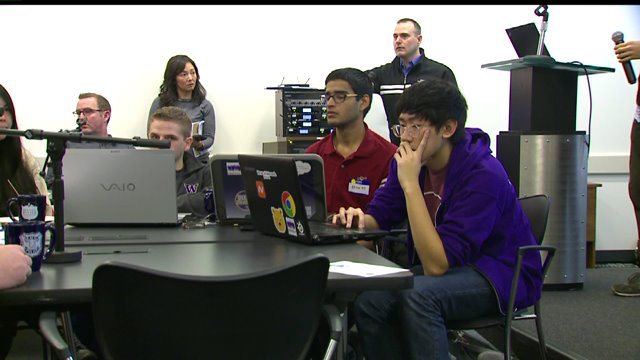 UW CSE students Kevin Li, Aaron Nech, and Kritin Vij are featured in a Q13 News video of today’s Seattle Police Department hackathon.
Check it out here. Read more →
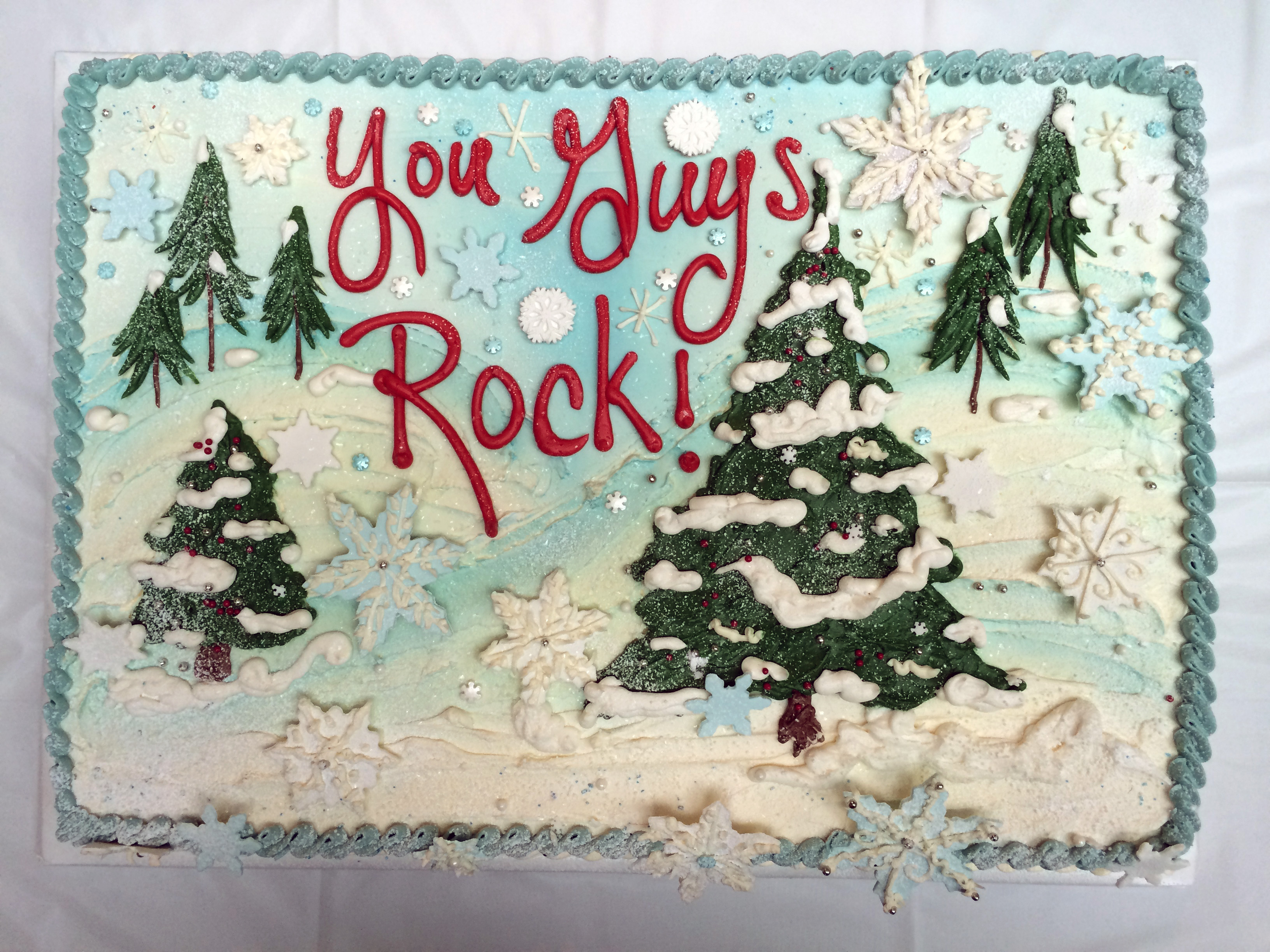
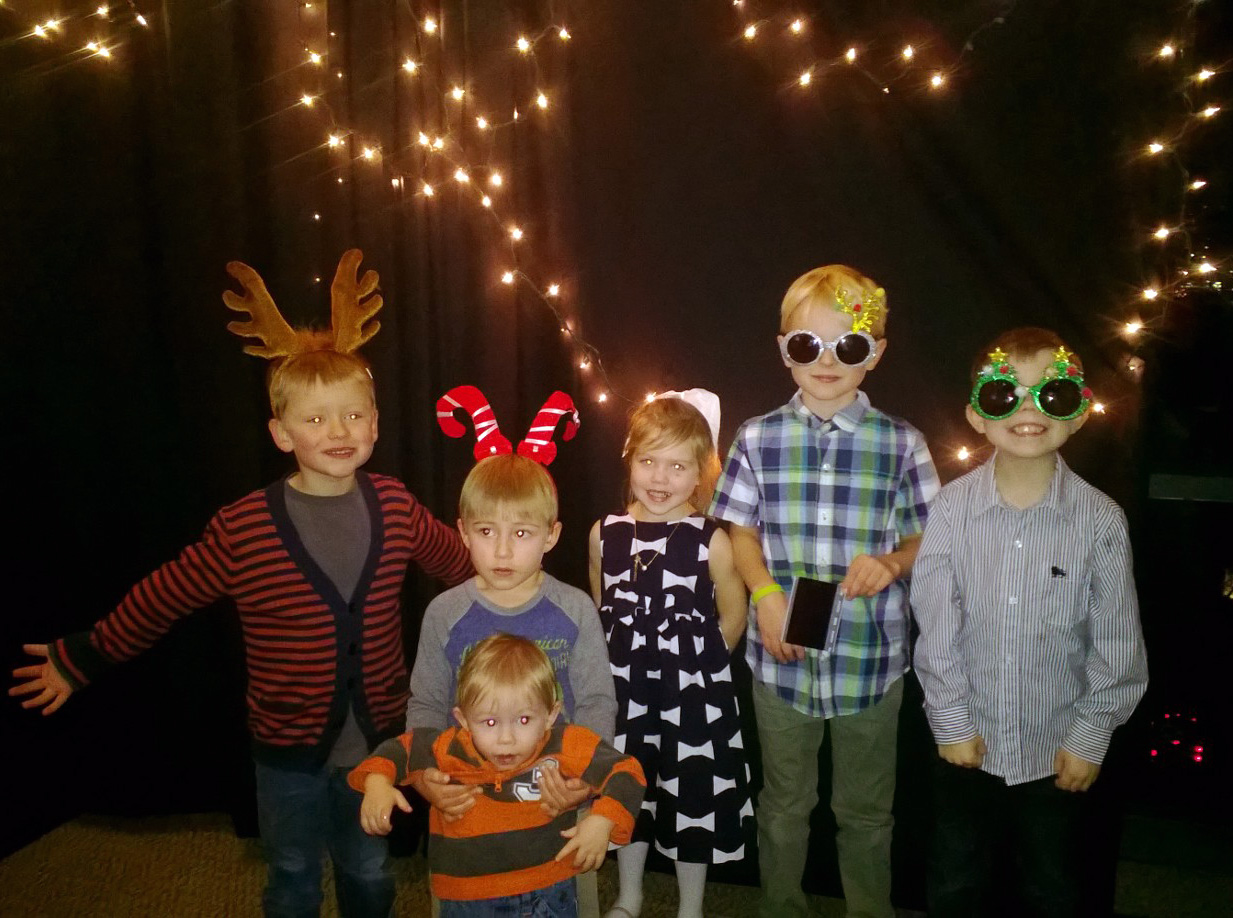 Tracy, Aaron, and Jason have done their part to ensure that robust student demand will continue. (At today’s UW CSE faculty/staff holiday event.) Read more →
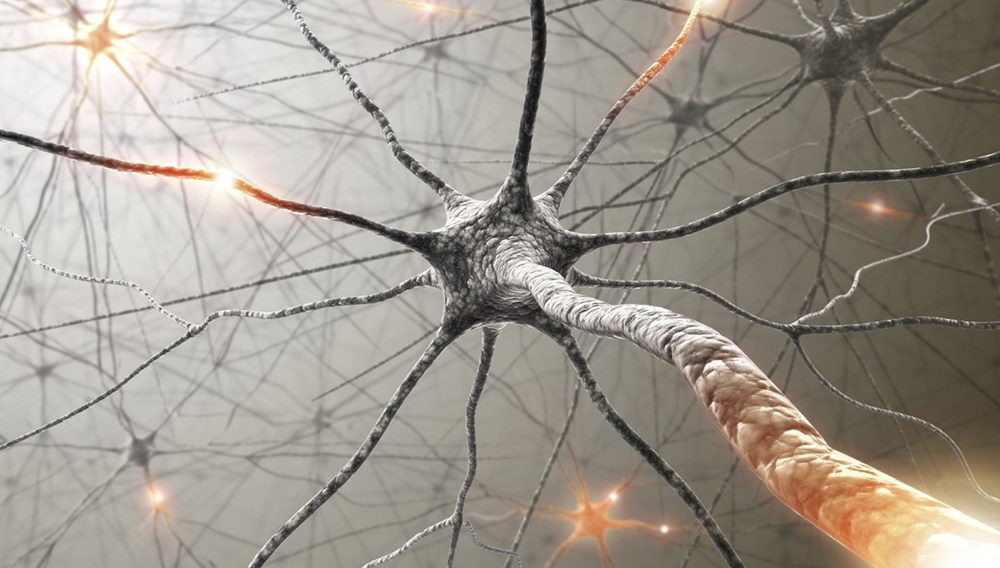 One year ago today, GSK – one of the world’s leading research-based pharmaceutical and healthcare companies – announced its Bioelectronics Innovation Challenge: a $1 million prize to the first team to generate a small, implantable, wireless device that can record, stimulate and block functionally-specific neural signals to and from a specific visceral organ in functional models.
In September, GSK created a $5 million Innovation Challenge Fund for teams to apply for support in their efforts to solving the challenge. After a rigorous review of 25 applications from across the globe, the GSK Bioelectronics R&D team has selected 10 teams to receive support from the Innovation Challenge Fund – including a UW-led team consisting of Josh Smith (UW CSE + EE), Bing Brunton (UW Biology + eScience Institute), Greg Horwitz (UW Physiology & Biophysics), Chet Moritz (Team Lead; UW Physiology & Biophysics + Rehabilitation Medicine), and Polina Anikeeva (MIT).
Read more here. Read more →
 GeekWire reports:
“Skytap is flying high.
“The Seattle cloud computing startup today is announcing that it has raised $35 million in new funding in a deal led by Insight Venture Partners, with participation from OpenView Venture Partners, Ignition Partners, Madrona Venture Group, and the Washington Research Foundation.
“Used by companies such as Boeing, IBM and Cushman & Wakefield, Skytap helps customer build and test software more quickly. Skytap dubs this ‘environment-as-a-service.'”
Read more here.
TechCrunch report here. Read more →
A real tear-jerker from the UCSD CSE holiday party, featuring UW CSE professor Zach Tatlock finally turning in his Ph.D. thesis to his UCSD advisor (and UW CSE Ph.D. alum) Sorin Lerner.
Watch it here.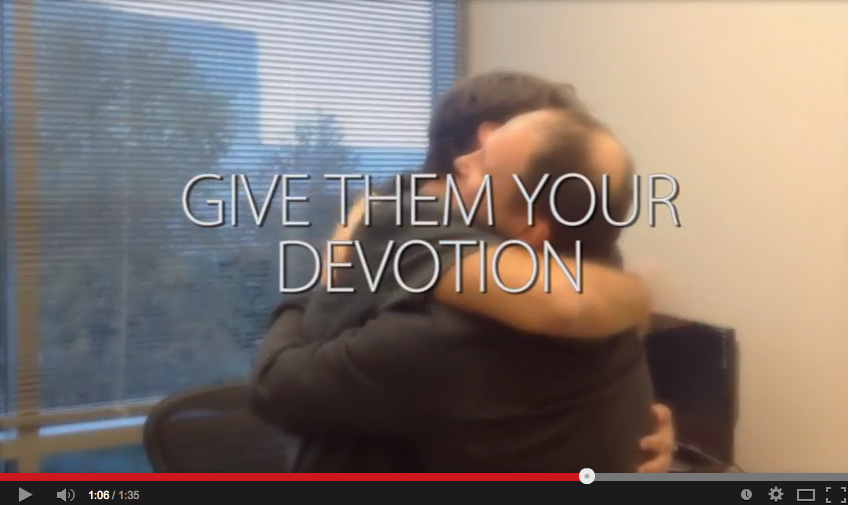 Read more →
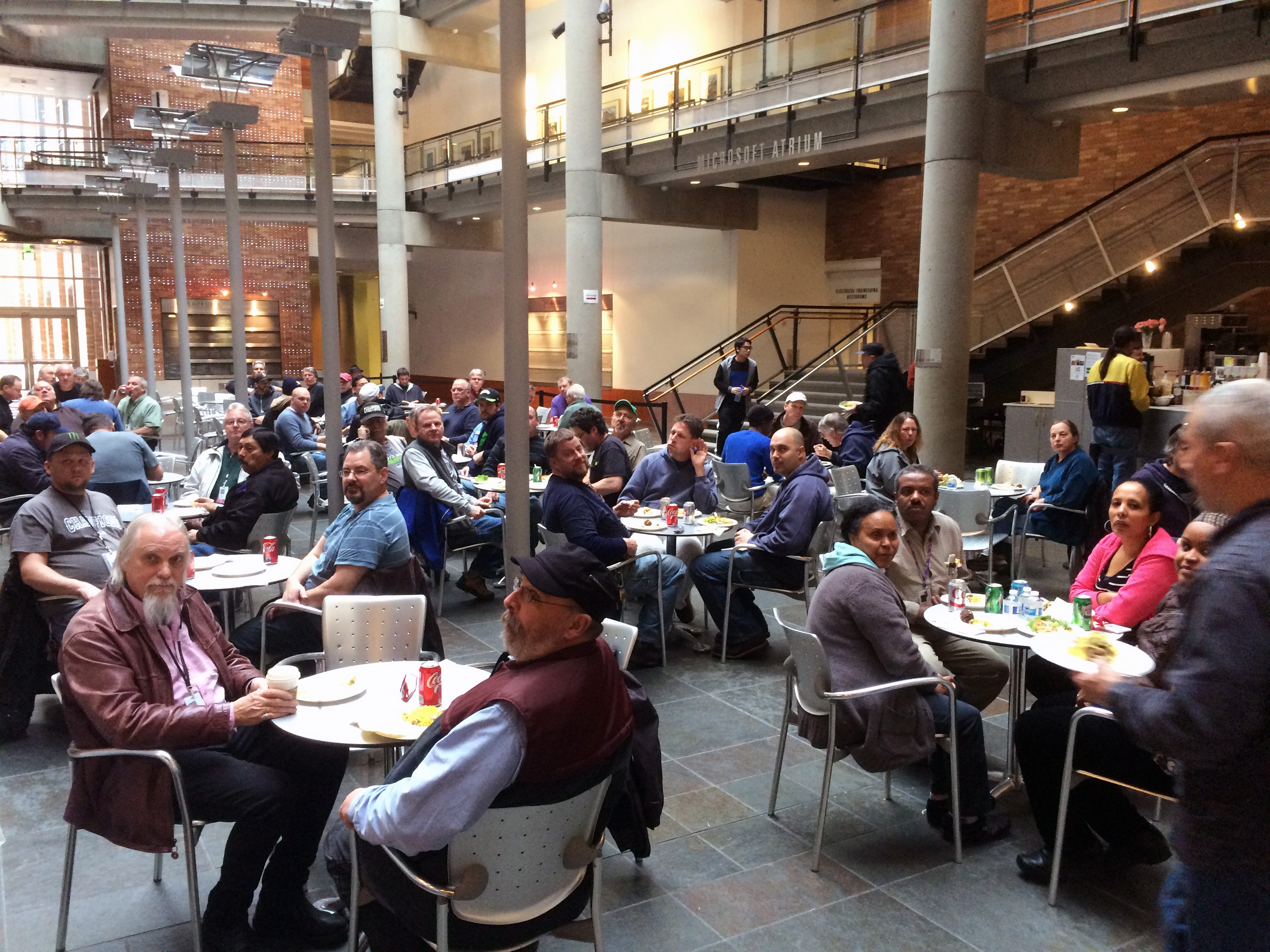
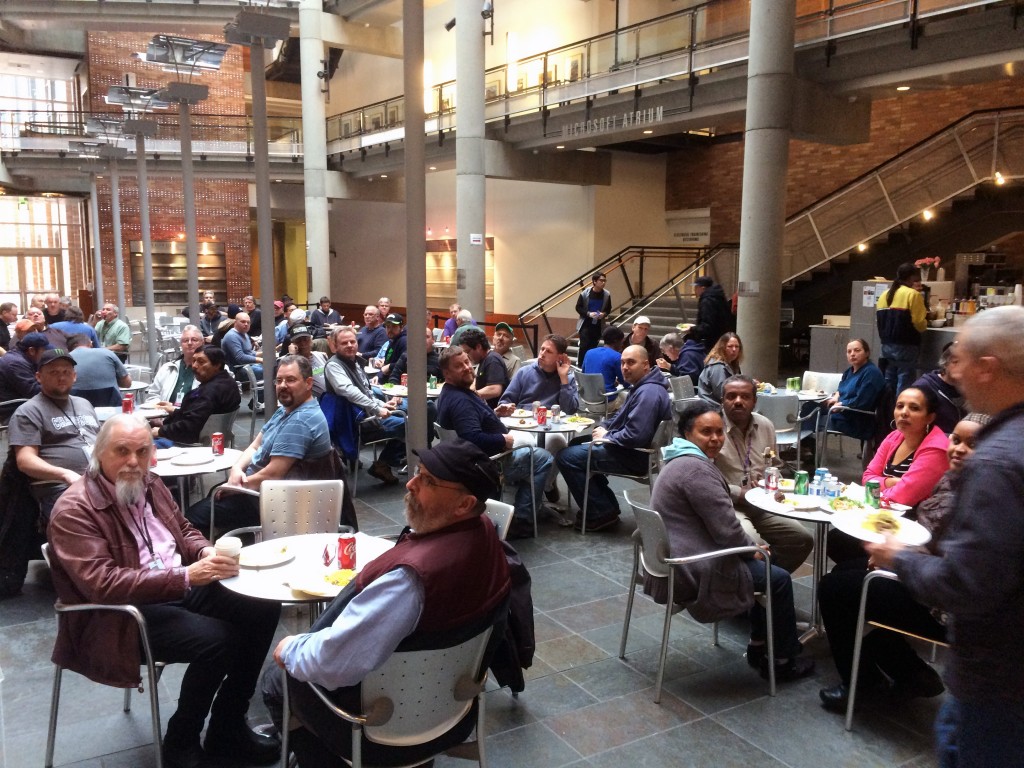
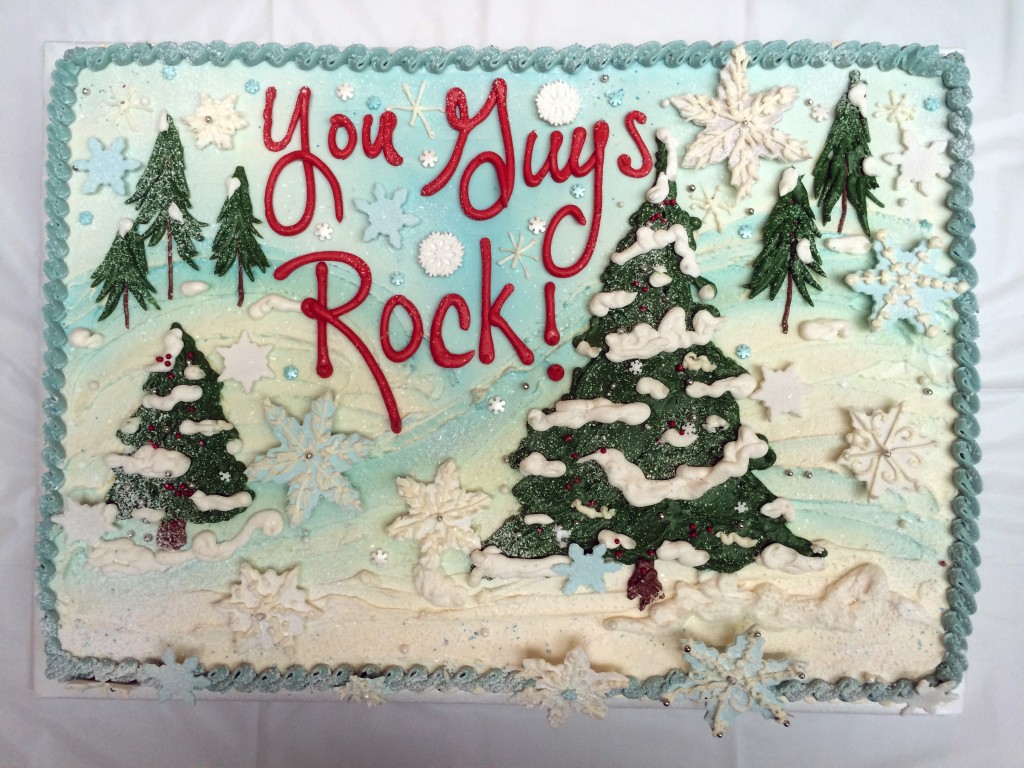 It’s the men and women of UW Facilities Services who keep the Paul G. Allen Center for Computer Science & Engineering looking great and working great. 75 of them turned out for our annual holiday “Shops Appreciation Luncheon.” Many thanks to all the great folks at UW Facilities Services who make it possible for those of us in CSE to focus on the computer science!
Read more →
 ZDNet interviews 2007 UW CSE alum and Mesos co-creator Ben Hindman:
“Cluster manager Apache Mesos has already secured a serious role at high-profile users such as Twitter, Airbnb, HubSpot, Groupon, eBay and OpenTable. On top of that, startup Mesosphere this month announced an ambitious datacenter operating system based on the software …
Benjamin Hindman, who left Twitter in September to become Mesosphere’s chief architect, is the co-creator of Mesos. The cluster manager emerged from his collaboration with peers in the AMPLab at UC Berkeley while he was working on parallel computing.
“‘What we were trying to do is figure out a better way to run things like Hadoop on our clusters. We had a couple of specific goals: we wanted to run multiple Hadoops at the same time and we wanted to run other things – Hadoop and, say, MPI [Message Passing Interface] – all on the same cluster resources,’ Hindman said.”
It’s a great interview. Read more here. Read more →
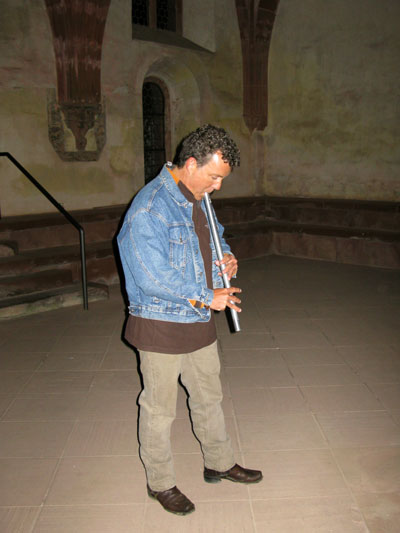
Scott Ritchie plays the low D whistle in the basilica of Kloster Eberbach
Scott Ritchie received his bachelors from UW CSE in 1983 – the same year his father Bob, one of the founders of the department, stepped down as chair. He attended grad school at Berkeley, worked for Sun and elsewhere, and is now teaching iOS bootcamps at Big Nerd Ranch. We ran across a really wonderful testimonial from a student:
“My first Big Nerd Ranch course was the Beginning iOS bootcamp, taught by the excellent Scott Ritchie at the former European training location at Kloster Eberbach in Germany. I’d been to training courses before, but everything about the experience exceeded my expectations. For one, the location was superb – a medieval monastery with beautiful grounds for the daily post-lunch walk. But it was the class itself that blew me away. Scott really knew his stuff, explaining complex issues in an understandable way, and then explaining why things work the way they do. Better still, I’ve never seen a teacher handle questions from the class the way he did. Often, it doesn’t take too deep a discussion before a teacher reveals how thin his or her knowledge actually is. Scott knocked every pitch out of the park, all week long.”
Read more here. Read more →