Kurtis Heimerl recognized with College of Engineering Diamond Award for Early Career Achievement

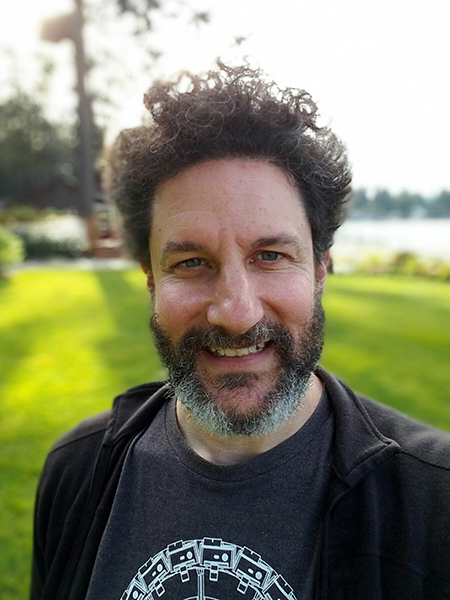
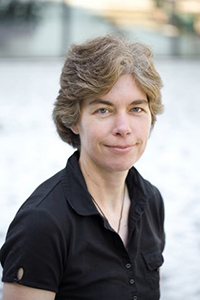
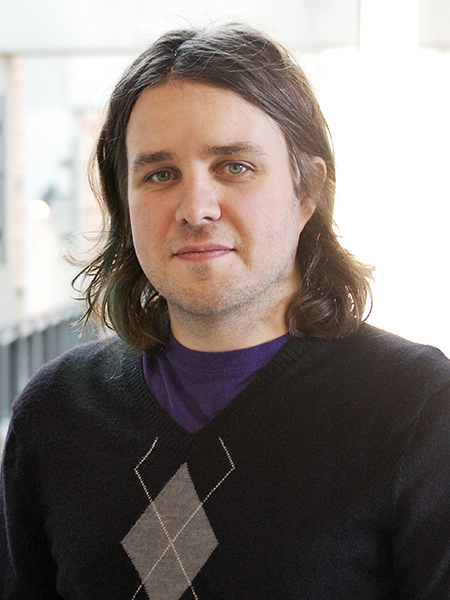
Kurtis HeimerlAllen School professor and undergraduate alumnus Kurtis Heimerl (B.S., ’07) has been recognized with a 2018 Diamond Award from the University of Washington’s College of Engineering. Each year, the Diamond Awards recognizes alumni and friends of the college who have made significant contributions to the field of engineering. The college is honoring Heimerl with its Early Career Achievement Award, which is given each year to an outstanding graduate of the college who has made exceptional professional contributions through research, teaching or service within the first 10 years of their career.

Heimerl is a member of the Allen School’s Information & Communication Technology for Development ICTD) Lab, which focuses on improving the lives of underserved populations in low-income communities through technology. He is particularly interested in harnessing the potential for technology to alleviate poverty by bringing mobile internet access to people in some of the most remote regions on earth.

“Growing up in Alaska, I developed a deep understanding and appreciation of rural life and the difficulties of connectivity in these environments. This background, in areas where people are forced to improvise and resolve their local issues, has always informed my research,” Heimerl explained. “I’m happy and grateful that UW was there to foster my technical skills as a student and now continues to support my work to empower people and communities to own their infrastructure.”

That work began in earnest during his time as a Ph.D. student at the University of California, Berkeley working with professors Eric Brewer and Tapan Parikh (Ph.D., ’07). There, Heimerl became known for his efforts to develop community-based cellular networks. These small-scale networks, which he designed to be locally owned and operated, brought the benefits of cellular connectivity to people in resource-constrained areas that previously lacked coverage. Heimerl founded the startup Endaga, Inc. to commercialize his “cell network in a box,” deploying the technology in rural Pakistan, Indonesia, the Philippines, and other areas without existing wireless infrastructure.
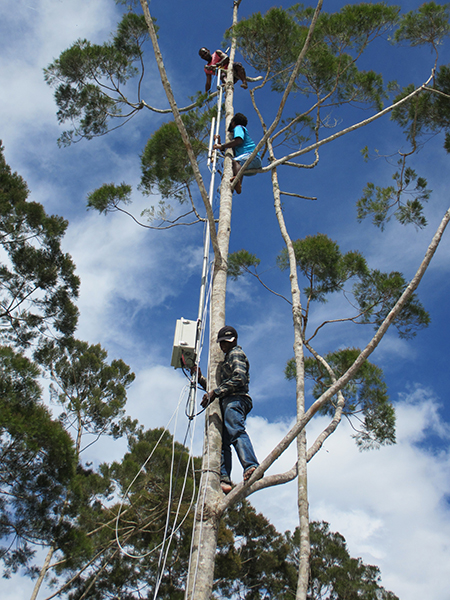
Men attaching a community cellular box to a tree“Cellular communication has revolutionized the way people communicate and connect to essential services, and the benefits are particularly important for people in developing countries,” noted Allen School professor Richard Anderson. “But cell towers are expensive, and if the ‘economic density’ is too low, telecommunication companies won’t invest in connecting those communities. So what can be done to connect the billion people who are still outside of cellular coverage? That’s where Kurtis comes in, developing a ‘local cellular’ technology to address this inequality and bring the benefits of connectivity to more people around the globe.”

In 2014, Heimerl’s efforts earned him the notice of MIT Technology Review, which recognized his contributions with a TR35 Humanitarian Award. Endaga raised $1.2 million in seed funding before eventually joining forces with Facebook in 2015, which gave Heimerl the opportunity to continue his work as a visiting scientist focused on the company’s rural access initiatives. The following year, he joined the UW faculty, where he continues his focus on increasing connectivity and improving economic opportunity for people living in underserved areas.

Most recently, Heimerl and his colleagues began investigating the increasing adoption of smartphones in rural areas that currently lack the bandwidth to support many of the features that are built into those devices. By developing a better understanding of subscribers’ behavior and motivation, the team aims to provide useful guidance for the deployment of new or upgraded cellular infrastructure to support the preferences of people living in these communities.

“Kurtis combines a thorough knowledge of computer systems and infrastructure with creativity and a strong commitment to a set of social values. This allows him to identify and work on research problems that can have a deep and lasting impact on society,” observed Parikh, now a faculty member at Cornell Tech. “Kurtis has frequently challenged my ideas and perspective, and often he has been right. He is also willing to listen and adapt, which is a testament to his maturity as a researcher and the personal ideals for which he works.”

Heimerl and his fellow Diamond Awards honorees will be formally recognized at a gala hosted by the college on May 10th. He joins a distinguished list of past Allen School recipients, including recent Early Career Achievement winners Ben Hindman, founder of Mesosphere (2016), big data pioneer Christophe Bisciglia (2015), LiveJournal creator Brad Fitzpatrick (2014), and consumer technology leader Greg Badros (2012); Distinguished Service winners Yaw Anokwa, one of the creators of Open Data Kit (2015), and Washington FIRST Robotics volunteer Kevin Ross (2013); and Anne Condon, professor at University of British Columbia, who was recognized for Distinguished Achievement in Academia (2012).

Read more about the 2018 Diamond Award recipients here.

Congratulations, Kurtis!
  Read more →

Balancing a research career and chronic illness: Jennifer Mankoff’s personal journey to professional success

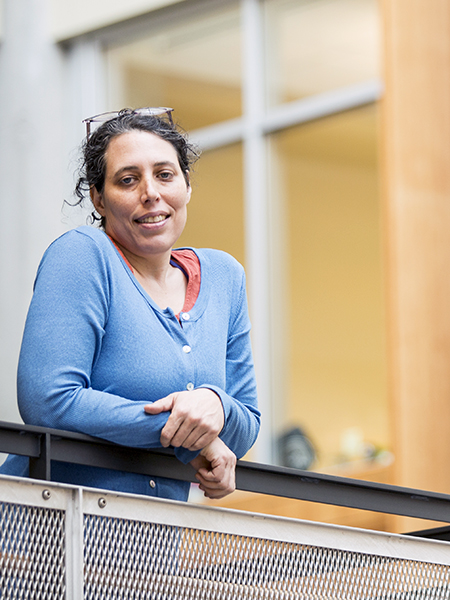
Jennifer Mankoff in the Allen Center atriumAllen School professor Jennifer Mankoff is an award-winning researcher in human-computer interaction and accessibility. But her road to a successful academic research career was bumpier than most promising young faculty. In addition to navigating the demands of teaching and research while raising a young family — she and spouse Anind Dey, the new Dean of the University of Washington’s Information School, have two children — she had another obstacle to overcome: her health.

According to the U.S. Centers for Disease Control and Prevention, roughly half of all adults in the United States have one or more chronic illnesses — some of which may be “invisible” to others yet are no less debilitating. A little over a decade ago, Mankoff was diagnosed with Lyme disease, a tick-borne illness that is tricky to diagnose and just as tricky to manage, with symptoms that over time ranged from extreme fatigue, to loss of hearing, memory, and fine motor control. She recently spoke with Nature as part of the journal’s in-depth look at how scientists balance the demands of research with long-term illness. It’s a topic that has received very little attention — a situation Mankoff and the other featured researchers hope to rectify by speaking out about their experiences.

As the article makes clear, chronic illness takes a heavy emotional as well as physical toll. Although Mankoff continued doing those things that define success in academic research circles — writing grants, publishing research, and earning tenure — her battle with Lyme cause her to question who she is and what she is capable of.

“My image of who I could or should be didn’t match up with reality in terms of my productivity,” she explained.

For Mankoff and the others who went on the record for the story, finding their way often means finding a way around the limitations brought on by their condition. Mankoff says she “long ago learned that one aspect of managing a chronic illness is accepting the ‘disability’ label and working within that structure to make things easier.”

For example, she requests a classroom near her office so she does not have to contend with a long trek across campus on days when her Lyme-induced fatigue is particularly acute. She also has become adept at prioritizing tasks and at breaking down large tasks into smaller ones, both of which help her to take full advantage of times when her illness takes a back seat.

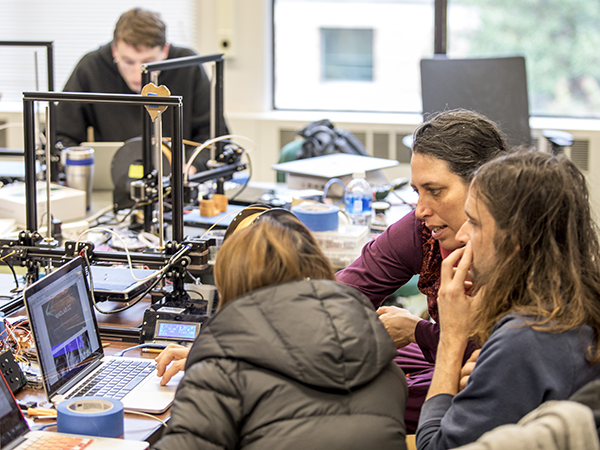
Jennifer Mankoff works with students in her 3D printing classMankoff, who arrived at the Allen School last fall after 12 years on the faculty of Carnegie Mellon University, in part credits her colleagues’ support for enabling her to carve out a career that works for her.

“I’ve been lucky to receive a tremendous amount of positive support from the faculty at CMU and again at UW during my interview and since I arrived,” Mankoff told the Allen School News. “Equally important was the support I received at home from my family. That said, negotiating something like this is a personal process, and one for which there are no easy answers.”

Mankoff points out that the lines between work and personal life can get blurred. From her perspective, that is not a bad thing — in fact, she says, it has made her a better researcher. It also opened up new avenues of inquiry that she may not have considered otherwise, including the impact of chronic disease on quality of life, the development of tools for managing chronic illness and physical therapy, and predictors of trust in health care content based on whether it was produced by practitioners or peers.

“Life outside work sometimes – often – impacts work, and for me it has never made sense to keep them separate,” she explained. “My research is often inspired and driven by my personal experiences, and that in turn helped my motivation to get through this.”

Speaking of motivation, Mankoff believes it is important to talk about her journey to give hope and support to others who find themselves in a similar position. While in Pittsburgh, she blogged about Lyme disease and helped to organize local support group efforts. She also has taken on a prominent role in the academic community leading an accessibility group that advocates for access to conferences and online materials.

Although going public can be scary, Mankoff says she does it because, “If my story, or any of the other information in this well researched article, can help someone, then I hope it reaches them.”

Read the full Nature article here and learn more at Chronically Academic, a support network for people with chronic illnesses working in academia.

  Read more →

Allen School junior Christine Betts champions creativity and diversity as GeekWire’s “Geek of the Week”

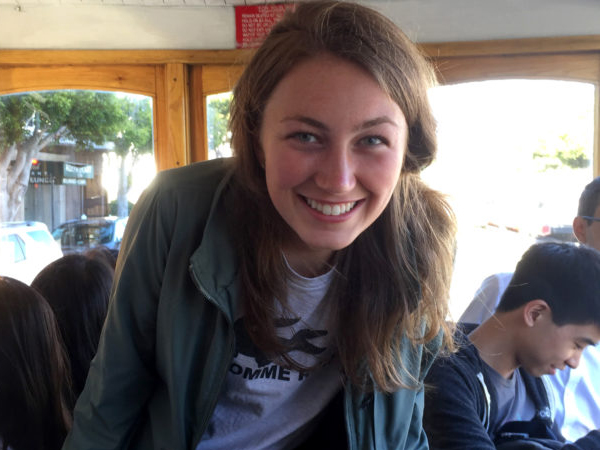
Christine BettsChristine Betts, a computer science major who earlier this week received the inaugural Allen Institute for Artificial Intelligence (AI2) Outstanding Software Engineer Scholarship for underrepresented groups, is profiled in GeekWire’s latest “Geek of the Week” feature.

Betts, who hails from Kansas City, Missouri, is an active contributor to the Allen School community, serving as a teaching assistant for our popular introductory programming courses and engaging in undergraduate research in the Molecular Information Systems Lab. In talking about her chosen field, she likes to point out that programming is inherently a creative endeavor — and that people don’t necessarily have to be the “STEM type” to be good at it. She is especially eager to engage more young people from underrepresented groups in computer science.

“Now that I’ve started programming, I can’t imagine doing anything else in a career, but more broadly I’m motivated by the voices I hope to lift up in whatever capacity I can,” Betts told GeekWire. “There are so many perspectives that aren’t being heard because of how poorly the field as a whole reflects the larger population, which is why in the future, no matter what I do, I hope to mentor and lift up young women.”

Betts knows first-hand how uplifting such support can be as one of the TUNE Scholars, a program that supports undergraduate women pursuing computer science and other tech-focused degrees at the University of Washington with housing, mentorship, and networking opportunities.

“I find inspiration in all of the young women I’ve gotten to work with, the awesome, hard-working and motivated women I get to live with as a TUNE Scholar, and in thinking about how much I have to be grateful for.”

Read the full article here, and check out profiles of recent Allen School “Geeks of the Week” Alex Mariakakis, Ira Kemelmacher-Shlizerman, Shyam Gollakota, and 2017 “Geek of the Year” Ed Lazowska.

  Read more →

Vikram Iyer wins 2018 Microsoft Research Ph.D. Fellowship

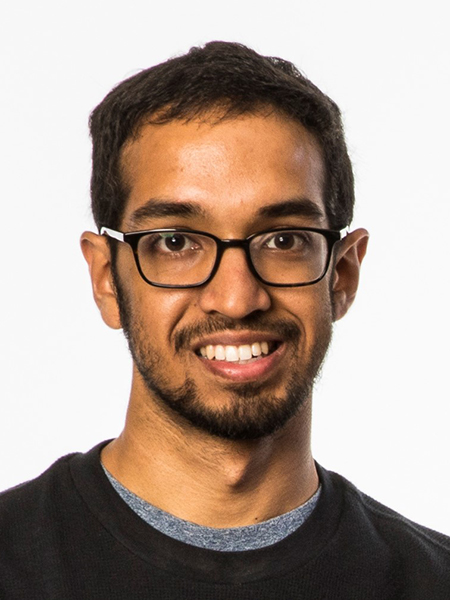
Vikram IyerVikram Iyer, a Ph.D. student in Electrical Engineering who works with professor Shyam Gollakota in the Allen School’s Networks & Mobile Systems Lab, has earned a prestigious Microsoft Research Ph.D. Fellowship. He is one of only 10 graduate students from across North America to be selected as a member of the class of 2018 fellows.

The Microsoft Research Ph.D. Fellowship program is designed to promote the careers of promising student researchers in computer science, electrical engineering, mathematics, and related fields. For the class of 2018 fellows, the company specifically sought applicants in two key areas of interest: systems and networking, and artificial intelligence. Iyer has already made significant contributions to the former through his work on wireless power, communication, and localization.

In one recent, high-profile example, printed Wi-Fi, Iyer and his colleagues demonstrated how to create smart objects made entirely out of 3D printed plastic parts. To enable the objects to communicate over Wi-Fi without the need for batteries, the team relied on an ingenious combination of old and new techniques. They harvested power from the physical action of gears, coil springs, and other components — not unlike how a mechanical watch keeps time — and leveraged the lab’s pioneering work on backscatter, a method of wireless communication in which devices reflect ambient radio frequency signals that can be decoded by a Wi-Fi receiver.

Backscatter formed the basis of Iyer’s work on another project, interscatter, that enables implantable and other devices to communicate with smartphones and smartwatches by converting Bluetooth transmissions into Wi-Fi and Zigbee-compatible signals. Iyer and his colleagues built several prototypes to demonstrate the technology’s potential, including the first smart contact lens that can monitor and transmit information on the wearer’s medical condition and an implantable neural recording interface. The team, which included Allen School and EE professor Josh Smith of the Sensor Systems Lab, earned the Best Paper Award at SIGCOMM 2016, the annual flagship conference of the Association for Computing Machinery’s Special Interest Group on Data Communication.

In addition to unlocking new applications in battery-free communication, Iyer helped demonstrate that wireless signals can literally unlock a door through on-body transmissions. In this project, Iyer and his colleagues developed a way to securely transmit passwords via the human body using low-frequency signals generated by fingerprint sensors and touchpads on mobile devices. The technology has the potential to do more than open doors; it would also make it easier to link a medical device such as a glucose monitor or insulin pump with a smartphone by eliminating the need to manually type complicated serial numbers or passwords. Other projects that illustrate the range and impact of Iyer’s contributions include FM backscatter, which introduces connectivity to everyday objects using FM radio signals to enable smart fabrics and smart cities applications, and FingerIO, a system for fine-grained finger tracking on mobile devices using sonar that earned an Honorable Mention at CHI 2016, the ACM’s flagship conference on human-computer interaction.

“These are incredibly talented students, the top students from North America,” said Microsoft Principal Researcher and Research Manager Bill Dolan, director of the fellowship program, in a blog post announcing the class of 2018. “We really do want to promote the careers of these great students. It is good for all of us.”

The Microsoft Ph.D. Fellowship provides tuition support, an annual stipend, and funding to cover attendance at professional conferences and seminars. Fellows also have an opportunity to pursue an internship with Microsoft researchers in their field of study. The company has a history of supporting students engaged in leading-edge research at the Allen School, including past fellowship winners Kira Goldner (2017) in theory of computation; Lilian de Greef (2015), Mayank Goel (2014), and Gabe Cohn (2012) in ubiquitous computing; Irene Zhang in computer systems (2015); Yoav Artzi (2014) in natural language processing, and Franziska Roesner (2012) in security and privacy.

Read the Microsoft Research announcement here and learn more about the 2018 fellows here.

Congratulations, Vikram!

  Read more →

Allen School launches UW Reality Lab to advance augmented and virtual reality research

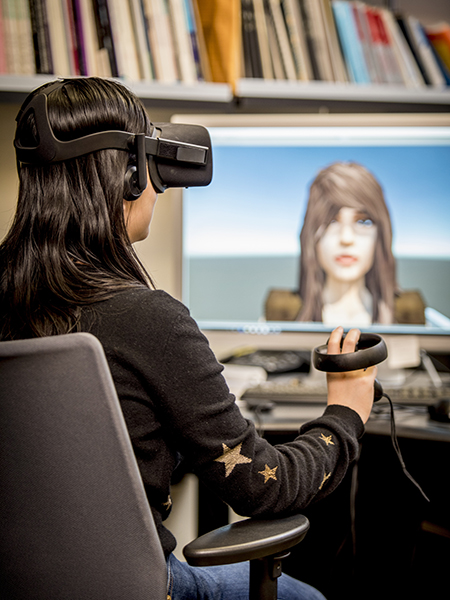
Student working with VR headset on a telepresence applicationThe Allen School has partnered with leading technology companies to create a new academic research center aimed at advancing the state of the art in augmented and virtual reality. The UW Reality Lab, which launched today with $6 million in funding provided by Facebook, Google, and Huawei, will focus on the pursuit of leading-edge research and educating the next generation of innovators in this burgeoning field. The center will build upon the Allen School’s established leadership in computer vision and graphics, object recognition, game science, computer architecture, privacy and security, and more. It will also pave the way for new academic and industry collaborations in a region known as a hub of AR and VR innovation.

The UW Reality Lab will be co-led by Allen School professors Brian Curless, Ira Kemelmacher-Shlizerman, and Steve Seitz. According to Seitz, who serves as chair of the new center and divides his time between the Allen School and Google, academic researchers are uniquely positioned to advance AR and VR by tackling the fundamental research problems that will underpin this growing field.

“We’re seeing some really compelling and high quality AR and VR experiences being built today,” Seitz said in a UW News release. “But there are still many core research advances needed to move the industry forward — tools for easily creating content, infrastructure solutions for streaming 3D video, and privacy and security safeguards.”

Seitz and his colleagues were inspired to create the center in part by their experience in launching the Allen School’s first virtual and augmented reality capstone course. Students in the course worked together in teams to produce new AR applications using the latest devices. Projects ranged from original games, to how-to programs for music and cooking, to art and industrial design tools.

Brian Curless, Ira Kemelmacher-Shlizerman, and Steve Seitz

The UW Reality Lab leadership team, left to right: Brian Curless, Ira Kemelmacher-Shlizerman, and Steve Seitz

Kemelmacher-Shlizerman, the new center’s director of research and education, said the faculty quickly recognized an opportunity to expand beyond the capstone course to accelerate new developments in the field.

“This opened our eyes to the potential of investing deeper in development of algorithms and applications for AR and VR,” observed Kemelmacher-Shlizerman, who splits her time between the Allen School and Facebook. “We realized there were so many cool things we could do if only we had more resources, more time and more devices.”

The team will have all three thanks to a partnership with Facebook, Google, and Huawei. The funding will be used to develop new courses and provide the infrastructure and access to emerging technologies that will enable UW researchers and students to develop and test new ideas and applications. The companies are also contributing time and expertise to the UW Reality Lab’s advisory board, a group of leaders drawn from across the AR/VR community who will assist the center in remaining at the forefront of new developments in the field.

As director of the new center, Curless is enthusiastic about the opportunity to help shape the future of AR and VR. “It’s big, it’s happening now and there’s a lot of research to be done,” he said. “We’re thrilled to take a leading role in making it all happen.”

Visit the UW Reality Lab website and read the UW News release to learn more, and see coverage in The Seattle TimesGeekWire, Xconomy, and the Puget Sound Business Journal.

Read more →

UW researchers “MERGE” machine learning and medicine to enable targeted treatment of cancer

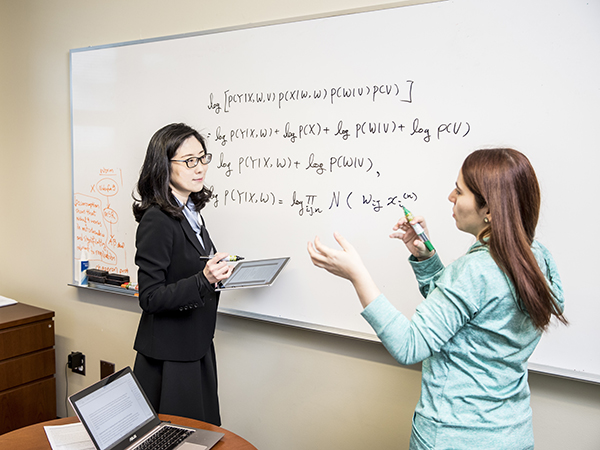
Su-In Lee and Safiye Celik discuss the MERGE formula written on a whiteboard

Allen School and Genome Sciences professor Su-In Lee, left, and Allen School Ph.D. student Safiye Celik discuss the key formula for their MERGE algorithm to match patients with cancer drugs based on their molecular profiles. Credit: Dennis Wise

In the latest example of computing’s potential to transform health care, a team of researchers at the Allen School, UW Department of Genome Sciences, and UW Medicine is applying a combination of machine learning and big data to improve outcomes for cancer patients. The team’s approach, detailed in a new paper published in the journal Nature Communications, helps physicians deliver targeted treatment to patients based on their individual molecular profiles.

Allen School and Genome Sciences professor Su-In Lee, first and corresponding author, and Allen School Ph.D. candidate Safiye Celik, co-first author, have developed a new machine learning algorithm called MERGE to identify reliable biomarkers of therapeutic response to 160 anti-cancer drugs in cases of acute myeloid leukemia (AML) — an aggressive form of cancer of the blood and bone marrow cells that is predominantly found in older adults — in collaboration with UW Hematology and Institute for Stem Cell & Regenerative Medicine professors Pamela S. Becker and C. Anthony Blau. MERGE “recycles” publicly available genomic data from many AML patients and biological knowledge databases to find the best drugs for AML patients and opens promising avenues to improve patient care for many other diseases in the era of precision medicine.

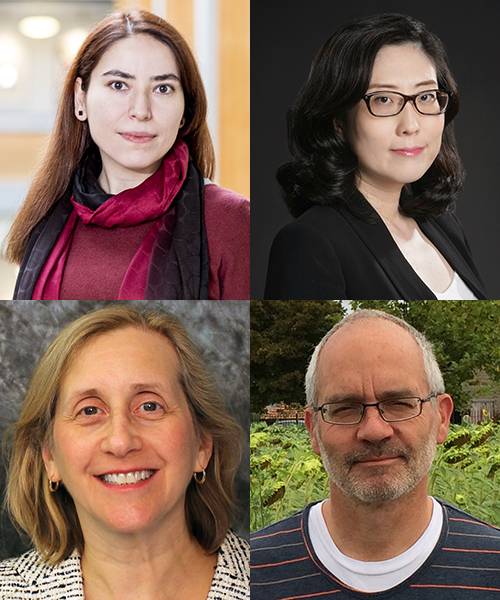
Safiye Celik, Su-In Lee, C. Anthony Blau, and Pamela Becker

Clockwise from top left: Safiye Celik, Su-In Lee, C. Anthony Blau, and Pamela S. Becker

MERGE — short for “Mutation, Expression hubs, known Regulators, Genomic CNV, and mEthylation” — is a novel computational approach for prioritizing genes based on their relevance as drivers of disease progression and observed drug response. The system models a weighted combination of these features to learn each gene’s MERGE score, which indicates its potential reliability as a biomarker for drug sensitivity. Celik trained MERGE using publicly available AML data and gene annotation databases, along with gene expression data from 30 patients diagnosed with AML and their in vitro sensitivity data for 160 approved or experimental chemotherapy drugs. She then tested its performance against that of four existing methods for predicting patient drug response: correlation-based methods, ElasticNet, multi-task learning, and Bayesian multi-task multiple kernel learning (MKL).

Not only did MERGE outperform the current state of the art in its ability to accurately identify reliable biomarkers for drug response, but it discovered new gene-drug associations that those other methods failed to identify; these novel associations were validated in a biological laboratory. These findings are clinically important because they involve the drugs included in nearly all upfront AML treatment regimens today — mitoxantrone and etoposide.

“We ranked the top eight genes that were likely to be biologically significant for leukemia in several major drug classes,” explained Celik. “For five of those genes, MERGE was the only system capable of identifying their role in predicting treatment response and patient sensitivity to certain drugs — a significant improvement over existing approaches.”

One of those genes is the SMARCA4 gene expression, which the researchers determined and experimentally validated to be a sensitivity marker for a class of chemotherapy drugs known as topoisomerase II inhibitors. The MERGE analysis revealed that cell lines genetically engineered to show high SMARCA4 expression exhibit dramatically higher sensitivity to such drugs — making them excellent candidates for treating AML patients with high SMARCA4 expression.

“Drug development is an expensive and challenging process, and cancers that appear pathologically similar can respond to the same drug regimen in different ways,” noted Lee. “There are more than 1,200 potential cancer medicines in development in the United States alone. We need better methods for matching patients to the most effective treatment, and that has been our goal in developing MERGE.”

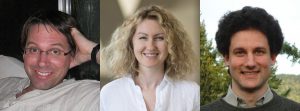
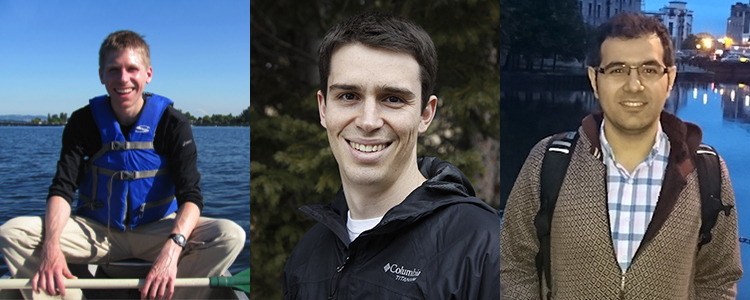
Lee Lab contributors, from left: Benjamin Logsdon, Scott Lundberg, and Javad Hosseini

In addition to Lee, Celik, Blau, and Becker, contributors to the project include former Lee Lab postdoc Benjamin A. Logsdon of Sage Bionetworks; Allen School Ph.D. student Scott Lundberg; former Allen School Ph.D. student Javad Hosseini; Timothy Martins of the Quellos High Throughput Screening Core at UW’s Institute for Stem Cell & Regenerative Medicine; Vivian Oehler and Elihu Estey of Fred Hutchinson Cancer Research Center and UW Medicine; and Chris Miller, Sylvia Chien, Jin Dai, and Akanksha Saxena of UW Medicine. This work was supported by the National Institutes of Health, National Science Foundation, American Cancer Society, Life Sciences Discovery Fund, and philanthropic funding from Norman Metcalfe.

Read the full paper here, and visit the MERGE website here. Read a related UW Medicine story here and The Huddle article here.

  Read more →

“Topping out” celebration for new Bill & Melinda Gates Center heralds next phase of Allen School expansion and impact

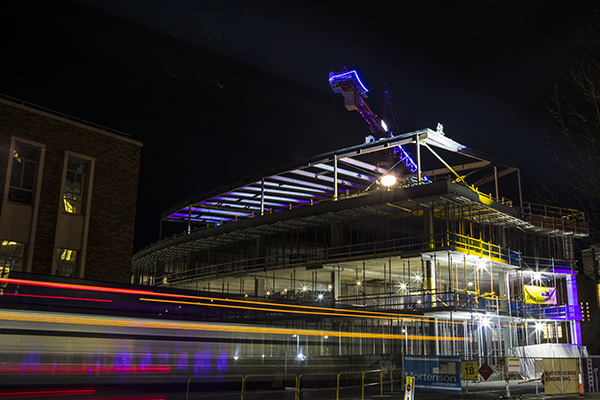
Shot of the Bill & Melinda Gates Center with final beam in place at nightNearly 300 members of the Allen School’s extended community gathered earlier this month to celebrate two exciting milestones for the new Bill & Melinda Gates Center for Computer Science & Engineering currently under construction across the street from the Paul G. Allen Center: the “topping out” of the steel structure, and the conclusion of fundraising for the project thanks to a $15 million gift from Bill and Melinda Gates. With this step completed, the Allen School is now able to shift the focus of its fundraising efforts from building bricks and mortar to building support for the students and faculty who will use the center as a springboard for creativity, innovation, and global impact.
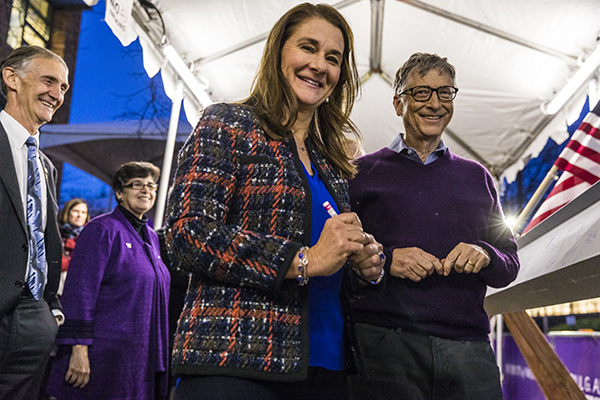
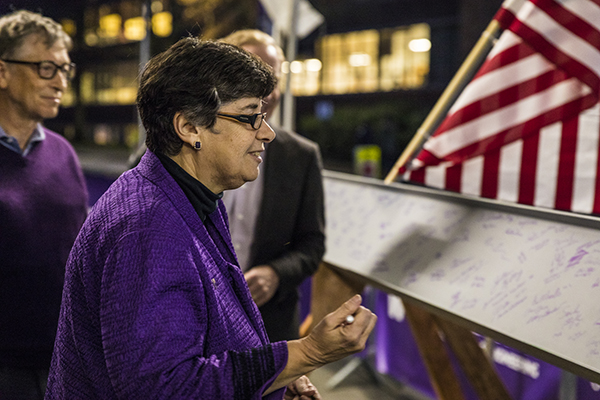
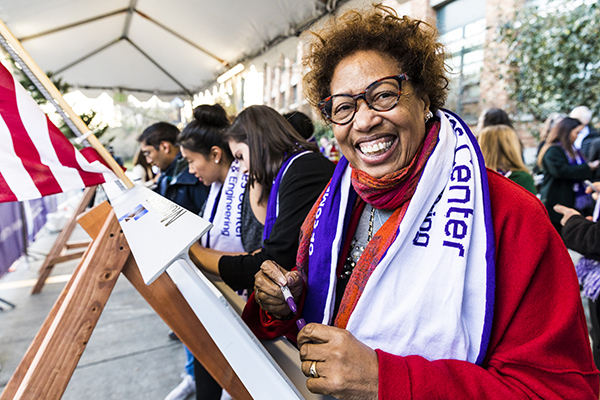
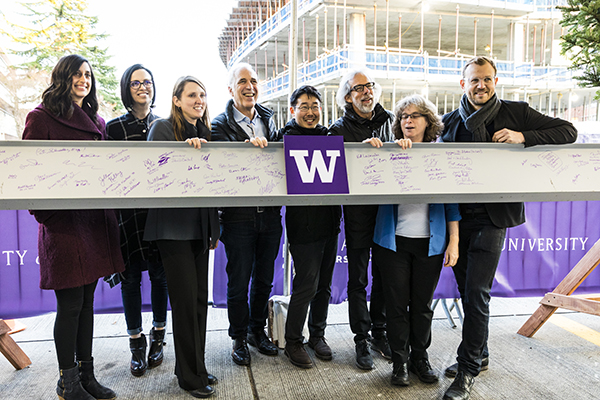
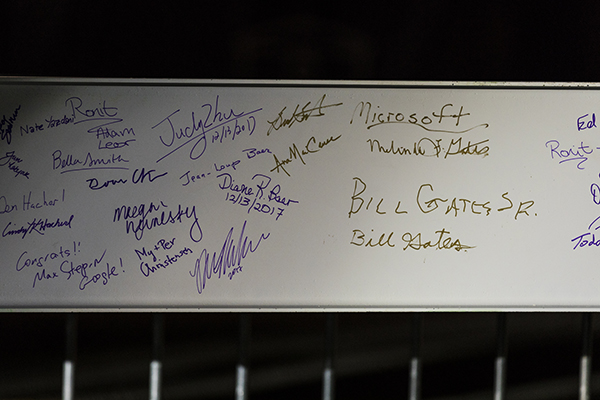
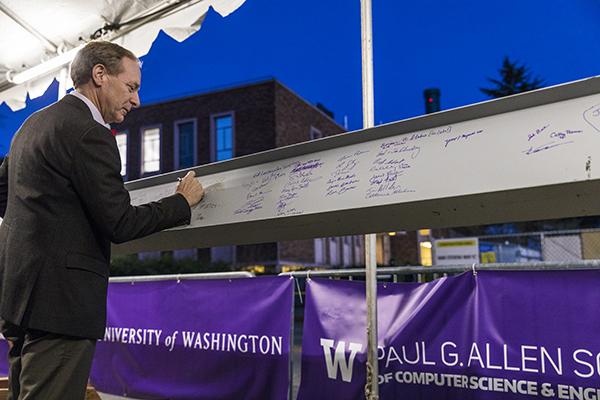
The topping out was marked by the ceremonial hoisting of the final steel beam, which faculty, staff, and supporters were invited to sign throughout the day. After adding their own signatures to the beam, the Gateses joined fellow special guests UW President Ana Mari Cauce and Microsoft President Brad Smith onstage.

Melinda and Bill Gates sign the beamMelinda Gates recounted for the audience the couple’s surprise and delight when, in the midst of discussing making a building gift of their own, they discovered that more than two dozen of their longtime friends and colleagues had banded together with Microsoft to provide a naming gift in their honor.
“That was a really, really special day for us, and we really appreciated that,” she said. “We couldn’t be more proud to have our names on the building.

“Sometimes, when you agree to a gift, you have to push people in a certain direction,” she continued. “This is a case where because of the work that Ed Lazowska has done and Hank Levy to make sure there are multiple and many pathways for young women and minorities into computer science, we don’t have to do anything except be along for the ride.”

Bill Gates recalled the early days of Microsoft, back when the company numbered 15 employees, and how his hopes for the company and for UW were intertwined.

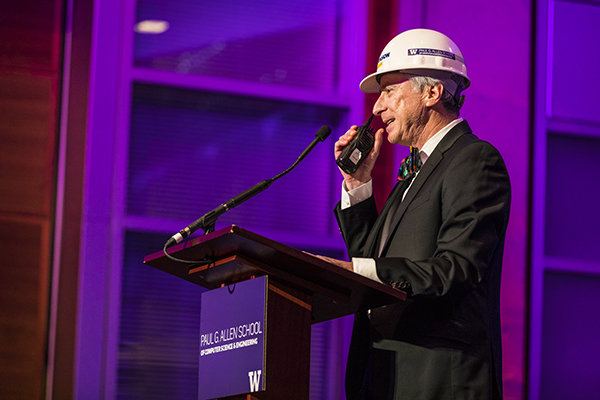
Hank Levy in hardhat“We had big ambitions, so we were hoping that the university would grow along with us — that its size and its ranking would make it the best in the world,” he said. “And in fact, that’s exactly what’s happened.
“It was a good computer science department; it’s now a great computer science department,” he continued. “If there’s ever been a clear win-win for this region, for Microsoft, for the companies here, and for the students, it’s got to be investing in great computer science. So thank you very much.”

At Allen School Director Hank Levy’s signal — “Okay, Mortenson, beam us up!” — the beam began its ascent to the top of the structure. The beam would later be welded into place, enabling work on the building’s enclosure and interior to begin. The Bill & Melinda Gates Center is slated for completion by the end of 2018 and will be ready for occupancy in early 2019.

Read an excellent recap of the topping out celebration on GeekWire here, and a related UW News release here. See below for a video of the beam-raising and more photos of the evening’s festivities.

We are grateful to our generous donors and friends whose leadership and support over the past several years have made this day possible. We look forward to sharing many exciting and inspiring stories about the faculty and students who will benefit from the building that you helped build!


Brad Smith

Brad Smith, who spearheaded the fundraising campaign, signs the beam


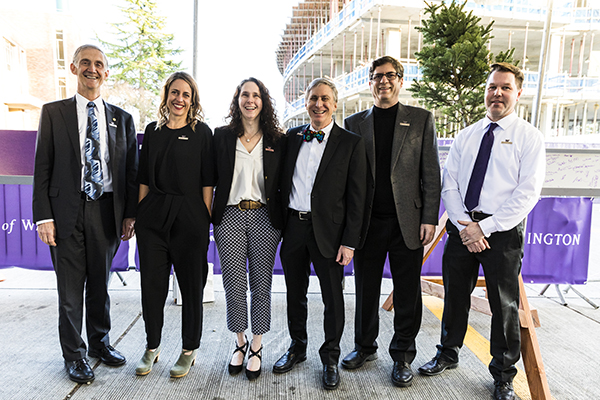
The team overseeing the building project on behalf of the Allen School (from left): Ed Lazowska, Tracy Erbeck, Dawn Lehman, Hank Levy, Paul Beame, and Aaron Timss


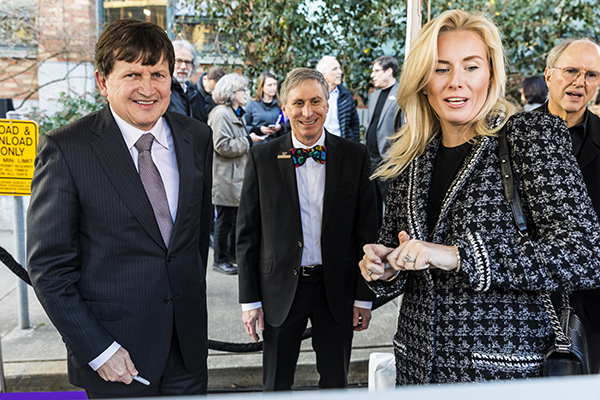
Charles Simonyi, Hank Levy, Lisa Simonyi

Charles Simonyi (left) and Lisa Simonyi (right), who co-led the effort to name the building in honor of the Gateses, sign the beam as Hank Levy looks on


Ana Mari Cauce signs the beam

UW President Ana Mari Cauce adds her name to the building beam for posterity


Constance Rice

UW Regent Constance Rice joins in the celebration


LMN Architects team

The team from LMN Architects, which designed the Bill & Melinda Gates Center, pose with the beam


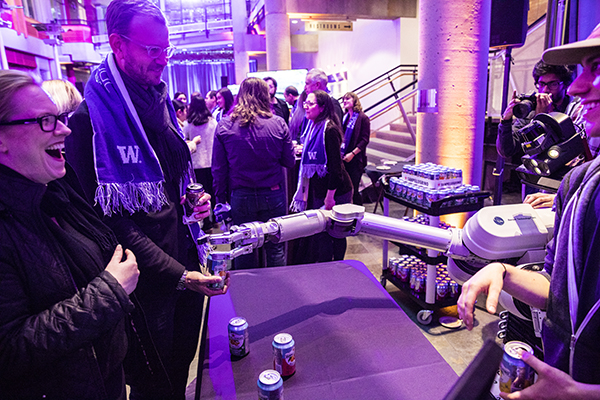
HERB the robot serves soda

HERB – the Home Exploring Robot Butler – serves soda to the crowd inside the Allen Center


Rob Short signing the beam

Campaign co-chair Rob Short (M.S., ’87) signs the beam


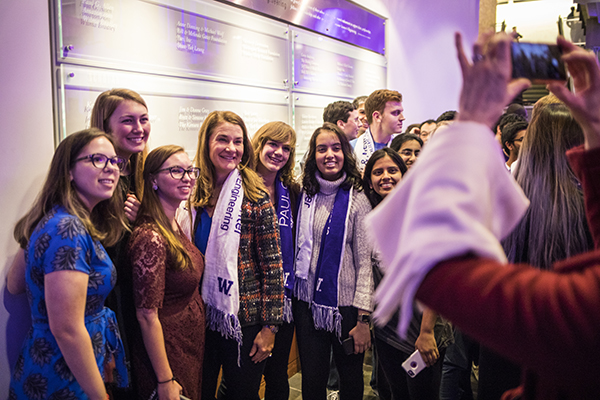
Melinda Gates with students

Melinda Gates poses with students she met as part of her advocacy campaign to support more women in STEM fields


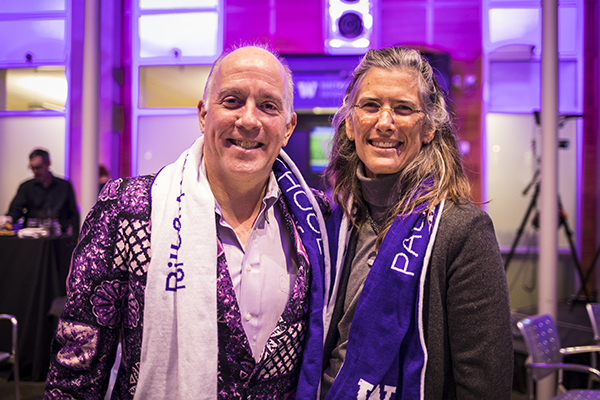
Ben Slivka, Lisa Wissner-Slivka

Longtime Allen School supporters Ben Slivka (left) and Lisa Wissner-Slivka


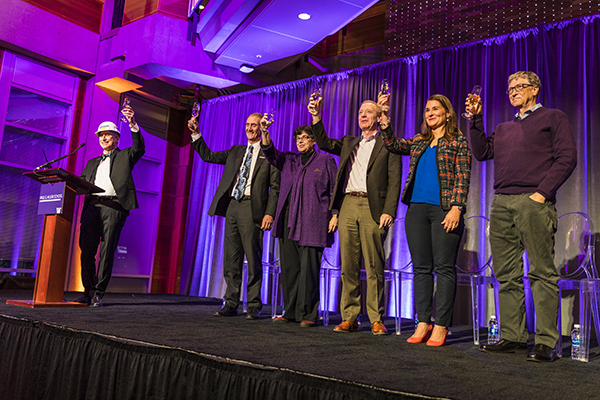
Onstage toast

A toast to the new Bill & Melinda Gates Center for Computer Science & Engineering


Beam showing signatures

The beam


Additional photographs here.

  Read more →

UW programmers are among the best in the west at regional ACM competition

ACM ICPC logoLast month, six teams of students from the University of Washington put their programming skills to the test in the Association for Computing Machinery’s International Collegiate Programming Competition (ICPC). Three of those teams placed among the top 10 in the region — demonstrating that when it comes to computer programming, UW students are among the best in the west.

The road to the competition began in October with a local contest sponsored by Google. A total of 45 teams entered, from which six teams were chosen to represent the UW in Division 1, which also included Stanford, University of British Columbia, University of California, Berkeley, and others. The top-ranked UW team, “May the bugs be with you~,” placed fourth, with fellow UW teams “+1s” and “scottai” coming in fifth and sixth, respectively. The regional competition took place simultaneously across six sites: Puget Sound (including UW), Northeast (Spokane and environs), Northwest (Oregon), Northern California, Hawaii, and Canada.

Principal Lecturer Stuart Reges, who teaches the Allen School’s popular introductory programming courses and served as the teams’ faculty sponsor, was impressed with the strong showing made by the UW students.

“We swept the top five spots out of the 14 teams at the Puget Sound site,” Reges noted. “And we had more teams in the top 10 than any other school in the overall region.”

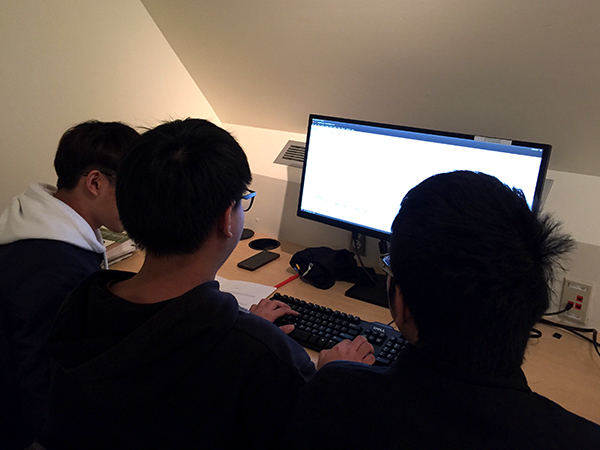
Members of "May the bugs be with you"

Members of “May the bugs be with you~” at the Puget Sound competition site

Fourth and fifth places at the Puget Sound site went to “WeGods” and “fsociety,” respectively, with the final UW team, “MATLAB Indexers,” coming in seventh. The group of undergraduate and first-year graduate students was coached by Allen School Ph.D. students Daniel Epstein of the Human-Computer Interaction (HCI) group and Martin Kellogg of the Programming Languages & Software Engineering (PLSE) group. Kellogg is already looking forward to seeing how the students build on this year’s outcome.

“‘May the bugs be with you~’ was all freshmen, and a freshman and two sophomores were part of ‘+1s,’ ” said Kellogg. “These teams are young, so we’re looking forward to even stronger results in the coming years.”

Way to go, teams! And thanks to Google for supporting UW students! Read more →

Professor Steve Seitz, alumni Gail Murphy and Geoff Voelker named Fellows of the ACM

Steve SeitzAllen School professor Steve Seitz and Ph.D. alumni Gail Murphy and Geoffrey Voelker have been named Fellows of the Association for Computing Machinery (ACM). They are among just 54 computer science educators, researchers and practitioners to be recognized as 2017 Fellows based on their outstanding technical accomplishments and service to the computing community.

“To be selected as a Fellow is to join our most renowned member grade and an elite group,” said ACM President Vicki L. Hanson in a press release. “The Fellows program allows us to shine a light on landmark contributions to computing, as well as the men and women whose tireless efforts, dedication, and inspiration are responsible for groundbreaking work that improves our lives in so many ways.”

Steve Seitz was recognized by the ACM for his “contributions to computer vision and computer graphics.” As a member of the Allen School’s Graphics & Imaging Laboratory (GRAIL), Seitz has made a number of important technical contributions to advance the state of the art in computer graphics and vision and enable new capabilities in augmented and virtual reality. These include DynamicFusion, the first dense simultaneous localization and mapping (SLAM) system capable of real-time reconstruction of dynamic scenes that feature subjects in motion. The project represented a major leap forward in both SLAM and 3-D reconstruction, earning Seitz and his collaborators — former Allen School postdoc Richard Newcombe and professor Dieter Fox — the Best Paper Award at the 2015 International Conference on Computer Vision and Pattern Recognition (CVPR).

Seitz worked with Allen School Ph.D. alumnus Ricardo Martin Brualla and Google’s David Gallup to pioneer a new method for creating videos from photos. Using a process called time-lapse mining, the team was able to compensate for variations in camera angle and lighting to create videos depicting changes to important ecological and historical sites over time. In addition, Seitz has contributed to a line of research spearheaded by Ph.D. alumnus Supasorn Suwajanakorn and professor Ira Kemelmacher-Shlizerman aimed at developing new tools for creating realistic digital personas, including total moving face reconstruction, creation of 3-D digital personas, and photorealistic audio-to-video conversion.

“I’m really excited about the field of virtual and augmented reality and putting a lot of my energy into this area,” Seitz said. “I mean, how often do you get a chance to help define the next computing platform?”

Seitz is particularly excited about inspiring students in this burgeoning field. He and Kemelmacher-Shlizerman developed the curriculum for the Allen School’s Virtual and Augmented Reality Capstone to give students a chance to experiment with the latest technology and software. Students in the course worked in teams to build a variety of apps, from holographic chess, to virtual painting, to cooking and music lessons.

Seitz splits his time between the Allen School and Google Seattle, where he leads a 3-D vision team responsible for developing the Google Jump professional VR video system and Cardboard Camera, which turns an Android smartphone into a virtual reality device to bring VR to the masses. His enthusiasm for using virtual reality as a means of transporting people somewhere they are not earned him the title “teleportation director.”

In a way, his recent recognition from the ACM has transported Seitz back in time; the news of his selection has enabled him to reconnect with people who have been important throughout his career.

“The best part is getting these warm emails from so many friends and colleagues that I’ve worked with over the years,” he said.

Seitz is the 21st Allen School faculty member to be named a Fellow of the ACM. He is joined in the class of 2017 by Allen School alumni Gail Murphy (Ph.D., ‘96) and Geoffrey Voelker (Ph.D., ‘00).

Gail MurphyMurphy is a professor in the Department of Computer Science and Vice President for Research & Innovation at the University of British Columbia. She was recognized by the ACM for “contributions to recommenders for software engineering and to program comprehension.”

Murphy has devoted her research career to helping software developers and other knowledge workers to work smarter and better, inspired by her own experience as a software developer before she came to the University of Washington to earn her Ph.D. working with the late David Notkin. To that end, she and her team at UBC study how software is developed and design and evaluate tools for developers to manage large, complex software systems. Murphy’s approach has been described as one that puts people first and tools second. It is an ethos she put into practice at Tasktop Technologies, a company she co-founded a decade ago with Ph.D. student Mik Kersten and researcher Rob Elves. Together, they set out to streamline software development and delivery at the enterprise level through a suite of integrated tools for enhancing communication and collaboration.

“A big challenge today is connecting the people involved in large software developments,” Murphy explained when she was recognized with the Allen School’s Alumni Achievement Award in 2014. “When people are not connected, software development lags and problems get introduced into the software.”

Voelker completed his Ph.D. working with professors Anna Karlin and Hank Levy before joining the faculty of the University of California, San Diego, where he is a member of the Systems & Networking and Security & Cryptography research groups. He was selected as an ACM Fellow based on his “contributions to empirical measurement and analysis in systems, networking and security.”

Geoff VoelkerFor one of his early contributions, Voelker collaborated with another Allen School alumnus, Stefan Savage, and Ph.D. student David Moore on a study of denial-of-service attacks — the process by which attackers overload servers connected to the internet with messages. The team’s work, which represented the first time anyone had publicly measured the extent of DoS activity on the internet, earned the Best Paper Award at the 2001 USENIX Security Symposium. The enduring relevance of Voelker’s and his colleagues’ research to the field of network security was recognized with the USENIX Test of Time Award earlier this year.

Since that pioneering research, Voelker has made contributions in a variety of areas, including cellular networks, machine virtualization, cloud storage, and cybercrime. Roughly a decade after the landmark DoS study, Voelker worked with Savage and a group of colleagues at UCSD, University of California, Berkeley, the International Computer Science Institute, and the Budapest University of Technology and Economics on an ambitious project to map the spam value chain. Voelker and his colleagues discovered that 95 percent of spam-advertised pharmaceutical and software purchases are funneled through just a handful of banks and credit card processors — a bottleneck that could be used by financial institutions and regulators to shut spammers down.

With more than 100,000 members worldwide, the ACM is the world’s largest computing society devoted to advancing computing’s technical, educational, and social impact. Fellows are selected by their peers and represent the top one percent of ACM’s overall membership.

Read the ACM’s announcement here, and view the full list of 2017 Fellows here.

Congratulations to Steve, Gail, and Geoff on this well-deserved recognition!

  Read more →

Allen School celebrates fundraising and construction milestones for new Bill & Melinda Gates Center

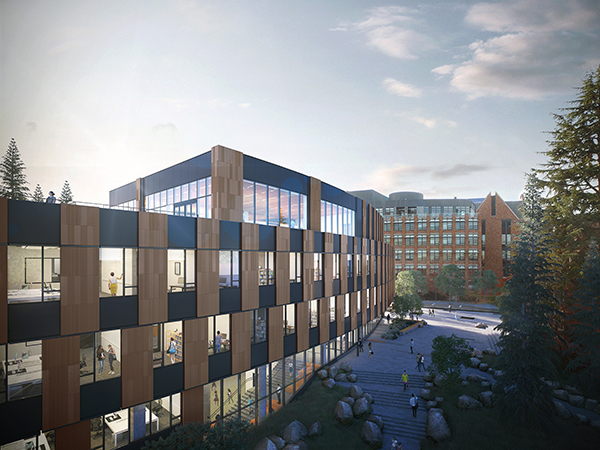
Rendering of Gates Center looking toward the Allen CenterToday, the Allen School and University of Washington announced the conclusion of fundraising for the new Bill & Melinda Gates Center for Computer Science & Engineering and the “topping out” of the building’s structure — two significant milestones in the school’s quest to expand its impact and educate more of Washington’s students to be the innovators and leaders of tomorrow.

Fundraising for the project was brought to a close thanks to a $15 million gift from Bill and Melinda Gates. This latest gift is distinct from that which inspired the university to name the building in their honor, which was spearheaded by Microsoft and a group of longtime friends and colleagues as a surprise to the couple. More than 300 donors in total contributed to the campaign to build a second computer science building on the UW campus — sustaining the Allen School’s momentum and advancing its reputation as one of the preeminent computer science programs in the nation.

“This is a special honor, because the University of Washington is a special place to me. Melinda and I are thrilled to be able to support this world-class institution in various ways,” Bill Gates told UW News. “Thank you to everyone who made this building possible. I’m excited about what it will mean for the university and our entire community.”

With the topping out, the school moves a step closer to achieving its vision of providing an unparalleled education and research experience to more students. This milestone marks the halfway point in construction, when the structure has reached its maximum height — hence the expression “topping out”— and the final steel beam is ready to be hoisted into place. After that, the construction crew will commence work on the enclosure and interior of the building.

The Bill & Melinda Gates Center is designed to complement the adjacent Paul G. Allen Center for Computer Science & Engineering and provide sufficient space for the school to double annual degree production and strategically grow its faculty. It will also enable pursuit of exciting initiatives that will keep it at the forefront of computing innovation, including purpose-built spaces to house the school’s research in robotics, DNA-based computing, human-computer interaction, and other areas in which the Allen School is or aspires to be a world leader.

“Bill and Melinda are first and foremost driven to have an impact — on innovation, on people’s lives, and on society as a whole,” noted Hank Levy, Allen School Director and Wissner-Slivka Chair in Computer Science & Engineering. “The building will equip us to expand our impact on all three, with new labs, classrooms, offices, and collaboration spaces that will help us deliver an unparalleled experience to more students and continue pushing the boundaries of our field.”

Construction site of the Bill & Melinda Gates CenterAmong other highlights of the Bill & Melinda Gates Center will be a new undergraduate commons that will function as a home away from home for the more than 1,000 students enrolled in the major. It is one of many elements of the building’s design that create an inviting and inclusive environment for the Allen School’s rapidly growing community.

“I’m especially excited about the opportunities that this building will create for women in computer science,” said Melinda Gates. “That’s an area where the Paul G. Allen School has excelled, and an area where I hope this new building will enable women to do even more.”

With the completion of the building fundraising, the Allen School will shift its “Campaign for CSE” to focus on amassing support for student scholarships and fellowships, professorships, and new initiatives — support that will be essential for the school to achieve the vision enabled by its expanded footprint.

“Now we have to fill that building with the people who will generate the breakthrough innovations of tomorrow,” Levy said.

Construction of the Bill & Melinda Gates Center is on track for completion by the end of 2018. The building will be ready for occupancy in early 2019.

For more information on today’s announcement, read the UW News release here. Check out coverage by GeekWire here and Xconomy here.

The Allen School community is exceedingly grateful to Bill and Melinda for investing in our vision, to Microsoft President Brad Smith for his leadership throughout the campaign, and to our many donors and friends whose generosity and goodwill have made this project possible! Read more →

« Newer PostsOlder Posts »